Explore this guide
Our guides combine current planning research with practical knowledge from arranging safaris, Kilimanjaro climbs and Zanzibar holidays.
Great Migration Calendar: Month-by-Month Guide, Best Time & Places to See It
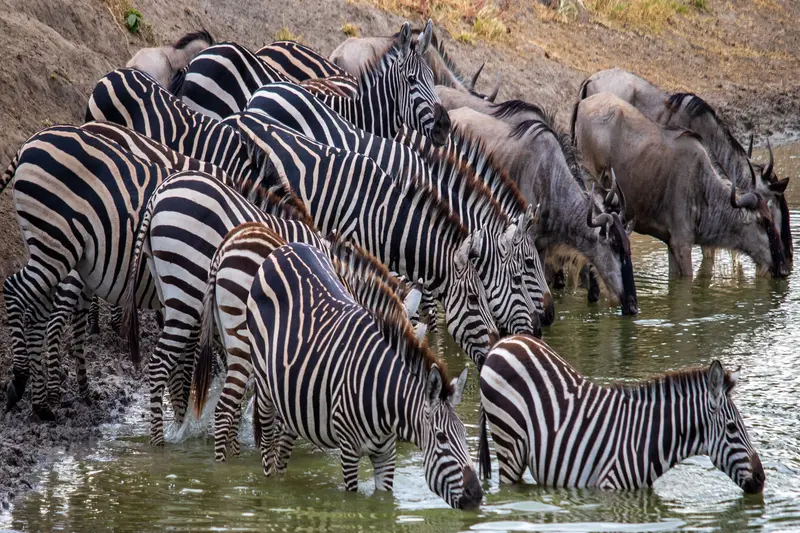
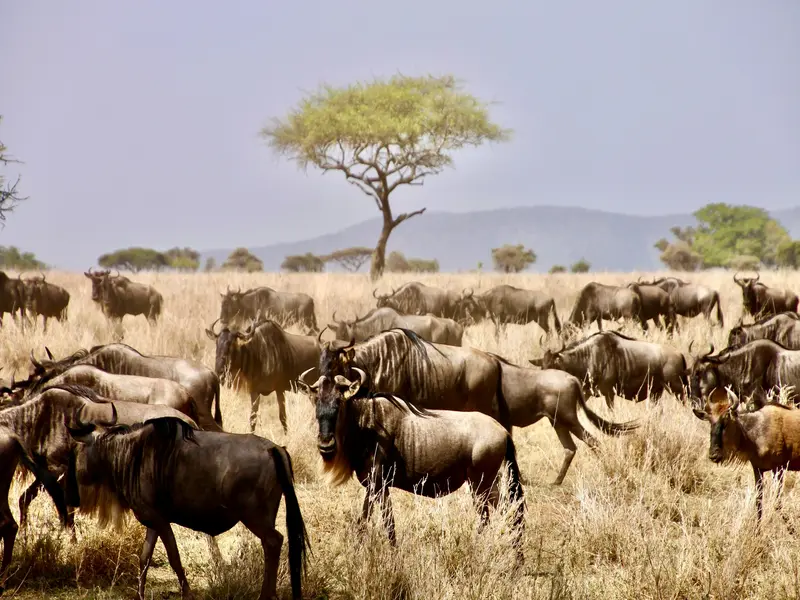
The Great Wildebeest Migration is one of the most spectacular wildlife events on the planet, attracting thousands of travelers every year to witness millions of wildebeest, zebras, and gazelles moving across the Serengeti-Masai Mara ecosystem in search of fresh grass and water.
Planning the right time to experience this natural wonder is one of the most important parts of organizing a successful safari. Unlike a scheduled event, the Great Migration does not follow an exact calendar date. The herds move according to seasonal rainfall, water availability, and the condition of grazing areas. This means the location of the animals can change slightly each year.
Understanding the Great Migration calendar helps you choose the best destination and travel period based on what you want to experience. For example, the Southern Serengeti is the best place to witness the dramatic calving season at the beginning of the year, while the Northern Serengeti and Masai Mara offer the famous river crossings during the peak migration months.
The migration takes place across two iconic safari destinations:
- Serengeti National Park in Tanzania – where the herds spend most of the year and where many key stages of the migration occur.
- Masai Mara National Reserve in Kenya – where the migration arrives for a few months, becoming famous for the dramatic Mara River crossings.
As a Tanzania safari specialist, Kilipori Safaris helps travelers plan private safari experiences based on migration movements, seasonal wildlife patterns, and personal travel goals. Choosing the right month and location can make the difference between simply visiting the Serengeti and experiencing one of nature's greatest spectacles.
In this complete Great Migration Calendar (2026 Guide), we will explain the migration month by month, including where the herds are located, the best places to see them, the ideal time to visit, and how to choose between a Serengeti migration safari and a Masai Mara migration safari.
Quick Answer: The best overall time to see the Great Wildebeest Migration is usually July to September, when large herds gather in Northern Serengeti and the Masai Mara for dramatic river crossings. However, many safari experts consider January to March in the Southern Serengeti equally spectacular because of the calving season, newborn animals, and intense predator activity.
Great Migration Calendar Overview: Month-by-Month Guide
The Great Wildebeest Migration follows a continuous annual cycle across the Serengeti National Park in Tanzania and the Masai Mara National Reserve in Kenya. Although the exact timing can change slightly depending on rainfall patterns, this Great Migration calendar provides a reliable guide to where the herds are usually found and what wildlife experiences you can expect each month.
The migration is not simply about seeing millions of animals moving. Each season offers a different experience—from the dramatic calving season in Southern Serengeti, to huge herds crossing rivers, to predator action as lions, cheetahs, leopards, and hyenas follow the migrating animals.
Great Wildebeest Migration Calendar at a Glance
| MonthMain LocationMigration Highlights | ||
| January | Southern Serengeti (Ndutu Area) | Large herds gather before calving season begins; excellent predator sightings |
| February | Southern Serengeti (Ndutu) | Peak calving season with thousands of newborn wildebeest and intense predator activity |
| March | Southern Serengeti | Calves become stronger as herds prepare for the northward journey |
| April | Central Serengeti | Migration begins moving north following fresh grazing areas |
| May | Central & Western Serengeti | Massive herds gather; mating season begins; dramatic landscapes after rains |
| June | Western Corridor & Central Serengeti | Herds approach rivers; Grumeti River crossings may occur |
| July | Northern Serengeti | Migration moves toward the Mara River; river crossing season begins |
| August | Northern Serengeti & Masai Mara | Peak period for dramatic Mara River crossings |
| September | Masai Mara & Northern Serengeti | Large herds remain in the north; excellent wildlife viewing |
| October | Northern Serengeti | Herds begin moving south as rainfall patterns change |
| November | Eastern & Southern Serengeti | Migration returns toward fresh southern grasslands |
| December | Southern Serengeti | Herds arrive back in the calving areas as the cycle begins again |
Understanding the Migration Cycle
The Great Migration calendar can be divided into four major stages:
1. January–March: Calving Season in Southern Serengeti
During the beginning of the year, the herds gather around the nutrient-rich plains of the Southern Serengeti and Ndutu area.
This period is famous for:
- Thousands of wildebeest births within a short period.
- Newborn calves taking their first steps.
- High predator activity.
- Excellent opportunities to see lions, cheetahs, hyenas, and leopards.
This is considered one of the most rewarding times for a Serengeti migration safari.
2. April–June: The Journey North Begins
After the calving season, the herds begin moving north in search of fresh grazing areas.
During this period, travelers can experience:
- Huge herds moving across green plains.
- Dramatic landscapes after seasonal rains.
- Lower tourist numbers compared with peak season.
- Excellent wildlife viewing throughout the Serengeti.
3. July–October: River Crossing Season
This is the most famous period of the Great Wildebeest Migration.
The herds move into the Northern Serengeti before crossing into the Masai Mara.
Highlights include:
- Mara River crossings.
- Crocodile encounters.
- Predator action around migrating herds.
- Some of Africa's most photographed wildlife moments.
This period is especially popular among travelers searching for the best time to see the Great Migration.
4. November–December: Return to Southern Serengeti
As the short rains arrive, the herds begin their journey back south.
During this period:
- Fresh grass attracts migrating animals.
- Tourist numbers are lower.
- The migration cycle begins again.
- Southern Serengeti prepares for the next calving season.
Best Month Depends on Your Safari Goal
| Your GoalBest TimeBest Location | ||
| Newborn wildebeest and predator action | January–March | Southern Serengeti (Ndutu) |
| Fewer crowds and green scenery | April–May | Central Serengeti |
| Grumeti River crossings | June–July | Western Serengeti |
| Famous Mara River crossings | July–September | Northern Serengeti & Masai Mara |
| Budget-friendly migration safari | April–May or November | Serengeti |
| First-time Great Migration experience | July–September | Northern Serengeti / Masai Mara |
Expert Tip: Many travelers focus only on the Mara River crossings, but the Great Wildebeest Migration is a year-round event. Choosing the right month based on your interests often creates a more memorable safari than simply traveling during peak season. The Southern Serengeti calving season, in particular, offers some of the most dramatic predator-prey interactions of the entire migration cycle.
January to March: Calving Season in Southern Serengeti
The first months of the year offer one of the most extraordinary chapters of the Great Wildebeest Migration calendar. From January to March, hundreds of thousands of wildebeest gather in the nutrient-rich plains of the Southern Serengeti and Ndutu area, creating one of the best wildlife experiences in Tanzania.
While many travelers associate the Great Migration with dramatic river crossings, experienced safari travelers often consider the Serengeti calving season equally impressive. This is the time when nature begins a new cycle, with thousands of wildebeest calves being born within a short period.
January: Herds Gather in Southern Serengeti
In January, the migrating herds settle into the southern plains as the short rains create fresh green grass. The animals are preparing for one of the most important moments of the migration—the birth of the next generation.
During this period, visitors can expect:
- Large concentrations of wildebeest and zebras.
- Beautiful green landscapes across the southern plains.
- Early signs of calving activity.
- Excellent predator sightings.
The Ndutu area, located between the Serengeti and Ngorongoro Conservation Area, becomes one of the best places to witness the beginning of the migration cycle.
February: Peak Calving Season in Ndutu
February is widely regarded as the highlight of the Southern Serengeti migration safari.
During this month:
- Thousands of wildebeest calves are born every day.
- Newborn animals attract large numbers of predators.
- Lions, cheetahs, leopards, hyenas, and jackals become highly active.
- Wildlife photography opportunities are exceptional.
The abundance of young animals creates a dramatic balance between survival and danger. Within minutes, visitors may witness a newborn calf taking its first steps or predators searching the plains for opportunities.
For photographers and wildlife enthusiasts, February offers some of the most powerful safari moments in Africa.
March: Calves Grow Stronger and Herds Begin Moving
By March, most calves have been born, and the young wildebeest become stronger and more mobile. The herds remain in Southern Serengeti while preparing for the next stage of their journey north.
This period offers:
- Large herds spread across open plains.
- Excellent predator activity.
- Fewer visitors compared with the peak dry season.
- Beautiful landscapes after the rains.
As the grass begins to change, the migration slowly prepares to move toward the central Serengeti.
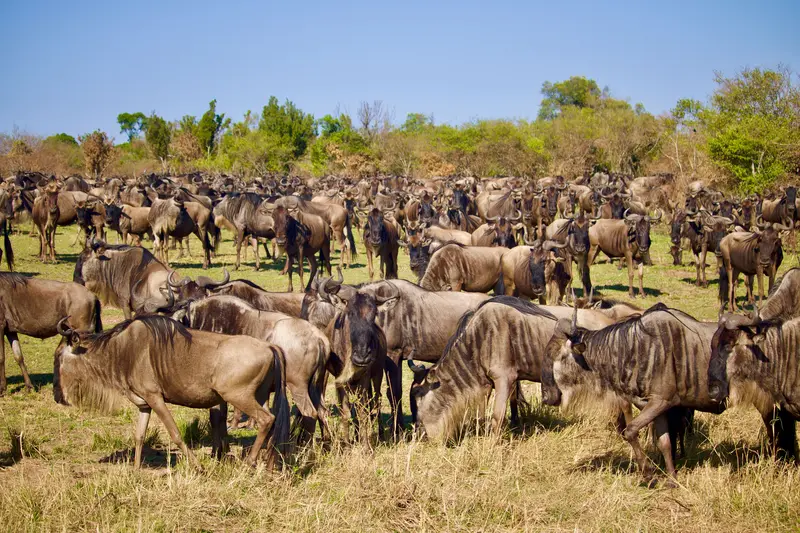
Best Places to See the Migration During January–March
Southern Serengeti
The Southern Serengeti is the heart of the calving season. Its short grass plains provide the perfect conditions for thousands of wildebeest to give birth.
Best for:
- Calving season.
- Large herds.
- Predator encounters.
- Photography.
Ndutu Area
The Ndutu region is one of the most famous locations during this period because it combines Serengeti wildlife with easy access to the migration routes.
Best for:
- Newborn wildebeest.
- Cheetah sightings.
- Lion activity.
- Scenic landscapes.
Central Serengeti (Seronera)
Although the main herds are usually farther south, Central Serengeti remains excellent for resident wildlife.
Best for:
- Leopards.
- Lions.
- Year-round game viewing.
Why Visit During Calving Season?
A January–March Serengeti safari offers several advantages:
✅ One of the highest concentrations of wildlife in Tanzania.
✅ Incredible predator-prey interactions.
✅ Thousands of newborn animals.
✅ Excellent photography opportunities.
✅ Fewer crowds compared with July–September.
✅ Green landscapes and dramatic skies.
The main consideration is that some roads can become challenging after rainfall, especially in remote areas. Working with an experienced safari operator helps ensure the best routes and wildlife locations are selected.
Is January–March the Best Time for the Great Migration?
For travelers who want to witness river crossings, this is not the right season. However, for those interested in wildlife drama, newborn animals, and predator action, January–March may be the most rewarding period of the entire Great Migration calendar.
Many safari specialists consider the Southern Serengeti calving season one of Africa's greatest wildlife spectacles because it showcases the complete cycle of life—from birth and survival to predator interactions.
Expert Tip: If your priority is photography, family travel, or experiencing the Great Migration away from peak crowds, January to March is an excellent choice. A well-planned private Tanzania safari during calving season can provide some of the most intimate and unforgettable wildlife encounters in the Serengeti.
April–May: Green Season and the Migration Moves North
The months of April and May mark an important transition in the Great Migration calendar. After the dramatic calving season in the Southern Serengeti, the wildebeest herds begin their journey north in search of fresh grazing areas.
This period is often overlooked by travelers planning a Serengeti migration safari, but it can offer a rewarding experience with fewer crowds, beautiful green landscapes, and impressive wildlife viewing.
Unlike the peak migration months, April and May provide a quieter safari atmosphere where visitors can enjoy the Serengeti's natural beauty without the large number of vehicles found during high season.
April: The Migration Begins Moving North
In April, the wildebeest herds start leaving the Southern Serengeti and Ndutu area, gradually moving toward the central regions of the park.
The movement is influenced by:
- Seasonal rainfall patterns.
- Availability of fresh grass.
- Water sources across the ecosystem.
During this period, travelers may witness:
- Long lines of wildebeest stretching across the plains.
- Large zebra herds traveling alongside the migration.
- Green landscapes after the rains.
- Excellent birdwatching opportunities.
- Active resident predators.
The Central Serengeti (Seronera area) becomes an important stop during this stage because it offers excellent wildlife viewing even when the migrating herds are spread out.
May: Massive Herds and Mating Season
May is one of the most dramatic months in the Serengeti migration calendar. As the herds continue moving north, thousands of wildebeest gather together before beginning the next major stage of their journey.
This period is known for:
- Huge concentrations of wildebeest and zebras.
- The beginning of the mating season.
- Increased herd movement across the plains.
- Beautiful green scenery.
- Lower visitor numbers compared with peak migration months.
The abundance of animals attracts predators, creating opportunities to see:
- Lions following migrating herds.
- Cheetahs hunting in open grasslands.
- Hyenas moving between wildlife groups.
- Leopards near riverine areas.
Best Places to See the Migration in April–May
Southern Serengeti
Although the main herds begin moving north, parts of Southern Serengeti can still provide excellent sightings.
Best for:
- Late calving season experiences.
- Resident predators.
- Fewer tourists.
Central Serengeti (Seronera)
Central Serengeti is one of the most reliable wildlife areas throughout the year.
Best for:
- Lions.
- Leopards.
- Cheetahs.
- Large herbivore populations.
- Migrating herds passing through.
The Seronera Valley is especially famous for leopard sightings due to its permanent water sources and abundant prey.
Western Serengeti
By late May, some migration groups begin approaching the Western Corridor, where they prepare for the next challenge—the Grumeti River crossing.
Best for:
- Large herds.
- River ecosystems.
- Early migration movement.
Why Visit During April–May?
A Green Season Serengeti safari offers several advantages:
✅ Beautiful green landscapes and dramatic skies.
✅ Fewer tourists compared with July–October.
✅ Lower accommodation rates in many camps.
✅ Excellent predator sightings.
✅ Opportunity to witness migration movement before peak season.
✅ Great conditions for landscape photography.
The main consideration is that April and May are part of the rainy season, meaning some roads can become muddy and wildlife may be more spread out due to abundant water.
However, with an experienced safari guide and a well-planned itinerary, this period can provide an incredible and more peaceful safari experience.
Is April–May a Good Time to See the Great Migration?
Yes. While April and May do not offer the famous Mara River crossings, they provide a different side of the Great Wildebeest Migration—the journey itself.
Travelers who want to see massive herds moving through beautiful green plains, experience fewer crowds, and enjoy better value often find this period highly rewarding.
Expert Tip: Many travelers only focus on July and August, but April and May can be ideal for visitors who prefer a quieter private Tanzania safari. The combination of fewer vehicles, dramatic landscapes, and active wildlife makes the Green Season one of the Serengeti's hidden gems.
June–July: Western Corridor, Grumeti River & The Journey Toward Northern Serengeti
The months of June and July represent one of the most exciting transition periods in the Great Migration calendar. After moving through the central Serengeti, the migrating wildebeest herds begin gathering in the Western Corridor before continuing toward the northern regions of Tanzania.
This period is often considered the beginning of the dramatic migration season, as the animals face one of their first major natural obstacles—the Grumeti River.
For travelers looking for a Serengeti migration safari with large herds, fewer crowds, and opportunities to witness river crossings before the peak season, June and July can be an excellent choice.
June: Herds Gather in the Western Corridor
By June, the migrating wildebeest and zebras have usually moved from Central Serengeti toward the Western Corridor, following areas with fresh grazing and water.
The Western Corridor is famous for:
- Large concentrations of migrating herds.
- The Grumeti River.
- Dramatic predator activity.
- Beautiful river landscapes.
During this period, visitors may experience:
- Thousands of wildebeest gathering near river crossings.
- Herds preparing to cross the Grumeti River.
- Lions and hyenas following migration routes.
- Large groups of zebras traveling with wildebeest.
The timing of the migration depends heavily on rainfall, so some years the herds may arrive earlier or later than expected.
Grumeti River Crossings
The Grumeti River crossing is one of the lesser-known but spectacular moments of the Great Wildebeest Migration.
Unlike the famous Mara River crossings, the Grumeti River crossings are usually less crowded, providing a more intimate safari experience.
During a crossing, travelers may witness:
- Wildebeest entering the river in large groups.
- Strong currents challenging migrating animals.
- Large crocodiles waiting in the water.
- Predators taking advantage of the movement.
For photographers and wildlife enthusiasts, the Western Corridor provides a dramatic alternative to the more famous northern river crossings.
July: Migration Moves Toward Northern Serengeti
By July, many migration herds begin moving north toward the Northern Serengeti, where they prepare for the next major stage of the journey—the Mara River crossings.
The Northern Serengeti offers:
- Open plains.
- Rocky landscapes.
- Seasonal rivers.
- Excellent predator sightings.
Wildlife experiences during July may include:
- Massive herds spread across northern plains.
- Increasing migration activity near river areas.
- Excellent lion and cheetah sightings.
- Lower vehicle numbers compared with Kenya's Masai Mara during peak crossing periods.
Best Places to See the Migration in June–July
Western Serengeti (Western Corridor)
Best for:
- Grumeti River crossings.
- Large migrating herds.
- Fewer tourists.
- Unique river landscapes.
Central Serengeti
Best for:
- Reliable wildlife viewing.
- Big cats.
- Flexible migration tracking.
Northern Serengeti
Best for:
- Early Mara River migration activity.
- Large herds.
- Preparation for peak crossing season.
Why Visit During June–July?
A June–July Serengeti safari offers several advantages:
✅ Large migrating herds.
✅ Opportunity to witness Grumeti River crossings.
✅ Excellent predator sightings.
✅ Cooler and drier weather.
✅ Fewer crowds compared with peak Mara River crossing months.
✅ Great balance between migration activity and availability.
The main consideration is that migration timing can vary. Some years, large crossings happen later in July or August depending on rainfall and river conditions.
Is June–July the Best Time for the Great Migration?
June and July are excellent months for travelers who want to experience the migration before the busiest season.
While August and September are often chosen for the famous Mara River crossings, June and early July offer a more peaceful experience with impressive wildlife action and fewer safari vehicles.
For travelers interested in a more exclusive private Tanzania safari, this period can provide an excellent combination of migration activity, photography opportunities, and a quieter wilderness atmosphere.
Expert Tip: If your goal is to see the migration without the peak-season crowds, consider the Western Serengeti in June or Northern Serengeti in July. These areas offer incredible wildlife experiences while allowing you to enjoy the migration as a natural event rather than a crowded spectacle.
July–October: Mara River Crossing Season in Northern Serengeti & Masai Mara
The period from July to October is the most famous chapter of the Great Migration calendar and the season that attracts travelers from around the world. During these months, enormous herds of wildebeest and zebras move through the Northern Serengeti before crossing into Kenya's Masai Mara National Reserve.
This period is best known for the dramatic Mara River crossings, where thousands of migrating animals face strong currents, steep riverbanks, and waiting predators. These moments have become some of the most iconic scenes in African safari photography.
However, it is important to understand that the migration is not only about river crossings. The Northern Serengeti offers incredible wildlife experiences throughout this season, including large herds, excellent predator sightings, and spectacular landscapes.
July: The Migration Arrives in Northern Serengeti
In July, many wildebeest herds begin reaching the Northern Serengeti, especially areas around the Mara River and Lobo Valley.
During this month, travelers may experience:
- Large herds gathering in northern plains.
- Early Mara River crossing attempts.
- Excellent predator activity.
- Beautiful dry-season landscapes.
- Fewer vehicles compared with Kenya during peak crossing periods.
The exact timing of river crossings varies every year because the herds respond to rainfall, grass availability, and river conditions.
Some years, crossings may happen in July, while in others they may not occur until August or later.
August–September: Peak Mara River Crossing Season
August and September are generally considered the most popular months for travelers hoping to witness the famous river crossings.
During this period:
- Massive herds gather along the Mara River.
- Wildebeest plunge into the water in dramatic groups.
- Crocodiles wait for opportunities.
- Predators gather near crossing points.
- Photographers capture some of Africa's most unforgettable wildlife moments.
The Northern Serengeti and Masai Mara both provide opportunities to witness these crossings.
Northern Serengeti Advantage
Choosing the Northern Serengeti allows travelers to experience:
- The migration before and after crossing into Kenya.
- A quieter safari atmosphere compared with some areas of Masai Mara.
- Excellent wildlife viewing beyond just the river crossings.
- The chance to continue exploring Tanzania's safari destinations.
Masai Mara Advantage
The Masai Mara is famous because:
- Large numbers of herds gather in a relatively compact area.
- River crossings are easier to locate.
- Wildlife density is extremely high.
- Many visitors combine the experience with Kenya's other attractions.
October: The Migration Begins Moving South
By October, many herds begin leaving the Masai Mara and Northern Serengeti as rainfall patterns change.
This month offers:
- Continued river crossing opportunities early in the month.
- Fewer tourists compared with August and September.
- Excellent wildlife viewing.
- Herds beginning their journey back toward Tanzania.
October can be a great option for travelers who want migration experiences with slightly fewer crowds.
Best Places to See the Great Migration During July–October
Northern Serengeti
Best for:
- Mara River crossings.
- Large migrating herds.
- Predator sightings.
- A more remote Tanzania safari experience.
Key areas include:
- Mara River region.
- Kogatende area.
- Lobo Valley.
Masai Mara National Reserve
Best for:
- Famous Mara River crossings.
- High wildlife concentration.
- Shorter safari itineraries.
Many travelers choose the Masai Mara specifically for the dramatic crossing scenes that occur during peak migration months.
Why Visit During July–October?
A July–October Great Migration safari offers:
✅ The chance to witness the famous Mara River crossings.
✅ Large concentrations of wildebeest and zebras.
✅ Excellent predator sightings.
✅ Dry weather and easier wildlife spotting.
✅ Outstanding photography opportunities.
✅ One of Africa's most iconic safari experiences.
However, this is also the busiest and most expensive period of the year. Popular river crossing locations can attract many safari vehicles, especially during peak August and September dates.
Is July–October the Best Time for the Great Migration?
For many travelers, yes. If your dream is to witness the dramatic Mara River crossings, this is the ideal season.
However, the "best" time depends on your interests:
- Choose January–March for calving season and predator action.
- Choose June–July for Grumeti River crossings and fewer crowds.
- Choose August–September for the famous Mara River crossings.
- Choose October for migration viewing with fewer visitors.
Expert Tip: River crossings are unpredictable and cannot be guaranteed on a specific day. The best safari operators position guests in the correct migration areas and allow enough time for opportunities to arise naturally. For the highest chance of witnessing crossings, plan a longer Northern Serengeti migration safari rather than relying on a single game drive.
November–December: Return Migration to Southern Serengeti
The months of November and December mark the beginning of a new cycle in the Great Migration calendar. After spending time in the Northern Serengeti and Masai Mara, the wildebeest herds begin their journey south as seasonal rains transform the eastern and southern plains into fresh grazing areas.
This period is often overlooked by travelers who focus only on the famous Mara River crossings, but it offers a quieter and highly rewarding Serengeti migration safari experience. With fewer visitors, beautiful green landscapes, and large herds returning to their breeding grounds, November and December are excellent months for travelers seeking a more peaceful safari.
November: Migration Begins Moving South
In November, the arrival of the short rains encourages the migrating herds to leave the northern regions and start moving back toward the Southern Serengeti.
During this transition, visitors can experience:
- Large herds moving across open plains.
- Fresh green vegetation attracting wildlife.
- Excellent birdwatching opportunities.
- Lower tourist numbers.
- Great predator sightings along migration routes.
The exact movement of the herds depends on rainfall patterns. Some years, the migration may begin earlier, while in others, large groups may remain in the north longer.
December: Herds Return to Southern Serengeti
By December, many wildebeest and zebras have returned to the southern plains, preparing for the upcoming calving season.
The Southern Serengeti and Ndutu areas become increasingly important as:
- Fresh grass attracts large herbivore populations.
- Pregnant wildebeest prepare for births.
- Predators follow the growing herds.
- The migration cycle begins again.
This makes December a great time to experience the early stages of the next migration season before the major calving period begins in January and February.
Best Places to See the Migration During November–December
Southern Serengeti
The Southern Serengeti is the main destination during this period.
Best for:
- Returning migration herds.
- Open grassland landscapes.
- Early calving season preparation.
- Excellent wildlife photography.
Ndutu Area
Ndutu becomes increasingly active as the year ends.
Best for:
- Wildebeest gathering areas.
- Predator sightings.
- Scenic landscapes.
- Transition into calving season.
Central Serengeti
Central Serengeti remains an excellent option because resident wildlife stays active throughout the year.
Best for:
- Lions.
- Leopards.
- Elephants.
- Year-round game viewing.
Why Visit During November–December?
A November–December Serengeti safari offers several advantages:
✅ Fewer tourists compared with peak migration months.
✅ Lower accommodation prices in many camps.
✅ Beautiful green landscapes after seasonal rains.
✅ Large wildlife concentrations returning south.
✅ Excellent photography conditions.
✅ Opportunity to experience the migration before calving season crowds arrive.
The main consideration is that short rains can make some roads challenging, and migration timing can vary depending on weather conditions.
Is November–December a Good Time for the Great Migration?
Yes. While this period does not offer the famous Mara River crossings, it provides a more relaxed way to experience the Great Wildebeest Migration.
Travelers who prefer:
- Fewer vehicles,
- More affordable safari options,
- Green scenery,
- Authentic wilderness experiences,
often find November and December among the best months for a private Tanzania safari.
Expert Tip: The return migration season is a hidden gem for travelers who want to avoid peak-season crowds. A well-planned safari in November or December can combine excellent wildlife viewing with better availability at lodges and camps, while still offering the chance to witness one of nature's greatest journeys.
Best Places to See the Great Wildebeest Migration
The Great Wildebeest Migration takes place across one of the largest wildlife ecosystems in Africa, stretching between Tanzania's Serengeti National Park and Kenya's Masai Mara National Reserve. While the animals follow a continuous cycle throughout the year, different locations offer completely different migration experiences.
Choosing the right area is one of the most important decisions when planning a Great Migration safari. The best location depends on whether you want to witness calving season, predator action, massive herds, river crossings, or fewer crowds.
Below are the best places to see the migration throughout the year.
1. Southern Serengeti & Ndutu Area — Best for Calving Season
The Southern Serengeti and Ndutu area are the heart of the migration between January and March.
This region is famous for its nutrient-rich short grass plains, which provide ideal conditions for thousands of wildebeest to give birth.
Best Time to Visit:
January–March
Best Experiences:
- Thousands of newborn wildebeest calves.
- Dramatic predator-prey interactions.
- Large herds gathering on open plains.
- Excellent wildlife photography.
Why Choose Southern Serengeti?
The calving season offers a different experience from the famous river crossings. Instead of watching animals fight against rivers, travelers witness the beginning of life in the ecosystem.
It is one of the best destinations for travelers interested in:
- Wildlife photography.
- Family safaris.
- Nature documentaries.
- Authentic wildlife experiences.
2. Central Serengeti (Seronera) — Best Year-Round Wildlife Viewing
The Central Serengeti, especially the Seronera Valley, is one of the most reliable wildlife areas in Tanzania.
Although the main migration route changes throughout the year, Central Serengeti offers excellent wildlife viewing in every season.
Best Time to Visit:
Year-round
Best Experiences:
- Lions hunting on open plains.
- Leopard sightings near river areas.
- Large herbivore populations.
- Convenient access to different Serengeti regions.
Why Choose Central Serengeti?
Its permanent water sources attract wildlife throughout the year, making it ideal for travelers who want a balanced Serengeti safari experience.
It is especially suitable for:
- First-time safari visitors.
- Shorter Tanzania safari itineraries.
- Travelers combining multiple Serengeti regions.
3. Western Serengeti — Best for Grumeti River Crossings
The Western Corridor of Serengeti becomes a major migration area around May and June as herds move north.
This region is famous for the Grumeti River, where migrating animals face one of their first major obstacles.
Best Time to Visit:
May–July
Best Experiences:
- Large migrating herds.
- Grumeti River crossings.
- Fewer crowds compared with Mara River crossings.
- Unique river landscapes.
Why Choose Western Serengeti?
The Grumeti River crossings are often less crowded than the famous Mara River crossings, offering a more exclusive wildlife experience.
4. Northern Serengeti — Best for Mara River Crossings in Tanzania
The Northern Serengeti is one of the most dramatic migration destinations, especially between July and October.
This is where many travelers go to witness the famous river crossing events before herds continue into Kenya's Masai Mara.
Best Time to Visit:
July–October
Best Experiences:
- Mara River crossings.
- Massive wildebeest herds.
- Predator activity.
- Remote wilderness atmosphere.
Why Choose Northern Serengeti?
Compared with some areas of the Masai Mara, Northern Serengeti can offer a more remote safari feeling with fewer vehicles in many locations.
5. Masai Mara National Reserve — Best for Peak River Crossing Season
The Masai Mara National Reserve is Kenya's most famous migration destination and is known worldwide for dramatic river crossings.
When the herds enter Kenya, usually between July and October, the Mara becomes one of Africa's busiest wildlife regions.
Best Time to Visit:
August–September
Best Experiences:
- Famous Mara River crossings.
- High predator concentration.
- Large herds in a compact area.
- Excellent short safari experiences.
Why Choose Masai Mara?
The Masai Mara is ideal for travelers who:
- Have limited time.
- Want easy access to migration areas.
- Prefer high wildlife density.
- Are specifically interested in river crossing scenes.
Great Migration Locations Quick Comparison
| LocationBest MonthsBest Experience | ||
| Southern Serengeti / Ndutu | January–March | Calving season |
| Central Serengeti | Year-round | Big Five & general wildlife |
| Western Serengeti | May–July | Grumeti River crossings |
| Northern Serengeti | July–October | Mara River crossings |
| Masai Mara | July–October | Peak migration viewing |
Which Great Migration Location Is Best?
There is no single best place—the ideal location depends on what you want to see.
- Choose Southern Serengeti for newborn animals and predator action.
- Choose Central Serengeti for year-round wildlife.
- Choose Western Serengeti for quieter river crossing experiences.
- Choose Northern Serengeti for Tanzania's best migration season.
- Choose Masai Mara for the famous Mara River crossings.
Expert Tip: The biggest mistake travelers make is choosing their safari dates first and the location second. The best approach is the opposite—decide what migration experience you want, then choose the right region and travel period. A well-planned private Tanzania safari that follows the migration route will always provide a more rewarding experience.
Best Time to See the Great Migration: Choosing the Right Month for Your Safari
The best time to see the Great Migration depends on the type of experience you want. While many travelers consider the Mara River crossings between July and September the highlight of the migration, every season offers a unique opportunity to witness one of nature's greatest wildlife spectacles.
The Great Wildebeest Migration is a year-round event, with millions of wildebeest, zebras, and gazelles constantly moving through the Serengeti-Masai Mara ecosystem. Instead of focusing only on a specific month, the ideal time to visit depends on whether you want to see newborn calves, dramatic river crossings, fewer crowds, or better safari value.
Overall Best Time: July to September
For many first-time visitors, July to September is considered the most exciting period for a Great Migration safari.
During these months:
- Large herds gather in the Northern Serengeti and Masai Mara.
- The famous Mara River crossings may occur.
- Wildlife viewing conditions are excellent.
- Dry weather makes animals easier to locate.
- Predator activity remains high.
This period is especially popular among travelers who want the classic migration experience often shown in documentaries.
However, it is also the busiest and most expensive season. Popular river crossing locations can become crowded, and accommodation availability is limited, especially in prime areas.
Best Time for Calving Season: January to March
For travelers interested in witnessing the beginning of life in the Serengeti, January to March is one of the most rewarding times to visit.
The Southern Serengeti and Ndutu plains become the center of activity as:
- Thousands of wildebeest calves are born.
- Predators become highly active.
- The landscape turns green after seasonal rains.
- Visitor numbers are lower compared with peak migration months.
Many experienced safari travelers consider the calving season one of the most spectacular parts of the Great Wildebeest Migration calendar.
Best Time for Fewer Crowds: April to May and November
Travelers looking for a quieter safari experience should consider the shoulder seasons.
April–May:
- Green landscapes.
- Large migrating herds moving north.
- Fewer vehicles.
- Excellent photography opportunities.
November:
- Migration returning south.
- Fresh vegetation after rains.
- Better lodge availability.
- Peaceful game drives.
These months are ideal for travelers who prefer a more private and relaxed Tanzania safari experience.
Best Time for Photography
The Great Migration offers incredible photography opportunities throughout the year, but different seasons provide different subjects.
| MonthBest Photography Opportunities | |
| January–March | Newborn calves, predator action, green landscapes |
| April–May | Large herds against dramatic skies |
| June–July | Grumeti River crossings |
| August–September | Mara River crossings and action scenes |
| October–November | Migration movement and fewer crowds |
For wildlife photographers, February and August are often considered among the most rewarding months because they offer completely different but equally dramatic scenes.
Best Time for Budget-Friendly Great Migration Safaris
Peak migration months usually come with higher prices due to increased demand.
Travelers looking for better value can consider:
January–March
- Excellent wildlife viewing.
- Lower prices than peak season.
- Amazing calving experience.
April–May
- Green season offers fewer crowds.
- Some lodges offer more competitive rates.
- Beautiful scenery.
November
- Good wildlife opportunities.
- More accommodation availability.
A well-planned private Tanzania safari during these periods can provide an exceptional experience without the premium peak-season costs.
Quick Guide: Best Month Based on Your Goal
| Your Safari GoalBest TimeBest Location | ||
| See river crossings | July–September | Northern Serengeti & Masai Mara |
| See newborn wildebeest | February | Southern Serengeti & Ndutu |
| Avoid crowds | April–May or November | Serengeti |
| Best first Great Migration safari | July–September | Northern Serengeti |
| Best wildlife photography | February or August | Serengeti |
| Best value safari | January–May or November | Tanzania |
| Luxury migration experience | July–September | Northern Serengeti |
Is There a Guaranteed Best Month for the Great Migration?
No. The migration follows nature, not a fixed timetable.
Rainfall patterns, grass availability, and water conditions determine when herds move. Even during peak season, the exact day and location of a river crossing cannot be predicted.
This is why experienced safari operators monitor migration patterns and design flexible itineraries based on current wildlife movements.
Expert Tip: The best Great Migration safari is not always the one during the busiest season. A carefully planned itinerary that matches your interests—whether calving season, river crossings, photography, or a quieter wilderness experience—will create a far more memorable adventure than simply traveling during the most popular months.
Serengeti vs Masai Mara for the Great Migration: Which Is Better?
When planning a Great Migration safari, one of the biggest decisions travelers face is choosing between Serengeti National Park in Tanzania and Masai Mara National Reserve in Kenya.
Both destinations are part of the same ecosystem and offer incredible wildlife experiences, but they provide different perspectives of the migration. The Serengeti is where the migration happens for most of the year, while the Masai Mara becomes the stage for the famous river crossings during a shorter period.
The best choice depends on what you want to experience, your travel dates, and the type of safari you are planning.
Great Migration Experience in Serengeti
The Serengeti National Park is the main home of the Great Wildebeest Migration. The herds spend the majority of their annual journey within Tanzania, moving through different regions of the park.
A Serengeti migration safari offers opportunities to witness:
- Calving season in the Southern Serengeti.
- Large herds moving across endless plains.
- Grumeti River crossings in the Western Corridor.
- Mara River crossings in Northern Serengeti.
- Predator action throughout the year.
Advantages of Choosing Serengeti:
✅ Migration occurs for most months of the year.
✅ More diverse landscapes and ecosystems.
✅ Greater flexibility for choosing the right season.
✅ Easier combination with Ngorongoro Crater and other Tanzania parks.
✅ More opportunities for longer private safari experiences.
✅ Often fewer vehicles due to its much larger size.
Great Migration Experience in Masai Mara
The Masai Mara National Reserve receives migrating herds when they cross from Tanzania into Kenya, usually between July and October.
The Masai Mara is especially famous for:
- Dramatic Mara River crossings.
- High concentration of wildlife.
- Excellent predator sightings.
- Short safari itineraries.
Advantages of Choosing Masai Mara:
✅ Easier access from Nairobi.
✅ Excellent wildlife viewing in a smaller area.
✅ Ideal for short safari trips.
✅ Famous river crossing viewpoints.
✅ Excellent private conservancy experiences.
Serengeti vs Masai Mara Migration Comparison
| FeatureSerengetiMasai Mara | ||
| Migration Duration | Most of the year | Mainly July–October |
| Calving Season | ⭐⭐⭐⭐⭐ | Limited |
| River Crossings | Excellent | ⭐⭐⭐⭐⭐ |
| Wildlife Diversity | ⭐⭐⭐⭐⭐ | ⭐⭐⭐⭐☆ |
| Landscape Variety | ⭐⭐⭐⭐⭐ | ⭐⭐⭐⭐☆ |
| Fewer Crowds | Better due to size | More crowded during peak season |
| Short Safari Convenience | Good | Excellent |
| Long Safari Experience | Excellent | Good |
| Combination With Other Parks | Excellent | Good |
Which Is Better for the Mara River Crossings?
If your dream is to witness the famous Mara River crossings, both destinations can work.
Northern Serengeti:
- Offers crossings before and after the Kenya border movement.
- Provides a more remote wilderness atmosphere.
- Allows travelers to combine migration viewing with other Tanzania safari destinations.
Masai Mara:
- Offers concentrated wildlife viewing.
- Provides easier access to crossing locations.
- Is ideal for travelers focused specifically on the crossing experience.
However, river crossings are natural events and cannot be guaranteed. Even during peak months, the herds may remain near the river for days before deciding to cross.
Which Destination Is Better Overall for the Great Migration?
For travelers seeking the complete Great Migration experience, the Serengeti has the advantage because:
- The migration spends most of the year there.
- It offers more seasonal experiences.
- It provides access to different migration stages.
- It combines easily with Tanzania's other world-famous safari destinations.
The Masai Mara remains an exceptional choice, especially for travelers visiting during peak river crossing season or those with limited time.
Our Recommendation
Choose Serengeti if:
- You want to experience the migration beyond just river crossings.
- You are planning a 5–10 day Tanzania safari.
- You want more wilderness and landscape diversity.
- You prefer a private safari experience.
Choose Masai Mara if:
- You have only a few days available.
- You are traveling through Kenya.
- Your main goal is witnessing river crossings.
- You want easier access to migration viewing areas.
For the ultimate East African wildlife adventure, combining Serengeti and Masai Mara provides the most complete migration experience, allowing you to follow the journey across international borders.
Expert Tip: Many travelers book a Great Migration safari based only on famous images of river crossings. However, the migration is much bigger than one moment—it is a year-long natural cycle. Choosing the right location for the right month is the key to creating an unforgettable safari experience.
How Many Days Do You Need for a Great Migration Safari?
One of the most common questions travelers ask when planning a Great Migration safari is: "How many days are enough to see the migration?"
The answer depends on the type of migration experience you want. While it is possible to see migrating herds on a short safari, spending more time in the right location greatly increases your chances of witnessing memorable wildlife moments.
The Great Wildebeest Migration is a natural event influenced by rainfall, animal movements, and seasonal conditions. Because the herds are constantly moving, a longer itinerary provides more flexibility to follow their location and maximize wildlife opportunities.
2–3 Days: Short Great Migration Safari
A short safari can work for travelers with limited time, but expectations should be realistic.
Best Option:
Northern Serengeti or Masai Mara during migration season
A 2–3 day safari can offer:
- Large herds if you visit the correct area.
- Excellent wildlife viewing.
- Big Five sightings.
- A taste of the migration experience.
However, it provides limited time because:
- Migration locations can change.
- Travel time may reduce game viewing hours.
- River crossings cannot be planned on a specific day.
This option is best for travelers already visiting Tanzania or Kenya with a tight schedule.
4–5 Days: Recommended Minimum for Migration Viewing
A 4–5 day Great Migration safari offers a much better experience.
This allows time for:
- Multiple game drives.
- Exploring different wildlife areas.
- Searching for migrating herds.
- More opportunities for dramatic encounters.
Recommended routes:
Northern Serengeti Safari:
- Best for July–October migration viewing.
- Focus on Mara River areas.
Southern Serengeti Safari:
- Best for January–March calving season.
- Focus on Ndutu plains.
This duration provides a good balance between time, cost, and wildlife experience.
6–7 Days: Ideal Great Migration Safari Duration
For most travelers, 6–7 days is the ideal length for a Great Migration safari.
This allows you to experience:
- Different Serengeti regions.
- More extensive game drives.
- Higher chances of finding migration herds.
- Time to enjoy the scenery and wildlife without rushing.
A 7-day itinerary can include:
- Central Serengeti.
- Northern Serengeti.
- Ngorongoro Crater.
- Other Tanzania safari highlights.
For a private Tanzania safari, this duration provides the best combination of comfort, flexibility, and wildlife viewing.
8–10 Days: Complete Migration Experience
Travelers who want a deeper safari experience should consider an 8–10 day itinerary.
Advantages include:
- Following migration movements more closely.
- Visiting multiple Serengeti ecosystems.
- Combining migration viewing with other attractions.
- More relaxed travel pace.
- More opportunities for photography.
A longer safari is especially recommended for:
- Wildlife photographers.
- First-time visitors to Tanzania.
- Luxury safari travelers.
- Travelers planning around river crossings.
Recommended Safari Duration by Experience
| Safari GoalRecommended DurationBest Location | ||
| Quick migration experience | 2–3 days | Masai Mara / Northern Serengeti |
| Good migration opportunity | 4–5 days | Serengeti or Masai Mara |
| Best overall experience | 6–7 days | Serengeti |
| Complete Tanzania migration safari | 8–10 days | Multiple Serengeti regions |
| Photography-focused safari | 7–10 days | Serengeti |
How Long Should You Stay for Mara River Crossings?
If your goal is specifically to witness a Mara River crossing, spending more days improves your chances.
A crossing may happen:
- Early morning.
- Afternoon.
- After several days of waiting.
- Multiple times in a single day.
Because nobody can predict the exact crossing time, experienced safari travelers usually recommend:
- At least 3–4 nights in Northern Serengeti or Masai Mara.
- Staying close to migration areas.
- Working with guides who understand animal movements.
Why Longer Safaris Often Provide Better Value
Many travelers try to save money by choosing the shortest possible safari, but migration experiences depend heavily on timing and location.
A longer Serengeti migration safari provides:
✅ More game drives.
✅ More flexibility with changing migration movements.
✅ Better photography opportunities.
✅ Less rushed travel.
✅ Higher chances of witnessing special wildlife moments.
The goal is not simply to "see the migration," but to experience the ecosystem and understand the incredible journey these animals complete every year.
Expert Tip: For most international travelers, we recommend 6–7 days for a Great Migration safari in Tanzania. This gives enough time to explore the Serengeti properly, follow wildlife movements, and enjoy the journey without spending most of your holiday driving between locations.
Great Migration Safari Planning Tips: How to Maximize Your Experience
Planning a Great Migration safari requires more than simply choosing a travel month. Since the Great Wildebeest Migration is a natural event influenced by rainfall, wildlife movement, and seasonal conditions, careful planning can significantly improve your chances of having an unforgettable experience.
Whether you want to witness the dramatic Mara River crossings, the Serengeti calving season, or simply enjoy the incredible wildlife of Tanzania and Kenya, the right preparation is essential.
Below are expert tips to help you plan a successful Serengeti migration safari.
1. Choose Your Travel Month Based on the Experience You Want
The biggest mistake many travelers make is choosing dates first without understanding where the migration will be.
Different months provide different experiences:
| ExperienceBest MonthsBest Location | ||
| Wildebeest calving season | January–March | Southern Serengeti & Ndutu |
| Green season migration | April–May | Central & Western Serengeti |
| Grumeti River crossings | June–July | Western Serengeti |
| Mara River crossings | July–September | Northern Serengeti & Masai Mara |
| Quieter migration safari | November | Southern Serengeti |
Before booking your safari, decide what moment of the migration you want to experience.
2. Book Accommodation Near Migration Areas
The location of your lodge or camp can have a major impact on your safari experience.
The Serengeti is enormous, and staying in the wrong area can mean spending many hours driving to find migrating herds.
For example:
January–March:
Choose accommodation near:
- Ndutu.
- Southern Serengeti plains.
July–October:
Choose accommodation near:
- Northern Serengeti.
- Kogatende.
- Mara River areas.
A strategically located camp allows more time for game drives and increases your chances of experiencing important wildlife moments.
3. Consider a Private Safari Instead of a Group Safari
A private Tanzania safari provides greater flexibility, especially during the Great Migration.
Advantages include:
- Flexible departure times.
- More time at wildlife sightings.
- Ability to adjust routes based on animal movements.
- Personalized experience based on your interests.
- Better photography opportunities.
During migration season, flexibility is extremely valuable because wildlife does not follow a fixed schedule.
4. Plan Enough Safari Days
A short safari may provide a glimpse of the migration, but longer itineraries offer better opportunities.
Recommended durations:
- 3–4 days: Suitable for travelers with limited time.
- 5–7 days: Ideal for most travelers.
- 8–10 days: Best for a complete migration experience.
More days allow your guide to track wildlife movements and adapt the itinerary when necessary.
5. Travel During the Shoulder Seasons for Better Value
Peak migration months, especially August and September, are popular and often more expensive.
Travelers looking for better value can consider:
January–March:
- Incredible calving season.
- Excellent predator sightings.
- Lower crowds.
April–May:
- Beautiful green landscapes.
- Fewer tourists.
- Competitive safari rates.
November:
- Migration returning south.
- Peaceful game drives.
These periods can offer exceptional wildlife experiences while avoiding peak-season prices.
6. Work With an Experienced Safari Operator
The Great Migration is not like visiting a fixed attraction. The animals move across thousands of square kilometers, and successful sightings depend on experience and local knowledge.
A knowledgeable safari operator can help with:
- Choosing the right migration region.
- Selecting suitable accommodation.
- Planning efficient routes.
- Understanding seasonal wildlife behavior.
- Creating a flexible itinerary.
Experienced guides are often the difference between simply visiting the Serengeti and truly experiencing it.
7. Pack Correctly for a Migration Safari
The right equipment makes your safari more comfortable.
Essential items include:
- Lightweight neutral-colored clothing.
- Warm layers for early morning game drives.
- Binoculars.
- Camera equipment.
- Sun protection.
- Comfortable walking shoes.
- Insect protection.
- Personal medication.
Temperatures can change significantly between morning and afternoon, especially during dry-season safaris.
8. Be Patient During Wildlife Encounters
One of the most important safari lessons is patience.
The Great Migration is unpredictable.
A river crossing may:
- Begin immediately after arrival.
- Take hours of waiting.
- Happen at another crossing point.
- Not occur on your planned day.
The most rewarding safari experiences often come from allowing nature to unfold naturally.
Expert Checklist Before Booking Your Great Migration Safari
Before confirming your trip, ask:
✅ Where will the migration be during my travel dates?
✅ Is my accommodation located near the migration route?
✅ How many days do I have for wildlife viewing?
✅ Is my itinerary flexible?
✅ Am I traveling during peak or shoulder season?
✅ Does my safari operator have experience with migration routes?
Expert Tip: The secret to a successful Great Migration safari is not just traveling during the famous months—it is matching the right location, accommodation, and itinerary to the movement of the herds. A well-planned private Serengeti safari gives you the flexibility needed to follow one of nature's greatest journeys.
Frequently Asked Questions About the Great Migration Calendar
The Great Wildebeest Migration is one of the most searched safari experiences in Africa, but many travelers have questions about timing, locations, costs, and the best way to plan their trip.
Below are answers to the most common questions about the Great Migration Calendar, Serengeti migration safari, and the best times and places to witness this incredible natural event.
1. What is the best month to see the Great Migration?
The best month depends on the experience you want.
- July to September is considered the best period for travelers hoping to see the famous Mara River crossings in Northern Serengeti and Masai Mara.
- January to March is ideal for witnessing the Serengeti calving season, when thousands of wildebeest calves are born.
- June to July is excellent for seeing herds gathering in Western and Northern Serengeti with fewer crowds.
There is no single perfect month because the migration is a year-round natural cycle.
2. Where is the Great Migration in January?
In January, most migrating herds are located in the Southern Serengeti and Ndutu area.
This period marks the beginning of the calving season, when wildebeest gather on nutrient-rich plains before giving birth.
Visitors can expect:
- Large herds of wildebeest.
- Newborn calves.
- Excellent predator sightings.
- Green landscapes.
3. Where is the Great Migration in July?
In July, the migration is usually found in the Western Corridor and Northern Serengeti.
During this period:
- Some herds may cross the Grumeti River.
- Others begin moving toward the Mara River.
- Northern Serengeti becomes increasingly active.
The exact timing depends on rainfall and herd movement.
4. Is August or September better for the Great Migration?
Both months are excellent for migration viewing.
August:
- High chance of witnessing Mara River crossings.
- Large herds in Northern Serengeti and Masai Mara.
- Peak safari atmosphere.
September:
- Continued migration activity.
- Often slightly fewer crowds than August.
- Excellent wildlife viewing.
The better choice depends on availability, budget, and your preferred travel style.
5. Can I see the Great Migration outside July–September?
Yes. The Great Wildebeest Migration happens throughout the year.
Different months provide different experiences:
- January–March: Calving season.
- April–May: Green season and northward movement.
- June–July: Grumeti River crossings.
- July–October: Mara River crossings.
- November–December: Return migration.
A safari outside peak season can still provide incredible wildlife experiences.
6. Is Serengeti better than Masai Mara for the Great Migration?
For the complete migration experience, many travelers choose the Serengeti because the herds spend most of the year in Tanzania.
The Serengeti offers:
- Calving season.
- More migration stages.
- Larger wilderness areas.
- More diverse landscapes.
The Masai Mara is exceptional for:
- Mara River crossings.
- Short safari itineraries.
- High wildlife concentration.
The best choice depends on your travel dates and safari goals.
7. Are Great Migration river crossings guaranteed?
No. River crossings are natural events and cannot be guaranteed.
Even during peak migration season:
- Herds may gather near rivers for days.
- Animals may choose another crossing point.
- Weather conditions can influence movement.
Experienced safari guides improve your chances by monitoring migration patterns and positioning guests in the right areas.
8. How much does a Great Migration safari cost?
The cost depends on:
- Travel season.
- Accommodation level.
- Number of safari days.
- Private or shared safari.
- Destination choice.
Approximate ranges:
| Safari StyleAverage Cost Per Person Per Day | |
| Budget | $250–$400 |
| Mid-Range | $400–$700 |
| Luxury | $700+ |
Peak migration months usually have higher prices due to increased demand.
9. How many days do I need for a Great Migration safari?
For the best experience:
- 3–4 days: Short migration experience.
- 5–7 days: Recommended for most travelers.
- 8–10 days: Complete migration and Tanzania safari experience.
A longer itinerary provides more flexibility because wildlife movements cannot be predicted exactly.
10. What should I pack for a Great Migration safari?
Essential items include:
- Neutral-colored safari clothing.
- Warm jacket for early morning drives.
- Comfortable shoes.
- Sunglasses and sun protection.
- Binoculars.
- Camera equipment.
- Insect repellent.
- Personal medication.
Packing correctly ensures a more comfortable safari experience.
11. Which is better: Serengeti migration safari or Masai Mara migration safari?
Choose a Serengeti migration safari if you want:
- A longer safari experience.
- More migration stages.
- Calving season.
- Larger wilderness areas.
- A private Tanzania safari experience.
Choose a Masai Mara migration safari if you want:
- Easy access from Nairobi.
- Shorter travel time.
- Famous river crossings.
- High wildlife concentration.
12. Can I combine Serengeti and Masai Mara in one migration safari?
Yes. A combined Tanzania and Kenya safari allows travelers to experience the complete Serengeti-Masai Mara ecosystem.
Benefits include:
- Seeing different migration stages.
- Visiting two world-famous destinations.
- Experiencing both safari cultures.
- Increasing chances of witnessing major wildlife events.
Many travelers combine both destinations for a once-in-a-lifetime East African safari.
Final Thoughts: Planning Your Great Migration Safari
The Great Migration Calendar is the key to choosing the right safari experience. Whether you dream of watching newborn wildebeest in the Southern Serengeti, witnessing river crossings in Northern Serengeti, or exploring the Masai Mara during peak migration season, every period offers something unique.
The most important factors are:
- Travel at the right time.
- Choose the right migration location.
- Allow enough safari days.
- Work with experienced guides who understand wildlife movements.
A carefully planned Great Migration safari in Tanzania can transform a simple holiday into one of the world's most unforgettable wildlife experiences.

KiliPori Safaris Travel Team
A local Tanzania team helping travellers plan wildlife safaris, Kilimanjaro climbs and Zanzibar holidays with clear routing and direct destination support.
Published July 19, 2026. Travel conditions, fees and schedules can change; confirm time-sensitive details before departure.