Explore this guide
Our guides combine current planning research with practical knowledge from arranging safaris, Kilimanjaro climbs and Zanzibar holidays.
Your Step-by-Step Tanzania Safari Planning Guide
Planning a Tanzania safari becomes easier when you make the important decisions in the correct order. Start with your travel month, select parks that match your wildlife interests and then choose an itinerary that fits your available time.
For most first-time visitors, KiliPori Safaris recommends a private five- to seven-day northern circuit covering Tarangire, Serengeti and Ngorongoro. Travellers starting in Dar es Salaam or Zanzibar can consider Nyerere or Mikumi for a shorter southern Tanzania safari.
The Seven Decisions That Shape Your Safari
Before requesting a quotation, decide:
- When you want to travel
- How many days you have
- Which wildlife experiences matter most
- Where you will arrive
- Your accommodation level
- Whether you prefer a private or shared safari
- Your total budget
These seven answers allow KiliPori Safaris to create a relevant itinerary instead of sending you a generic package.
Step 1: Choose the Best Time to Visit Tanzania
Tanzania offers wildlife viewing throughout the year, but seasons influence road conditions, animal movements, visitor numbers and prices.
| Travel Period | Safari Conditions | Best For |
|---|---|---|
| January–February | Warm, generally green and busy in migration areas | Southern Serengeti calving season |
| March–May | Greener landscapes with possible heavy rain | Lower-season prices and fewer visitors |
| June–October | Dry conditions and wildlife near water | General game viewing |
| July–October | Dry season in northern Tanzania | Northern Serengeti migration opportunities |
| November–December | Shorter rains and green scenery | Birdlife and fewer vehicles |
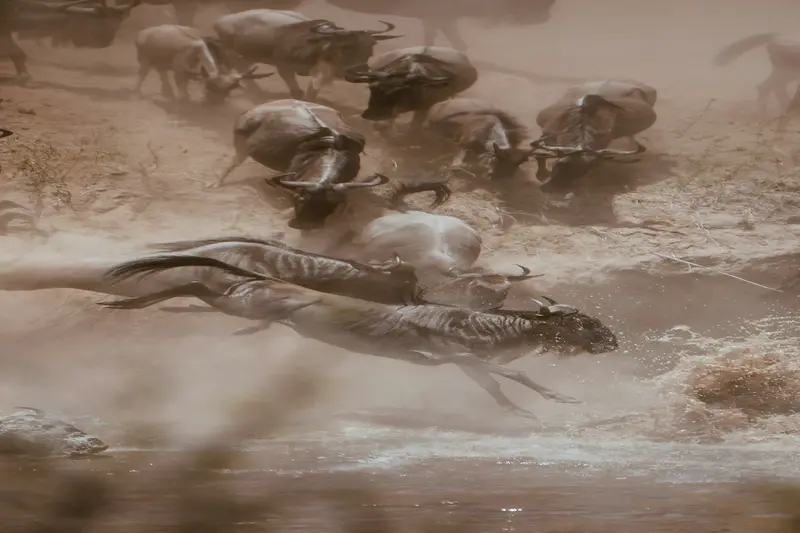
The Great Migration is a continuous movement influenced by rainfall. No tour operator can guarantee a river crossing or an exact herd location months in advance.
Step 2: Select the Right Safari Circuit
Northern Tanzania Safari Circuit
The northern circuit includes Serengeti, Tarangire, Lake Manyara, Arusha and the Ngorongoro Conservation Area.
Choose it for:
- The Great Migration
- Big cats
- A classic first safari
- Big Five possibilities
- Road-based itineraries from Arusha
- A wide selection of accommodation
Southern Tanzania Safari Circuit
The main southern parks include Nyerere, Ruaha, Mikumi and Udzungwa Mountains.
Choose it for:
- Fewer safari vehicles
- Boat and walking safaris
- Short trips from Dar es Salaam or Zanzibar
- Remote camps
- Repeat Tanzania safaris
Western Tanzania Safari Circuit
Katavi, Mahale Mountains and Gombe Stream are remote destinations normally reached by air.
Choose them for:
- Chimpanzee trekking
- Very low visitor numbers
- Lake Tanganyika
- Specialist wildlife journeys
- Longer and higher-budget trips
Step 3: Choose the Best Tanzania Parks
| Your Priority | Recommended Destination |
|---|---|
| Great Migration | Serengeti |
| Big cats | Serengeti or Ruaha |
| Black rhino possibility | Ngorongoro Crater |
| Elephants and baobabs | Tarangire |
| Boat safari | Nyerere |
| Short safari from Dar es Salaam | Mikumi |
| Short safari from Zanzibar | Nyerere or Serengeti fly-in |
| Chimpanzees | Mahale or Gombe |
| Hiking and waterfalls | Udzungwa |
| Fewer vehicles | Ruaha, Nyerere or Katavi |
| First safari | Serengeti, Ngorongoro and Tarangire |
Avoid visiting too many parks in a short period. Spending two or three nights in an important destination normally produces a better experience than changing accommodation every day.
Step 4: Decide How Many Days You Need
| Safari Length | Suitable Itinerary |
|---|---|
| 2 days | Mikumi or Tarangire and Ngorongoro |
| 3 days | Tarangire–Ngorongoro or fly-in Nyerere |
| 4 days | Serengeti and Ngorongoro |
| 5 days | Tarangire, Serengeti and Ngorongoro |
| 6–7 days | Relaxed northern circuit |
| 8–10 days | Extended northern or southern safari |
| 10–14 days | Safari and Zanzibar holiday |
The arrival and departure days should not automatically be counted as full safari days. International flights, airport procedures and possible delays can reduce available game-viewing time.
Step 5: Choose Your Accommodation Level
Budget Safari
Budget packages may use public campsites, basic lodges or accommodation outside the parks. They reduce costs but provide fewer facilities and may involve longer daily travel.
Mid-Range Safari
Mid-range safaris use comfortable lodges and permanent tented camps with private bathrooms, proper beds and full-board meals.
This level offers the best value for most travellers.
Luxury Safari
Luxury packages provide premium camps, prime locations, spacious suites, personalised dining and additional services.
| Feature | Budget | Mid-Range | Luxury |
|---|---|---|---|
| Room style | Basic room or tent | En-suite lodge or tented camp | Premium suite or boutique camp |
| Camp location | Often outside parks | Inside or near parks | Often in prime wildlife areas |
| Meals | Simple | Quality full-board meals | Premium and personalised dining |
| Service | Essential | Professional and comfortable | Highly personalised |
| Best for | Cost-conscious travellers | Most couples and families | Honeymoons and special occasions |
Ask for the exact lodge names before paying a deposit. The words “mid-range” and “luxury” can mean different things to different operators.
Step 6: Private or Group Safari?
| Private Safari | Shared Group Safari |
|---|---|
| Personal vehicle and guide | Vehicle shared with other travellers |
| Flexible daily schedule | Fixed itinerary |
| Wildlife stops based on your interests | Decisions made collectively |
| Suitable for couples and families | Useful for solo and budget travellers |
| Usually higher per-person cost | Costs shared among participants |
| More space and privacy | More social experience |
KiliPori Safaris specialises in personalised private Tanzania safaris, which are particularly suitable for families, honeymooners and photographers.
Step 7: Estimate Your Safari Budget
Safari prices depend on the season, number of travellers, accommodation, domestic flights and park fees.
The following figures are broad planning estimates rather than quotations:
| Safari Level | Approximate Cost Per Person Per Day |
|---|---|
| Budget or group safari | $250–$450 |
| Private mid-range safari | $400–$700 |
| Private luxury safari | $800–$1,500+ |
A solo private safari normally costs more because the traveller does not share the vehicle, fuel and guide expenses.
A complete quotation should show:
- Safari vehicle and fuel
- Driver-guide
- Park and conservation fees
- Accommodation
- Meals
- Drinking water
- Airport transfers
- Domestic flights
- Taxes
- Activities
- Exclusions
Step 8: Select the Right Starting Point
Arusha or Kilimanjaro
Choose Arusha or Kilimanjaro International Airport for:
- Serengeti
- Tarangire
- Ngorongoro
- Lake Manyara
- Kilimanjaro climbing
Dar es Salaam
Choose Dar es Salaam for:
- Mikumi
- Nyerere
- Udzungwa
- Southern circuit connections
- Zanzibar extensions
Zanzibar
Travellers staying in Zanzibar can fly directly to selected safari airstrips. Popular options include:
- Serengeti fly-in safari
- Nyerere fly-in safari
- Ruaha fly-in safari
- Mikumi fly-in safari, depending on schedules
Domestic flight schedules and baggage limits should be confirmed before finalising the itinerary.
Step 9: Plan Your Flights Correctly
Book international flights only after checking the safari starting and finishing points.
Useful airport codes include:
| Airport | Code | Best For |
|---|---|---|
| Kilimanjaro International Airport | JRO | Northern safaris and Kilimanjaro |
| Julius Nyerere International Airport | DAR | Southern Tanzania |
| Abeid Amani Karume International Airport | ZNZ | Zanzibar |
| Arusha Airport | ARK | Domestic safari flights |
Allow sufficient connection time between international and domestic flights. Dar es Salaam and Arusha may require transfers between different airports.
Step 10: Check Entry and Health Requirements
Travellers should confirm:
- Passport validity
- Tanzania visa requirements
- Yellow fever certificate rules
- Recommended vaccinations
- Malaria advice
- Travel insurance
- Zanzibar’s mandatory inbound insurance
- Medication documentation
The yellow fever vaccine is generally route-dependent. It may be required when arriving from or spending more than 12 hours transiting through a yellow fever risk country.
Zanzibar also requires foreign visitors to obtain its official inbound travel insurance, which is separate from a comprehensive international policy. Requirements can change, so verify them before departure through Tanzania Immigration and the official Zanzibar insurance portal.
Step 11: Choose a Reliable Tanzania Safari Operator
Before booking, verify:
- The operator’s legal business identity
- Current contact information
- Exact itinerary
- Accommodation names
- Vehicle arrangements
- Cancellation terms
- Payment schedule
- Included park fees
- Emergency support
- Recent independent reviews
Do not make payment based only on an attractive price. Extremely low quotations may exclude important fees, use distant accommodation or rely on unclear lodge arrangements.
KiliPori Safaris should provide a written itinerary and invoice showing all included and excluded services.
Best KiliPori Safaris Packages
1. Five-Day Classic Tanzania Safari
Route: Arusha – Tarangire – Serengeti – Ngorongoro – Arusha
Best for: First-time visitors with limited time.
This package visits the essential northern destinations but includes several substantial driving days.
2. Seven-Day Relaxed Northern Circuit Safari
Route: Arusha – Tarangire – Serengeti – Ngorongoro – Karatu
Best for: Couples, families and photographers.
This is the strongest general recommendation because it provides more time in Serengeti and reduces unnecessary rushing.
3. Ten-Day Safari and Zanzibar Holiday
Route: Tarangire – Serengeti – Ngorongoro – Zanzibar
Best for: Honeymoons, couples and first-time Tanzania holidays.
Spend approximately six days covering arrival and safari, followed by four or more nights in Zanzibar.
4. Three-Day Nyerere Fly-In Safari from Zanzibar
Route: Zanzibar – Nyerere – Zanzibar
Best for: Travellers who want a short safari during a beach holiday.
The itinerary may include game drives and a boat safari, depending on the selected camp.
5. Three-Day Mikumi Safari from Dar es Salaam
Route: Dar es Salaam – Mikumi – Dar es Salaam
Best for: Short stays and smaller budgets.
Road, SGR train and flight combinations can be considered according to availability.
6. Eight-Day Southern Tanzania Safari
Route: Dar es Salaam – Nyerere – Ruaha – Dar es Salaam or Zanzibar
Best for: Experienced safari travellers seeking fewer vehicles and remote camps.
Tanzania Safari Planning Timeline
| Time Before Travel | What to Do |
|---|---|
| 9–12 months | Choose dates, route and accommodation level |
| 6–9 months | Confirm safari and international flights |
| 3–6 months | Arrange domestic flights and travel insurance |
| 6–8 weeks | Consult a travel-health professional |
| 2–4 weeks | Confirm documents, luggage and final payments |
| 2–3 days | Download offline copies of all documents |
Peak-season lodges and migration camps can sell out earlier, particularly from July through October and during the festive season.
What to Pack for a Tanzania Safari
Bring:
- Neutral-coloured lightweight clothing
- Warm layer for early mornings
- Comfortable closed shoes
- Hat and sunscreen
- Insect repellent
- Binoculars
- Camera and spare batteries
- Power bank
- Personal medication
- Soft-sided luggage
- Travel documents
- Small amount of Tanzanian currency
Domestic safari flights often have strict baggage limits, so confirm the permitted weight and bag type.
Common Safari Planning Mistakes
Avoid:
- Visiting too many parks
- Booking flights before confirming the route
- Choosing accommodation without checking its location
- Planning only one night in Serengeti
- Comparing packages by price alone
- Ignoring road travel times
- Assuming every drink and activity is included
- Booking a migration safari in the wrong Serengeti region
- Travelling without suitable insurance
- Leaving entry requirements until the final week
Frequently Asked Questions
How far in advance should I plan a Tanzania safari?
Plan six to twelve months ahead. Book earlier for peak season, migration areas and family accommodation.
How many days are enough?
Five days covers the main northern parks, but seven days provides a better pace. Allow ten or more days when adding Zanzibar.
What is the best first-time itinerary?
Combine Tarangire, Serengeti and Ngorongoro on a five- to seven-day private safari.
Is a private safari worth the cost?
Yes, particularly for families, couples and photographers who value flexibility, privacy and control over the daily schedule.
Can KiliPori Safaris customise an itinerary?
Yes. KiliPori Safaris can adjust the parks, accommodation, activities and travel pace according to the client’s dates, budget and interests.
Final Planning Recommendation
Begin with your travel dates, trip length and arrival airport. For a first visit, choose the Seven-Day Relaxed Northern Circuit Safari covering Tarangire, Serengeti and Ngorongoro.
Add four or five nights in Zanzibar if you want a complete wildlife and beach holiday. Most importantly, request a detailed KiliPori Safaris quotation showing the exact accommodation, travel times, inclusions and exclusions before booking.

KiliPori Safaris Travel Team
A local Tanzania team helping travellers plan wildlife safaris, Kilimanjaro climbs and Zanzibar holidays with clear routing and direct destination support.
Published July 25, 2026. Travel conditions, fees and schedules can change; confirm time-sensitive details before departure.