Explore this guide
Our guides combine current planning research with practical knowledge from arranging safaris, Kilimanjaro climbs and Zanzibar holidays.
Tanzania Family Safari: A Practical Guide for Parents and Children
A Tanzania family safari gives parents and children an opportunity to see African wildlife together while learning about nature, conservation and the cultures of Tanzania. Lions resting under acacia trees, elephants walking beside the Tarangire River and giraffes crossing the open plains can turn a family holiday into a shared learning experience.
However, a successful safari with children requires more than selecting famous national parks. Families need an itinerary with manageable driving times, flexible game drives, suitable accommodation, appropriate meals and enough time to rest.
KiliPori Safaris creates private Tanzania family safari packages around each family’s travel dates, children’s ages, preferred comfort level and interests. A private safari vehicle also gives families greater control over stops, meal times and the daily pace.
This guide explains the best family safari destinations in Tanzania, suitable itinerary lengths, accommodation options, travel seasons, packing requirements and practical ways to make a safari enjoyable for both adults and children.
Is Tanzania Suitable for a Family Safari?
Yes, Tanzania is an excellent destination for a family safari. Its northern safari circuit combines several major wildlife areas within a route that can begin and end in Arusha.
Families can visit:
- Tarangire National Park
- Lake Manyara National Park
- Ngorongoro Crater
- Serengeti National Park
- Arusha National Park
A family holiday can also combine a wildlife safari with Zanzibar, where parents and children can rest by the Indian Ocean after several days of game drives.
Tanzania is especially suitable for families who want:
- Private game drives
- Big Five wildlife viewing
- The Serengeti Great Migration
- Elephant encounters in Tarangire
- Cultural experiences with local communities
- Family-friendly safari lodges
- A safari and beach holiday in one trip
- Educational activities based on wildlife and conservation
The right itinerary will depend on the age and interests of the children. A safari designed for teenagers can include longer drives and more destinations, while a family travelling with younger children may need shorter activities and more time at the lodge.
Why Choose a Private Tanzania Family Safari?
A private safari is generally more convenient for families than joining a shared group tour. Your vehicle and guide are reserved for your family, allowing the itinerary to respond to your children’s needs.
Benefits of a private Tanzania family safari include:
- Flexible departure times
- More control over the length of each game drive
- Stops for snacks, photographs and toilet breaks
- Space for family luggage and children’s equipment
- Freedom to focus on animals that interest your children
- The ability to return to the lodge when children become tired
- Personal attention from your driver-guide
- A route designed around your family rather than a fixed group schedule
With a shared safari, several unrelated travellers must agree on departure times and stops. A private safari removes this pressure and gives parents more control over the day.
Best Places for a Tanzania Family Safari
The best family safari destinations offer good wildlife viewing, comfortable accommodation and a realistic route. Not every family needs to visit every park.
| Destination | Why families enjoy it | Recommended stay |
|---|---|---|
| Tarangire National Park | Elephants, baobab trees, giraffes and varied wildlife | 1–2 nights |
| Lake Manyara National Park | Compact park, forest scenery, monkeys and birdlife | 1 night or day visit |
| Ngorongoro Crater | Concentrated wildlife viewing in a dramatic volcanic landscape | 1–2 nights |
| Serengeti National Park | Big cats, open plains and Great Migration experiences | 2–4 nights |
| Arusha National Park | Convenient first or final safari day near Arusha | Day trip |
| Lake Eyasi | Cultural experiences with local communities | 1–2 nights |
| Zanzibar | Beach time, swimming and relaxation after safari | 3–6 nights |
Tarangire National Park with Children
Tarangire is one of the best places to begin a Tanzania safari with children. It is known for its elephants, baobab trees and the Tarangire River, which attracts wildlife during the dry season.
The park can provide sightings of:
- Elephants
- Giraffes
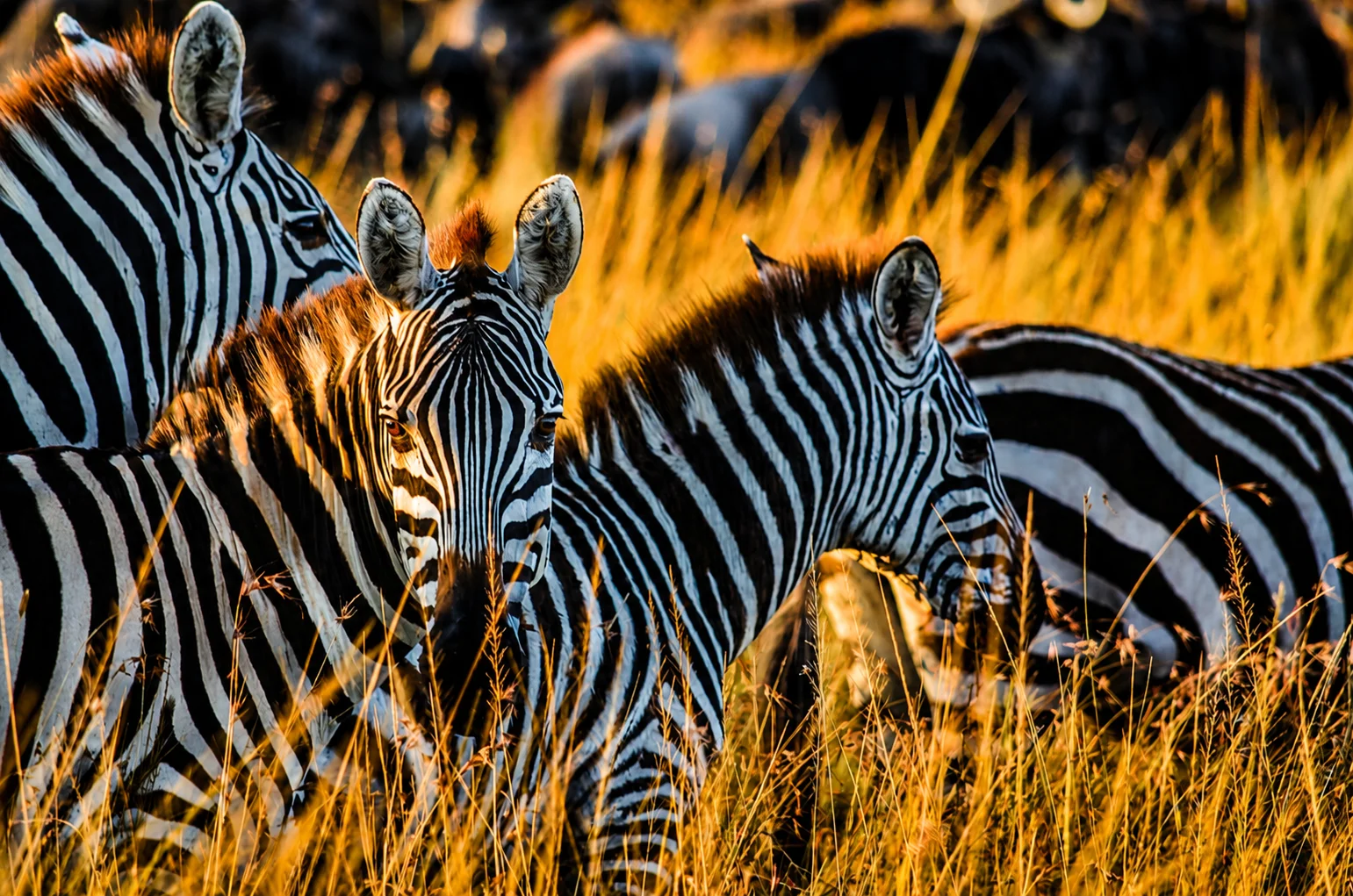
- Zebras
- Wildebeest
- Buffaloes
- Lions
- Warthogs
- Baboons and vervet monkeys
Tarangire is approximately 120 kilometres southwest of Arusha, making it easier to include near the beginning or end of a northern Tanzania family safari.
Families can spend one or two nights near the park. Two nights provide more time for wildlife viewing without making the children spend every day changing accommodation.
Ngorongoro Crater Family Safari
The Ngorongoro Crater is one of Tanzania’s most rewarding wildlife destinations for families. The crater is approximately 20 kilometres across and about 600 metres deep, creating a distinctive setting for a game drive.
Wildlife commonly seen in the wider crater ecosystem includes:
- Lions
- Elephants
- Buffaloes
- Zebras
- Wildebeest
- Hippos
- Hyenas
- Gazelles
- Black rhinoceroses, although sightings are never guaranteed
The crater floor can provide a wide variety of sightings during one game drive. This makes it valuable for families with limited safari time.
Accommodation is available around Karatu and along the Ngorongoro Crater rim. Karatu often provides more accommodation choices, while crater-rim properties can reduce the distance to the descent road but may cost more.
Serengeti Family Safari
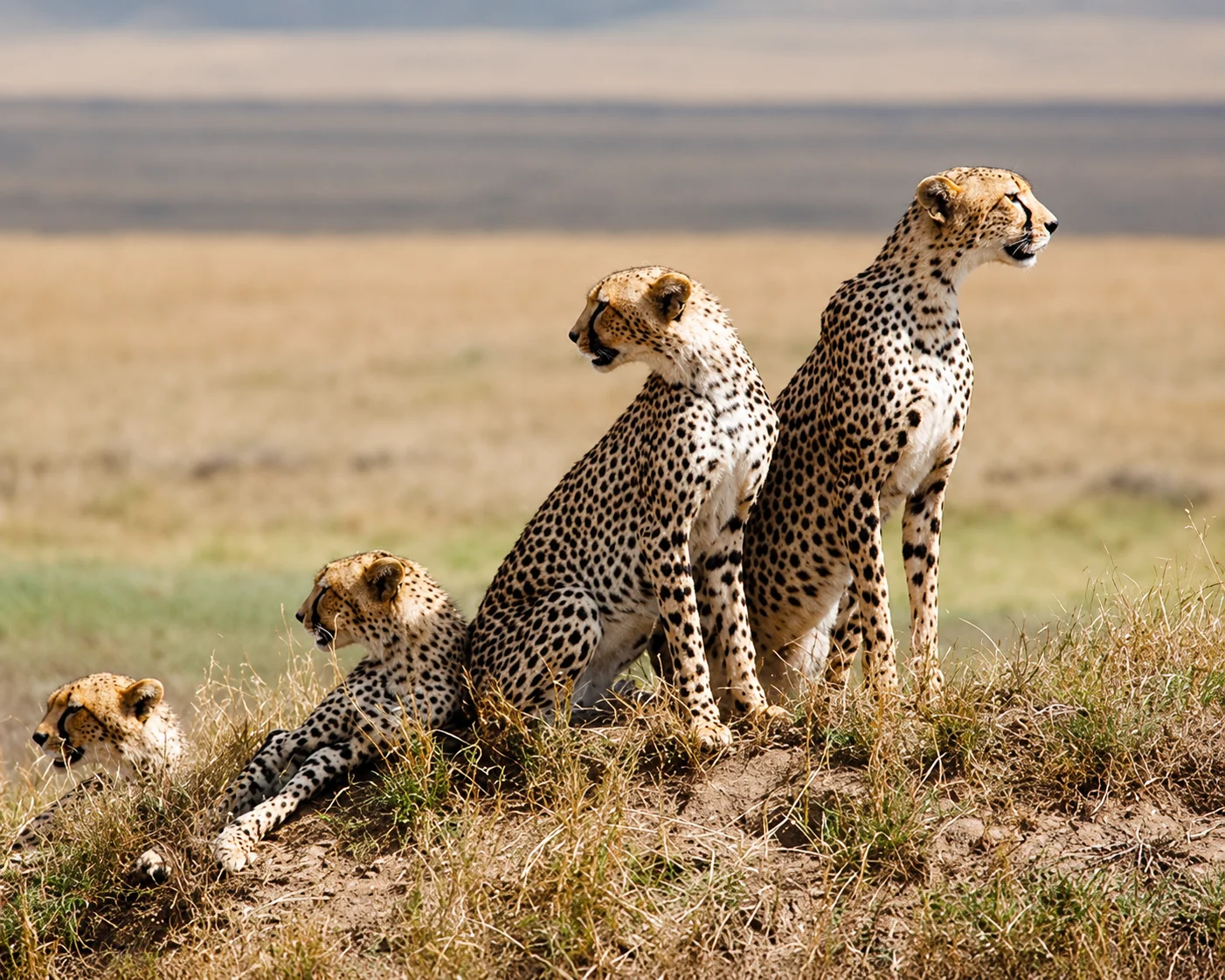
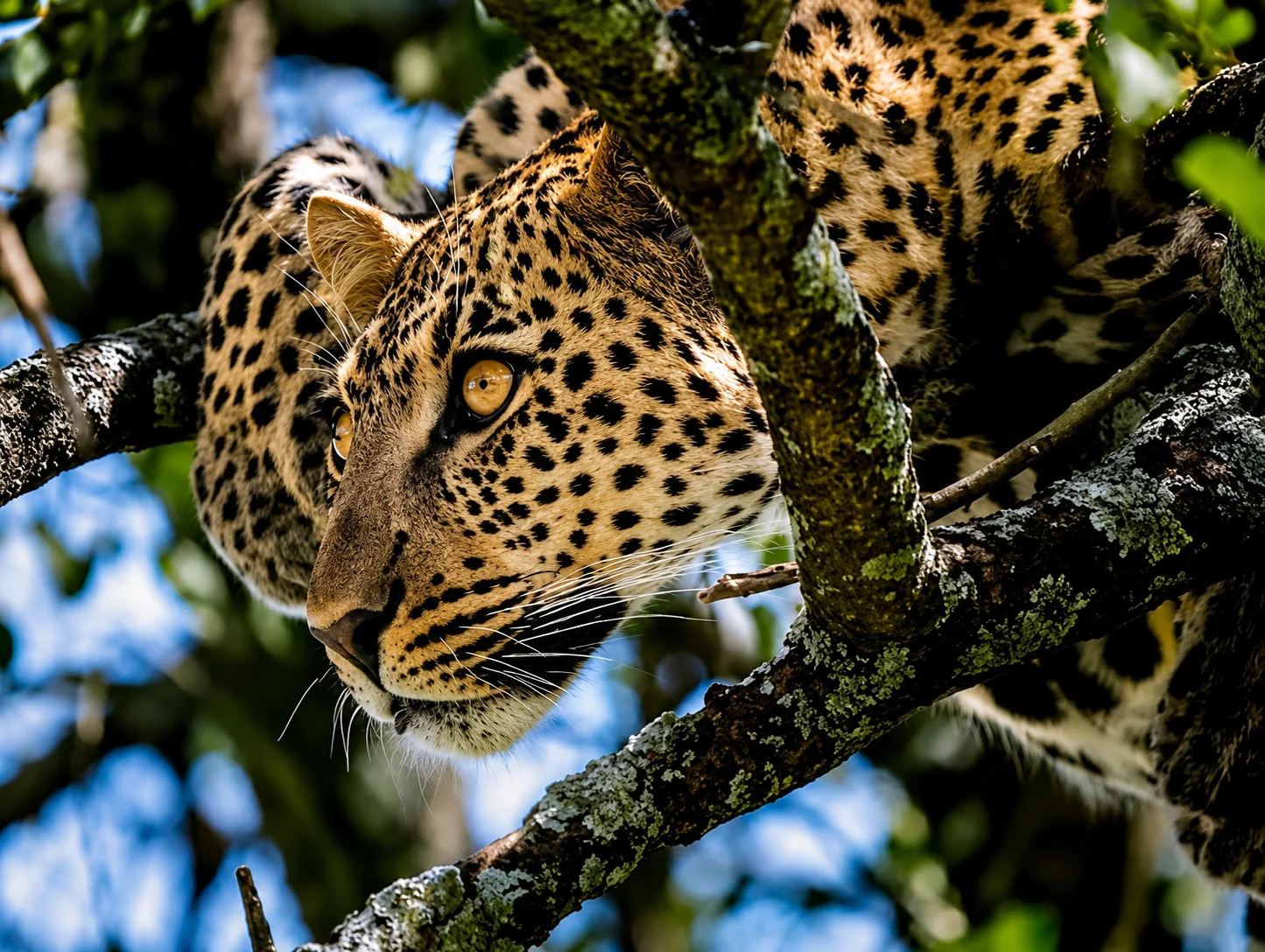
The Serengeti is often the main destination in a Tanzania family safari itinerary. Its plains support lions, cheetahs, leopards, elephants, giraffes, hyenas, zebras and large herds of wildebeest.
Children may enjoy learning how different animals behave:
- Lions live and hunt in social groups called prides.
- Cheetahs use open ground when searching for prey.
- Giraffes use their height to feed and watch for danger.
- Hyenas communicate through several calls and body signals.
- Elephants maintain strong family relationships.
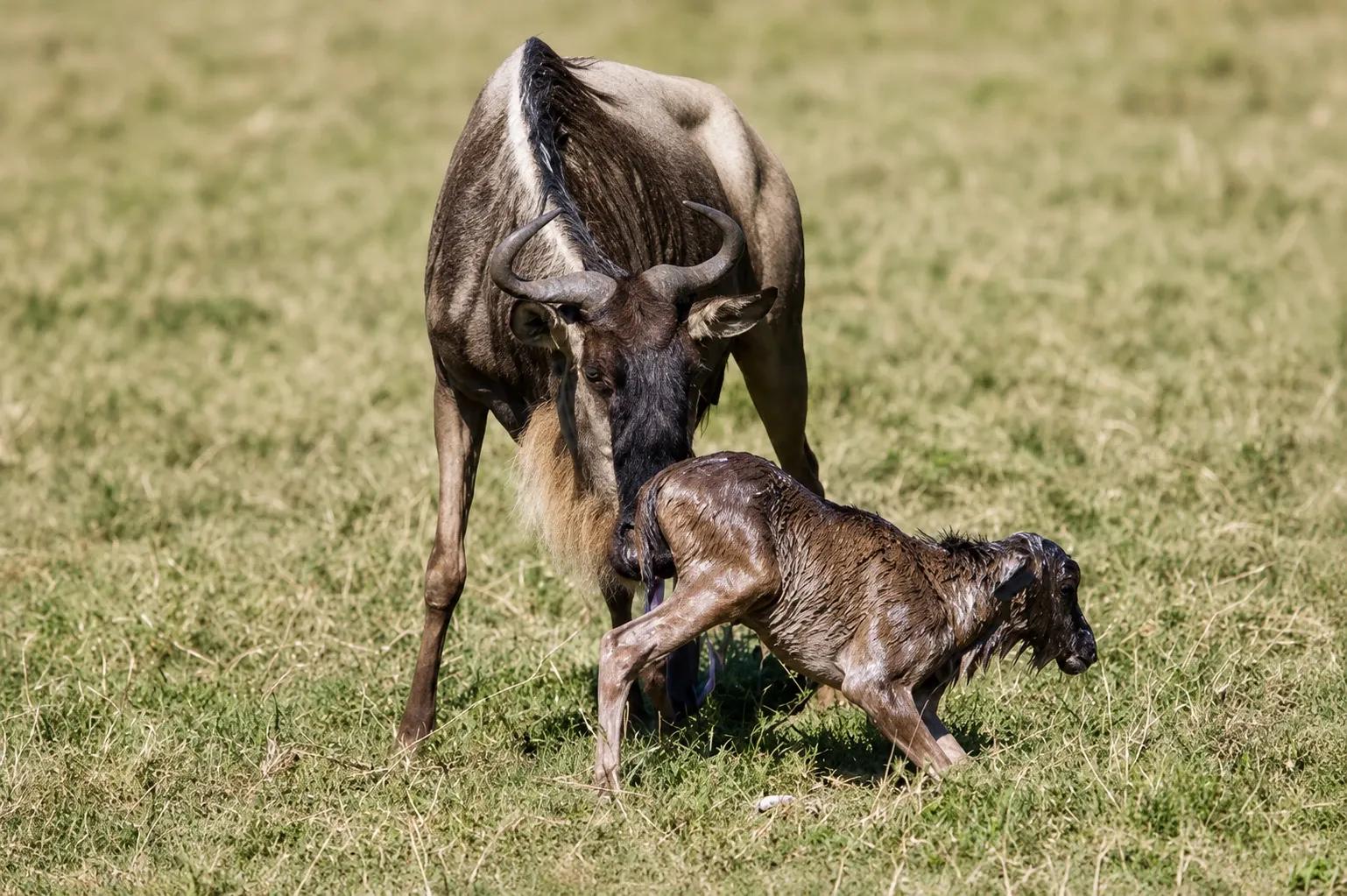
- Wildebeest move in response to grazing and water conditions.
The Great Migration takes place within the wider Serengeti–Mara ecosystem throughout the year. Its location changes with rainfall and grazing conditions, so no ethical safari operator should guarantee a river crossing, hunt or particular wildlife event.
Families should normally spend at least two or three nights in the Serengeti. A single-night visit can create long driving days and limited time for relaxed wildlife viewing.
Lake Manyara National Park for Families
Lake Manyara can be included between Arusha, Tarangire and the Ngorongoro highlands. Its compact size makes it practical for a shorter game drive.
The park is known for its groundwater forest, Rift Valley escarpment, monkeys, elephants, giraffes and varied birdlife. Wildlife sightings depend on the season and location, but its changing habitats give children an opportunity to compare forest, woodland and lakeside environments.
Lake Manyara may suit families who:
- Want a shorter game-drive day
- Are travelling with younger children
- Enjoy birds and forest scenery
- Want to break up the journey toward Ngorongoro
- Prefer a varied itinerary rather than spending every day on open plains
How Old Should Children Be for a Tanzania Safari?
There is no single ideal age for a family safari. The right age depends on the child’s patience, interests, health and ability to manage drives on unpaved roads.
| Child’s age | Safari planning considerations |
|---|---|
| Under 5 years | Choose short drives, limited park changes and accommodation with flexible meal times |
| 5–8 years | Include animal identification, frequent breaks and time to use lodge facilities |
| 9–12 years | Children may enjoy longer game drives, photography and wildlife guidebooks |
| 13–17 years | Teenagers can often manage longer itineraries and participate in more age-appropriate activities |
Some lodges, walking safaris, balloon safaris and specialist activities have minimum-age policies. These rules vary between properties and activity providers.
KiliPori Safaris checks age restrictions before confirming a family itinerary. Parents should provide the exact age of every child at the time of inquiry.
How Many Days Are Best for a Tanzania Family Safari?
A family safari should be long enough to see several habitats without becoming a rushed sequence of long drives and hotel changes.
| Safari duration | Suitable itinerary |
|---|---|
| 3 days | Tarangire, Ngorongoro Crater and Lake Manyara |
| 4 days | Tarangire, Serengeti and Ngorongoro Crater |
| 5 days | Tarangire, Serengeti and Ngorongoro with a more balanced pace |
| 6 days | Tarangire, Central Serengeti and Ngorongoro |
| 7 days | Tarangire, Serengeti and Ngorongoro with additional rest time |
| 8–10 days | Extended Serengeti safari, cultural activities or slower family travel |
| 10–14 days | Tanzania family safari combined with Zanzibar |
For most first-time visitors, a six- or seven-day private family safari provides a good balance between wildlife viewing, driving time and relaxation.
Sample Seven-Day Tanzania Family Safari Itinerary
This sample itinerary is designed to reduce unnecessary backtracking while giving families enough time in Tanzania’s major northern safari destinations.
| Day | Destination | Family safari experience |
|---|---|---|
| 1 | Arrival in Arusha | Airport pickup, hotel check-in and safari briefing |
| 2 | Tarangire National Park | Elephants, baobab trees and family game drive |
| 3 | Tarangire to Serengeti | Scenic journey through the Ngorongoro highlands |
| 4 | Central Serengeti | Morning and afternoon wildlife viewing |
| 5 | Central Serengeti | Flexible family game drive and lodge relaxation |
| 6 | Serengeti to Ngorongoro | Wildlife viewing followed by travel to the crater area |
| 7 | Ngorongoro Crater | Crater game drive and return to Arusha |
This itinerary can be adjusted according to the children’s ages, travel month and preferred accommodation category.
Families who want to reduce road travel can add a scheduled flight between Arusha, Zanzibar and the Serengeti. Flight schedules, baggage allowances and child fares should be confirmed before booking.
When Is the Best Time for a Tanzania Family Safari?
Tanzania offers safari experiences throughout the year, but school holidays, wildlife interests and weather conditions can affect the best travel period for each family.
| Travel period | Conditions | Family safari experience |
|---|---|---|
| January–March | Generally warm, with seasonal rain possible | Southern Serengeti and Ndutu calving-season travel |
| April–May | Main rainy period in much of northern Tanzania | Green scenery, fewer visitors and possible road disruption |
| June–October | Predominantly dry season | Popular family travel period with strong general wildlife viewing |
| November–December | Short rains may occur | Green landscapes, returning migratory herds and fewer visitors in some areas |
June to October
The dry season is popular for Tanzania family safaris. Vegetation is generally less dense, and wildlife gathers around available water sources in destinations such as Tarangire.
This period also overlaps with school holidays in many countries, so family rooms and larger accommodation units can sell out early.
January to March
January through March can be particularly attractive for families interested in the Ndutu calving season in the southern Serengeti ecosystem. Large herds may gather across the region, although their precise location depends on rainfall and grazing conditions.
April and May
The main rainy season brings greener landscapes and fewer visitors to many safari areas. Some camps close temporarily, and unpaved roads may become more challenging.
Families considering these months should use an itinerary and accommodation plan appropriate for seasonal conditions.
November and December
The short-rain period can bring fresh grass and dramatic skies. Rainfall often occurs in showers rather than continuously, but weather patterns cannot be guaranteed.
What Type of Accommodation Is Best for Families?
Tanzania offers several accommodation categories, including lodges, permanent tented camps, mobile camps and public camping.
Families should consider more than the room price. Important questions include:
- Does the property have family rooms?
- Are the children’s beds in the same unit?
- Are the rooms connected?
- How far is the family room from the restaurant?
- Is the camp fenced or unfenced?
- Are children allowed in all communal areas?
- Can the kitchen provide child-friendly meals?
- Is there a swimming pool?
- What supervision rules apply around wildlife?
- Does the property have electricity throughout the night?
Family Lodges
Safari lodges may provide family rooms, solid walls, swimming pools and larger communal areas. They can work well for families with younger children.
Tented Safari Camps
Tented camps offer a close connection to the natural environment. Many have private bathrooms and comfortable beds, but parents should understand that animals can pass through unfenced camps.
Children must follow staff instructions and should never walk around an unfenced property without an authorised escort, particularly after dark.
Private Villas and Family Suites
Private villas and multi-room family suites offer more space and privacy. They may be suitable for larger families or multigenerational groups, but they usually cost more than standard rooms.
How to Keep Children Interested During Game Drives
Young travellers may not remain interested in a long search for a distant animal. A good family driver-guide turns the game drive into an active learning experience.
Children can be encouraged to:
- Keep a list of animals they identify
- Use a child-friendly wildlife guidebook
- Draw animals during quiet periods
- Learn basic Swahili animal names
- Photograph tracks and landscapes
- Compare herbivores, carnivores and omnivores
- Look for birds, insects and smaller animals
- Ask the guide questions about animal behaviour
Parents can also bring binoculars sized for children. A child who has their own binoculars and wildlife checklist may feel more involved in the safari.
Useful Swahili Wildlife Words for Children
| English | Swahili |
|---|---|
| Lion | Simba |
| Elephant | Tembo |
| Giraffe | Twiga |
| Buffalo | Nyati |
| Leopard | Chui |
| Rhinoceros | Kifaru |
| Zebra | Pundamilia |
| Wildebeest | Nyumbu |
| Bird | Ndege |
| Welcome | Karibu |
| Thank you | Asante |
Learning a few Swahili words can help children connect with their guide and remember their Tanzania family holiday.
What Should You Pack for a Family Safari in Tanzania?
Family safari luggage should be practical without being excessive. Domestic flights may apply lower baggage limits than international airlines, so confirm the allowance for every flight.
Recommended items include:
- Lightweight neutral-coloured clothes
- Warm layers for early mornings and evenings
- Comfortable closed shoes
- Sun hats
- Sunglasses
- High-SPF sunscreen
- Refillable water bottles
- Small binoculars
- Camera and spare batteries
- Personal medication
- Basic first-aid supplies
- Insect repellent
- Wet wipes and hand sanitiser
- Children’s snacks for transfers
- Books, drawing materials or quiet travel games
- Copies of passports and travel documents
Avoid dressing children entirely in camouflage clothing because some countries restrict military-style camouflage. Bright colours are not prohibited on ordinary game drives, but neutral clothing is more practical for dust and outdoor activities.
Health and Safety on a Tanzania Family Safari
Parents should discuss their travel plans with a qualified medical professional or travel-health clinic well before departure. Medical recommendations depend on the family’s health history, age, itinerary and country of residence.
Practical family safari precautions include:
- Drink safe water supplied by your lodge or safari team.
- Use sun protection even on cloudy days.
- Follow your guide’s instructions around wildlife.
- Never allow children to leave the vehicle without permission.
- Do not feed wild animals.
- Keep hands and heads inside the vehicle when instructed.
- Use an authorised escort at unfenced camps.
- Tell your guide about allergies or dietary requirements.
- Keep essential medication in your hand luggage.
- Purchase travel insurance suitable for your activities.
Families requiring a child car seat or booster seat should request it before confirming the safari. Availability and designs can differ from those commonly used in the family’s home country.
What Determines the Cost of a Tanzania Family Safari?
The cost of a Tanzania family safari varies according to the itinerary, travel season and accommodation standard.
The main cost factors are:
- Number of safari days
- Number of adults and children
- Ages of the children
- Travel season
- Accommodation category
- Number of rooms required
- Private vehicle and guide costs
- National park and conservation fees
- Domestic flights
- Airport transfers
- Extra activities
- Zanzibar beach extension
Some national parks and lodges provide reduced rates for children within specified age groups. Child policies are not identical across every park, lodge or airline, so an accurate quotation requires the age of each child.
A family of four sharing suitable rooms may have a different per-person price from a family requiring two separate rooms. Providing complete information allows KiliPori Safaris to prepare a transparent quotation.
How to Make a Tanzania Family Safari More Affordable
A family safari can be planned carefully without removing the experiences that matter most.
Consider these options:
- Travel outside the busiest weeks of the high season.
- Select comfortable midrange lodges rather than luxury properties.
- Spend more nights in fewer destinations.
- Avoid unnecessary domestic flights.
- Use family rooms where appropriate.
- Focus on the northern circuit rather than combining distant safari regions.
- Book early when travelling during school holidays.
- Tell your safari planner your preferred budget from the beginning.
The cheapest itinerary is not always the best value. An extremely short safari may involve long drives, frequent accommodation changes and limited time inside the parks.
Tanzania Family Safari and Zanzibar Holiday
Combining a Tanzania family safari with Zanzibar gives children and parents time to relax after several days of early starts and game drives.
A common family itinerary includes:
- Six or seven days in Tarangire, Serengeti and Ngorongoro
- A flight from Arusha or the Serengeti to Zanzibar
- Four or five nights on the Zanzibar coast
- A Stone Town or spice-farm experience
- Beach time and age-appropriate water activities
The best Zanzibar hotel depends on the children’s ages, preferred beach area, meal plan and interest in swimming. Tide conditions differ around the island, so families should choose their beach location carefully.
Why Book Your Family Safari with KiliPori Safaris?
KiliPori Safaris is a local Tanzania tour operator that plans family journeys according to the people travelling rather than using one fixed itinerary for everyone.
Our family safari planning can include:
- A private safari vehicle
- A professional Tanzania driver-guide
- Age-appropriate itinerary design
- Family-room selection
- Airport transfers
- National park arrangements
- Dietary-request coordination
- Safari and Zanzibar combinations
- Fly-in family safari options
- Direct local communication before and during the trip
We consider the children’s ages, the amount of driving, accommodation layout and opportunities to rest. This creates a more balanced experience for the entire family.
Frequently Asked Questions About Tanzania Family Safaris
Is Tanzania safe for a family safari?
Tanzania is a well-established safari destination. Families should travel with a reputable local operator, follow their guide’s instructions and use appropriate travel-health and insurance precautions.
What is the best age for children to go on safari?
There is no universal minimum age for an ordinary vehicle safari. Children aged six and above may find it easier to manage longer drives, but younger children can travel successfully with a slower private itinerary.
Can toddlers go on a Tanzania safari?
Yes, but the itinerary should include short game drives, flexible meal times and family-friendly accommodation. Parents should also confirm age restrictions for individual lodges and activities.
How many days should a family safari last?
Six or seven days is suitable for many first-time families visiting Tarangire, Serengeti and Ngorongoro. Families with younger children may prefer fewer destinations and consecutive nights at the same lodge.
Is Serengeti suitable for children?
Yes. The Serengeti provides wildlife viewing and educational opportunities for children. Families should allow enough time in the park to avoid turning the visit into a rushed overnight journey.
Can children see the Big Five in Tanzania?
Tanzania supports all members of the Big Five: lion, leopard, elephant, buffalo and rhinoceros. However, wildlife moves freely, and sightings of every species cannot be guaranteed.
Are child car seats available in safari vehicles?
They may be available when requested in advance, but availability and specifications vary. Parents should discuss their requirements before booking.
Are Tanzania family safaris private?
KiliPori Safaris can arrange a completely private safari with a dedicated vehicle and guide. This provides greater flexibility than a shared departure.
Can dietary requirements be accommodated?
Many safari lodges can accommodate common dietary requirements when notified early. Families should provide detailed information about allergies, intolerances and meal preferences before arrival.
Can we combine a family safari with Zanzibar?
Yes. A safari and Zanzibar combination is one of Tanzania’s most suitable family holiday options. Domestic flights connect the northern safari circuit with Zanzibar.
Plan Your Private Tanzania Family Safari with KiliPori Safaris
The best Tanzania family safari is not necessarily the itinerary with the most parks. It is the one that gives your family meaningful wildlife experiences without exhausting the children or rushing between destinations.
KiliPori Safaris can create a personalised family itinerary covering Tarangire, Serengeti, Ngorongoro Crater, Lake Manyara and Zanzibar. Tell us your travel dates, children’s ages, number of days and preferred accommodation level, and our local team will recommend a suitable route.
Anything you would like to ask about travelling in Tanzania with children? Chat with KiliPori Safaris on WhatsApp: +255 755 287 311.
Written by the KiliPori Safaris Tanzania Family Safari Team
Local specialists in private Tanzania safaris, family holidays, Kilimanjaro climbs and Zanzibar extensions.

KiliPori Safaris Travel Team
A local Tanzania team helping travellers plan wildlife safaris, Kilimanjaro climbs and Zanzibar holidays with clear routing and direct destination support.
Published August 3, 2026. Travel conditions, fees and schedules can change; confirm time-sensitive details before departure.