Explore this guide
Our guides combine current planning research with practical knowledge from arranging safaris, Kilimanjaro climbs and Zanzibar holidays.
Quick Answer:
What Is the Ndutu Calving Season?
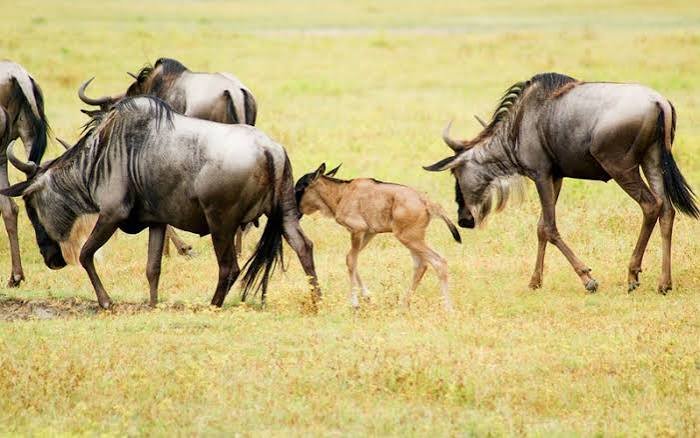
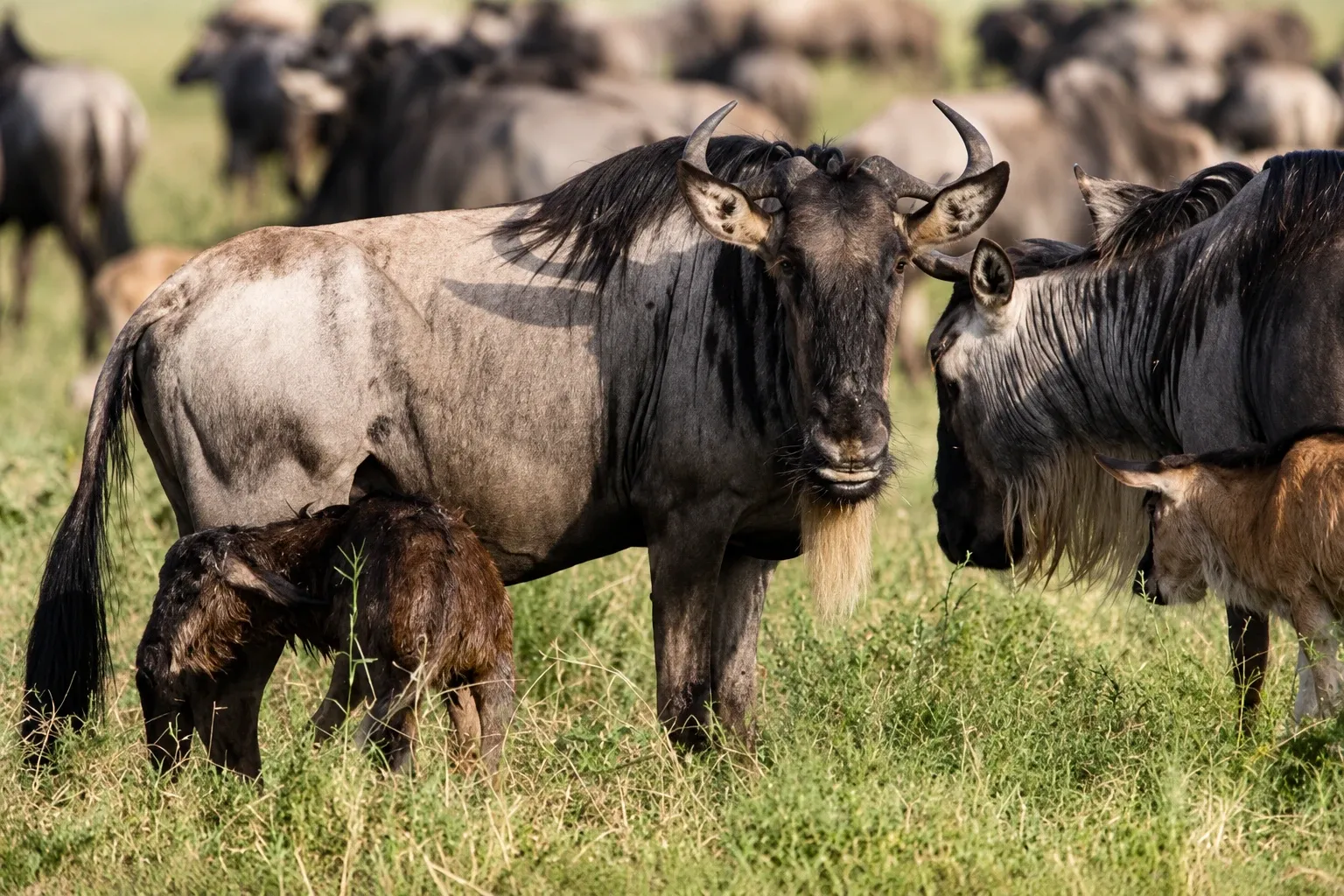
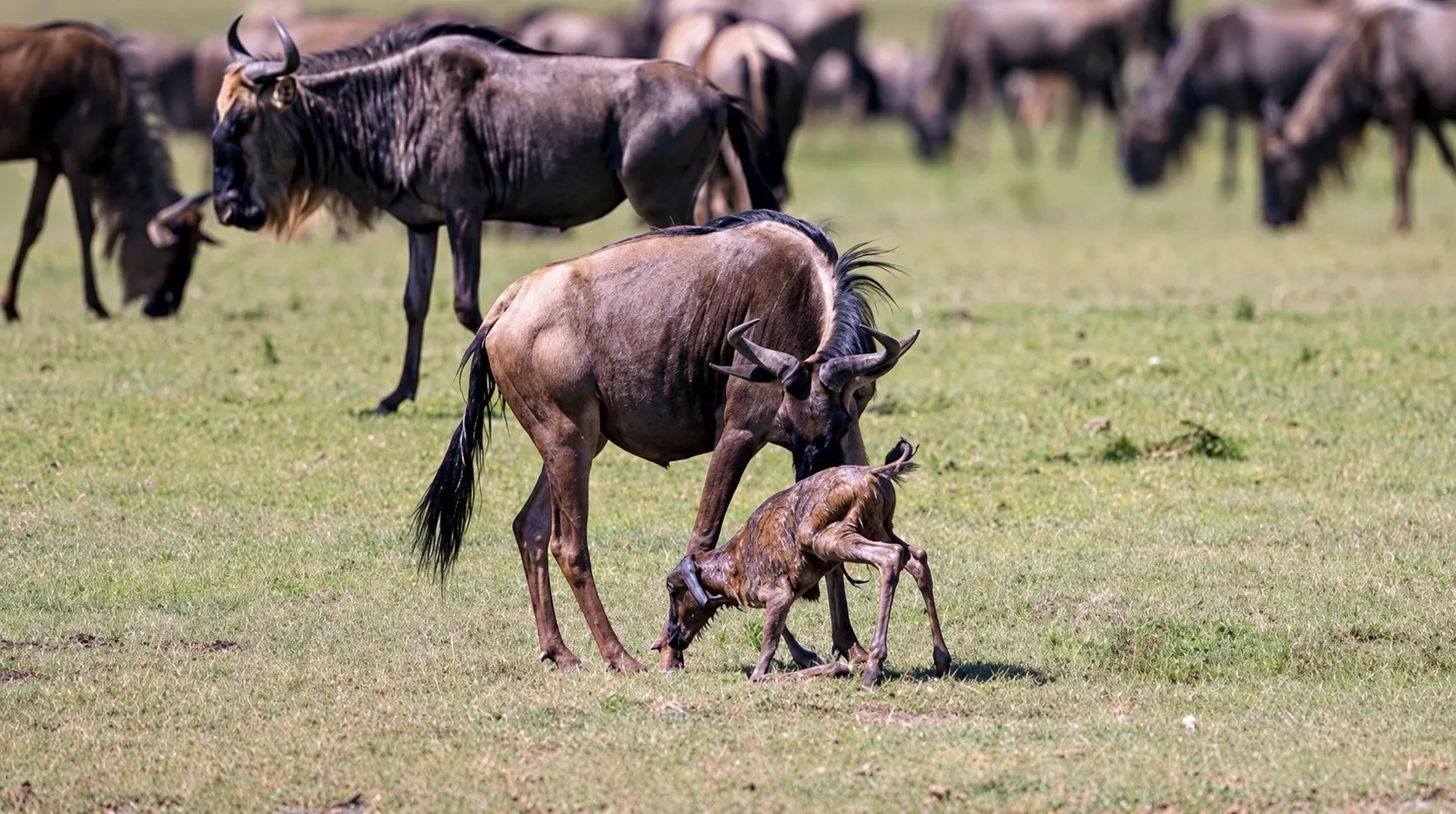
The Ndutu calving season is the period when large numbers of wildebeest give birth across the Ndutu plains and surrounding Southern Serengeti ecosystem. It generally takes place during the green season, with January, February and March being the main months travellers consider when planning a calving-season safari.
Ndutu is particularly important during this period because the short-grass plains provide feeding areas for large herbivore herds, while predators are also active around the concentrations of young animals.
If your main goal is to experience the calving season, February is commonly a strong month to consider, but conditions vary from year to year. The exact timing of births, rainfall and animal movements cannot be guaranteed.
What Makes Ndutu Calving Season Special?
The attraction of Ndutu during calving season is not simply the number of animals. It is the combination of large herbivore concentrations, newborn animals, predator activity and the open landscape.
Wildebeest are the main species associated with the calving event, but zebra, gazelles and other plains wildlife are also present.
Predators such as lions, cheetahs and hyenas are naturally attracted to areas where vulnerable young animals are concentrated. This creates interesting opportunities for wildlife observation, although sightings remain unpredictable.
For photographers, the season can also provide opportunities to photograph newborn wildlife, predator behaviour, large herds and dramatic landscapes.
When Is the Ndutu Calving Season?
The main calving period is generally associated with January through March.
Ndutu in January
January can offer green landscapes and increasing concentrations of wildlife as the calving season develops.
It can be a good option for travellers who want to combine the early part of the green-season experience with relatively flexible safari planning.
Ndutu in February
February is widely considered a key month for planning a Ndutu calving-season safari.
Large numbers of wildebeest may be concentrated in the area, and births can occur frequently during favourable conditions.
However, the exact location of herds changes, so choosing accommodation and safari logistics that allow you to spend several days in the area can be more useful than trying to predict a particular day of wildlife movement.
Ndutu in March
March can still provide excellent calving-season opportunities, although rainfall patterns and wildlife movements become increasingly important.
Travellers visiting later in the season should remain flexible because the distribution of animals can change as conditions change.
How Many Days Do You Need in Ndutu?
For a focused Ndutu calving-season safari, 3 days is a practical starting point.
A 3-day safari gives you enough time for multiple game drives rather than relying on a single wildlife-viewing period.
If your schedule allows, 4 or 5 days gives you greater flexibility. You can spend more time searching different areas, adjust game drives according to weather and wildlife activity, and reduce the pressure to see everything in one day.
For photographers and serious wildlife enthusiasts, additional days can be particularly useful because animal behaviour cannot be scheduled.
What Animals Can You See During Ndutu Calving Season?
Ndutu is known for its concentration of plains wildlife during the calving period.
Potential sightings include:
- Wildebeest
- Zebra
- Thomson's gazelle
- Grant's gazelle
- Giraffe
- Buffalo
- Elephant
- Lion
- Cheetah
- Leopard
- Hyena
- Jackal
- Ostrich
- Secretary bird
- Numerous smaller mammals and bird species
The most important point is that wildlife sightings remain wild and unpredictable. No responsible safari operator can guarantee a particular animal or behaviour.
Why Are Predators Active During Calving Season?
Newborn animals create natural feeding opportunities for predators.
Lions, cheetahs, hyenas and other predators may spend time around areas where large numbers of herbivores are giving birth.
This does not mean that every game drive will produce a predator encounter. Rather, the concentration of prey increases the ecological importance of the area and creates favourable conditions for predator activity.
For travellers, this is one reason why spending several days in Ndutu can be more rewarding than making only a short visit.
What Is the Great Migration Connection to Ndutu?
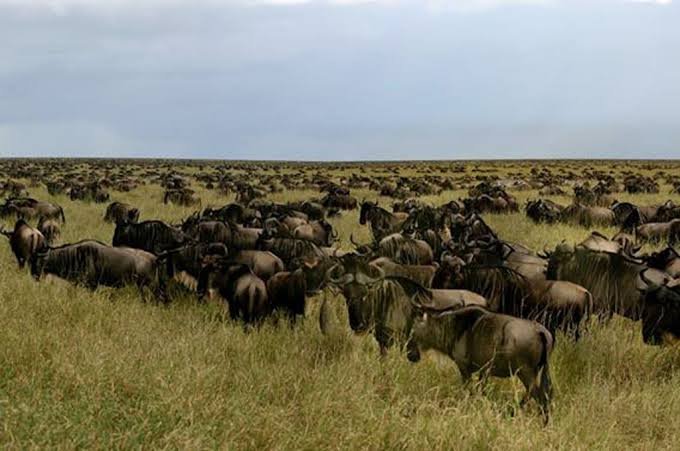
Ndutu is part of the wider ecosystem used by migrating wildebeest and other herbivores.
During the calving period, large herds move through the Southern Serengeti and Ngorongoro Conservation Area landscape in response to food and water availability.
This is why Ndutu is often included in Tanzania migration itineraries. However, the migration is not a single stationary event. Herd locations change according to environmental conditions.
A good safari plan therefore focuses on spending enough time in the right ecosystem rather than promising that the herds will be in one exact location on a particular date.
Where Is Ndutu?
Ndutu lies in the Southern Serengeti ecosystem, close to the boundary between the Serengeti National Park and the Ngorongoro Conservation Area.
This location makes Ndutu particularly useful for safari itineraries combining Southern Serengeti wildlife with other Northern Tanzania destinations.
Its location also means that accommodation and access arrangements should be planned carefully, especially during the busy calving season.
How Do You Get to Ndutu?
There are two main options: driving and flying.
Driving to Ndutu
Driving from Arusha generally takes around 6–8 hours depending on the route, road conditions, stops and the exact accommodation location.
Driving works particularly well for travellers combining Ndutu with Tarangire, Ngorongoro or other Northern Circuit destinations.
Flying to Ndutu
Safari flights can significantly reduce transfer time. Flights from Arusha to the Ndutu area can take approximately 50 minutes in suitable operating conditions, although actual routing and schedules depend on the airline and season.
Flying is especially useful for short safaris or travellers connecting Ndutu with Zanzibar.
For current flight schedules and baggage requirements, always confirm the details for your travel dates.
What Accommodation Is Available in Ndutu?
Accommodation around Ndutu includes seasonal camps, permanent camps and safari lodges, depending on the location and time of year.
During the calving season, accommodation can become highly requested because many travellers specifically target January, February and March.
When choosing accommodation, consider more than the room itself.
Look at:
- Location relative to the areas you want to explore
- Number of nights available
- Meal arrangements
- Game-drive logistics
- Access from the airstrip
- Private or shared safari arrangements
- Seasonal rates
- Availability during your travel dates
For a focused calving-season safari, staying in or close to the Ndutu area can reduce unnecessary daily transfers.
How Much Does a Ndutu Calving Season Safari Cost?
Ndutu safari prices vary according to accommodation level, number of days, group size, private or shared arrangements, transport and travel dates.
As a practical planning range, a 3-day Ndutu safari can start around US$880–1,200 per person for budget arrangements, while mid-range and luxury options can be considerably higher.
A longer safari normally costs more because it includes additional accommodation, meals, game drives and other safari-related expenses.
For an accurate quotation, compare the complete package rather than looking only at the accommodation or vehicle price.
Is Ndutu Expensive During Calving Season?
Calving-season travel can be more expensive than travelling during some other periods because demand for accommodation and safari services can be high.
The final price depends on:
- Accommodation category
- Number of safari days
- Private or shared safari
- Number of travellers
- Vehicle arrangement
- Park and conservation fees
- Flight or road transport
- Travel dates
- Additional destinations
Booking early can provide more accommodation choices, particularly when you have fixed February dates.
What Should You Pack for a Ndutu Calving Season Safari?
Ndutu can have cool mornings, warmer daytime temperatures and occasional rain during the green season.
A practical packing list includes:
- Lightweight trousers
- T-shirts
- Long-sleeved shirts
- Fleece or light jacket
- Lightweight rain jacket
- Comfortable closed shoes
- Sun hat
- Sunglasses
- Sunscreen
- Insect repellent
- Personal medication
- Camera equipment
- Binoculars
- Spare batteries
- Memory cards
- Small day bag
Dress in layers for early morning game drives because temperatures can be noticeably cooler before sunrise.
If flying on a safari aircraft, check the airline's current baggage allowance before packing.
Is Ndutu Good for Photography?
Yes. The combination of open plains, large herds, newborn animals and predator activity can provide strong wildlife photography opportunities.
A telephoto lens is useful for distant animals, while a standard or wide lens can help with landscapes and larger herds.
Photographers should also carry spare batteries and memory cards because charging opportunities in safari camps can vary.
A private vehicle can be particularly useful for photographers because it provides greater flexibility around game-drive timing and positioning.
Private vs Shared Ndutu Safari
A private safari gives your group its own safari vehicle and guide.
This can provide greater flexibility over departure times, game-drive duration and itinerary adjustments.
A shared safari can reduce the cost per person, but you normally have less control over the daily schedule because the itinerary is shared with other travellers.
For photographers, couples seeking privacy and travellers with specific flight connections, a private safari can make itinerary planning easier.
Can You Combine Ndutu With Ngorongoro?
Yes.
Ndutu can be combined with the Ngorongoro Conservation Area in a Northern Tanzania itinerary.
However, Ndutu and the Ngorongoro Crater are different experiences. If your itinerary includes a crater visit, this needs to be planned separately from simply travelling through or staying within the wider Ngorongoro Conservation Area.
A well-designed itinerary can combine Ndutu with Ngorongoro, Tarangire, Central Serengeti or other destinations depending on the number of days available.
Can You Combine Ndutu With Zanzibar?
Yes.
Ndutu can be combined with Zanzibar, particularly when using flights to reduce unnecessary road transfers.
A common structure is:
Arusha - Ndutu - safari - flight toward Zanzibar
The exact connection depends on the available safari-flight schedule, routing and travel dates.
If you have a fixed Zanzibar flight or hotel booking, build the safari around the connection rather than assuming that every flight operates every day.
How Far in Advance Should You Book Ndutu?
For peak calving-season dates, early planning is useful.
If you want specific accommodation, a private vehicle or fixed February dates, consider planning several months ahead.
Earlier booking becomes particularly important when combining:
- Preferred Ndutu accommodation
- Private safari vehicle
- Safari flights
- Zanzibar flights
- Specific travel dates
- Photography requirements
Last-minute arrangements may still be possible, but flexibility becomes more important.
What Is the Best Way to Plan a Ndutu Calving Season Safari?
Start with the dates and number of safari days.
Then decide whether your priority is:
- Maximum time in Ndutu
- A wider Northern Circuit safari
- Photography
- Private travel
- Lower-cost shared travel
- A combination with Zanzibar
Once this is clear, choose transport and accommodation around the itinerary.
For a short Ndutu trip, flying can save valuable time. For a longer Northern Circuit safari, driving can make it easier to connect multiple destinations.
KiliPori Expert Recommendation
For first-time travellers targeting the calving season, we recommend giving Ndutu enough time rather than treating it as a quick stop between other destinations.
Three days can work well for a focused trip, while four or five days provide more flexibility for wildlife viewing and changing conditions.
February is a particularly important month to consider when planning around the main calving period, but the exact timing of wildlife activity varies naturally.
The most important planning decision is to match your transport, accommodation and number of nights to the experience you actually want.
Plan Your Ndutu Calving Season Safari With KiliPori Safaris
KiliPori Safaris can help you build a Ndutu itinerary around your travel dates, preferred accommodation, safari style and onward travel plans.
Whether you want a private road safari, fly-in safari, photography-focused itinerary or a Ndutu and Zanzibar combination, the itinerary should be designed around realistic travel times and available accommodation.
For a quotation, send us:
- Travel dates
- Number of travellers
- Preferred accommodation level
- Number of safari days
- Private or shared preference
- Whether you want to fly or drive
- Other destinations you want to include
- Whether you are continuing to Zanzibar
WhatsApp: +255 755 287 311
Final Recommendation
Ndutu is one of the key areas to consider when planning a Tanzania safari around the wildebeest calving season.
January, February and March are the main months to consider, with February often attracting strong interest from travellers targeting the heart of the calving period.
The most practical itinerary depends on your available time. A short safari benefits from efficient transport and multiple game drives, while a longer safari allows Ndutu to be combined naturally with other Northern Tanzania destinations.
Plan around the ecosystem, allow enough time for wildlife viewing and keep your itinerary flexible enough to accommodate natural changes in animal movements and weather.

KiliPori Safaris Travel Team
A local Tanzania team helping travellers plan wildlife safaris, Kilimanjaro climbs and Zanzibar holidays with clear routing and direct destination support.
Published September 17, 2026. Travel conditions, fees and schedules can change; confirm time-sensitive details before departure.