Explore this guide
Our guides combine current planning research with practical knowledge from arranging safaris, Kilimanjaro climbs and Zanzibar holidays.
Great Migration Family Safari: Ages, Accommodation and Game Drives
Families can combine wildlife viewing in the Serengeti with comfortable family-friendly camps or lodges and carefully planned game drives that allow children to enjoy the experience without becoming overly tired.
What Age Is Suitable for a Great Migration Family Safari?
Children of different ages can join a Great Migration safari, but the most suitable age depends on the family’s travel style, the length of the safari and the amount of driving involved. Children aged 5 years and above are particularly suitable for a traditional Serengeti family safari, as they can generally enjoy longer game drives and understand more about the animals they are seeing.
TANAPA’s current published tariff information states that children under 5 years enter free, while child rates apply to children aged 5–15 years.
Families travelling with younger children can still enjoy the migration by choosing shorter driving periods, comfortable accommodation and a flexible itinerary rather than spending every day on long game drives.
Is the Great Migration Suitable for Families with Young Children?
Yes, the Great Migration can be suitable for families with young children when the safari is designed around their needs. The key is to avoid an itinerary that involves excessive driving every day.
A family itinerary can include shorter morning or afternoon game drives, longer breaks at the lodge or camp and accommodation with family-friendly facilities. This allows children to enjoy wildlife without making the safari physically exhausting.
What Accommodation Is Best for a Family Great Migration Safari?
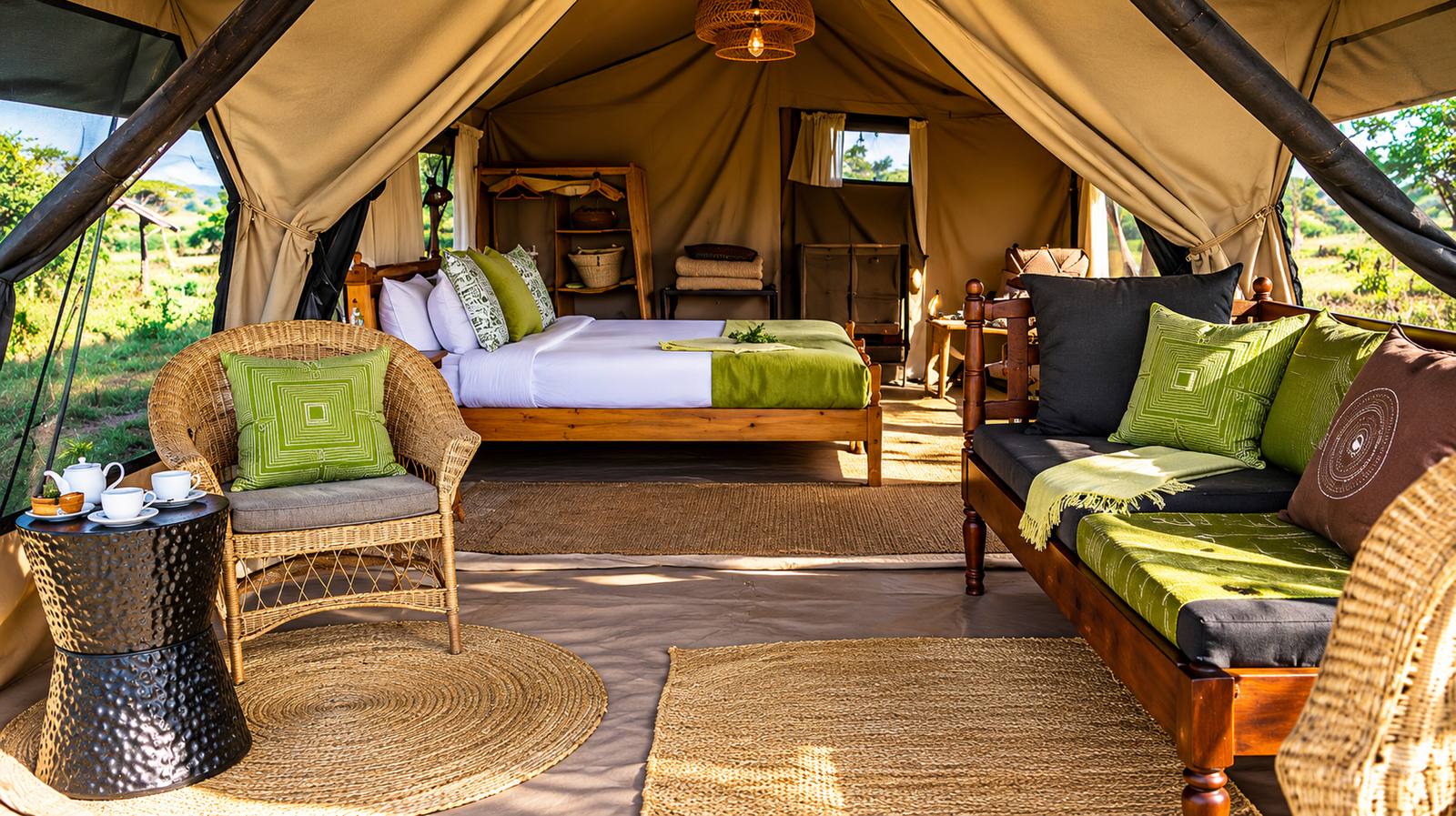
Family-friendly lodges and permanent tented camps are usually the most convenient accommodation choices for families. They provide comfortable sleeping arrangements, meals, bathrooms and areas where parents and children can relax between game drives.
For families, we recommend looking for:
-
Family rooms or interconnected rooms
-
Spacious accommodation
-
Private bathrooms
-
Reliable meals
-
Safe walking arrangements
-
Swimming pools where available
-
Flexible meal times
-
Easy access to game-drive areas
Should Families Choose a Lodge or Tented Camp?
A lodge can be convenient for families who prefer permanent buildings, more facilities and a hotel-style environment. A permanent tented camp can provide a more immersive safari atmosphere while still offering comfortable beds, private bathrooms and dining facilities.
For younger children, comfort and easy access to the game-drive area should be prioritized when selecting accommodation.
How Long Should Family Game Drives Be?
Family game drives should be planned around the children's age and energy level rather than following the longest possible safari schedule. A full-day game drive can be exciting for older children, while younger children may be more comfortable with morning and afternoon drives separated by a rest period.
Early morning and late afternoon drives are especially useful because wildlife viewing is often rewarding during these periods, while children can spend the middle of the day resting at the accommodation.
TANAPA recommends staying in vehicles during game drives except at designated areas and following guide instructions and park regulations.
Can Children Enjoy a Full-Day Game Drive in the Serengeti?
Yes, older children can enjoy a full-day Serengeti game drive, particularly when the day includes regular stops for meals, wildlife viewing and short breaks at permitted locations.
For younger children, however, a full day in the vehicle may become tiring. A better family schedule can be a morning game drive followed by lunch and rest, then an afternoon game drive.
The guide can also adjust the pace according to the family's needs while maintaining the planned safari objectives.
What Will Children See During the Great Migration?
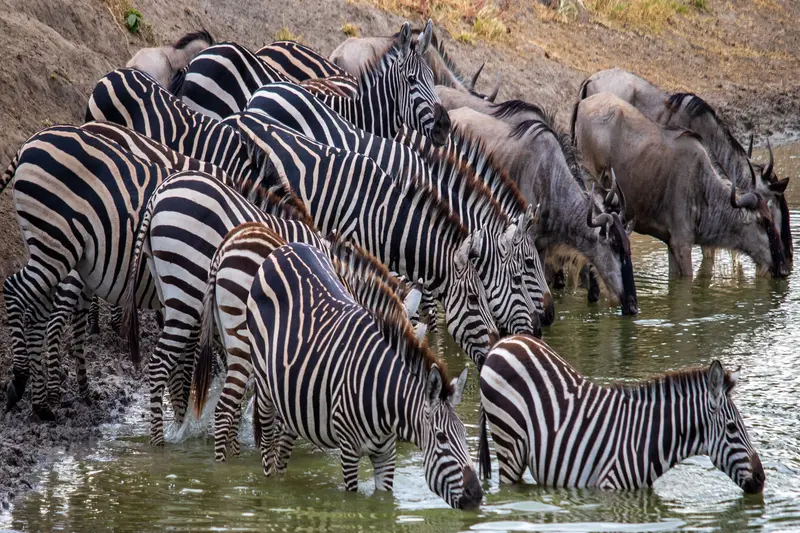
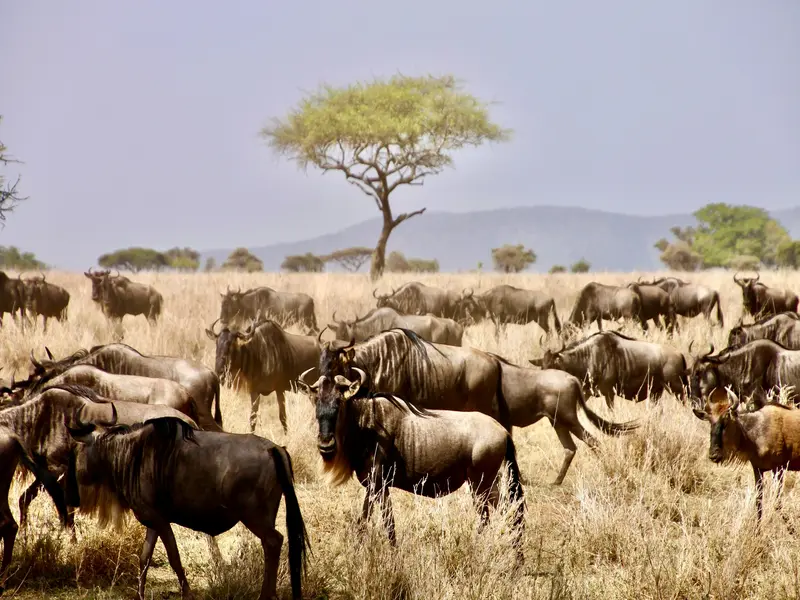
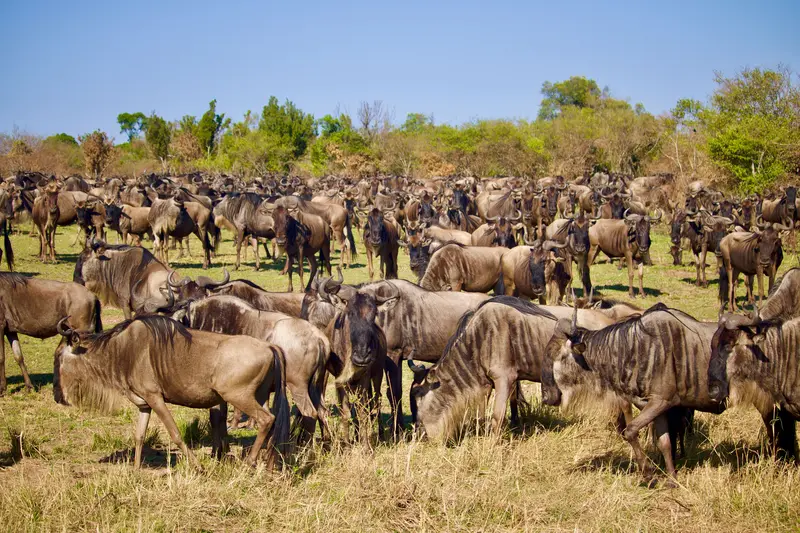
Children can see wildebeest, zebras, gazelles, lions, elephants, giraffes, cheetahs and other wildlife during a Serengeti safari. The Great Migration itself involves large movements of wildebeest accompanied by zebras and other grazing animals.
For children, the experience becomes even more engaging when the guide explains animal behaviour, tracks, feeding patterns and predator-prey relationships in an age-appropriate way.
A safari therefore becomes not only a holiday but also an outdoor learning experience.
What Is the Best Great Migration Route for a Family?
A practical Northern Tanzania family safari can combine Arusha, Ngorongoro and Serengeti, with the Serengeti section positioned according to where the migration is expected to be during the family's travel dates.
For families travelling during the calving season, the itinerary can focus on Ndutu and the Southern Serengeti. During the Northern Serengeti migration season, the itinerary can be designed around areas such as Kogatende and the Mara River region.
The route should also consider the children's tolerance for long road transfers, rather than selecting destinations based only on the number of parks visited.
How Many Days Are Best for a Family Great Migration Safari?
A 5–7 day safari is a practical duration for a family Great Migration safari. It provides enough time to combine Ngorongoro and Serengeti while avoiding an itinerary that is too rushed.
A typical family itinerary can include:
Day 1: Arusha – Ngorongoro Highlands
Day 2: Ngorongoro Crater – Serengeti
Day 3: Serengeti – Great Migration game drives
Day 4: Serengeti – Full-day game drive
Day 5: Serengeti – Great Migration game drives
Day 6: Serengeti – Arusha
Families with younger children can extend the itinerary to 6–7 days so that driving days are less demanding.
What Makes Game Drives Family-Friendly?
A family-friendly game drive combines wildlife viewing with a comfortable pace, regular breaks and an experienced guide. Children usually enjoy the safari more when they are not expected to remain focused in the vehicle for excessively long periods.
At Kilipori Safaris, family game drives can be planned around:
-
Children's ages
-
Preferred game-drive duration
-
Rest periods
-
Wildlife interests
-
Accommodation location
-
Meal times
-
The migration area
-
The family's overall travel schedule
TANAPA identifies game drives as a major way to experience Tanzania's wildlife and highlights the value of knowledgeable guides in enhancing wildlife viewing and education.
Should Families Stay in One Camp or Move Between Camps?
Families with young children usually benefit from fewer accommodation changes. Moving between several camps every day can make a safari tiring because packing and long transfers take time.
For a family Great Migration safari, staying 2–3 nights in one area can provide a better rhythm. Families can enjoy game drives without constantly packing and unpacking.
Older children may be comfortable with a more active itinerary involving different Serengeti areas.
Is a Great Migration Safari Safe for Children?
Yes, when families follow safari safety rules and the instructions of their professional guide. Children should remain inside the safari vehicle except at designated safe areas and should never approach wildlife independently.
Parents should also teach children to keep noise low, avoid feeding animals and follow the guide's instructions throughout the safari. TANAPA specifically advises visitors to stay in vehicles during game drives unless they are at permitted locations.
What We Recommend at Kilipori Safaris
At Kilipori Safaris, we recommend designing a Great Migration safari around the children's ages, travel dates and preferred level of comfort.
For families with younger children, we recommend comfortable accommodation, fewer camp changes and shorter or flexible game drives. For families with older children, we can include longer game drives and more time exploring different Serengeti areas.
For the migration itself, the itinerary should follow the seasonal location of the herds. Families travelling during the calving period can focus on Ndutu and Southern Serengeti, while families travelling during the northern migration season can focus on Northern Serengeti and the Mara River area.
We can customize the safari for families travelling with children, including accommodation, private safari vehicles, game-drive schedules and the number of days spent in each destination.
Plan your family Great Migration safari with Kilipori Safaris. WhatsApp: +255 755 287 311.
Frequently Asked Questions
What is the best age for a Great Migration family safari?
Children aged 5 years and above are particularly suitable for a traditional Great Migration safari, although younger children can also travel with an itinerary designed around shorter drives and more rest.
Can a 3-year-old go on a Great Migration safari?
Yes. A 3-year-old can travel on safari, but the itinerary should include shorter game drives, comfortable accommodation and sufficient rest time.
What accommodation is best for families in Serengeti?
Family rooms, interconnected rooms and comfortable permanent tented camps or lodges are practical choices, depending on the children's ages and the family's preferred comfort level.
How long should a family Great Migration safari be?
5–7 days is a practical duration because it allows families to combine Serengeti with destinations such as Ngorongoro without rushing between locations.
Are full-day game drives suitable for children?
Older children can enjoy full-day game drives, while younger children may be more comfortable with morning and afternoon drives separated by a rest period.
Can families see the Great Migration with young children?
Yes. Families can experience the migration with young children when the safari is planned around the child's age, comfort, rest periods and the seasonal location of the herds.
Is a private safari better for a family?
A private safari gives the family greater flexibility over departure times, game-drive duration, rest stops and the overall pace of the safari, which can be particularly useful when travelling with children.

KiliPori Safaris Travel Team
A local Tanzania team helping travellers plan wildlife safaris, Kilimanjaro climbs and Zanzibar holidays with clear routing and direct destination support.
Published September 25, 2026. Travel conditions, fees and schedules can change; confirm time-sensitive details before departure.