Explore this guide
Our guides combine current planning research with practical knowledge from arranging safaris, Kilimanjaro climbs and Zanzibar holidays.
Quick Answer
For most travellers, 3 nights and 4 days is the recommended amount of time to spend in Ndutu, Tanzania, particularly during the calving season. This gives you about 2 full days for game drives and better flexibility to follow the wildebeest herds and predators. A 2-night stay can work for a shorter safari, while 4 or more nights is better for photographers and travellers making Ndutu the main focus of their trip.
How Many Days Should You Spend in Ndutu?
The ideal Ndutu safari duration depends on your travel priorities, but 3 nights is a strong recommendation for most first-time visitors.
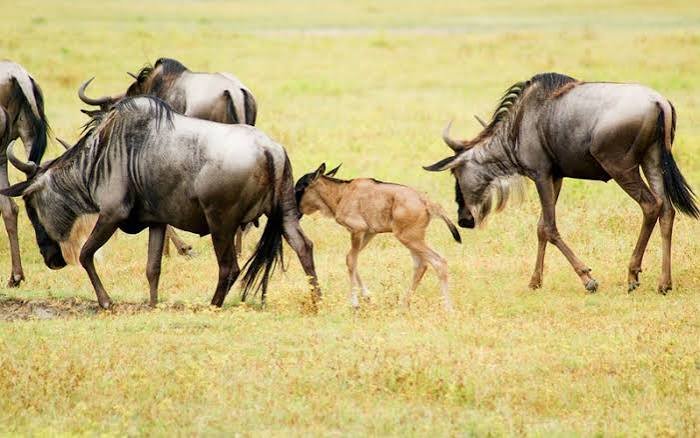
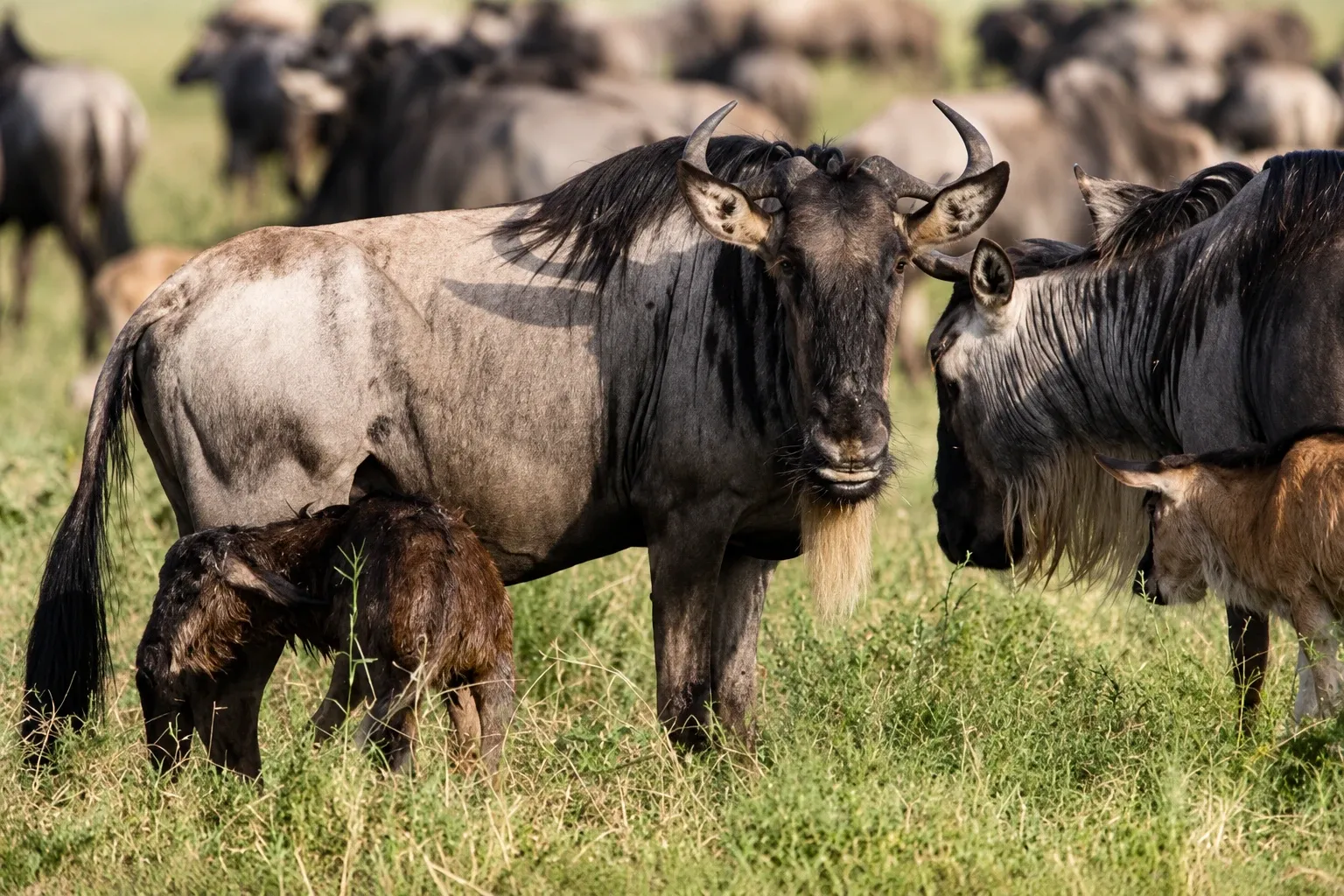
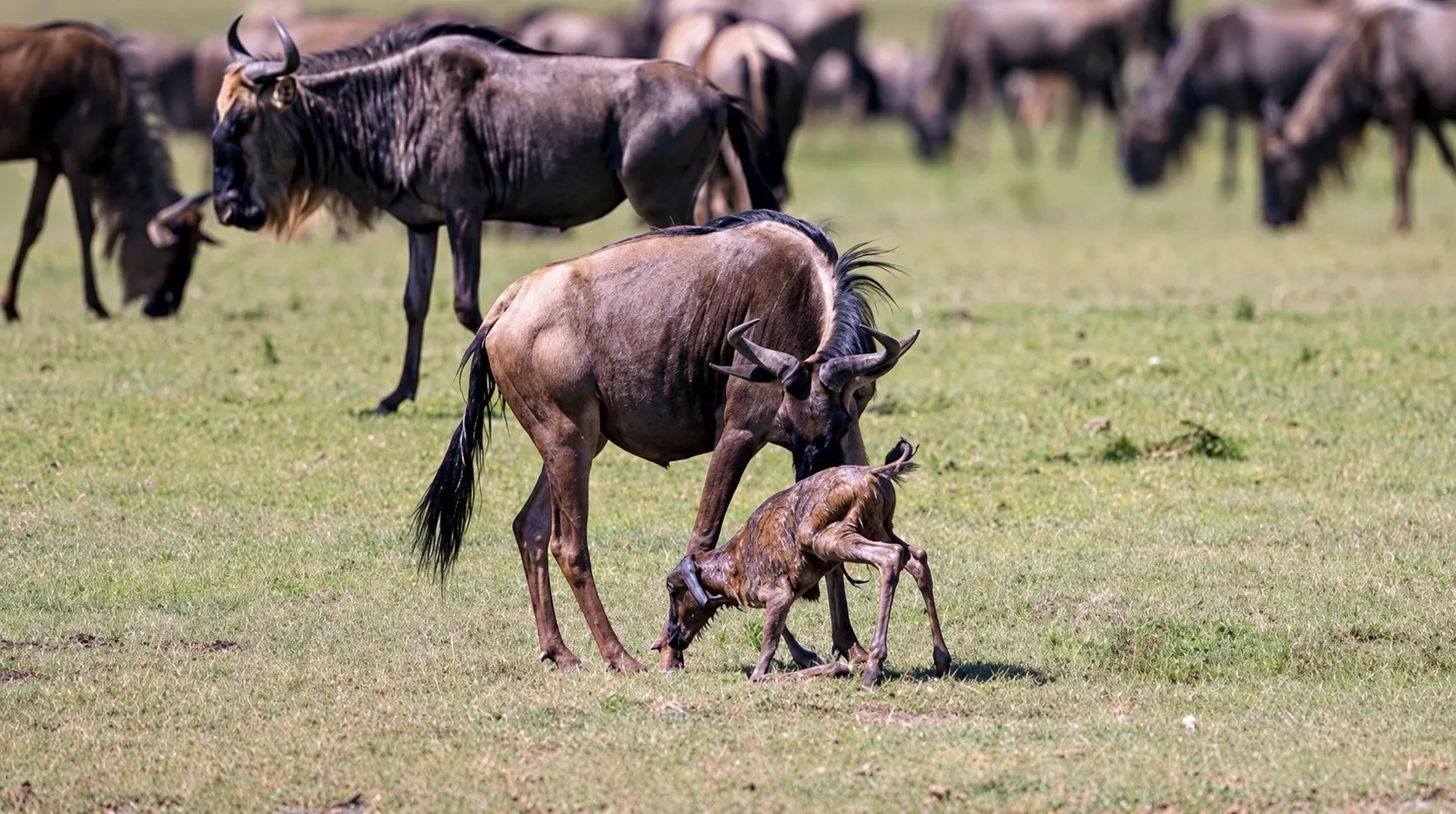
Ndutu is located in the southern Serengeti ecosystem, around the boundary between the southern Serengeti and the Ngorongoro Conservation Area. During the calving season, the area becomes an important gathering ground for migrating wildebeest, with predators such as lions, cheetahs and hyenas also active around the herds.
Staying for several nights is useful because wildlife is constantly moving. One game drive may produce excellent sightings while another may be quieter. Additional time gives your guide more opportunities to locate the herds and explore different parts of the Ndutu plains.
Recommended Ndutu Safari Durations
| Stay in Ndutu | Full game-drive time | Best suited for | Recommendation |
|---|---|---|---|
| 1 night | About 1 day | Travellers with very limited time | Possible but rushed |
| 2 nights | About 1 full day | Short Tanzania safaris | Good minimum |
| 3 nights | About 2 full days | Most travellers | Recommended |
| 4 nights | About 3 full days | Wildlife enthusiasts and photographers | Excellent |
| 5+ nights | 4+ full days | Specialist photographers and slow safaris | Best for intensive wildlife viewing |
The exact number of game-drive hours depends on the itinerary, accommodation location, road conditions, park or conservation-area regulations and the movement of wildlife.
Why 3 Nights Is a Good Choice for Ndutu
A 3-night Ndutu stay provides a practical balance between wildlife viewing and the overall length of a Tanzania safari.
With 2 complete days available for game drives, you are not relying on a single morning or afternoon to find the migration herds. This matters because the wildebeest do not remain in one fixed location throughout the calving period.
Three nights also allows your safari guide to adjust the day's route according to current wildlife movements rather than following a rigid sightseeing schedule.
For travellers combining Ndutu with other northern Tanzania destinations, 3 nights is often enough to experience the area properly without using most of the holiday in one location.
Is 2 Nights Enough for Ndutu?
Yes, 2 nights can be enough if your itinerary is short, but it gives you less flexibility than 3 nights.
A 2-night stay normally provides approximately 1 full day of wildlife viewing, depending on your arrival and departure arrangements. You may also have a partial game drive on the arrival or departure day.
This option works well for travellers who want to combine Ndutu with destinations such as the Ngorongoro Crater or Central Serengeti while keeping the overall safari relatively short.
However, if the primary reason for visiting Tanzania is the Ndutu calving season, 3 nights is generally a better choice.
Is 4 or 5 Days in Ndutu Worth It?
For travellers particularly interested in wildlife photography, predator behaviour and the Great Migration, spending 4 nights or more in Ndutu can be worthwhile.
More time allows you to explore different habitats and follow changing wildlife concentrations. It also gives you greater flexibility if weather conditions or animal movements affect one of your planned game drives.
The main disadvantage is that a longer Ndutu stay leaves less time for other destinations unless you have a longer Tanzania itinerary.
For a first safari, 4 nights in Ndutu may be unnecessary if you also want to visit the Ngorongoro Crater, Central Serengeti or Tarangire National Park. In that situation, 3 nights is often the better balance.
How Many Days Do You Need During the Ndutu Calving Season?
The strongest period of the Ndutu calving season is generally around January to March, with February commonly regarded as the peak month. The exact timing can vary because wildebeest movements are influenced by rainfall and grazing conditions.
During this period, the southern Serengeti and Ndutu plains can offer opportunities to see newborn wildebeest and increased predator activity.
For a dedicated calving-season safari, consider:
-
2 nights: Suitable for a short visit
-
3 nights: Best balance for most travellers
-
4 nights: Better for photographers and serious wildlife enthusiasts
-
5–7 nights: Suitable when Ndutu is the main objective of a longer specialist safari
A longer stay does not guarantee specific wildlife sightings. It simply gives you more time and flexibility to respond to changing wildlife movements.
How Ndutu Fits Into a Tanzania Safari
Ndutu works particularly well as part of a northern Tanzania safari rather than as an isolated destination.
A typical itinerary can combine Ndutu with:
| Destination | Why combine it with Ndutu? |
|---|---|
| Ngorongoro Crater | Adds a different wildlife environment and a concentrated crater safari |
| Central Serengeti | Extends the safari into another important part of the Serengeti ecosystem |
| Tarangire National Park | Adds elephants, diverse landscapes and a different safari experience |
| Arusha | Practical starting or ending point for many northern Tanzania itineraries |
A 6–7 day northern Tanzania safari can provide enough time to combine Ndutu with one or more of these destinations without making the itinerary excessively rushed.
If Ndutu is the main reason for your trip, however, it is better to protect your time there rather than trying to include too many parks.
Suggested Ndutu Itineraries
3 Nights Ndutu: Best for Most Travellers
Day 1: Arusha or Karatu to Ndutu and afternoon game drive
Day 2: Full-day Ndutu wildlife safari
Day 3: Full-day Ndutu wildlife safari
Day 4: Morning game drive and departure toward the next destination
This structure provides 2 full days in the Ndutu area and is a strong option for travellers whose priority is the calving season.
4 Nights Ndutu: Best for Wildlife Photography
Day 1: Arrival in Ndutu and afternoon game drive
Day 2: Full-day game drive
Day 3: Full-day game drive
Day 4: Full-day game drive
Day 5: Morning game drive and departure
This gives photographers more opportunities to work with changing light, animal behaviour and different wildlife locations.
2 Nights Ndutu: Best for Short Safaris
Day 1: Arrival in Ndutu and game drive
Day 2: Full-day game drive
Day 3: Morning game drive and departure
This is practical when Ndutu is one component of a wider Tanzania itinerary, but it is less flexible than a 3-night stay.
When Is the Best Time to Stay in Ndutu?
For travellers specifically interested in the Ndutu calving season, January through March is the key period, with February often providing the strongest concentration of calving activity. However, rainfall can influence when the herds arrive, where they concentrate and when they begin moving onward.
This means travellers should avoid treating a particular date as a guarantee of seeing the migration in one exact location.
If your dates are flexible, planning around the broader calving-season window provides more flexibility than choosing a single fixed week based only on historical averages.
Who Should Spend Longer in Ndutu?
A longer stay of 4 or more nights is particularly suitable for:
-
Wildlife photographers
-
Serious safari enthusiasts
-
Travellers whose main objective is the wildebeest calving season
-
Visitors interested in predator behaviour
-
Travellers who prefer a slower safari pace
-
People who want more flexibility for changing wildlife locations
A shorter 2-night stay may be more appropriate for:
-
First-time Tanzania visitors with limited holiday time
-
Travellers combining Ndutu with several northern circuit parks
-
Visitors who want to include Zanzibar after their safari
-
Travellers prioritising a broad Tanzania itinerary rather than Ndutu alone
Common Mistakes When Planning a Ndutu Safari
Spending Only One Night
A single night can make the Ndutu experience highly dependent on the timing of your arrival and departure. If the migration is your main objective, allowing more time is usually sensible.
Trying to Visit Too Many Parks
Adding Tarangire, Lake Manyara, Ngorongoro, Ndutu and Central Serengeti into a very short itinerary can result in excessive driving.
Assuming the Herds Stay in One Place
The Great Migration is a natural movement rather than a scheduled wildlife event. Current rainfall and grazing conditions influence where the herds are concentrated.
Choosing Dates Without Considering the Season
Historical patterns are useful, but they should not be treated as an exact wildlife timetable. The calving period can shift depending on environmental conditions.
Booking the Whole Safari Around One Wildlife Sighting
No responsible safari operator can guarantee a particular animal encounter. A better approach is to allow enough time for your guide to respond to current conditions.
KiliPori Expert Recommendation
For most travellers planning a Ndutu safari in Tanzania, we recommend 3 nights in the Ndutu area, giving you approximately 2 full days of dedicated game viewing.
If the main purpose of your trip is wildlife photography or an intensive focus on the calving season, consider 4 nights. If you have only a short northern Tanzania itinerary, 2 nights can still work, particularly when combined with the Ngorongoro Crater or Central Serengeti.
Frequently Asked Questions
How many days should I spend in Ndutu?
3 nights is recommended for most travellers, providing about 2 full days of game drives. Two nights can work for a shorter itinerary, while 4 or more nights is better for specialist wildlife photography.
Is 2 nights enough for Ndutu?
Yes. Two nights can provide a useful Ndutu experience, especially when combined with other northern Tanzania destinations. However, it offers less flexibility than a 3-night stay.
Is 3 nights in Ndutu enough?
Yes. Three nights is a strong balance for most travellers because it allows 2 full days of wildlife viewing while leaving enough time for other destinations.
How long should I stay in Ndutu during calving season?
For most visitors, 3 nights is a good choice. Travellers whose primary objective is photography or intensive wildlife viewing may prefer 4–5 nights.
What month is best for Ndutu calving season?
February is commonly considered the peak of the calving season, while January and March can also provide strong wildlife opportunities. The exact timing varies with rainfall and herd movements.
Can I combine Ndutu with Ngorongoro Crater?
Yes. Ndutu and the Ngorongoro Crater can be combined effectively in a northern Tanzania itinerary. They offer different wildlife environments and can complement each other well.
Can I visit Ndutu on a short Tanzania safari?
Yes. A 2-night Ndutu stay can work on a short safari, although 3 nights provides better flexibility. The best duration depends on how many other destinations you want to include.
Does staying longer guarantee better wildlife sightings?
No. More days increase your opportunities and flexibility, but wildlife sightings cannot be guaranteed. Animal movements depend on natural conditions, including rainfall, food availability and herd movements.
Plan Your Trip With KiliPori Safaris
If you are planning a Ndutu safari, KiliPori Safaris can help you build an itinerary around your available travel dates, preferred safari duration and wildlife priorities.
For most travellers, 3 nights in Ndutu is a practical starting point. Your itinerary can also be combined with the Ngorongoro Crater, Central Serengeti, Tarangire National Park or other northern Tanzania destinations.
Ask KiliPori Safaris about a customized Tanzania safari itinerary or request a quotation based on your preferred dates and accommodation level.
WhatsApp: +255 755 287 311
Final Recommendation
For most travellers, 3 nights and 4 days is the recommended duration for a Ndutu safari in Tanzania, particularly during the calving season. It provides approximately 2 full days of game viewing without taking too much time away from other northern Tanzania destinations. Choose 2 nights if your itinerary is very short, or 4–5 nights if Ndutu is your main wildlife or photography objective. Because the wildebeest respond to rainfall and grazing conditions, flexibility is more valuable than trying to plan around an exact wildlife timetable. The best next step is to choose your travel dates first, then build the Ndutu stay around current seasonal conditions and the rest of your Tanzania itinerary.
Sources and Fact-Checking
-
KiliPori Safaris, Ndutu Calving Season Safari Guide used for current planning context and the recommendation of 3 nights for a typical Ndutu calving-season stay.
-
Love Serengeti, Calving Season in the Serengeti (Ndutu) used for the seasonal timing and explanation that rainfall influences the timing of calving.
-
Safaris Tanzania, Best Time for Serengeti Calving Season Safari used for the recommended January–March planning window and the importance of allowing flexibility around herd movements.
-
Magical Tanzania, Ndutu Tanzania — Complete Guide used as a secondary reference for typical Ndutu stay recommendations and itinerary combinations.
Note: Wildlife movements are natural and cannot be guaranteed. Accommodation availability, access regulations and exact routing should be checked for the traveller's specific dates before booking.

KiliPori Safaris Travel Team
A local Tanzania team helping travellers plan wildlife safaris, Kilimanjaro climbs and Zanzibar holidays with clear routing and direct destination support.
Published September 15, 2026. Travel conditions, fees and schedules can change; confirm time-sensitive details before departure.