Explore this guide
Our guides combine current planning research with practical knowledge from arranging safaris, Kilimanjaro climbs and Zanzibar holidays.
Quick Answer
February is one of the key months for experiencing the Ndutu calving season because large concentrations of wildebeest gather across the short-grass plains of the Southern Serengeti and surrounding Ndutu area. The abundance of young calves also attracts predators, creating strong wildlife-viewing opportunities. At KiliPori Safaris, we recommend allowing several days in Ndutu because herd movements and calving activity can vary with rainfall and grazing conditions.
Why Visit Ndutu in February?
February is an important month for a traveller whose main reason for visiting Tanzania is the wildebeest calving season.
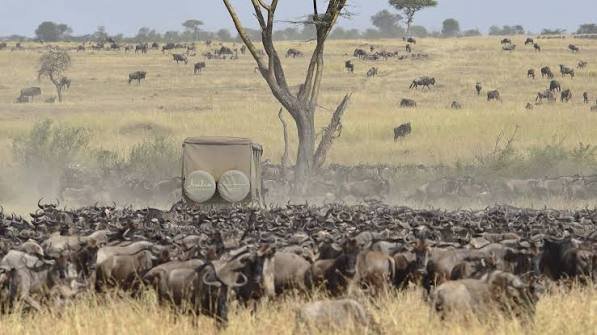
By this stage of the early-year migration, large numbers of wildebeest are concentrated around the short-grass plains of the Southern Serengeti and Ndutu region. The fresh grazing created by the seasonal rains supports the herds during this period.
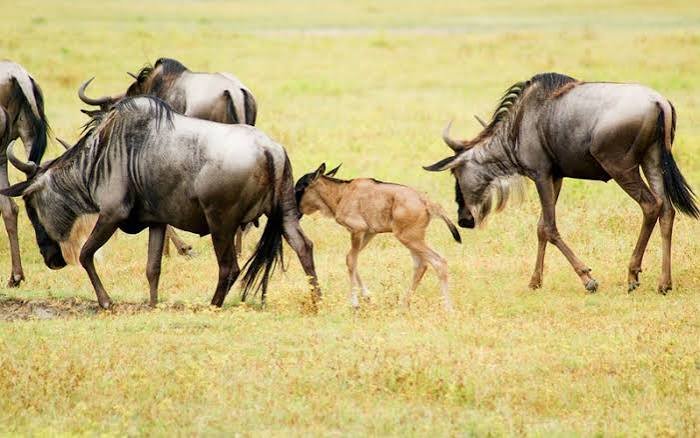
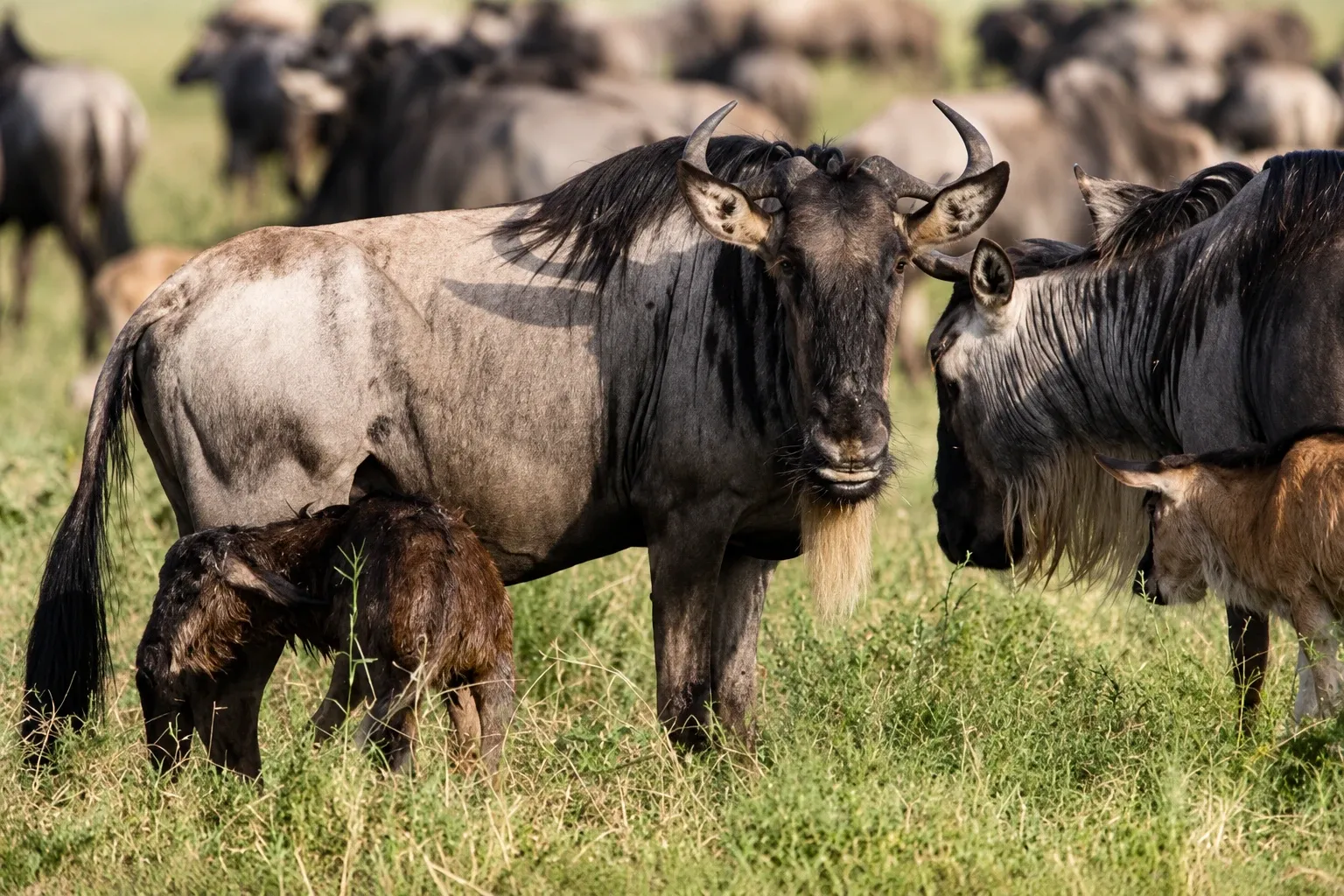
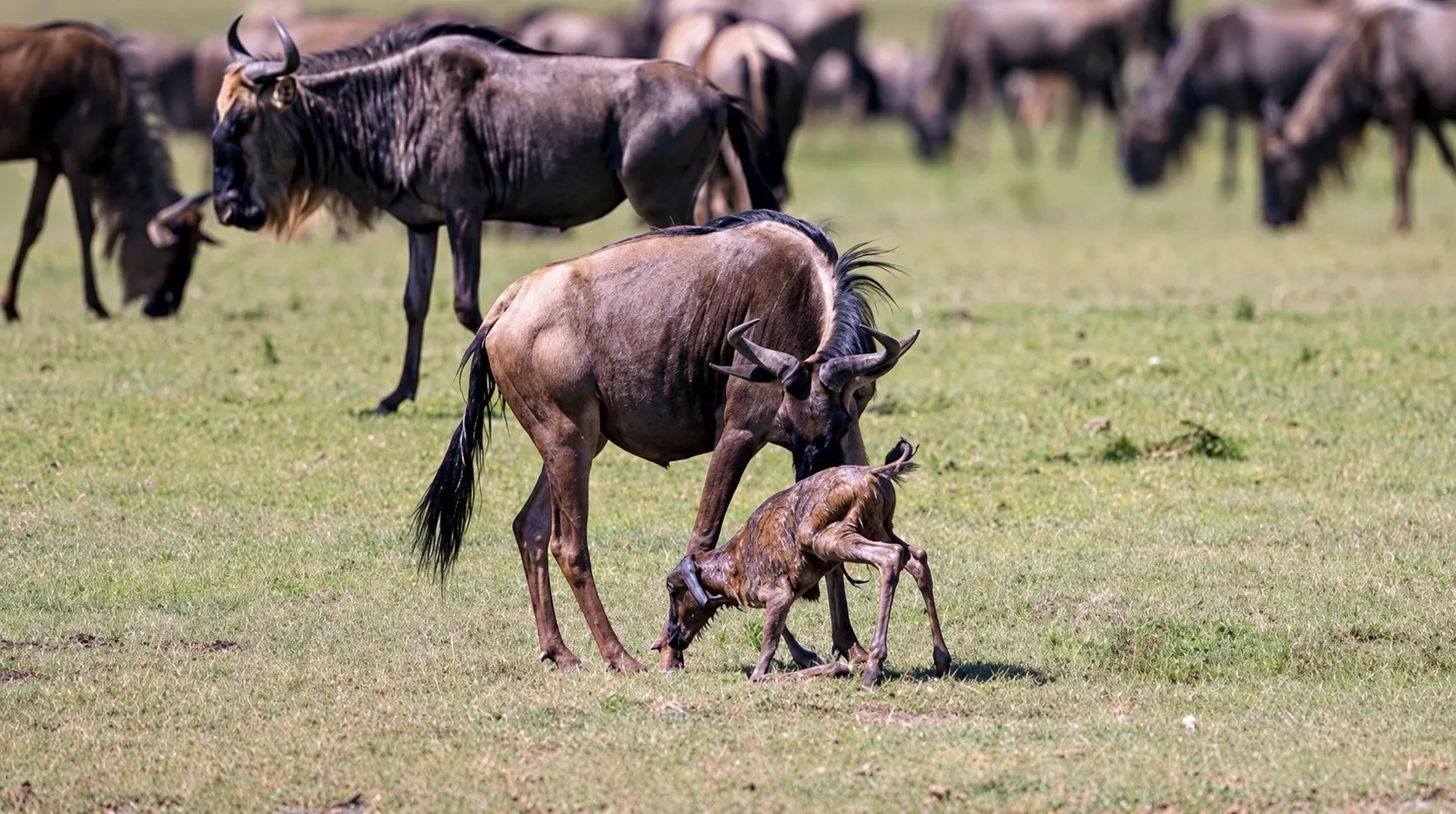
What makes February particularly interesting is not simply the number of wildebeest. The presence of many young calves changes the behaviour of the whole ecosystem. Predators such as lions, cheetahs and hyenas are attracted by the concentration of vulnerable young animals, creating opportunities to observe hunting, stalking and other natural behaviour.
At KiliPori Safaris, we recommend February to travellers who want their safari to focus strongly on wildlife rather than trying to cover too many destinations in a short period.
If the calving season is your priority, we would rather give Ndutu enough time than make it a quick overnight stop between other parks.
What Happens During the Ndutu Calving Season in February?
The calving season is the period when large numbers of wildebeest give birth across the Southern Serengeti ecosystem.
The timing is closely connected to rainfall and the availability of nutritious short grass. The herds gather in areas where grazing conditions are favourable, and the resulting concentration of animals makes the region particularly productive for predators.
February is commonly described as a peak period within the broader January–March calving season, although the exact timing is not fixed every year. Rainfall can influence when the herds arrive, where they concentrate and how long they remain in particular areas.
This is important when planning a safari. A traveller should not expect the same wildlife situation on every February date.
At KiliPori Safaris, our advice is to treat February as a seasonal window rather than a guaranteed wildlife schedule. Your guide should be able to adjust the game-drive plan according to what is happening on the ground.
What Animals Can You See in Ndutu in February?
The main attraction is the concentration of wildebeest, but Ndutu supports a much wider range of wildlife.
During a February safari, travellers may encounter:
-
Wildebeest
-
Zebra
-
Thomson's gazelles
-
Grant's gazelles
-
Lions
-
Cheetahs
-
Spotted hyenas
-
Jackals
-
Elephants
-
Giraffes
-
Warthogs
-
Other plains game
-
A wide variety of bird species
The large herbivore concentration is particularly important because it supports increased predator activity.
For photographers, this can create opportunities to observe interactions rather than simply photographing individual animals. A lion pride following a herd, a cheetah scanning open grassland or a hyena moving through a group of wildebeest can all become part of the safari story.
However, wildlife remains wild. No safari operator can honestly guarantee a specific animal or behaviour on a particular day.
Why Are Predators Active During the February Calving Season?
The connection between calving and predator activity is one of the main reasons February attracts wildlife enthusiasts.
Newborn wildebeest are vulnerable, particularly during their first days of life. At the same time, the concentration of herbivores means predators have access to a large potential food source within a relatively concentrated ecosystem.
Lions, cheetahs and hyenas are among the predators travellers may encounter around Ndutu.
This does not mean that every game drive will produce a hunt. Predator behaviour is unpredictable, and responsible guides should allow natural behaviour to unfold without disturbing the animals.
At KiliPori Safaris, we advise travellers not to judge a game drive only by whether a hunt happened. Watching a predator track, rest, approach or interact with other animals can be equally valuable for understanding the ecosystem.
Where Is Ndutu?
Ndutu is located in northern Tanzania within the Ngorongoro Conservation Area, close to the Southern Serengeti ecosystem.
The area is characterised by open short-grass plains, seasonal water sources and surrounding habitats that support large numbers of grazing animals during the early months of the year.
Its location is one reason Ndutu fits naturally into a Northern Tanzania safari.
Depending on the itinerary, travellers can combine Ndutu with:
-
Tarangire National Park
-
Ngorongoro Conservation Area
-
Central Serengeti
-
Other areas of Serengeti National Park
-
Zanzibar
At KiliPori Safaris, we normally plan the route around the traveller's main objective. If February calving is the priority, Ndutu should receive enough time instead of being treated simply as a transit point between Arusha and Serengeti.
How to Get to Ndutu in February
Ndutu can be reached by safari vehicle as part of a Northern Tanzania road safari. Travellers can also use domestic flights to appropriate airstrips when flight schedules and the itinerary make flying practical.
For travellers beginning in Arusha or Moshi, a road safari can combine several Northern Circuit destinations before reaching the Ndutu area.
A typical itinerary might combine:
Arusha → Tarangire → Ngorongoro area → Ndutu → Central Serengeti
The exact route should depend on the number of safari days available.
For travellers with limited time, flying can reduce long road transfers. For travellers with more time, driving can make better sense because it allows several destinations to be incorporated into one continuous safari.
At KiliPori Safaris, we compare the route against the traveller's available time rather than automatically choosing either road or air travel.
How Many Days Should You Spend in Ndutu in February?
For travellers whose main objective is the calving season, we recommend around 3 nights in Ndutu where the itinerary allows.
Three nights gives you several opportunities for game drives and reduces the risk of relying on a single day of wildlife viewing.
A 2-night stay can work well for travellers with limited time.
A 1-night stay is possible, but it gives you much less flexibility. If Ndutu is the main reason for your safari, we would not normally recommend building the itinerary around only one night in the area.
For serious wildlife photographers, 4 nights or more can provide additional flexibility.
At KiliPori Safaris, the final number of nights should also take into account whether you want to include Tarangire, Ngorongoro, Central Serengeti or Zanzibar in the same trip.
What Is the Weather Like in Ndutu in February?
February falls within the green-season period in Northern Tanzania.
Travellers should expect warm conditions during the day, cooler early mornings and the possibility of rainfall.
Rain is an important part of the ecosystem because it supports the fresh grass that attracts and sustains the migratory herds.
However, rainfall can also affect road conditions. Some tracks can become muddy after heavy rain, and driving times may change depending on local conditions.
For a February Ndutu safari, we recommend packing for changing weather rather than assuming every day will be completely dry.
A light waterproof jacket, warm layer for early mornings, comfortable safari clothing, sun protection and suitable closed shoes are practical choices.
What Should You Pack for a February Ndutu Safari?
You do not need an oversized suitcase for a Ndutu safari. The most useful approach is lightweight clothing that can be layered.
We recommend:
-
Lightweight trousers
-
Comfortable shirts or T-shirts
-
Fleece or warm jacket for early mornings
-
Lightweight rain jacket
-
Comfortable closed shoes
-
Sun hat
-
Sunglasses
-
Sunscreen
-
Binoculars
-
Camera
-
Spare batteries
-
Extra memory cards
-
Power bank
-
Personal medication
-
Small day bag
For photographers, extra batteries and memory cards are especially useful.
A rain cover for camera equipment can also be practical during February because weather conditions can change during the day.
At KiliPori Safaris, we also recommend avoiding unnecessary luggage. Safari vehicles have limited storage, and a lighter bag makes transfers easier.
What Are the Best Safari Activities in Ndutu in February?
Game Drives
Game drives are the main activity during the Ndutu calving season.
The focus is normally on locating concentrations of wildebeest, zebra, gazelles and predators while exploring the different habitats around the plains.
Morning and afternoon drives can provide different wildlife-viewing conditions.
Wildlife Photography
February is particularly relevant to photographers interested in newborn animals, predator behaviour, large herds and open landscapes.
A private vehicle can be useful because the guide can spend more time considering the group's photography priorities.
Bird Watching
Ndutu and the surrounding ecosystem support a range of bird species.
Travellers interested in birds should tell the safari operator before the trip so the guide understands that birding is part of the safari objective.
Ndutu Calving Season Photography Tips
February can provide strong wildlife photography opportunities, but good photographs require patience.
A telephoto lens is useful for animals at a respectful distance, while a wider lens can help capture the scale of the herds and the Ndutu landscape.
Early morning and late afternoon generally provide softer light than the middle of the day.
For newborn animals, photographers should avoid asking a driver to approach too closely simply to obtain a photograph.
The welfare of the animals and the conservation rules of the area come first.
At KiliPori Safaris, we advise photographers to communicate their priorities with the guide before the game drive. This allows the guide to understand whether you are looking for landscapes, animal portraits, predator behaviour or herd photography.
Is February the Best Month for the Ndutu Calving Season?
February is widely regarded as one of the key months for the Ndutu calving season.
However, calling it a fixed "best month" can be misleading because the migration responds to environmental conditions.
The broader calving period generally falls between January and March, while February is often associated with particularly concentrated calving activity.
This means February can be a very strong choice for travellers specifically interested in newborn wildebeest and predator activity, but there is no guarantee that the exact same wildlife concentration will occur on every date.
At KiliPori Safaris, we recommend choosing February when the traveller's dates and priorities align with the calving season, while keeping expectations realistic about natural wildlife movement.
February vs January and March: Which Period Should You Choose?
The three months are part of the same broader seasonal cycle, but the wildlife situation can change.
| Period | General Character | Best Suited To |
|---|---|---|
| January | Beginning of the main calving period in many years | Travellers wanting the early calving season |
| February | Often a particularly active calving period | Travellers focused on newborn calves and predators |
| March | Calving can continue while herds begin responding to changing conditions | Travellers with flexible dates |
These are seasonal patterns, not fixed calendars.
Rainfall and grazing conditions influence where the herds are concentrated, so an experienced safari guide should adapt the daily route accordingly.
If your travel dates are flexible and your priority is specifically calving, February is a logical month to consider. If your dates are fixed in January or March, that does not mean the safari will miss the calving season.
What Makes a February Ndutu Safari Different From a Regular Serengeti Safari?
A February Ndutu safari is more specifically focused on the seasonal concentration of migratory herbivores and the calving ecosystem.
A general Serengeti safari can be excellent at different times of year, but the Southern Serengeti and Ndutu area become particularly relevant during the early-year calving period.
The main difference is therefore seasonal wildlife distribution rather than simply the name of the destination.
At KiliPori Safaris, we recommend choosing Ndutu in February when the traveller's main objective is the calving season. If the traveller has more days available, Ndutu can then be combined with Central Serengeti or another Northern Circuit destination to experience a broader range of Tanzania's ecosystems.
Who Should Visit Ndutu in February?
A February Ndutu safari is particularly suitable for:
-
Wildlife enthusiasts
-
Wildlife photographers
-
Couples
-
Families interested in wildlife
-
First-time Tanzania safari travellers
-
Repeat safari travellers
-
Travellers interested in predator behaviour
-
Travellers planning a Tanzania safari followed by Zanzibar
It may be less suitable for someone who wants a completely dry safari with no possibility of rain.
It may also not be the best fit for a traveller who has only one short day available and expects to experience the full calving-season ecosystem in that time.
The more important question is not simply "Is February good?" but "Does February match what I want from my Tanzania safari?"
What Should You Look for When Booking a February Ndutu Safari?
When comparing safari options, do not look only at the number of days or the advertised price.
Ask:
-
Where is the accommodation located?
-
How many nights will actually be spent in Ndutu?
-
Is the safari private or shared?
-
What type of vehicle is used?
-
Are park and conservation fees included?
-
Are meals and drinking water included?
-
How much driving is required between destinations?
-
Is the itinerary designed around the calving season?
-
Can the itinerary be adjusted according to wildlife movements?
-
If flying is involved, which airstrip and flight schedule will be used?
At KiliPori Safaris, these details matter because the quality of a safari itinerary is not determined by the number of destinations listed on the programme.
KiliPori Expert Recommendation
For travellers planning specifically around the Ndutu calving season in February, our recommendation is to make Ndutu the centre of the safari rather than squeezing it into an itinerary with too many destinations.
Allow around 3 nights if possible. This gives your guide several opportunities to work with changing wildlife movements, weather and road conditions.
If you have 5–7 days, Ndutu can be combined with destinations such as Tarangire, the Ngorongoro Conservation Area and Central Serengeti. If you have only a few days, we would prioritise time in Ndutu rather than adding several long-distance transfers.
For photographers, a private vehicle is particularly useful because the safari schedule can be adapted around photography priorities.
[KiliPori expert input required: Confirm KiliPori Safaris' preferred February Ndutu camps, current seasonal accommodation availability, recommended number of Ndutu nights and preferred road/fly-in combinations before publication.]
Frequently Asked Questions About Ndutu Calving Season in February
Is February a good time to visit Ndutu?
Yes. February falls within the main early-year calving period and is commonly associated with strong calving activity in the Ndutu and Southern Serengeti area. Exact wildlife concentration varies according to rainfall and grazing conditions.
What is the Ndutu calving season?
It is the period when large numbers of migratory wildebeest give birth in the Southern Serengeti and Ndutu area. The broader calving period generally occurs from January to March.
Are wildebeest calves born in February?
Yes. February is an important month for wildebeest births in the Southern Serengeti and Ndutu region, although births also occur in January and March.
What animals can I see in Ndutu in February?
Wildebeest, zebra, gazelles, lions, cheetahs, spotted hyenas, jackals, elephants, giraffes and many bird species may be seen. Specific sightings cannot be guaranteed.
How many days do I need in Ndutu in February?
For travellers focused on calving, around 3 nights is a practical starting point. More time can be useful for photographers and travellers who want greater flexibility.
Is February better than January for Ndutu?
February is often associated with more concentrated calving activity, but the exact timing changes with environmental conditions. January can also provide excellent calving-season opportunities.
Can I combine Ndutu with Ngorongoro?
Yes. Ndutu and the Ngorongoro Conservation Area can be combined in a Northern Tanzania itinerary. The exact route depends on whether you want to visit the Ngorongoro Crater itself and how many safari days you have.
Can I combine Ndutu with Zanzibar?
Yes. A February Tanzania safari can be followed by Zanzibar. The most practical connection depends on the safari route, departure airstrip and current flight schedules.
Is February rainy in Ndutu?
February is within the green-season period, so rainfall is possible. Conditions can vary from day to day, and rain can affect some safari tracks.
Plan Your Ndutu Calving Season Safari
If you are planning to visit Tanzania specifically for the Ndutu calving season in February, the itinerary should be built around the wildlife season rather than simply around the number of destinations.
KiliPori Safaris can structure a private Tanzania safari according to your travel dates, group size, accommodation preference and available time.
A February itinerary can be combined with destinations such as:
-
Tarangire National Park
-
Ngorongoro Conservation Area
-
Ndutu
-
Central Serengeti
-
Zanzibar
For a shorter safari, we recommend protecting your time in Ndutu. For a longer Northern Circuit itinerary, the route can be expanded without reducing the number of nights needed to properly experience the calving season.
To request a personalised itinerary or quotation:
WhatsApp: +255 755 287 311
Final Recommendation
Ndutu calving season in February is particularly relevant for travellers who want to see the Southern Serengeti during one of its most important wildlife periods. Large concentrations of wildebeest, newborn calves and increased predator activity make the area especially attractive to wildlife enthusiasts and photographers.
The key to planning the safari is not simply choosing February. It is allowing enough time in Ndutu and building the route around the natural movement of the herds. Rainfall and grazing conditions can change where wildlife concentrates, so flexibility is important.
At KiliPori Safaris, we recommend around 3 nights in Ndutu for travellers whose primary objective is calving, with additional Northern Circuit destinations added according to the total number of days available.

KiliPori Safaris Travel Team
A local Tanzania team helping travellers plan wildlife safaris, Kilimanjaro climbs and Zanzibar holidays with clear routing and direct destination support.
Published September 17, 2026. Travel conditions, fees and schedules can change; confirm time-sensitive details before departure.