Explore this guide
Our guides combine current planning research with practical knowledge from arranging safaris, Kilimanjaro climbs and Zanzibar holidays.
Quick Answer
Ndutu’s calving season generally runs from January through March, making all three months suitable for a Southern Serengeti safari focused on wildebeest and newborn calves. January is useful for travellers interested in the beginning of the calving period and green landscapes, February often offers particularly concentrated calving activity, while March can still provide excellent wildlife viewing but comes with a greater likelihood of wetter conditions.
The right month depends on what matters most to you: newborn calves, photography, weather, flexibility, safari duration or combining Ndutu with other northern Tanzania destinations.
Understanding the Ndutu Calving Season
Ndutu is located in the Southern Serengeti ecosystem, close to the Ngorongoro Conservation Area, and is one of the most important areas associated with the annual wildebeest calving season.
TANAPA identifies January to March as the main calving period on the southern plains. The short-grass plains around Ndutu provide productive grazing conditions during this part of the migration cycle.
The important point for safari planning is that the calving season is not a three-month event with exactly the same conditions every day.
Rainfall, grazing conditions and animal movements influence where the herds concentrate. Therefore, January, February and March should be viewed as different stages within one broader seasonal window rather than three completely separate wildlife seasons.
This distinction is important when deciding when to book your Ndutu safari.
January vs February vs March at a Glance
| Factor | January | February | March |
|---|---|---|---|
| Calving season | Yes | Yes | Yes |
| Seasonal stage | Early/main calving period | Strong calving period | Later calving period |
| Newborn calves | Increasing numbers | Often very prominent | Still possible, with some older calves |
| Wildebeest concentration | High in suitable areas | Often very high around productive plains | Can remain high but movement becomes more variable |
| Predator activity | Strong opportunity | Strong opportunity | Strong opportunity |
| Landscape | Green and fresh | Green and productive | Green, with increasing rain influence |
| Rain | Variable | Variable | Greater long-rain influence |
| Photography | Excellent | Excellent | Excellent, especially for green landscapes and dramatic skies |
| Main advantage | Early-season calving atmosphere | Strong focus on newborns and concentrated wildlife | Calving season with potentially fewer date constraints |
| Main consideration | Exact timing varies | Demand can be high | Wetter conditions and road conditions may require more planning |
This table should be treated as a planning guide rather than a guarantee of what wildlife will be found in a particular location on a particular day.
What Happens in Ndutu From January to March?
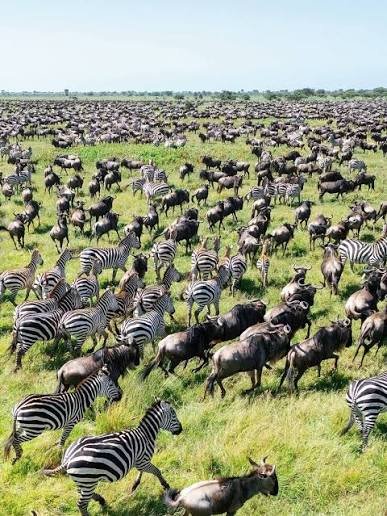
The January-to-March period is part of the annual migration cycle when large numbers of wildebeest use the nutrient-rich southern plains.
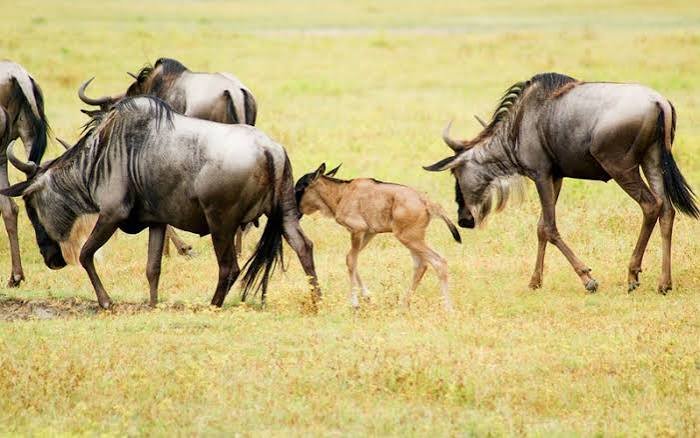
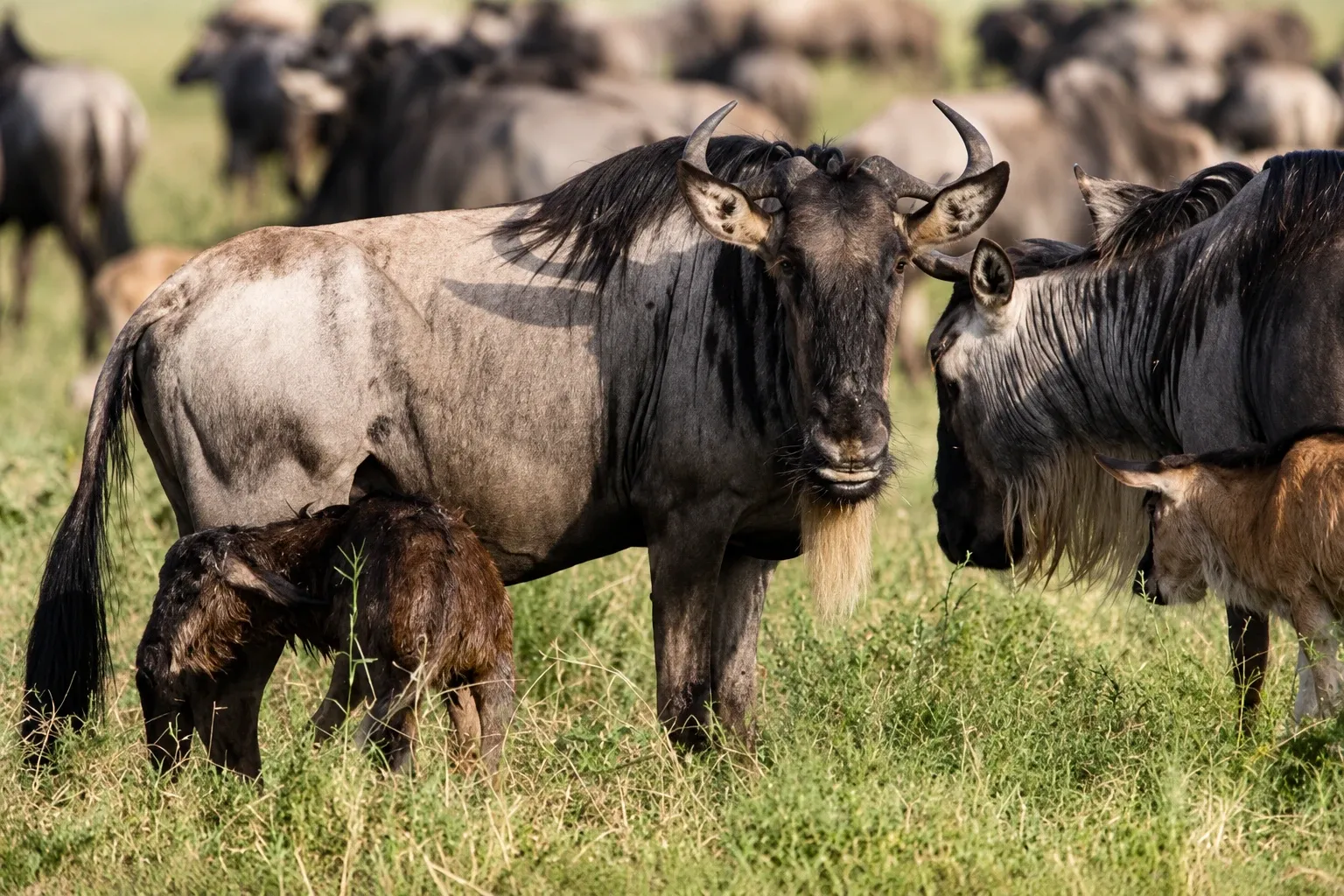
During this period, females give birth and the plains become an important nursery area. TANAPA describes the Southern Serengeti, particularly the Ndutu area and surrounding short-grass plains, as the heart of the calving season.
The exact timing varies from year to year because wildlife responds to environmental conditions rather than calendar dates.
For this reason, a good safari operator should plan around the seasonal pattern while remaining flexible about where the herds are concentrated.
At KiliPori Safaris, we recommend thinking about Ndutu as a seasonal ecosystem rather than booking a specific month based on the expectation that every part of the area will look identical throughout January, February and March.
January in Ndutu: What Should You Expect?
January can be an attractive time to visit Ndutu because it falls within the beginning of the main January-to-March calving window.
The southern plains can be green following rainfall, creating productive grazing conditions and landscapes that contrast strongly with Tanzania's dry-season scenery.
For travellers interested in seeing the calving season develop, January provides an opportunity to experience the early part of this important period.
Wildlife viewing can include wildebeest, zebra and gazelles alongside predators such as lions, cheetahs and hyenas. However, sightings are always dependent on animal movements and local conditions.
January is particularly suitable for:
-
Travellers who want to experience the early part of the calving season
-
Visitors interested in green landscapes
-
Photographers looking for green backgrounds and young wildlife
-
Travellers who can remain flexible about daily wildlife locations
-
Visitors combining Ndutu with other northern Tanzania destinations
February in Ndutu: What Should You Expect?
February is often associated with the most concentrated part of the calving season on the Southern Serengeti short-grass plains.
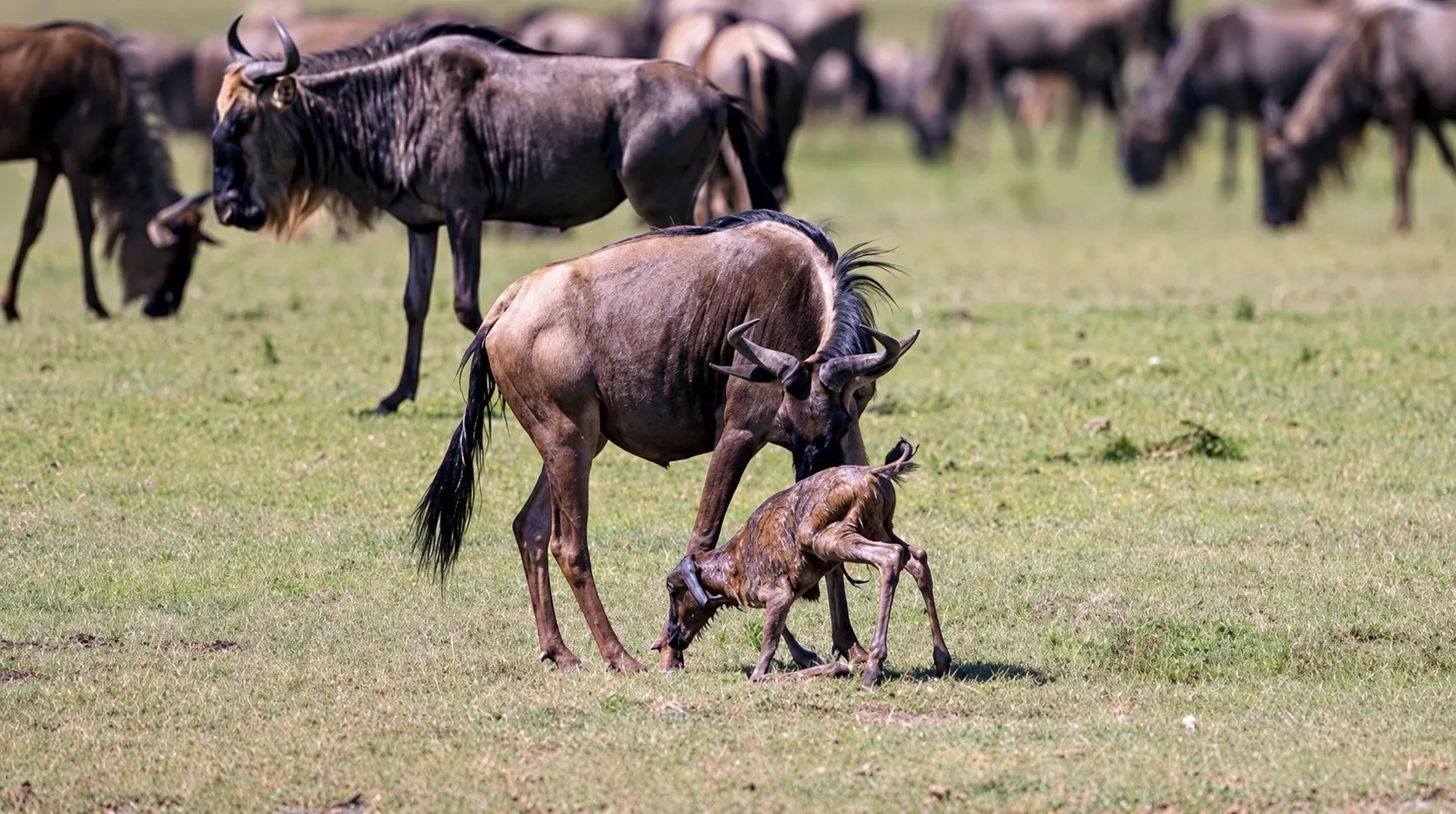
TANAPA material describes a short calving period during which very large numbers of calves are born, with historical park information identifying mid-February as a particularly concentrated period.
This makes February particularly attractive to travellers whose main reason for visiting Ndutu is the possibility of seeing newborn wildebeest and the wildlife interactions associated with them.
The concentration of young animals can also create opportunities to observe predator-prey behaviour. Lions, cheetahs and hyenas may be active in areas where vulnerable young animals are present.
However, this should never be interpreted as a guarantee that every safari in February will produce a particular predator sighting or a specific wildlife encounter.
February is particularly suitable for:
-
Travellers prioritising calving activity
-
Wildlife photographers
-
First-time visitors wanting a strong introduction to Ndutu's calving season
-
Travellers with several days available for game drives
-
Visitors specifically interested in wildebeest and young calves
March in Ndutu: What Should You Expect?
March remains within the broader January-to-March calving season, so it should not be treated as the end of wildlife activity.
Calves may still be present, while some earlier-born calves are becoming stronger and more mobile. Herd movements can also become increasingly influenced by changing grazing and rainfall conditions.
The major difference is that March brings a stronger connection with Tanzania's long-rains period. TANAPA's current trip-planning information identifies March to May as the long-rains season and advises visitors to check road conditions.
For travellers who are comfortable with variable weather, March can still provide excellent wildlife opportunities and attractive green scenery.
March is particularly suitable for:
-
Travellers whose dates are fixed in March
-
Visitors interested in green-season landscapes
-
Photographers who enjoy dramatic skies and changing light
-
Travellers combining Ndutu with Central Serengeti or Ngorongoro
-
Visitors who understand that rain can influence road conditions and daily safari plans
January vs February vs March: What Is the Biggest Difference?
The biggest difference is not whether calving occurs. All three months fall within the recognised January-to-March calving period.
The more useful question is how the character of the season changes.
January
Think of January as an early-stage calving-season option.
You may encounter green plains, grazing herds, newborn animals and active predators, but the exact concentration of animals depends on seasonal conditions.
February
February is generally the strongest month to consider if your primary interest is the concentrated calving period.
Historical TANAPA information identifies a particularly intense birth period around mid-February, although wildlife movements and rainfall vary from year to year.
March
March remains a valid calving-season month, but the safari experience can become more influenced by the long rains.
It can work particularly well for travellers who have fixed March dates or who want to combine Ndutu with a broader northern Tanzania itinerary.
Wildlife and Calving Activity Across the Three Months
The wildlife list does not change dramatically from January to March. The main difference is the seasonal stage and the behaviour of the animals.
Possible wildlife includes:
-
Wildebeest
-
Zebra
-
Thomson's gazelles
-
Other plains herbivores
-
Lions
-
Cheetahs
-
Hyenas
-
Jackals
-
Birds of prey
-
Migratory and resident bird species
The calving period also creates an important ecological relationship between herbivores and predators.
Newborn animals are vulnerable, while mothers remain closely associated with the herds. This can increase opportunities to observe predator behaviour, territorial activity and interactions between different species.
However, wildlife is not distributed according to a fixed safari calendar. A particular pride of lions, cheetah, hyena clan or herd can move away from an area between one game drive and the next.
That is why spending several nights in Ndutu is generally more useful than trying to predict one perfect game-drive location.
Which Month Has the Most Newborn Calves?
If newborn calves are your main priority, February is commonly the month travellers associate most strongly with concentrated calving activity.
Historical Serengeti park information describes a large proportion of births occurring during a short period around mid-February.
However, this does not mean January or March are poor choices.
January can provide opportunities to see the calving season developing, while March can still have newborns as well as older, increasingly mobile calves.
The annual pattern can shift, so travellers should avoid treating February as a guaranteed peak date.
Weather and Safari Conditions: January vs February vs March
Weather is another important distinction when comparing the three months.
| Month | General conditions | Safari planning consideration |
|---|---|---|
| January | Green-season conditions with variable rainfall | Prepare for changing weather |
| February | Green and productive conditions | Good month for calving-focused safaris |
| March | Increasing influence of long rains | Allow flexibility for wet roads and changing conditions |
Tanzania's weather varies considerably by location, elevation and local rainfall patterns. TANAPA currently describes January and February within the broader green-season period and March as the beginning of the long-rains season in its national trip-planning guidance.
For Ndutu specifically, the practical issue is not simply whether rain occurs. Rain can affect road surfaces, driving times and where a safari vehicle can comfortably travel.
For March departures, it is therefore sensible to build some flexibility into the itinerary.
Which Month Is Better for Wildlife Photography?
All three months can work very well for photography, but they offer slightly different conditions.
January photography
January can offer green landscapes, young animals and attractive morning and afternoon light.
It is useful for photographers who want environmental images rather than focusing exclusively on close-up wildlife portraits.
February photography
February can be particularly compelling for photographers interested in newborn calves, maternal behaviour and predator-prey interactions.
The concentration of wildlife can provide more opportunities to observe behaviour, although actual sightings remain unpredictable.
March photography
March can provide lush landscapes, green plains, dramatic clouds and changing light.
Rain can sometimes complicate equipment management, so camera protection and waterproof storage become more important.
How Many Days Should You Spend in Ndutu During Calving Season?
For a calving-focused safari, three nights in Ndutu is a practical starting point.
This gives you multiple game-drive periods rather than relying on a single day.
A longer stay can be useful if your priority is photography or if you want more time to adapt to where wildlife is concentrated.
A simple planning guide is:
| Time in Ndutu | Suitable for |
|---|---|
| 1 night | Travellers with very limited time |
| 2 nights | Short safari with a calving-season focus |
| 3 nights | Strong balance for wildlife viewing |
| 4+ nights | Photographers and travellers wanting greater flexibility |
The more important factor is not simply the number of nights but how the Ndutu portion fits into the rest of the safari.
Which Month Should You Choose Based on Your Travel Priorities?
Instead of asking which month is universally best, match the month to your specific objective.
| Your priority | Month to consider |
|---|---|
| Experience the beginning of calving season | January |
| Focus strongly on newborn calves | February |
| Concentrated calving activity | February |
| Green landscapes and early calving | January |
| Fixed March holiday dates | March |
| Green-season photography | January or February |
| Dramatic green-season skies | February or March |
| More flexibility around weather | January or February |
| Calving season combined with other destinations | Any of the three |
Should You Choose Ndutu or Central Serengeti in January, February or March?
If your main objective is the calving season, Ndutu and the Southern Serengeti should be given serious consideration.
Central Serengeti provides excellent wildlife viewing throughout much of the year, but the Southern Serengeti is particularly relevant during the January-to-March calving period.
A combination can therefore work well for travellers who want both the seasonal calving experience and broader Serengeti wildlife viewing.
For a short safari, spending too little time in Ndutu simply to add another destination can reduce the time available for the main seasonal objective.
For longer safaris, combining Southern and Central Serengeti can provide greater geographic variety.
How Should You Plan a Ndutu Calving Season Safari?
The most important planning decisions are:
1. Choose your month according to your priority
If newborn calves are the central objective, February deserves particular consideration.
If you prefer the beginning of the season and green landscapes, January can be attractive.
If March is the only time you can travel, you can still experience the calving season, but prepare for wetter conditions.
2. Allow enough time
A rushed one-night visit gives you less flexibility than a multi-night stay.
Three nights is a useful starting point for a dedicated Ndutu experience.
3. Choose accommodation carefully
Ndutu has seasonal camps and lodges, and availability can become an important factor during the calving period.
Your accommodation location can influence the amount of time spent driving between camp and wildlife areas.
4. Plan for changing weather
Especially in March, waterproof clothing, protection for cameras and suitable footwear can make the safari more comfortable.
5. Do not plan around guaranteed sightings
No responsible safari operator should promise a particular animal encounter.
The objective is to maximise your opportunities by spending enough time in the right ecosystem and adapting daily plans to current wildlife movements.
What Should You Pack for Ndutu During Calving Season?
Your packing list should reflect both safari conditions and the possibility of rain.
Recommended items include:
-
Lightweight layered clothing
-
Warm clothing for early-morning game drives
-
Waterproof jacket
-
Comfortable closed shoes
-
Sun protection
-
Hat
-
Sunglasses
-
Binoculars
-
Camera and spare batteries
-
Memory cards
-
Waterproof camera protection
-
Small daypack
-
Personal medication
-
Reusable water bottle
For March, additional protection from rain is particularly useful.
Frequently Asked Questions About Ndutu Calving Season
Is Ndutu calving season in January?
Yes. January falls within the main January-to-March calving period in the Southern Serengeti. TANAPA identifies this period as the annual wildebeest calving season.
Is February the best month for Ndutu calving season?
February is often particularly associated with concentrated calving activity, and historical Serengeti information identifies a major birth period around mid-February. However, wildlife movements vary between years, so there is no guaranteed single peak date.
Is Ndutu still worth visiting in March?
Yes. March remains within the broader calving season. The main additional consideration is that March is associated with the beginning of the long-rains period, so road and weather conditions require more flexibility.
Which month has the most newborn wildebeest?
February is commonly associated with the most concentrated calving activity, particularly around the middle of the month. The timing can vary from year to year.
Can I see predators during Ndutu calving season?
Yes. Predators such as lions, cheetahs and hyenas live in the ecosystem and may take advantage of opportunities created by the presence of vulnerable young animals. Sightings are never guaranteed.
How many nights should I spend in Ndutu?
Three nights is a useful starting point for a dedicated calving-season safari. Travellers with more time, especially photographers, may benefit from a longer stay.
Is January cheaper than February?
Not necessarily. Safari prices depend on accommodation, availability, vehicle arrangements, park fees, flights and the overall itinerary. Do not assume that one month will always be cheaper.
Can I combine Ndutu with Ngorongoro?
Yes. Ndutu can be combined with the Ngorongoro Conservation Area and other northern Tanzania destinations. The most efficient itinerary depends on your route, accommodation and onward travel plans.
Can I go from Ndutu to Zanzibar after my safari?
Yes, depending on the flight network and itinerary. A safari can be planned to connect with a scheduled flight from an appropriate airstrip or airport, subject to current flight availability.
Is March too rainy for a Ndutu safari?
March can be wetter because it falls at the beginning of the long-rains period. That does not automatically make it unsuitable, but travellers should be prepared for changing road and weather conditions.
KiliPori Safaris Expert Recommendation
For travellers whose main reason for visiting Ndutu is the wildebeest calving season, we would generally structure the decision this way:
Choose January if you want to experience the early part of the calving season and enjoy green landscapes.
Choose February if your strongest priority is concentrated calving activity and the possibility of seeing many newborn animals.
Choose March if your travel dates fall in March or you particularly enjoy green-season landscapes and are comfortable with more variable weather.
If your dates are flexible and you want a dedicated calving-season safari, we recommend allowing at least three nights around Ndutu rather than trying to visit for only one night.
Most importantly, plan with the understanding that the migration is dynamic. Rainfall, grazing and animal movements influence where the herds are found, so flexibility is more valuable than trying to predict one exact location or date.
Plan Your Trip With KiliPori Safaris
KiliPori Safaris can help you build a Northern Tanzania safari around the Ndutu calving season, whether you are travelling in January, February or March.
Your itinerary can be designed around Ndutu and combined with destinations such as Ngorongoro, Central Serengeti and Tarangire, with onward travel to Zanzibar where appropriate.
If you are unsure which month fits your travel plans, tell us your preferred dates, number of safari days and main wildlife interests. We can help you structure the route around the seasonal conditions and your available time.
WhatsApp: +255 755 287 311
Final Recommendation
January, February and March are all part of the Ndutu calving-season window, but they do not offer exactly the same seasonal experience.
January is well suited to travellers interested in the beginning of the calving period and green landscapes. February is particularly relevant for travellers prioritising concentrated newborn activity. March remains a legitimate calving-season option, with the added consideration of increasing long-rain influence.
Rather than choosing a month simply because it is described as the best, choose according to your priorities, travel dates, safari duration and tolerance for changing weather. For a dedicated Ndutu experience, allowing several nights gives you more flexibility to follow wildlife movements and make the most of the Southern Serengeti.

KiliPori Safaris Travel Team
A local Tanzania team helping travellers plan wildlife safaris, Kilimanjaro climbs and Zanzibar holidays with clear routing and direct destination support.
Published September 17, 2026. Travel conditions, fees and schedules can change; confirm time-sensitive details before departure.