Explore this guide
Our guides combine current planning research with practical knowledge from arranging safaris, Kilimanjaro climbs and Zanzibar holidays.
Quick Answer
Ndutu is generally warm during the day and cooler in the early morning and evening from January to March. January and February are part of the green season, with intermittent rainfall and lush grasslands, while March usually becomes wetter as the long rains develop. Typical daytime temperatures are around 26–29°C, with cooler nights and mornings around 15–16°C.
What Is the Weather Like in Ndutu in January, February and March?
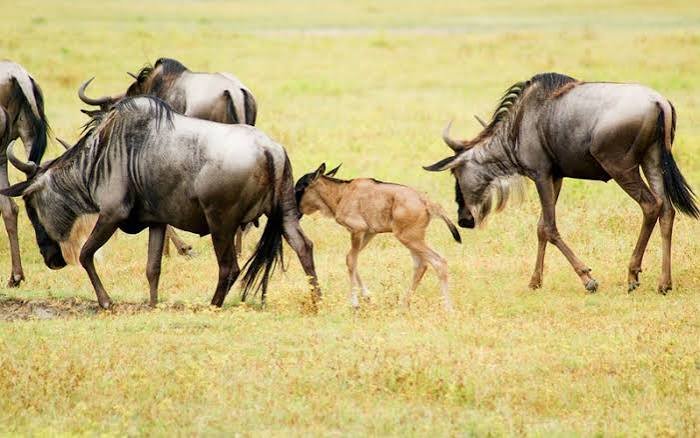
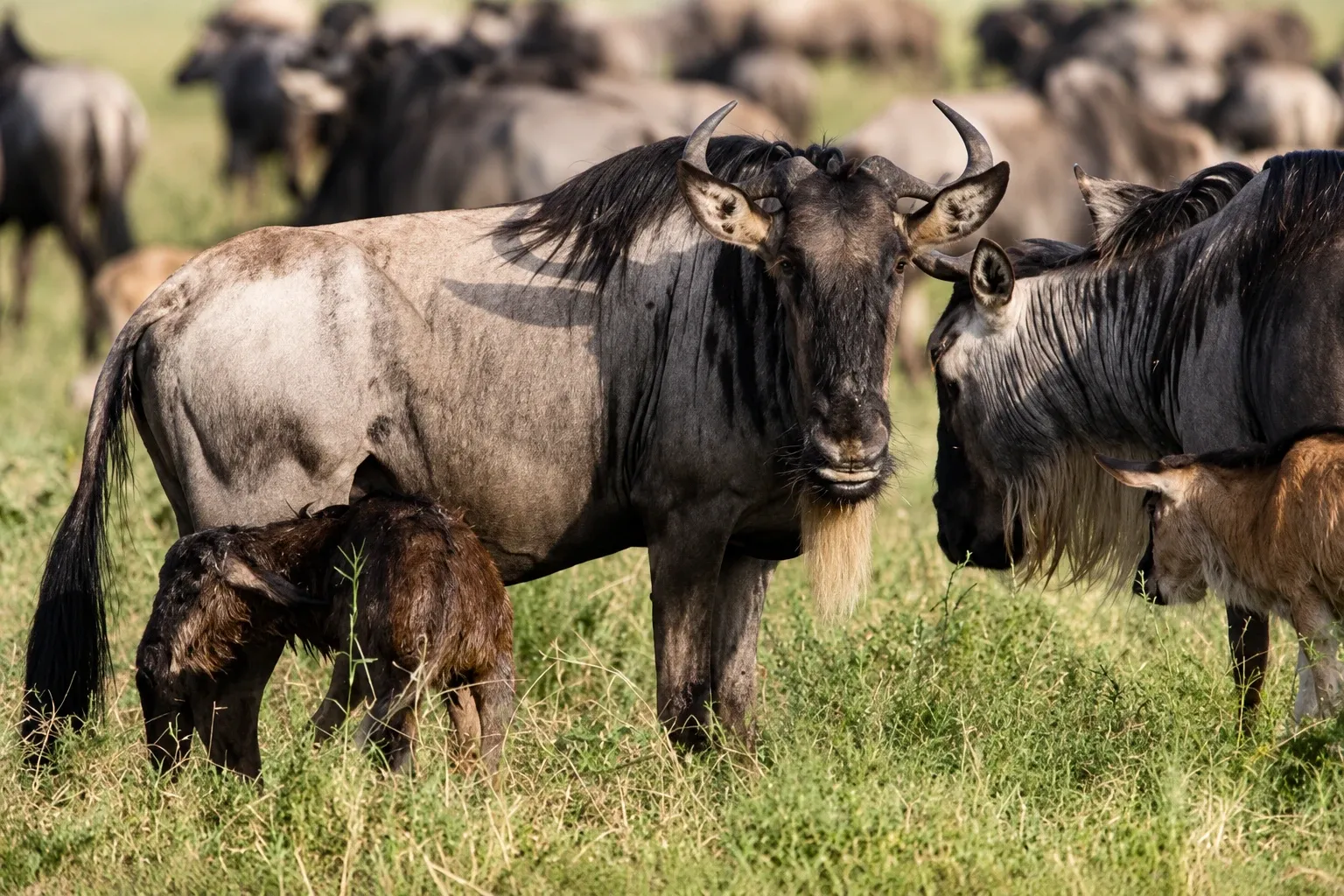
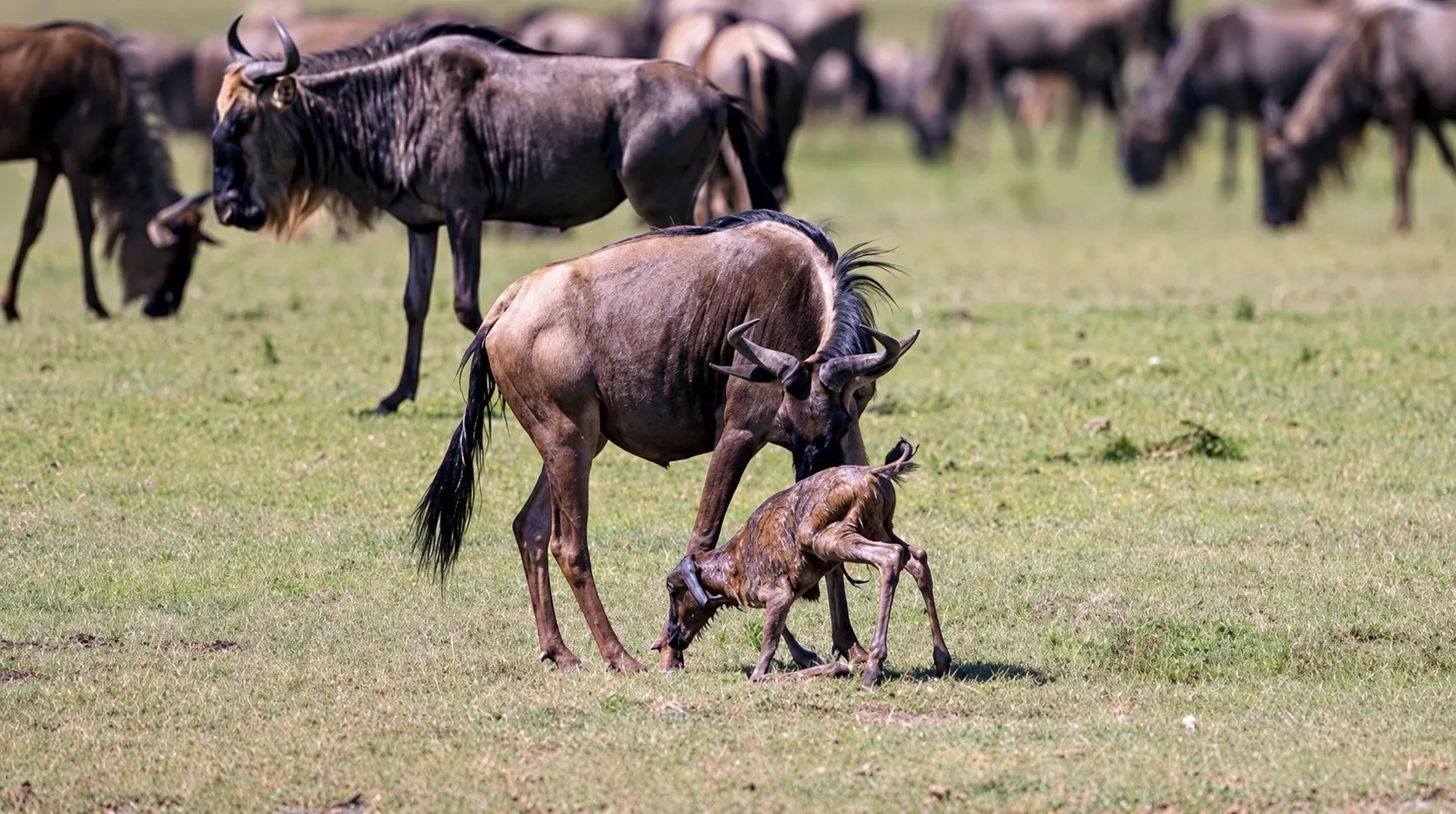
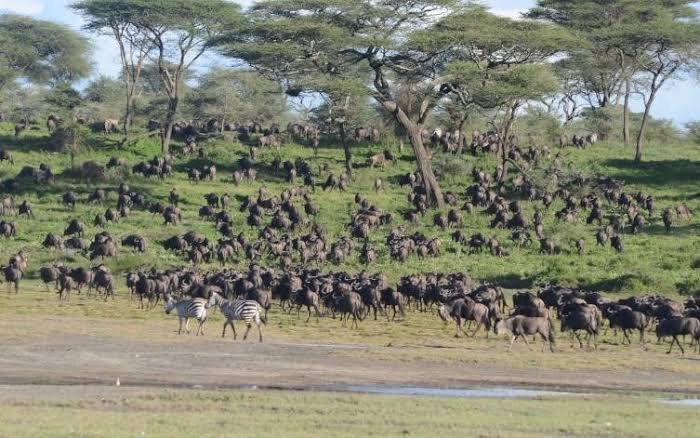
January, February and March are important months in Ndutu because they coincide with the wildebeest calving season in the Southern Serengeti.
The weather is not continuously rainy. Instead, travellers should expect a mixture of sunshine, clouds and occasional rain, with conditions changing considerably from one day to another.
Ndutu is also relatively elevated compared with many lowland safari areas, so early mornings can feel cool even when afternoons become warm.
Ndutu Weather at a Glance
| Month | Typical daytime temperature | Typical night/early morning | Rainfall pattern | Safari conditions |
|---|---|---|---|---|
| January | About 26–28°C | About 15–16°C | Intermittent rain | Green, warm, occasional showers |
| February | About 27–29°C | About 15–16°C | Intermittent rain | Green, warm, generally suitable for safari |
| March | About 27–29°C | About 16°C | Increasing rainfall | Wetter, greener, occasional muddy tracks |
Ndutu Weather in January
January is an important transition period for the Southern Serengeti. The landscape is generally green following the rains, and calving activity begins to become increasingly important toward the latter part of the month.
Climate data for the wider Serengeti indicate daytime temperatures around the high 20s Celsius and cooler overnight temperatures. Rain can occur during January, but it does not necessarily mean that safari activities are washed out for the entire day.
What January Feels Like in Ndutu
Expect:
- Warm afternoons
- Cool early mornings
- Green grasslands
- Occasional showers
- Cloudy periods mixed with sunshine
- Fresh vegetation
- Increasing calving-season activity
For safari travellers, the combination of green scenery and changing weather can create very different conditions from one game drive to another.
Ndutu Weather in February
February is one of the key months for visiting Ndutu because the calving season is well established across the Southern Serengeti.
February temperatures remain warm during the day, while mornings and nights can still be cool. Climate datasets for the Serengeti show February daytime temperatures around 28–29°C and minimum temperatures around 15–16°C, although actual Ndutu conditions can vary.
What February Feels Like in Ndutu
Expect:
- Warm daytime temperatures
- Cooler mornings
- Green plains
- Intermittent rainfall
- Fresh grass
- Cloudy and sunny periods
- Excellent conditions for spending extended periods on game drives
February can be particularly attractive to travellers who want to combine the calving season with green landscapes.
Ndutu Weather in March
March generally brings a greater risk of rainfall as Tanzania moves toward the main long-rain period.
This does not mean that every day in March is wet. Weather patterns can vary significantly, and rainfall may occur as showers rather than continuous rain.
Climate datasets for the Serengeti show March remaining warm, with daytime temperatures around 28°C and higher rainfall than January or February in several climate datasets.
What March Feels Like in Ndutu
Expect:
- Warm afternoons
- Cool mornings
- More frequent rain than earlier in the season
- Very green vegetation
- Dramatic skies
- Potentially muddy sections of road after heavy rain
For travellers visiting in March, a good safari vehicle and flexible itinerary become particularly important because road conditions can change after rainfall.
Does It Rain Every Day in Ndutu During Calving Season?
No.
This is an important distinction when planning a January–March safari.
Ndutu's calving season coincides with rainfall, but rainfall does not necessarily mean continuous rain from morning to evening. Climate data show variation in both the amount and frequency of rainfall across the Serengeti.
A typical safari day can include:
- A cool morning departure
- Sunshine during the morning
- Increasing cloud cover
- A short afternoon or evening shower
- Clearer conditions afterwards
Actual weather can vary considerably from one year to another.
Which Month Has the Best Weather for a Ndutu Safari?
For travellers comparing the three calving-season months:
| Factor | January | February | March |
|---|---|---|---|
| Daytime temperatures | Warm | Warmest of the 3 in many datasets | Warm |
| Rainfall | Moderate/intermittent | Moderate/intermittent | Generally increasing |
| Green scenery | Excellent | Excellent | Excellent |
| Calving season | Beginning/active | Strong calving period | Still within calving period |
| Early-morning temperatures | Cool | Cool | Cool |
| Mud risk | Moderate | Moderate | Higher |
| Packing requirement | Light rain gear | Light rain gear | Stronger rain protection |
The practical difference is that March generally requires greater preparation for wet conditions, while January and February can offer a useful balance between green landscapes, warm temperatures and safari accessibility.
However, rainfall is spatially variable across the Serengeti, so these should be treated as seasonal patterns rather than guarantees.
Does Ndutu Weather Affect the Calving Season?
Weather is one of the factors influencing the ecological conditions of the Southern Serengeti.
Rainfall produces fresh vegetation, which provides grazing for wildebeest and other herbivores. Southern Serengeti's January-March calving period is connected with fresh rains and renewed grass growth.
The exact location and timing of wildlife movements can still vary according to rainfall, pasture conditions and other ecological factors.
Therefore, a safari operator should avoid promising that wildlife will be in one exact location on a particular date.
What Are Ndutu Mornings and Evenings Like?
Even though daytime temperatures can reach the upper 20s Celsius, early mornings can feel distinctly cool.
This matters because many game drives start early, when temperatures are lower than they will be later in the day.
For an early morning game drive, travellers should consider:
- A fleece or warm jacket
- Long trousers
- Closed shoes
- A light rain jacket
- Layers that can be removed as temperatures rise
By late morning, the same clothing may feel too warm.
What Should You Pack for Ndutu in January, February and March?
A practical calving-season packing list includes:
- Lightweight trousers
- Long-sleeved shirts
- T-shirts
- Fleece or warm jacket
- Lightweight waterproof jacket
- Comfortable closed shoes
- Sun hat
- Sunglasses
- Sunscreen
- Insect repellent
- Small daypack
- Binoculars
- Camera equipment
- Personal medications
- Reusable water bottle
Should You Bring Rain Gear?
Yes.
Even if your travel dates are mainly in January or February, rain protection is useful.
For March, waterproof outerwear becomes particularly important because rainfall generally increases as the long-rain season develops.
A light waterproof jacket is usually more practical for safari than carrying heavy rain clothing.
Is January, February or March Good for Photography?
All 3 months can provide strong photographic conditions, but the visual character changes with the weather.
January: green landscapes, clouds and changing light.
February: green plains, warm light and calving-season wildlife activity.
March: greener vegetation, dramatic skies and greater potential for rain-related conditions.
Rain can actually change the quality of light and create reflections, cloud formations and dramatic skies. However, photographers should protect cameras and lenses from sudden showers and dust.
KiliPori Expert Recommendation
For travellers planning a Ndutu calving season safari, KiliPori recommends preparing for variable weather rather than expecting either a completely dry or completely rainy safari.
January and February are particularly practical months for combining warm daytime conditions, green landscapes and the calving season. March can also be rewarding, but travellers should be more prepared for rainfall and potentially wetter road conditions.
The most important preparation is layered clothing: mornings can be cool, while temperatures rise significantly later in the day. A light waterproof jacket should also be included regardless of the exact month.
Frequently Asked Questions
Is January a good month to visit Ndutu?
Yes. January is within the Southern Serengeti's calving-season period, with green vegetation and generally warm daytime temperatures. Rain showers are possible, so travellers should bring light rain protection.
Is February rainy in Ndutu?
February can receive rainfall, but it is not necessarily continuously wet. Rainfall varies from year to year and across different parts of the Serengeti.
Is March too rainy for a Ndutu safari?
No. March can still be suitable for safari, but rainfall generally increases and some unpaved tracks may become wetter or muddier. Travellers should allow flexibility in their safari routing.
What temperature is Ndutu in February?
Typical February daytime temperatures in the wider Serengeti are around 28-29°C, while nighttime or early-morning temperatures can fall to approximately 15-16°C. Exact conditions at Ndutu vary.
What should I wear in Ndutu in January?
Use layers. Wear long trousers and a warm jacket or fleece for early morning game drives, then switch to lighter clothing as temperatures rise. Carry a lightweight waterproof jacket.
Is Ndutu cold in the morning?
It can feel cool, particularly during early morning game drives. Even though afternoon temperatures can reach the upper 20s Celsius, early-morning temperatures are commonly around the mid-teens Celsius.
Does Ndutu have a dry season in January and February?
January and February are not part of Tanzania's main dry season. They fall within the greener part of the year, with rainfall occurring intermittently. The wider Serengeti's main dry period is generally associated with June-October.
Is Ndutu weather predictable?
Only to a limited extent. Climate data can show typical seasonal patterns, but rainfall and temperatures can vary between years and locations. A historical average should not be treated as a forecast for a particular safari date.
Plan Your Trip With KiliPori Safaris
Planning a Ndutu safari during January, February or March means choosing the right combination of travel dates, accommodation, safari duration and route for the seasonal conditions.
KiliPori Safaris can help arrange a private Ndutu calving season safari and combine it with destinations such as Central Serengeti, Ngorongoro or Tarangire according to your available time.
For a personalized itinerary and accurate quotation, share your travel dates, number of travellers and preferred accommodation level.
WhatsApp: +255 755 287 311
Final Recommendation
Ndutu's weather from January to March is generally warm during the day, cooler in the early morning and variable in terms of rainfall. January and February are green-season months with intermittent rain, while March generally brings a greater likelihood of wetter conditions. The three months also overlap with the Southern Serengeti's important wildebeest calving period.
For your packing, prioritize layers, a warm early-morning jacket and lightweight rain protection. Most importantly, treat historical weather figures as planning guidance rather than a guarantee. For a Ndutu safari, flexible routing and an experienced safari team are valuable when weather changes road conditions.

KiliPori Safaris Travel Team
A local Tanzania team helping travellers plan wildlife safaris, Kilimanjaro climbs and Zanzibar holidays with clear routing and direct destination support.
Published September 17, 2026. Travel conditions, fees and schedules can change; confirm time-sensitive details before departure.