Explore this guide
Our guides combine current planning research with practical knowledge from arranging safaris, Kilimanjaro climbs and Zanzibar holidays.
How Hard Is It to Climb Mount Kilimanjaro? Fitness Level Explained (2026 Guide)
Climbing Mount Kilimanjaro is often described as “non-technical,” meaning you don’t need ropes or climbing experience. However, that does not make it easy. At 5,895 meters (19,341 ft), Kilimanjaro is a high-altitude endurance challenge where the main difficulty is not steep climbing, but low oxygen, long trekking days, and altitude adaptation.
Understanding the real difficulty level and required fitness is essential before attempting the climb.
Is Mount Kilimanjaro Hard to Climb?
Kilimanjaro is considered a moderate to challenging trek, depending on the route and duration. Most people who are physically healthy and properly prepared can attempt it, but success is not guaranteed.
The difficulty comes from three main factors:
- High altitude (oxygen levels drop significantly above 3,000m)
- Long trekking days (5–8 hours daily on average)
- Summit night push (10–14 hours of continuous hiking in cold conditions)
So while it is not a technical climb, it is physically and mentally demanding.
Main Challenge: Altitude, Not Fitness
One of the most misunderstood aspects of Kilimanjaro is that fitness alone does not guarantee success. Even very fit athletes can struggle with acute mountain sickness (AMS).
At higher elevations:
- Oxygen levels drop to about 50% of sea level
- Breathing becomes harder even at rest
- Energy levels decrease significantly
This is why slow acclimatization is more important than speed or strength.
Required Fitness Level for Kilimanjaro
You do not need to be an athlete, but you should be in good cardiovascular condition.
Recommended fitness level:
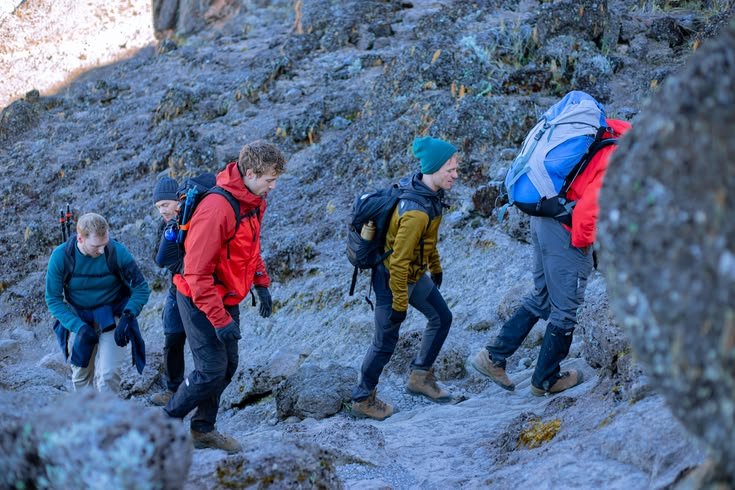
- Able to walk 6–8 hours per day with breaks
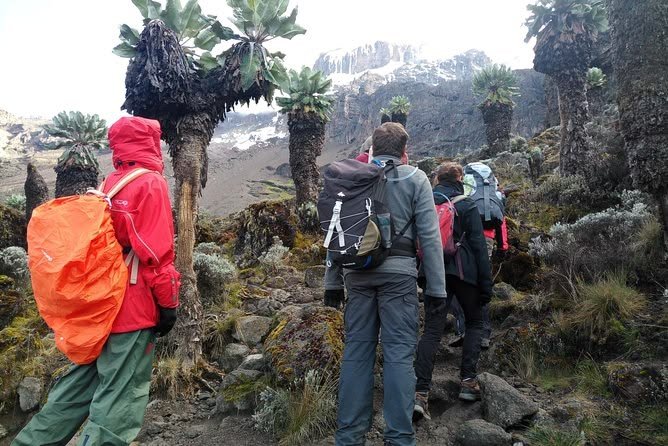
- Comfortable hiking on uneven terrain
- Moderate endurance for uphill walking
- Basic stamina for multi-day trekking
Ideal preparation fitness:
- Regular walking, jogging, or cycling
- Weekly long hikes (training hikes with elevation if possible)
- Ability to climb stairs for 1–2 hours without exhaustion
Who Can Successfully Climb Kilimanjaro?
Kilimanjaro has been successfully climbed by:
- First-time trekkers
- Older climbers in their 50s and 60s
- People with average fitness levels
- Adventurers without prior mountaineering experience
However, success depends heavily on:
- Route selection (longer routes = higher success rate)
- Proper pacing (“pole pole” slow walking)
- Good hydration and rest
- Experienced guiding support
Difficulty by Route (Very Important)
The route you choose directly affects difficulty:
- Marangu Route (5–6 days): Harder due to fast ascent
- Machame Route (6–7 days): Moderate difficulty with good acclimatization
- Lemosho Route (7–8 days): Easiest for summit success due to gradual ascent
Longer routes are physically easier on the body even though they take more days.
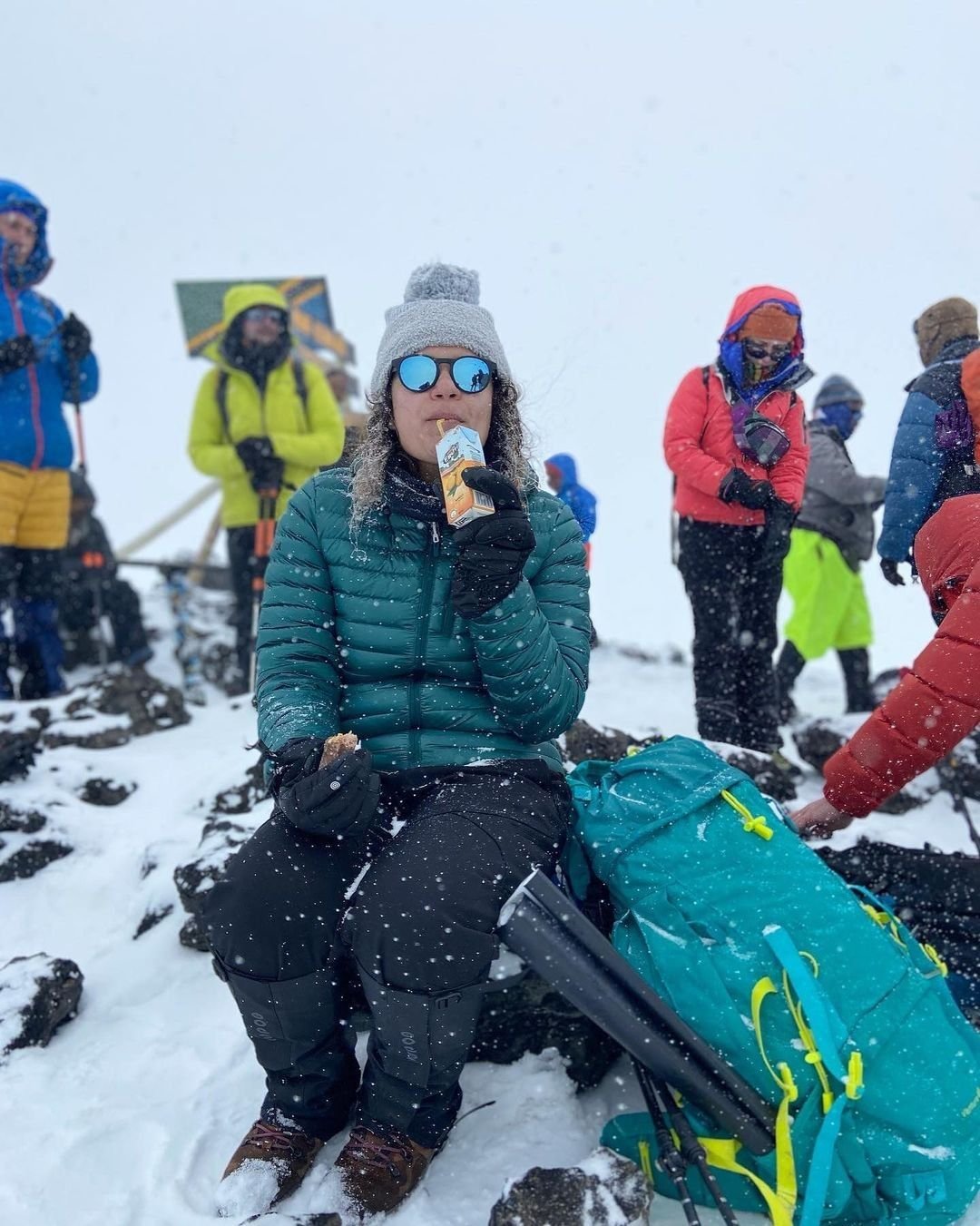
Summit Night: The Hardest Part
The most difficult section of Kilimanjaro is the final summit push.
Expect:
- Start around midnight
- Sub-zero temperatures (-10°C to -20°C)
- Strong winds at higher altitude
- 6–8 hours uphill to Uhuru Peak
- 3–5 hours descent immediately after reaching the summit
This section is where mental strength becomes just as important as physical fitness.
How to Prepare Physically for Kilimanjaro
Proper preparation increases your chances of success significantly.
Recommended training plan (6–10 weeks before climb):
- Long hikes (weekends if possible)
- Stair climbing workouts
- Jogging or cycling 3–4 times per week
- Strength training for legs and core
- Practice hiking with a backpack
Training at altitude is not required, but endurance training is essential.
Expert Insight (Real Climbing Experience)
In real expeditions, climbers with moderate fitness often succeed when they:
- Walk slowly and consistently
- Follow guide instructions strictly
- Choose longer acclimatization routes
- Stay hydrated and eat regularly
On the other hand, fast and highly competitive hikers are more likely to suffer altitude sickness because they ascend too quickly.
This is why professional operators like Kilipori Safaris focus heavily on pacing, acclimatization schedules, and guide monitoring throughout the climb.
Common Myths About Kilimanjaro Difficulty
Myth 1: You need to be very fit
Not true. Fitness helps, but altitude is the real challenge.
Myth 2: It is just a long hike
It is more demanding than a normal hike due to extreme altitude and weather changes.
Myth 3: Only experienced climbers succeed
Many first-time trekkers reach the summit successfully with proper preparation.
Frequently Asked Questions
How fit do I need to be to climb Kilimanjaro?
You should be able to hike 6–8 hours per day and handle long uphill walking.
What is the hardest part of Kilimanjaro?
Summit night due to altitude, cold temperatures, and long continuous ascent.
Can beginners climb Mount Kilimanjaro?
Yes, beginners can climb successfully with proper preparation and a longer route.
What is the easiest route for beginners?
The Lemosho Route is generally the easiest due to gradual acclimatization.
Final Verdict
Climbing Mount Kilimanjaro is not technically difficult, but it is a serious physical and altitude challenge. With proper preparation, the right route, and a steady pace, most healthy trekkers can reach the summit successfully.
The key to success is not speed or strength—it is endurance, patience, and acclimatization strategy.

KiliPori Safaris Travel Team
A local Tanzania team helping travellers plan wildlife safaris, Kilimanjaro climbs and Zanzibar holidays with clear routing and direct destination support.
Published July 6, 2026. Travel conditions, fees and schedules can change; confirm time-sensitive details before departure.