Explore this guide
Our guides combine current planning research with practical knowledge from arranging safaris, Kilimanjaro climbs and Zanzibar holidays.
Is K2 Kilimanjaro? The Clear Answer
No, K2 is not Mount Kilimanjaro. They are two completely different mountains located on different continents.
K2 is an 8,611-metre mountain in the Karakoram Range on the Pakistan–China border. It is the second-highest mountain in the world after Mount Everest and one of the most technically demanding mountains to climb.
Mount Kilimanjaro is a 5,895-metre volcanic mountain in northern Tanzania, East Africa. It is the highest mountain in Africa, the world’s highest free-standing volcanic mountain and one of the Seven Summits.
The confusion may come from the letter “K.” K2 is the recognised name of the Asian mountain, while Kilimanjaro has a volcanic cone named Kibo. However, Kibo is not K2, and K2 is not another name for Kilimanjaro.
K2 vs Kilimanjaro: Quick Comparison
| Feature | Mount Kilimanjaro | K2 |
|---|---|---|
| Location | Northern Tanzania, East Africa | Pakistan–China border in Asia |
| Mountain range | Free-standing volcanic massif | Karakoram Range |
| Elevation | 5,895 metres (19,341 feet) | 8,611 metres (28,251 feet) |
| Global status | Highest mountain in Africa | Second-highest mountain in the world |
| Mountain type | Volcanic mountain | Steep rock-and-ice mountain |
| Main summit | Uhuru Peak | K2 Summit |
| Climbing style | High-altitude trekking | Technical mountaineering |
| Technical experience | Not normally required on standard routes | Extensive technical experience required |
| Typical duration | Approximately 5–9 days | Several weeks |
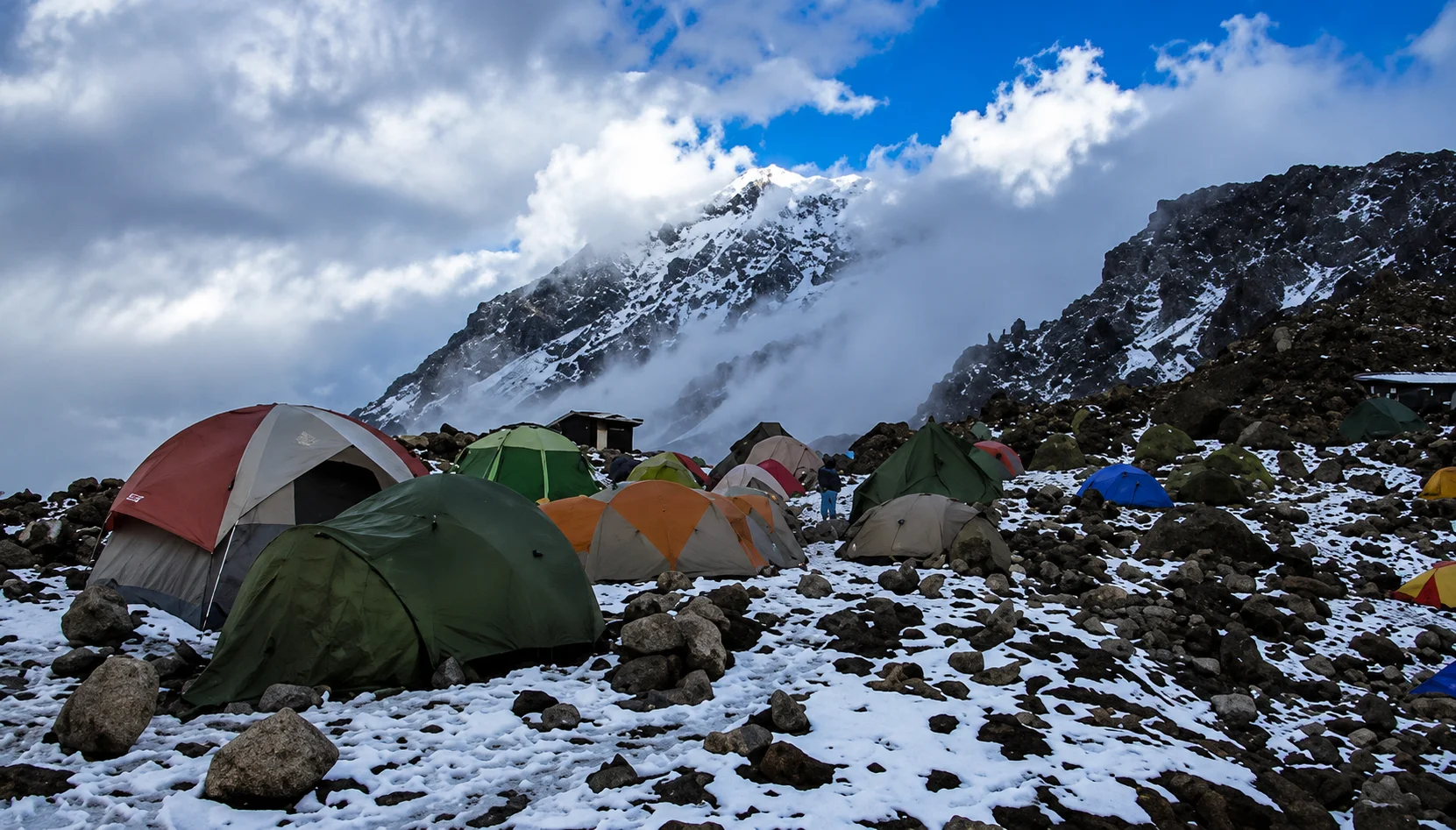
| Accommodation | Tents or mountain huts | Base camp and high-altitude expedition camps |
| Suitable for beginners | Possible with training and acclimatisation | No |
| Primary challenges | Altitude, cold and summit-night fatigue | Extreme altitude, steep terrain, rockfall, avalanches and severe weather |
Where Is K2 Located?
K2 is located in the Karakoram Range in Asia, along the Pakistan–China border. It is not in Tanzania or anywhere else in Africa.
At 8,611 metres above sea level, K2 is the second-highest mountain in the world. Only Mount Everest is higher. K2 is also sometimes called Mount Godwin-Austen, although K2 remains its most widely recognised name.
The name K2 originated during a nineteenth-century survey of the Karakoram Range. The letter “K” referred to Karakoram, while the number “2” identified the mountain during the survey. The name has no connection to Kibo or Kilimanjaro.
Climbing K2 is a serious technical expedition. Mountaineers face steep rock, ice, exposed slopes, rockfall, avalanches, sudden storms and extremely low oxygen levels. It is unsuitable for inexperienced climbers.
Where Is Mount Kilimanjaro Located?
Mount Kilimanjaro is located in the Kilimanjaro Region of northern Tanzania, close to Moshi. Most international climbers arrive through Kilimanjaro International Airport before travelling to Moshi or Arusha.
Kilimanjaro reaches 5,895 metres at Uhuru Peak, making it:
- The highest mountain in Tanzania
- The highest mountain in Africa
- One of the Seven Summits
- The world’s highest free-standing volcanic mountain
- A UNESCO World Heritage Site
Unlike K2, Kilimanjaro is not part of an extensive mountain range. Its enormous volcanic structure rises independently above the plains of northern Tanzania.
What Are the Three Volcanic Cones of Kilimanjaro?
Mount Kilimanjaro consists of three main volcanic cones:
- Kibo: Kilimanjaro’s highest cone and the location of Uhuru Peak.
- Mawenzi: A rugged volcanic cone requiring technical skills for specialist climbing activities.
- Shira: The oldest and most heavily eroded of Kilimanjaro’s three cones.
Most Mount Kilimanjaro climbing tours aim for Uhuru Peak on Kibo. Reaching this summit places a climber at the highest point in Africa.
Is Kilimanjaro Also Called K2?
No. Kilimanjaro has never been geographically classified as K2.
The main names connected with Mount Kilimanjaro are:
- Mount Kilimanjaro: The complete volcanic massif.
- Kibo: The mountain’s highest volcanic cone.
- Uhuru Peak: The highest point on Kilimanjaro at 5,895 metres.
- Mawenzi: Kilimanjaro’s second-highest volcanic cone.
- Shira: The oldest of its three main cones.
K2 is a separate mountain in Asia. Searches such as “K2 Kilimanjaro,” “K2 mountain Tanzania” and “Is K2 in Africa?” normally result from confusing the names of two famous climbing destinations.
Is Mount Kilimanjaro the Second-Highest Mountain in the World?
No. K2 is the second-highest mountain in the world, not Kilimanjaro.
Kilimanjaro is the highest mountain in Africa, but its elevation of 5,895 metres places it below the world’s 8,000-metre peaks. K2 is 2,716 metres higher than Kilimanjaro.
Kilimanjaro’s global importance comes from being Africa’s highest summit, one of the Seven Summits and an accessible high-altitude trekking mountain.
Is K2 Harder to Climb Than Kilimanjaro?
Yes, K2 is considerably harder and more dangerous to climb than Mount Kilimanjaro.
A K2 expedition requires advanced skills in rock climbing, ice climbing, rope systems, glacier travel and survival at extreme altitude. Climbers must operate above 8,000 metres, where the body cannot fully acclimatise.
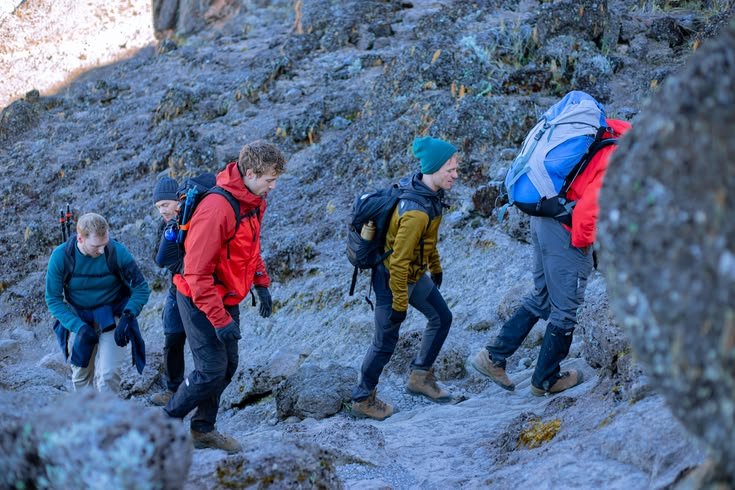
Mount Kilimanjaro does not normally require technical mountaineering skills when approached through established routes such as Lemosho, Machame, Marangu or Rongai. Climbers generally walk to the summit with licensed guides and a mountain support team.
However, Kilimanjaro should not be described as easy. Its summit stands at 5,895 metres, where the available oxygen is much lower than at sea level. Altitude sickness, cold temperatures, physical exhaustion and the long summit attempt can prevent even physically fit travellers from reaching Uhuru Peak.
The main distinction is clear:
Kilimanjaro is a high-altitude trek. K2 is an extreme technical mountaineering expedition.
Do You Need Technical Experience to Climb Kilimanjaro?
You do not usually need ropes, ice axes or previous technical climbing experience for the standard Kilimanjaro routes. This makes the mountain achievable for active beginners who prepare properly and select a suitable itinerary.
You should still be able to:
- Walk for several consecutive days
- Manage steep and uneven mountain trails
- Carry a small daypack
- Follow your guide’s pace and safety instructions
- Cope with cold, wind and changing weather
- Continue walking while physically tired
- Spend several nights in basic mountain conditions
Fitness alone does not guarantee a successful Kilimanjaro climb. A gradual itinerary, adequate hydration, slow walking and sufficient acclimatisation time are equally important.
Travellers with existing medical conditions should consult a qualified medical professional before booking a high-altitude climb.
Which Kilimanjaro Route Is Best for First-Time Climbers?
Kilimanjaro has several established routes. The right choice depends on your available time, trekking experience, preferred scenery, budget and accommodation expectations.
Lemosho Route
The Lemosho Route is an excellent option for first-time climbers who want varied landscapes and more time to acclimatise. It begins on Kilimanjaro’s western side, crosses the Shira Plateau and later joins the southern circuit.
A seven- or eight-day Lemosho itinerary is generally preferable to a shorter climb because the additional time supports gradual altitude adjustment.
Machame Route
The Machame Route is one of Kilimanjaro’s most popular climbing routes. It offers changing scenery and a climb-high, sleep-low itinerary that can support acclimatisation.
The route includes the Barranco Wall, but this section is normally completed as a guided scramble rather than a technical rock climb. Six- and seven-day Machame itineraries are common.
Marangu Route
The Marangu Route is the only standard Kilimanjaro route with hut accommodation instead of tents. It is often selected by travellers who prefer dormitory-style sleeping facilities.
The five-day itinerary provides limited acclimatisation time. Adding another day creates a more gradual climbing schedule.
Rongai Route
The Rongai Route approaches Kilimanjaro from the northern side near the Kenyan border. It may suit travellers looking for a quieter trail and a different view of the mountain.
A six- or seven-day Rongai itinerary gives climbers more time to adjust to increasing altitude.
Umbwe Route
The Umbwe Route is steep and gains altitude quickly. It is better suited to experienced trekkers or climbers who have already acclimatised. It is generally not the first route we recommend for a beginner.
How Many Days Are Needed to Climb Kilimanjaro?
Most Mount Kilimanjaro climbs take between five and nine days. The duration depends on the route and selected itinerary.
| Kilimanjaro route | Common duration | Recommended for |
|---|---|---|
| Marangu | 5–6 days | Travellers who prefer hut accommodation |
| Machame | 6–7 days | Active climbers seeking varied scenery |
| Lemosho | 7–8 days | First-time climbers prioritising acclimatisation |
| Rongai | 6–7 days | Travellers seeking a quieter northern approach |
| Northern Circuit | 8–9 days | Climbers wanting a longer, gradual itinerary |
| Umbwe | 5–7 days | Experienced and well-prepared climbers |
At KiliPori Safaris, we do not recommend choosing an itinerary simply because it is the shortest or cheapest. Your route should reflect your fitness, previous trekking experience, available time and familiarity with high altitude.
Can an Ordinary Traveller Climb Kilimanjaro?
Yes. Many people who reach Uhuru Peak are ordinary travellers rather than professional mountaineers. They include couples, solo travellers, families, charity groups and adults completing a personal challenge.
A practical Kilimanjaro training programme should include:
- Regular walking and hiking
- Long walks on consecutive days
- Hill or stair training
- Cardiovascular exercise
- Leg and core strengthening
- Practice using trekking boots and a daypack
- Sufficient recovery and injury prevention
Training prepares your body for repeated walking, but it cannot completely prevent altitude sickness. It remains important to choose a gradual itinerary and follow the guidance of your mountain team.
What Makes Climbing Kilimanjaro Special?
Climbing Kilimanjaro involves more than reaching a famous summit. During a single trek, climbers pass through several ecological zones.
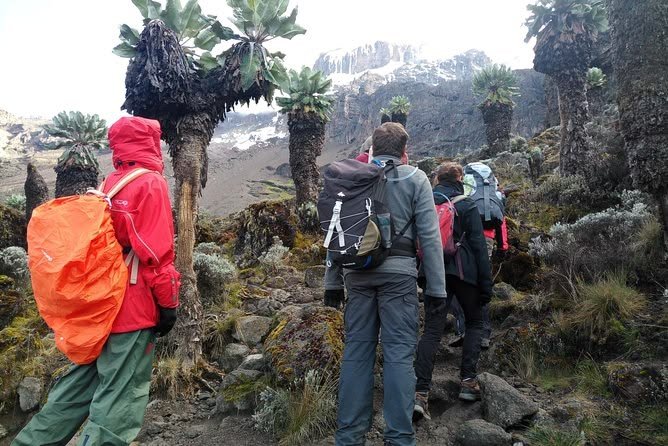
The journey can begin among cultivated foothills before entering montane forest. Higher elevations introduce heath and moorland, alpine desert and the cold summit zone around Kibo.
Depending on the route, important Kilimanjaro experiences may include:
- Crossing the Shira Plateau
- Climbing the Barranco Wall
- Seeing the rugged outline of Mawenzi
- Walking through Kilimanjaro’s alpine desert
- Watching the sunrise during the summit attempt
- Reaching Stella Point or Gilman’s Point
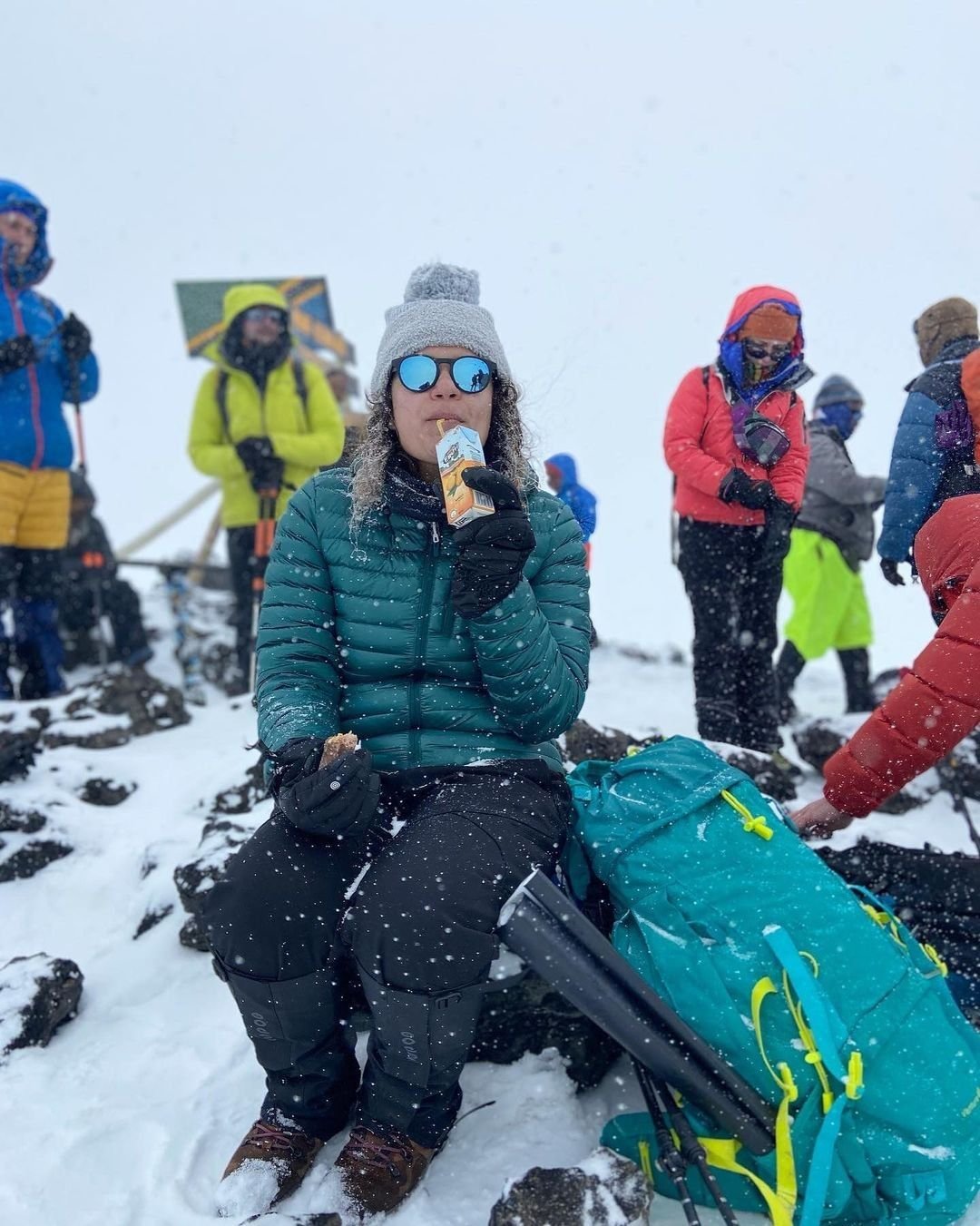
- Standing at Uhuru Peak at 5,895 metres
- Looking across northern Tanzania from Africa’s highest point
How KiliPori Safaris Plans Your Kilimanjaro Climb
A successful Kilimanjaro climbing tour begins before you reach the mountain gate. KiliPori Safaris helps travellers choose an itinerary based on their experience, available days, preferred route and wider Tanzania travel plans.
Your Kilimanjaro climbing arrangement can include:
- Personalised route and itinerary consultation
- Airport and hotel transfers
- Pre-climb briefing
- Licensed Kilimanjaro mountain guides
- Porters and mountain support crew
- Park entry and camping or hut arrangements
- Mountain meals and drinking-water organisation
- Emergency and evacuation planning
- Pre-climb and post-climb accommodation
- An optional Tanzania safari or Zanzibar extension
If you are unsure whether Lemosho, Machame, Marangu or Rongai is right for you, tell our team your hiking experience, preferred travel dates and available days. We can recommend a realistic itinerary suited to your plans.
Should You Climb K2 or Kilimanjaro?
For most travellers comparing K2 vs Kilimanjaro, Mount Kilimanjaro is the realistic choice.
Consider Kilimanjaro if you:
- Want to climb the highest mountain in Africa
- Do not have technical mountaineering experience
- Can train for a multi-day high-altitude trek
- Want a guided climb lasting approximately one week
- Want to complete one of the Seven Summits
- Would like to combine mountain climbing with a Tanzania safari
- Want to add a Zanzibar beach holiday after your climb
K2 is suitable only for highly experienced mountaineers with advanced technical skills and extensive experience on very high mountains.
KiliPori Safaris organises Mount Kilimanjaro climbing tours in Tanzania. Our expertise focuses on helping travellers plan responsible Kilimanjaro trekking itineraries supported by a local mountain team.
Frequently Asked Questions About K2 and Kilimanjaro
Is K2 another name for Mount Kilimanjaro?
No. K2 and Mount Kilimanjaro are different mountains. K2 is in the Karakoram Range in Asia, while Kilimanjaro is in northern Tanzania.
Is K2 located in Tanzania?
No. K2 is located along the Pakistan–China border. Mount Kilimanjaro is the famous mountain located in Tanzania.
Is K2 in Africa?
No. K2 is in Asia. Mount Kilimanjaro is in Africa.
Which is higher, K2 or Kilimanjaro?
K2 is higher. K2 reaches 8,611 metres, while Mount Kilimanjaro reaches 5,895 metres. K2 is 2,716 metres higher.
Which is harder, K2 or Kilimanjaro?
K2 is considerably harder. It requires advanced technical skills and involves extreme altitude, steep ice, rockfall, avalanches and severe weather. Standard Kilimanjaro routes are non-technical treks, although altitude makes them physically demanding.
Can a beginner climb K2?
No. K2 is unsuitable for beginners. Attempting it requires years of technical climbing and high-altitude expedition experience.
Can a beginner climb Mount Kilimanjaro?
A physically prepared beginner can attempt Kilimanjaro with a licensed guide, appropriate equipment and sufficient acclimatisation time. Previous hiking experience is helpful but not always required.
Is Kilimanjaro part of the Himalayas?
No. Kilimanjaro is a free-standing volcanic mountain in Tanzania. K2 is in the Karakoram Range, which is geographically distinct from the Himalayas.
What is the highest point on Kilimanjaro?
Uhuru Peak is the highest point on Mount Kilimanjaro. It stands at 5,895 metres above sea level on the Kibo volcanic cone.
What is the best Kilimanjaro route for beginners?
Seven- or eight-day Lemosho and seven-day Machame itineraries are often suitable for prepared first-time climbers. However, the best route depends on the traveller’s fitness, experience, time and preferences.
Plan Your Mount Kilimanjaro Climb with KiliPori Safaris
K2 is not Kilimanjaro, but you do not need to be an elite technical mountaineer to experience one of the world’s most recognised summits.
Mount Kilimanjaro gives prepared travellers the opportunity to walk from Tanzania’s green mountain forest to Uhuru Peak, the highest point in Africa. The challenge is serious, but careful route selection, physical preparation, gradual acclimatisation and experienced local support can make your climbing goal more realistic.
Tell KiliPori Safaris when you want to travel, how many days you have and whether you prefer Lemosho, Machame, Marangu or Rongai. We can create a personalised Kilimanjaro climbing itinerary and combine it with a Serengeti safari, Ngorongoro Crater tour or Zanzibar holiday.
Anything you would like to ask about climbing Kilimanjaro? Chat with KiliPori Safaris on WhatsApp: +255 755 287 311.
Written by the KiliPori Safaris Kilimanjaro Travel Team
Local Tanzania safari and mountain-climbing specialists.

KiliPori Safaris Travel Team
A local Tanzania team helping travellers plan wildlife safaris, Kilimanjaro climbs and Zanzibar holidays with clear routing and direct destination support.
Published August 3, 2026. Travel conditions, fees and schedules can change; confirm time-sensitive details before departure.