Explore this guide
Our guides combine current planning research with practical knowledge from arranging safaris, Kilimanjaro climbs and Zanzibar holidays.
Kilimanjaro Death Rate: Is Climbing Mount Kilimanjaro Safe?
Climbing Mount Kilimanjaro is one of Africa's greatest adventures, but many travelers naturally ask one important question before booking:
"How dangerous is Kilimanjaro?"
Stories online about altitude sickness and mountain rescues often create unnecessary fear. The reality is far more balanced.
Every year, tens of thousands of climbers successfully reach Mount Kilimanjaro, while only a very small number experience life-threatening emergencies. The mountain is considered a non-technical trek, meaning no climbing ropes, mountaineering equipment, or previous alpine experience is required. However, its extreme altitude demands proper preparation and respect.
At Kilipori Safaris, we believe understanding the real risks—not exaggerated headlines—is the first step toward climbing safely.
In this guide, our Kilimanjaro specialists explain:
- The actual Kilimanjaro death rate
- Why fatalities occur
- How altitude affects the body
- Which routes are safest
- How professional mountain teams reduce risks
- What every climber should do before the expedition
Quick Answer: What Is the Kilimanjaro Death Rate?
The exact number changes slightly from year to year because there is no single worldwide reporting system.
However, tourism authorities, park officials, and mountain operators generally estimate:
| StatisticEstimated Figure | |
| Annual climbers | 50,000–60,000+ |
| Estimated deaths each year | 3–10 |
| Approximate fatality rate | Less than 0.02% |
That means more than 99.98% of climbers return safely from the mountain.
Compared with technical mountains requiring ropes, glaciers, and ice climbing, Kilimanjaro is statistically much safer.
The greatest challenge is altitude, not difficult terrain.
Is Mount Kilimanjaro Dangerous?
The short answer is:
It can be—but only if altitude is underestimated.
Unlike Everest or Denali, Kilimanjaro does not expose climbers to:
- Ice walls
- Avalanche zones
- Rock climbing
- Technical glacier crossings
- Extreme vertical exposure
Instead, the primary hazard is climbing too high, too quickly.
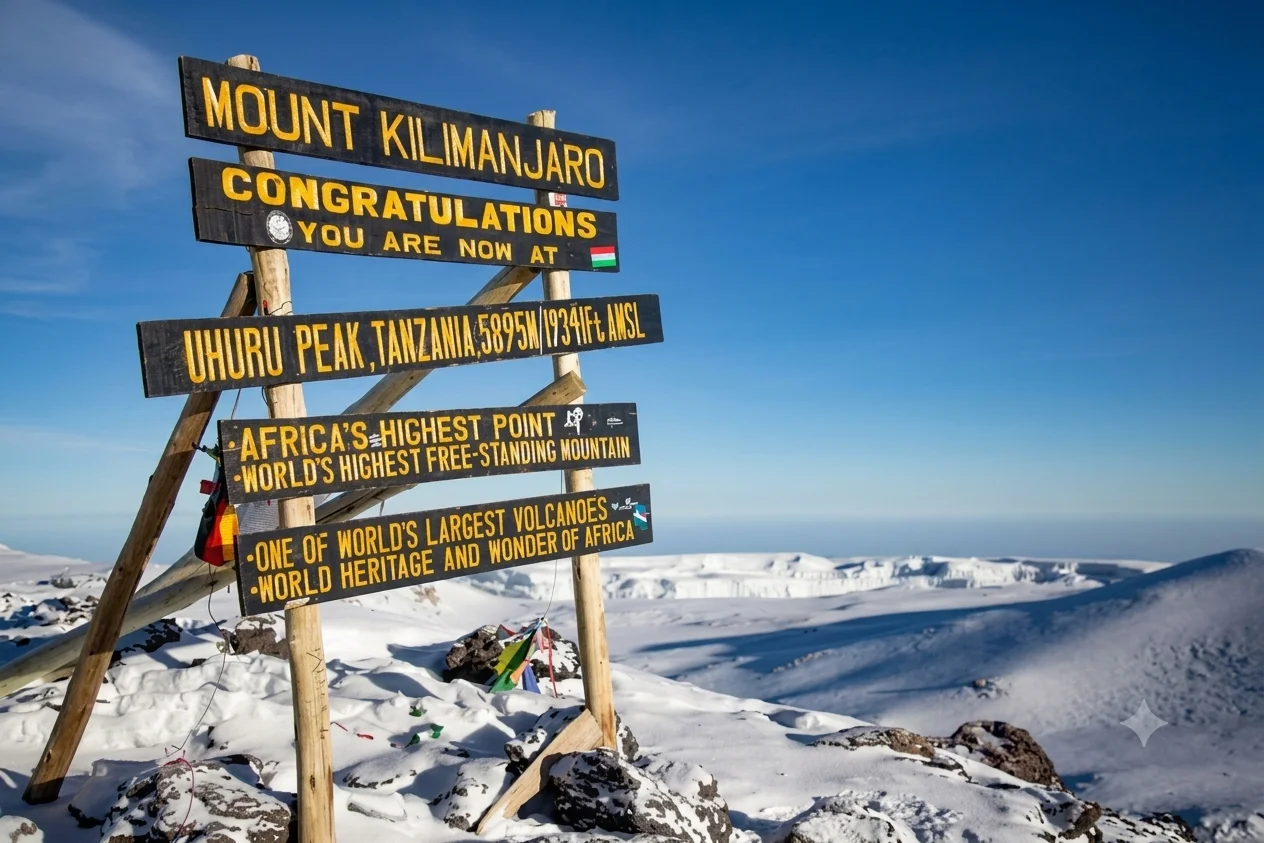
The summit of Uhuru Peak stands at 5,895 meters (19,341 feet), where oxygen levels are roughly half of what they are at sea level.
Even healthy athletes can develop altitude sickness if they ascend too rapidly.
What Causes Deaths on Kilimanjaro?
Contrary to popular belief, exhaustion is rarely the direct cause.
The majority of serious emergencies are linked to Acute Mountain Sickness (AMS) progressing into more severe altitude illnesses.
1. High Altitude Cerebral Edema (HACE)
HACE occurs when swelling develops in the brain because of inadequate oxygen.
Symptoms include:
- Severe confusion
- Loss of coordination
- Difficulty walking
- Extreme headache
- Altered consciousness
Without immediate descent, HACE becomes life-threatening.
2. High Altitude Pulmonary Edema (HAPE)
HAPE occurs when fluid accumulates in the lungs.
Early warning signs include:
- Persistent cough
- Chest tightness
- Shortness of breath while resting
- Rapid breathing
- Pink or frothy sputum
Immediate descent and oxygen therapy are essential.
3. Ignoring Symptoms
Many climbers continue ascending despite warning signs because they focus only on reaching the summit.
Experienced guides know that the summit is optional; returning safely is mandatory.
4. Choosing an Itinerary That Is Too Short
One of the biggest mistakes travelers make is selecting the cheapest itinerary with too few climbing days.
A five-day climb gives the body significantly less time to adapt than a seven- or eight-day climb.
More acclimatization generally means:
- Better oxygen adaptation
- Higher summit success
- Lower medical risk
Does Fitness Prevent Altitude Sickness?
No.
This surprises many climbers.
Altitude sickness does not depend on:
- Age
- Athletic ability
- Gym experience
- Marathon training
An Olympic athlete can develop severe altitude sickness, while a beginner hiker may reach the summit comfortably.
Fitness helps with endurance, but acclimatization determines how well your body adapts to altitude.
Which Kilimanjaro Routes Are the Safest?
Some routes provide significantly better acclimatization because they allow gradual altitude gain.
| RouteDaysSafety for Altitude | ||
| Northern Circuit | 8–9 | Excellent |
| Lemosho Route | 7–8 | Excellent |
| Machame Route | 7 | Very Good |
| Rongai Route | 7 | Very Good |
| Marangu Route | 5–6 | Moderate |
| Umbwe Route | 6 | Challenging |
Longer itineraries consistently produce higher summit success and fewer altitude-related evacuations.
At Kilipori Safaris, we generally recommend 7 days or more for most climbers because additional acclimatization significantly improves safety.
How Professional Guides Reduce Risk
A licensed mountain crew does much more than lead the trail.
Professional Kilimanjaro guides continuously monitor each climber throughout the expedition.
Typical safety procedures include:
Daily Health Monitoring
Guides regularly assess:
- Heart rate
- Oxygen saturation
- Walking pace
- Hydration
- Appetite
- Energy levels
Altitude Assessments
Each evening, guides evaluate how well climbers are adapting before allowing further ascent.
Early recognition of symptoms is one of the most effective ways to prevent emergencies.
Emergency Oxygen
Professional expeditions carry emergency oxygen for altitude-related incidents until descent can begin.
Rescue Planning
Every Kilimanjaro expedition should have clear emergency evacuation procedures, including communication with Kilimanjaro National Park rescue services when necessary.
Summit Night: Why It Feels So Difficult
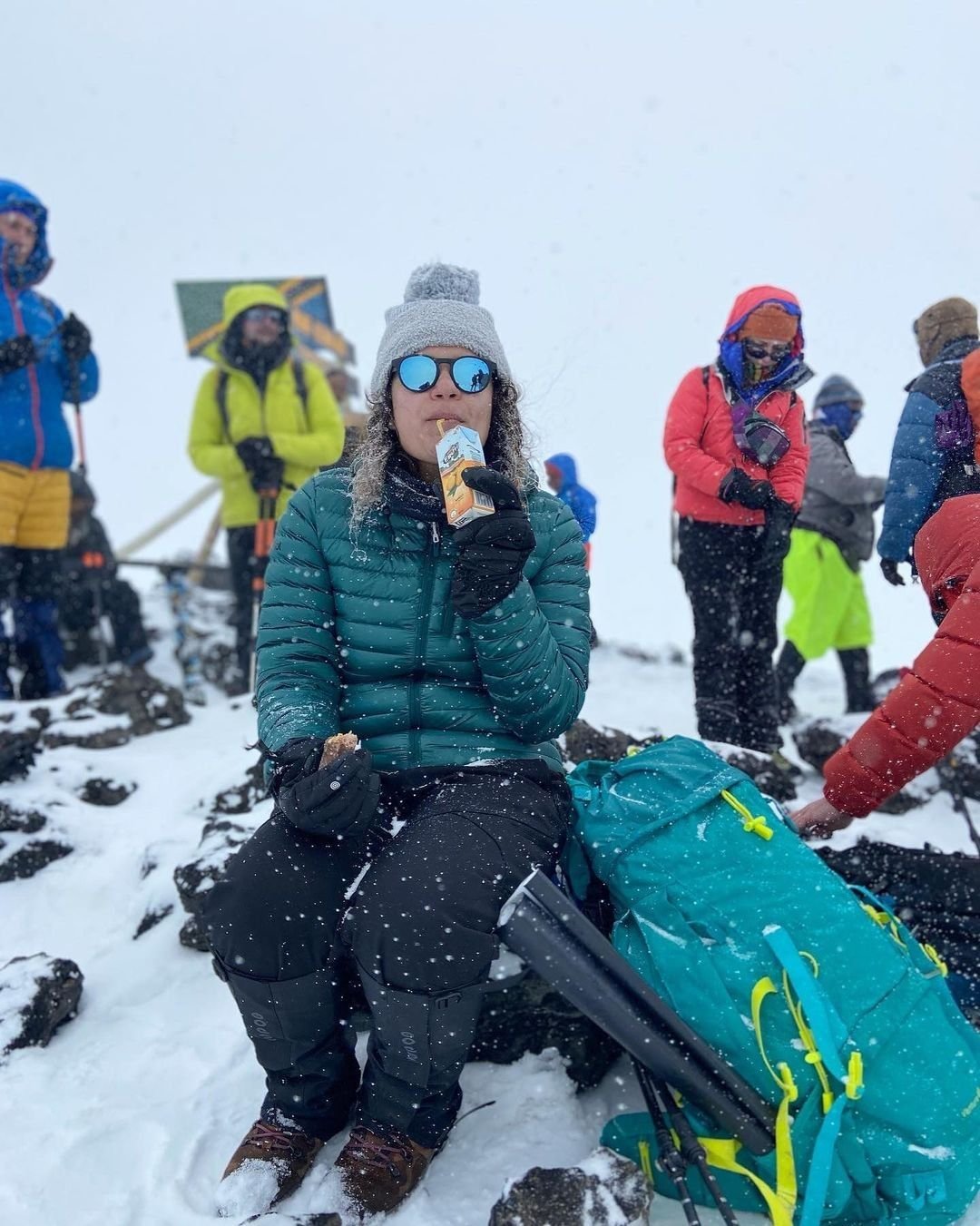
Many climbers describe summit night as the hardest part of the expedition.
Several factors combine:
- Thin air
- Temperatures below freezing
- Darkness
- Slow climbing pace
- Long hiking hours
This combination makes even simple walking feel physically demanding.
Experienced guides intentionally keep the pace slow because conserving energy improves oxygen efficiency.
Warning Signs That Should Never Be Ignored
Stop ascending and inform your guide immediately if you experience:
- Severe headache that does not improve
- Repeated vomiting
- Difficulty walking straight
- Confusion
- Chest pain
- Severe breathlessness while resting
- Persistent coughing
- Loss of consciousness
Descending early saves lives.
How Kilipori Safaris Prioritizes Climber Safety
Every Kilimanjaro climb should place safety above summit success.
Our mountain teams focus on careful pacing, continuous health monitoring, and informed decision-making throughout the trek.
Our safety approach includes:
- Certified and experienced mountain guides
- Daily health checks
- Emergency oxygen equipment
- Comprehensive first aid kits
- Conservative climbing pace
- Longer itineraries that support acclimatization
- Immediate response to altitude-related symptoms
- Well-trained support crews familiar with Kilimanjaro rescue procedures
We would rather help a guest descend safely than encourage unnecessary risk in pursuit of the summit.
How to Reduce Your Risk Before Climbing
Preparing properly can significantly improve your chances of both reaching the summit and returning safely.
Choose a Longer Route
Seven or eight-day itineraries provide better acclimatization than shorter climbs.
Train for Hiking
Focus on:
- Long-distance walking
- Stair climbing
- Cardiovascular endurance
- Leg strength
Stay Hydrated
Drink water consistently throughout the climb.
Climb Slowly
The mountain rewards patience.
Following the guide's pace allows your body more time to adjust.
Sleep Well Before the Expedition
Fatigue can make altitude symptoms feel worse.
Consider Altitude Medication
Some climbers use prescription medications such as acetazolamide after consulting their doctor.
Is Kilimanjaro Safe for Beginners?
Yes.
Many successful climbers have never trekked at high altitude before.
Beginners are often successful when they:
- Choose an appropriate route
- Book a reputable operator
- Train before arrival
- Follow guide instructions
- Allow sufficient acclimatization time
Previous mountaineering experience is not required.
Common Myths About Kilimanjaro Safety
Myth: People die frequently on Kilimanjaro.
False.
Fatalities are rare considering the large number of annual climbers.
Myth: Being fit guarantees success.
False.
Altitude affects everyone differently.
Myth: The fastest itinerary is the best value.
False.
Short itineraries often reduce acclimatization time and lower summit success.
Myth: Reaching the summit is the only measure of success.
False.
A safe return is always the primary goal of every expedition.
Frequently Asked Questions
What is the death rate on Mount Kilimanjaro?
The estimated fatality rate is less than 0.02%, with approximately 3–10 deaths among more than 50,000 climbers each year.
Is Kilimanjaro more dangerous than Everest?
No. Kilimanjaro is a non-technical mountain, while Everest involves technical climbing, extreme weather, glaciers, and significantly higher objective risks.
What is the biggest danger on Kilimanjaro?
The most significant risk is altitude sickness caused by ascending too quickly without adequate acclimatization.
Can beginners safely climb Kilimanjaro?
Yes. Most climbers are beginners who prepare properly, choose an appropriate route, and follow their guide's instructions.
Which route has the highest safety margin?
Longer routes such as the Northern Circuit and Lemosho Route provide the best acclimatization profiles and are generally considered the safest options for most climbers.
Should I worry about dying on Kilimanjaro?
The statistics show that fatalities are rare. Choosing a reputable operator, allowing enough acclimatization time, listening to your guides, and descending if symptoms become serious make Kilimanjaro a very safe adventure for the vast majority of climbers.
Final Thoughts from Kilipori Safaris
Mount Kilimanjaro deserves respect, but it should not be feared. The mountain's greatest challenge is its altitude, not technical climbing. Most serious incidents are preventable through thoughtful preparation, gradual acclimatization, and experienced guiding.
At Kilipori Safaris, our philosophy is simple: every successful expedition begins with safety. We encourage climbers to choose longer itineraries, hike at a measured pace, communicate openly about how they feel, and trust the guidance of trained mountain professionals. Reaching Uhuru Peak is an unforgettable achievement, but returning home healthy with lasting memories is the true measure of a successful Kilimanjaro climb.

KiliPori Safaris Travel Team
A local Tanzania team helping travellers plan wildlife safaris, Kilimanjaro climbs and Zanzibar holidays with clear routing and direct destination support.
Published July 5, 2026. Travel conditions, fees and schedules can change; confirm time-sensitive details before departure.