Explore this guide
Our guides combine current planning research with practical knowledge from arranging safaris, Kilimanjaro climbs and Zanzibar holidays.
Kilimanjaro Packing List: What to Bring for a Successful Summit (2026 Guide)
Climbing Mount Kilimanjaro requires careful preparation, especially when it comes to packing the right gear. Weather conditions change drastically as you ascend from tropical rainforest to arctic summit conditions. A well-prepared packing list significantly increases comfort, safety, and summit success.
This guide is prepared by Kilipori Safaris based on real trekking experience on Mount Kilimanjaro, ensuring you know exactly what to bring for a safe and successful climb.
Why Your Kilimanjaro Packing List Matters
Unlike a normal hike, Kilimanjaro has extreme variations in:
- Temperature (from +25°C to -20°C at the summit)
- Terrain (forest, alpine desert, rocky slopes, ice)
- Altitude (up to 5,895 meters)
Packing correctly helps you:
- Prevent altitude-related discomfort
- Stay warm and dry
- Avoid unnecessary weight
- Improve your chances of reaching Uhuru Peak
Essential Kilimanjaro Packing List
1. Clothing Layers (Most Important)
Layering is the key to comfort on Kilimanjaro.
Base Layer (Moisture Management)
- Thermal underwear (top & bottom)
- Moisture-wicking shirts
- Lightweight trekking underwear
Mid Layer (Insulation)
- Fleece jacket or pullover
- Lightweight down jacket
Outer Layer (Protection)
- Waterproof and windproof jacket
- Waterproof trekking pants
👉 Tip from Kilipori Safaris: Avoid cotton clothing—it retains moisture and causes cold discomfort at high altitude.
2. Footwear
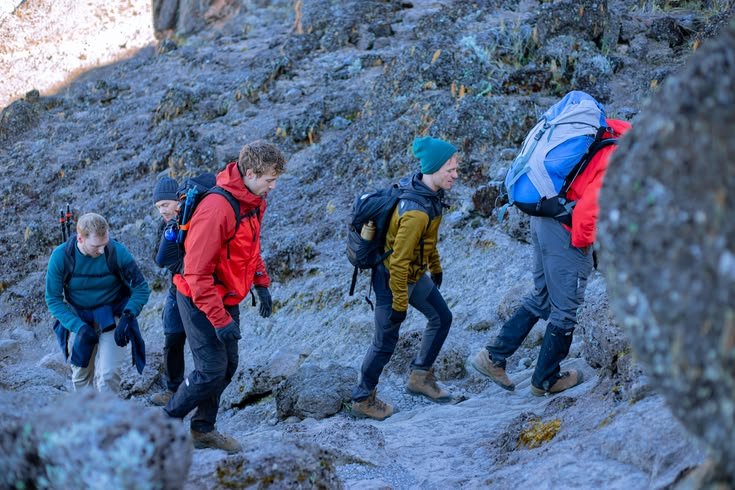
Your feet will carry you for 5–8 days of trekking.
- Waterproof hiking boots (well broken-in)
- Lightweight camp shoes or sandals
- 3–4 pairs of high-quality hiking socks
- 1–2 pairs of warm thermal socks for summit night
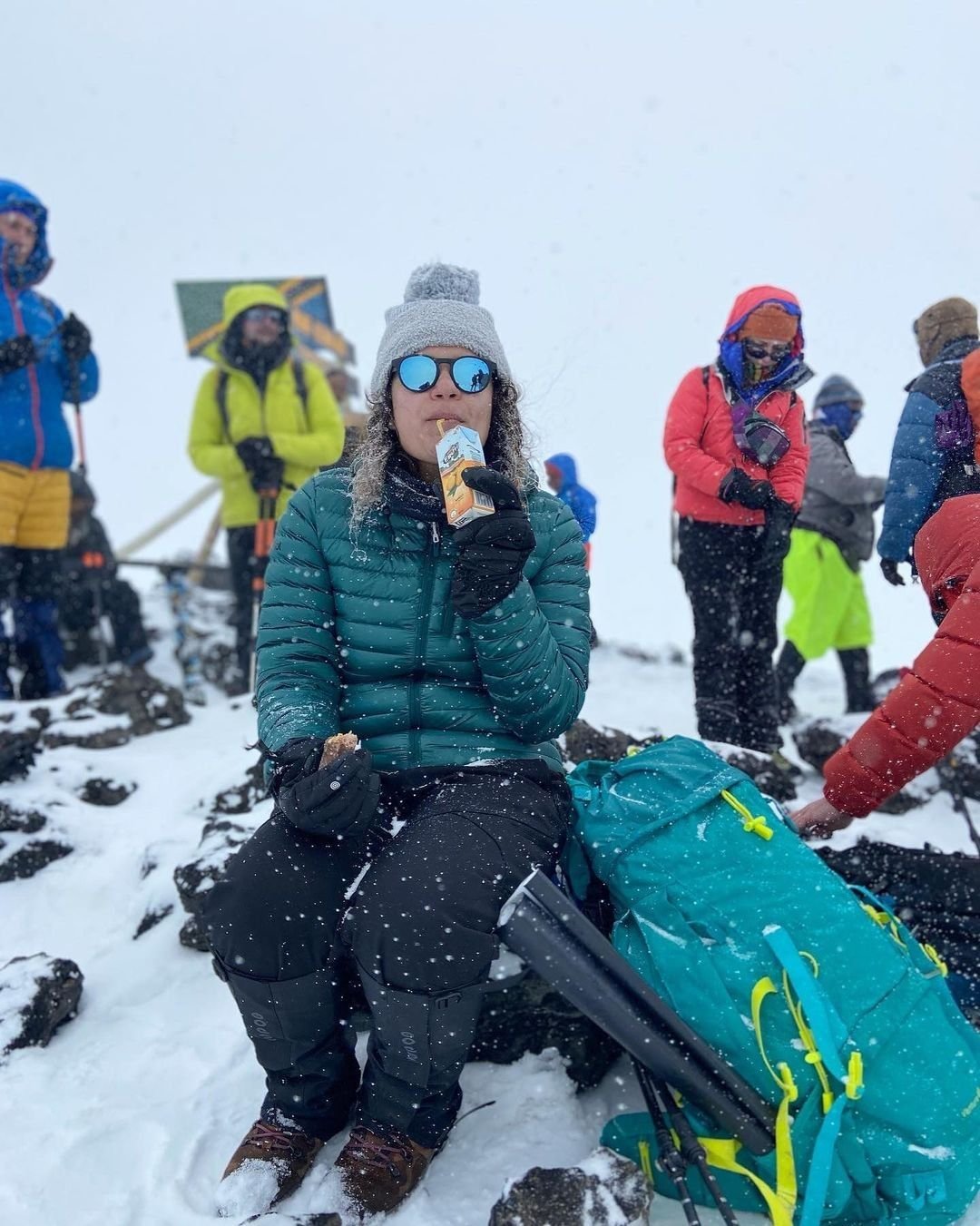
3. Warm Gear for Summit Night
Summit night is extremely cold and requires serious preparation.
- Heavy insulated down jacket
- Warm gloves (inner + outer waterproof gloves)
- Thermal hat or balaclava
- Neck gaiter or buff
- Hand warmers (optional but useful)
4. Daypack Essentials
You will carry a small backpack during daily hikes.
- Water bottles or hydration system (2–3 liters capacity)
- Snacks (energy bars, nuts, dried fruits)
- Sunscreen (SPF 30+)
- Sunglasses (UV protection)
- Lip balm with SPF
- Headlamp with extra batteries
5. Main Duffel Bag (Carried by Porters)
This bag contains your bulk clothing and gear.
- Extra clothing sets
- Sleeping bag (rated -10°C to -20°C recommended)
- Sleeping mat (usually provided but check with operator)
- Extra fleece or warm layers
6. Personal Health & Hygiene Items
- Personal medications (very important for altitude)
- First aid kit (blister plasters, pain relief)
- Wet wipes and hand sanitizer
- Toilet paper
- Toothbrush and toothpaste
- Small quick-dry towel
7. Trekking Equipment
- Trekking poles (highly recommended for summit day)
- Sunglasses (category 3 or 4)
- Lightweight backpack rain cover
8. Important Documents
- Passport (required for park entry)
- Travel insurance (must include high-altitude trekking coverage)
- Visa documents (for Tanzania entry)
What NOT to Bring on Kilimanjaro
To keep your pack light and manageable:
- Heavy jeans or cotton clothes
- Excess electronics
- Hard suitcases (not suitable for trekking logistics)
- Unnecessary luxury items
- Too many clothing changes
Kilimanjaro Packing Tips from Kilipori Safaris
Based on real expedition experience:
- Pack light but smart (porters carry your main bag, but weight is limited)
- Break in your hiking boots before arrival
- Test all gear before the climb
- Keep essentials in your daypack at all times
- Use waterproof dry bags inside your duffel bag
Weather Considerations While Packing
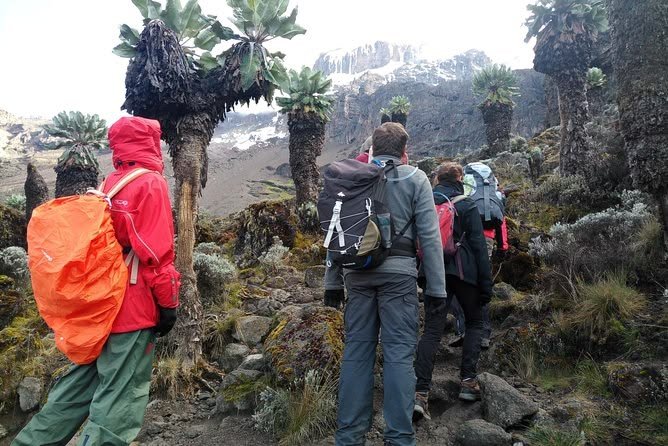
Kilimanjaro has five climate zones:
- Rainforest (warm and humid)
- Heath & moorland (cool and windy)
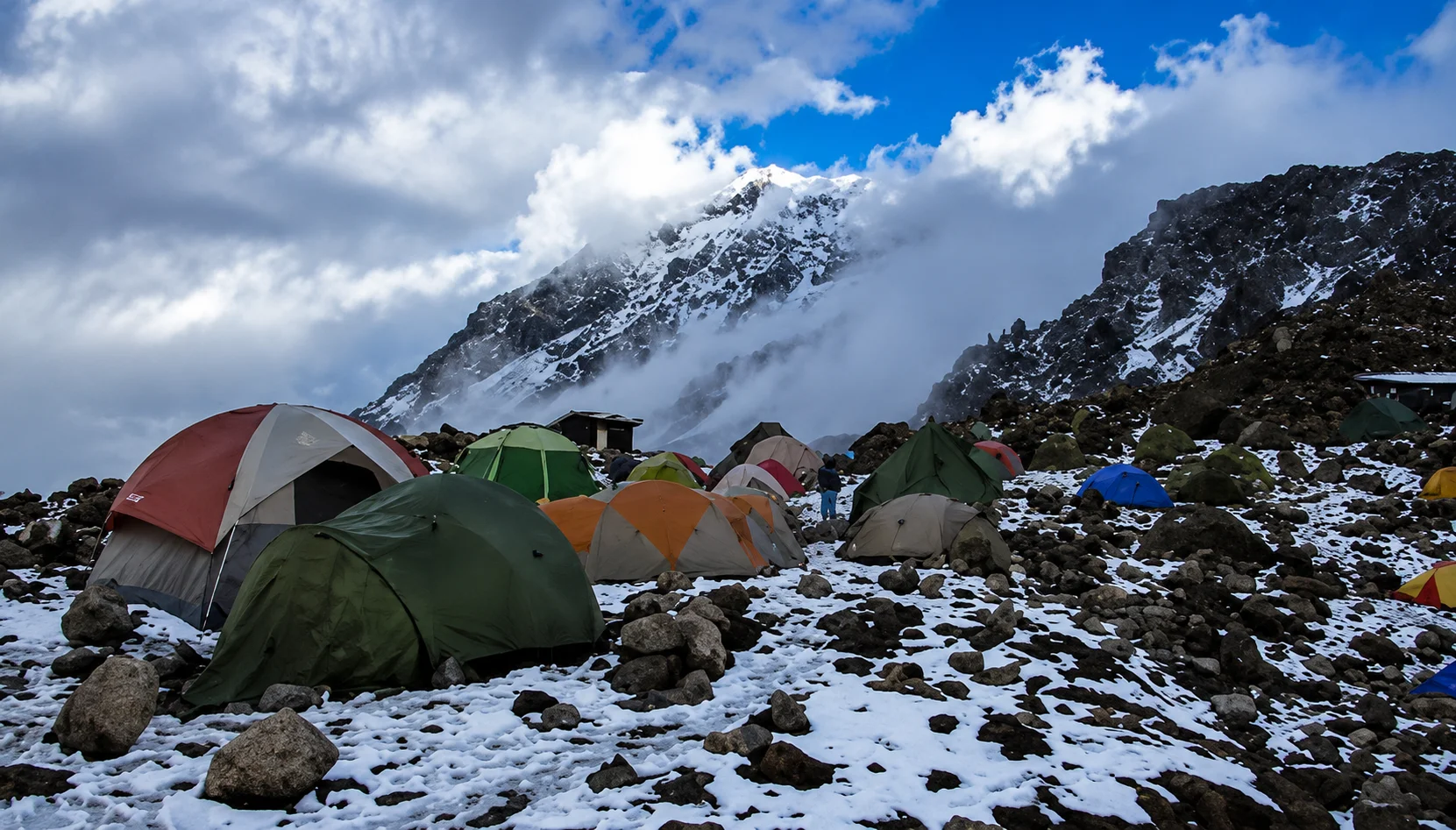
- Alpine desert (cold and dry)
- Arctic summit zone (extremely cold)
Your packing must prepare you for all of them in a single journey.
Expert Insight (Kilimanjaro Experience)
Many climbers underestimate the importance of proper gear, especially warm layers for summit night. In real expeditions organized by Kilipori Safaris, climbers who follow a structured packing list perform significantly better in comfort and summit success rates.
Good gear does not guarantee success, but poor gear often leads to early descent.
Final Thoughts
A successful Kilimanjaro summit is not only about fitness—it is also about preparation. The right packing list ensures you stay warm, safe, and comfortable throughout the journey.
With proper gear and expert guidance from Kilipori Safaris, your chances of reaching Uhuru Peak increase significantly.

KiliPori Safaris Travel Team
A local Tanzania team helping travellers plan wildlife safaris, Kilimanjaro climbs and Zanzibar holidays with clear routing and direct destination support.
Published July 6, 2026. Travel conditions, fees and schedules can change; confirm time-sensitive details before departure.