Explore this guide
Our guides combine current planning research with practical knowledge from arranging safaris, Kilimanjaro climbs and Zanzibar holidays.
Kilimanjaro Training Plan: 8–12 Weeks Preparation Guide (2026)
Preparing for Mount Kilimanjaro is not about becoming an elite athlete—it is about building endurance, stamina, and mental resilience for long hiking days at high altitude. A well-structured training plan over 8–12 weeks significantly increases your chances of reaching Uhuru Peak safely.
This guide is prepared by Kilipori Safaris based on real trekking experience and what actually works on the mountain.
Why You Need a Training Plan for Kilimanjaro
Kilimanjaro is a non-technical climb, but it is physically demanding due to:
- Long hiking days (5–8 hours daily)
- Summit night (10–14 hours continuous hiking)
- High altitude oxygen reduction
- Cold and changing weather conditions
Proper training helps your body adapt to:
- Long-distance walking
- Uphill endurance
- Fatigue resistance
- Mental toughness during summit push
Ideal Fitness Level Before Training
Before starting your Kilimanjaro training plan, you should ideally be able to:
- Walk or hike for 2–3 hours comfortably
- Climb several flights of stairs without exhaustion
- Perform moderate cardio activity weekly
You don’t need to be extremely fit—just consistent and active.
12-Week Kilimanjaro Training Plan Overview
This plan gradually builds endurance, strength, and hiking ability.
Weeks 1–4: Building Base Fitness
Focus: General endurance and cardiovascular conditioning
Activities:
- Walking (3–5 times per week, 30–60 minutes)
- Light jogging or cycling
- Swimming (optional for endurance)
- Stair climbing (10–20 minutes sessions)
Goal:
Build a basic fitness foundation and improve heart and lung capacity.
Weeks 5–8: Strength & Endurance Development
Focus: Simulating trekking conditions
Activities:
- Long hikes (2–4 hours on weekends)
- Walking with a backpack (5–7 kg)
- Stair climbing (30–45 minutes)
- Jogging or brisk walking (3–4 times weekly)
Add strength training:
- Squats (leg strength)
- Lunges (balance and endurance)
- Core exercises (planks, sit-ups)
Goal:
Prepare muscles for long uphill walking and load carrying.
Weeks 9–11: Intensive Hiking Preparation
Focus: Real trekking simulation
Activities:
- Long hikes (5–7 hours weekly)
- Back-to-back hiking days (Saturday + Sunday)
- Backpack weight increase (7–10 kg)
- Practice uphill and downhill walking
Goal:
Train your body for actual Kilimanjaro trekking conditions.
Week 12: Taper & Recovery
Focus: Rest and energy preparation
Activities:
- Light walks (30–60 minutes)
- Stretching and mobility exercises
- No heavy training
Goal:
Allow your body to recover and store energy for the climb.
Key Training Exercises for Kilimanjaro
1. Hiking Practice (Most Important)
- Train on uneven terrain if possible
- Simulate real mountain conditions
2. Stair Climbing
- Builds climbing strength for steep sections like Barranco Wall
3. Weighted Backpack Training
- Prepare for carrying 5–8 kg daypack
4. Cardio Training
- Running, cycling, or swimming improves stamina
5. Strength Training
- Focus on legs, core, and stability muscles
Mental Preparation (Often Ignored)
Kilimanjaro is as much mental as physical.
Prepare for:
- Cold summit night conditions
- Fatigue during long climbs
- Slow walking pace (“pole pole”)
- Reduced oxygen at altitude
Mental discipline is crucial for summit success.
Common Training Mistakes
1. Training too late
Starting less than 6 weeks before the climb reduces effectiveness.
2. Only doing gym workouts
Kilimanjaro requires hiking-specific endurance, not just gym strength.
3. Ignoring backpack training
Carrying weight changes your balance and stamina.
4. Overtraining before the trip
Fatigue before arrival can reduce performance on the mountain.
Expert Advice from Kilipori Safaris
Based on real expeditions, climbers who succeed most often:
- Train consistently for at least 8–10 weeks
- Focus on long-distance walking, not speed
- Practice hiking with elevation or stairs
- Maintain steady progress instead of intense bursts
Our experience shows that preparation consistency matters more than intensity.
Do You Need to Be Very Fit?
No. Most successful Kilimanjaro climbers are not elite athletes. They are regular people who:
- Train properly
- Choose the right route
- Follow guide instructions
- Maintain slow pacing during the climb
Final Thoughts
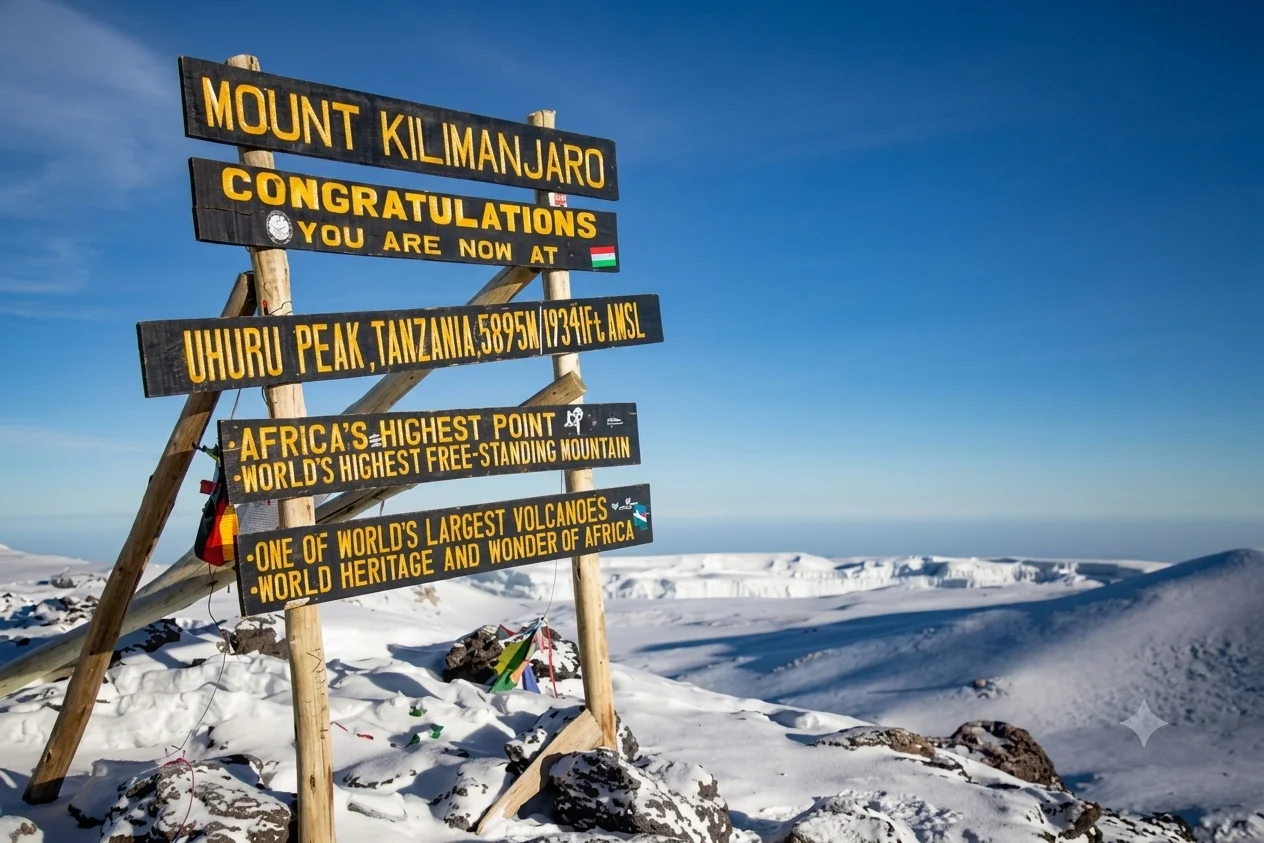
A structured 8–12 week training plan is one of the strongest predictors of Kilimanjaro success. You don’t need extreme fitness—just consistent preparation, endurance training, and mental readiness.
With proper preparation and expert guidance from Kilipori Safaris, reaching Uhuru Peak becomes a realistic and achievable goal.

KiliPori Safaris Travel Team
A local Tanzania team helping travellers plan wildlife safaris, Kilimanjaro climbs and Zanzibar holidays with clear routing and direct destination support.
Published July 6, 2026. Travel conditions, fees and schedules can change; confirm time-sensitive details before departure.