Explore this guide
Our guides combine current planning research with practical knowledge from arranging safaris, Kilimanjaro climbs and Zanzibar holidays.
12-Week Kilimanjaro Training Plan for Beginners
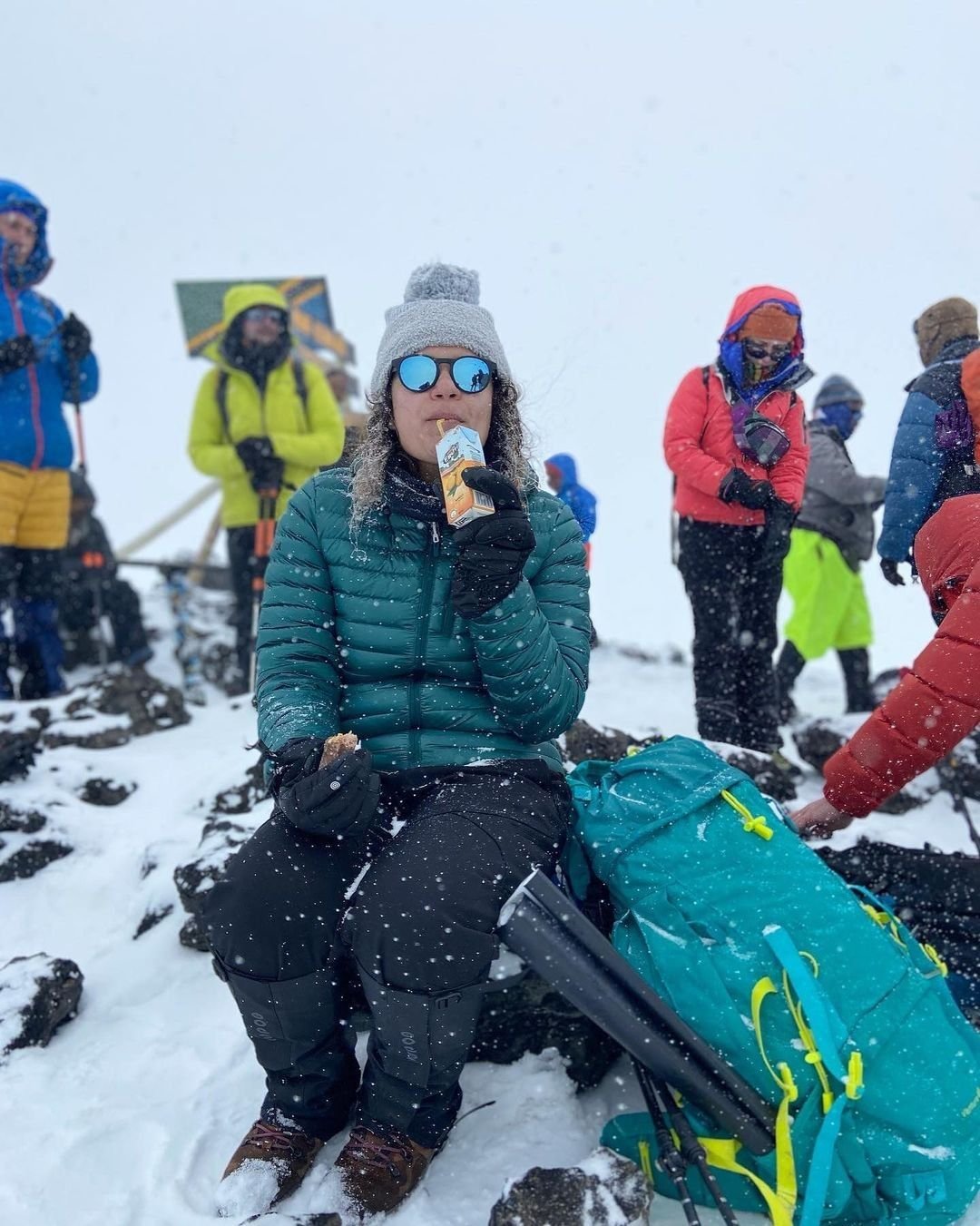
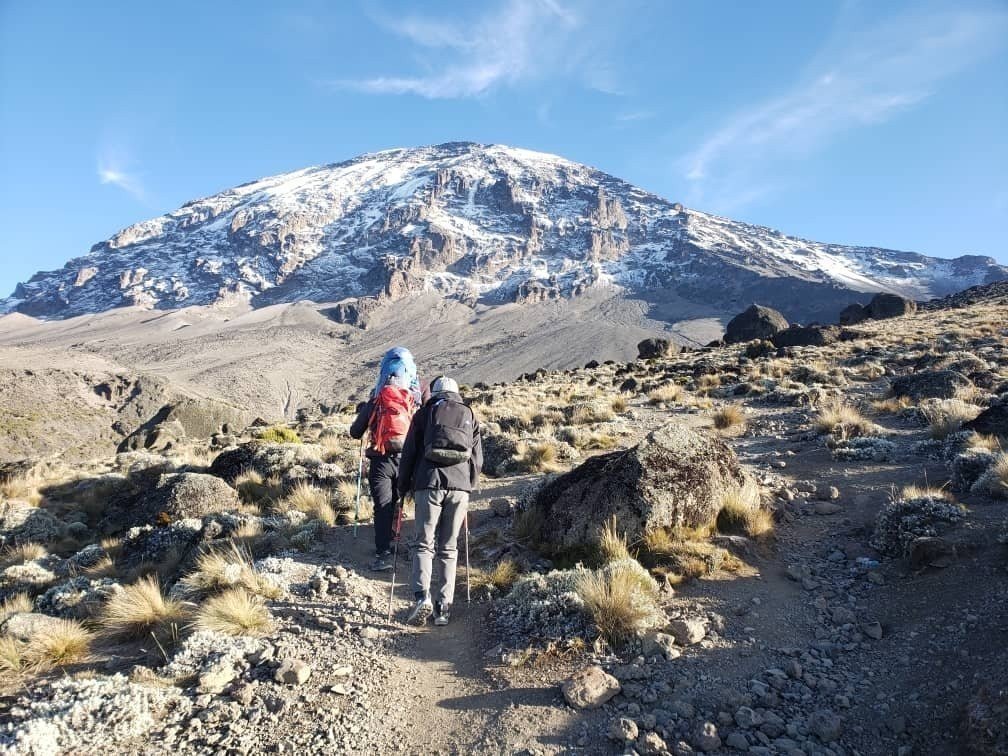
A 12-week Kilimanjaro training plan for beginners should gradually build walking endurance, leg strength, cardiovascular fitness and confidence for several days of mountain hiking. Kilimanjaro reaches 5,895 metres, so physical preparation should be combined with a suitable route and gradual acclimatization during the climb. TANAPA recommends choosing an itinerary that allows acclimatization and ascending slowly.
At KiliPori Safaris, we recommend building your fitness gradually rather than trying to complete intense workouts immediately. The goal is to become comfortable walking for several hours, climbing hills, handling uneven terrain and staying active on consecutive days.
What Should Beginners Train for Kilimanjaro?
Kilimanjaro training should focus on four main areas:
-
Walking endurance
-
Leg strength
-
Cardiovascular fitness
-
Balance and muscular endurance
You do not need to become a professional runner or athlete. Regular walking, hiking, hill training, stair climbing and strength exercises can create a strong foundation for the trek.
When Should You Start Training for Kilimanjaro?
Starting 12 weeks before your climb gives a beginner enough time to build fitness progressively.
Begin at a level that feels manageable and gradually increase your walking time, hills and strength exercises. The aim is to arrive in Tanzania feeling prepared rather than exhausted from last-minute training.
Your 12-Week Kilimanjaro Training Plan
Weeks 1-2: Build Your Foundation
Walk for 30-45 minutes, 3-4 times per week. Include one longer weekend walk of around 60-90 minutes.
Add two basic strength sessions each week using squats, step-ups, lunges, calf raises, glute bridges and planks.
The focus during these first two weeks is consistency and learning proper movement rather than intensity.
Weeks 3-4: Increase Walking Time
Increase regular walks to approximately 45-60 minutes.
Add one hill or stair session each week. Walk uphill steadily rather than trying to move quickly.
Continue strength training twice per week and increase your weekend walk to around 1.5-2 hours.
Weeks 5-6: Build Mountain Endurance
Continue with 45-60 minute walks several times during the week and add more uphill walking.
Your weekend hike can increase to approximately 2-3 hours.
Continue strength exercises such as squats, step-ups, lunges, calf raises and core exercises. If you already have experience with weights, light resistance can be introduced gradually.
Weeks 7-8: Spend More Time on Your Feet
Your training should now become more similar to mountain hiking.
Complete two or three regular walks, one hill or stair session and two strength sessions during the week.
Your weekend hike can increase to approximately 3-4 hours.
Whenever possible, choose terrain with uphill and downhill sections so you become comfortable with different types of movement.
Weeks 9-10: Practise Consecutive Hiking Days
This stage introduces the idea of walking on tired legs.
Where possible, complete two hiking days close together.
For example:
Saturday: 3-5 hour hike
Sunday: 2-3 hour easier hike
Continue strength training twice per week, but focus on controlled movements rather than very heavy weights.
This is also a good time to practise using your hiking shoes, trekking poles and light daypack.
Weeks 11-12: Peak Training and Preparation
During week 11, complete your longest practical training hike, which can be around 4–6 hours depending on your fitness and terrain.
If possible, practise another shorter hike the following day.
During week 12, gradually reduce your training volume. Keep your body active with easy walks and mobility exercises, but allow enough time for recovery before travelling.
The objective is to arrive for your Kilimanjaro climb feeling fresh and prepared.
12-Week Kilimanjaro Training Schedule
| Week | Main Training Goal | Long Walk/Hike |
|---|---|---|
| 1 | Build consistency | 60-90 min |
| 2 | Establish walking routine | 60-90 min |
| 3 | Increase endurance | 1.5-2 hrs |
| 4 | Introduce hills | 1.5-2 hrs |
| 5 | Build mountain fitness | 2-3 hrs |
| 6 | Increase hill work | 2-3 hrs |
| 7 | Increase time on feet | 3-4 hrs |
| 8 | Improve hiking endurance | 3-4 hrs |
| 9 | Practise consecutive days | 3-5 hrs |
| 10 | Build hiking strength | 3-5 hrs |
| 11 | Peak endurance | 4-6 hrs |
| 12 | Recover and prepare | 3-5 hrs |
These are practical training targets rather than strict requirements. Your starting fitness, hiking experience and available terrain should determine how quickly you progress.
What Exercises Are Best for Kilimanjaro Training?
Walking
Walking should form the foundation of your training because it closely matches the main activity you will perform on Kilimanjaro.
Start with comfortable terrain and gradually introduce longer walks and hills.
Hiking
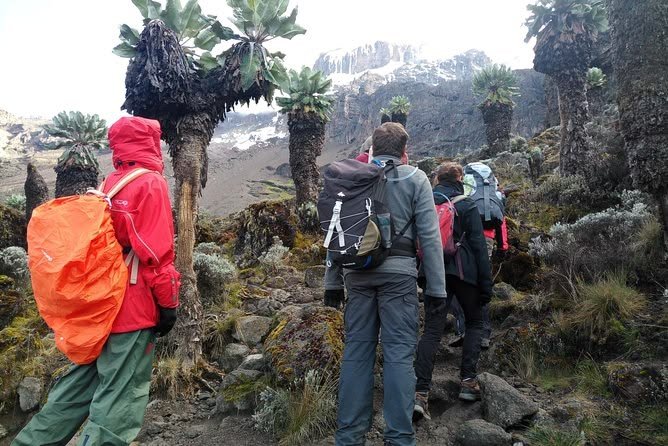
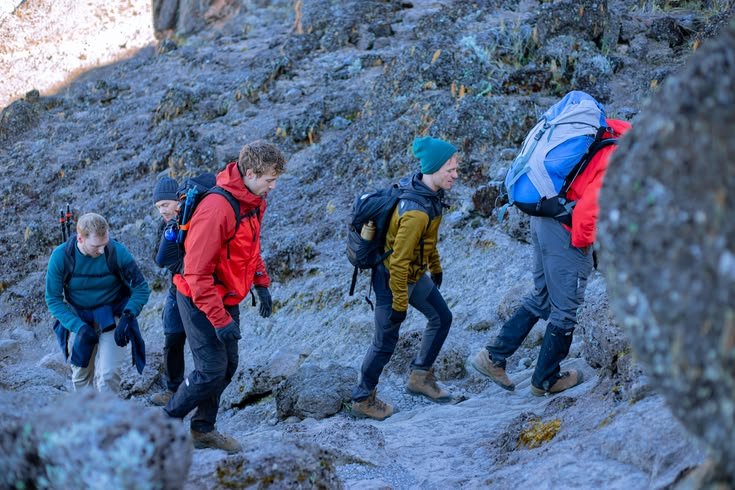
Hiking is especially useful because it combines walking with elevation changes and uneven ground.
Try to include outdoor trails in your training whenever possible.
Stair Climbing
Stair climbing is a useful alternative when you do not have access to hills.
Start with shorter sessions and gradually increase the amount of time you spend climbing.
Step-Ups
Step-ups strengthen the muscles used during uphill movement.
Use a stable platform and perform each repetition in a controlled manner.
Squats
Squats help strengthen the thighs, hips and glutes, which are important during long hiking days.
Lunges
Lunges develop leg strength and balance while allowing each leg to work independently.
Calf Raises
Calf raises strengthen the lower legs and can help you become more comfortable with long periods of walking.
Core Exercises
Simple exercises such as planks can help improve stability while hiking and carrying a daypack.
Should You Run to Train for Kilimanjaro?
Running is optional.
If you already enjoy running, it can be part of your cardiovascular training. However, beginners do not need to become long-distance runners to prepare for Kilimanjaro.
Walking uphill, hiking and stair training are more closely related to the activity you will perform on the mountain.
How Much Should You Walk Before Kilimanjaro?
By the final weeks of training, gradually work toward being comfortable with several hours of walking.
Rather than focusing on one specific distance, practise:
-
Long walking sessions
-
Uphill terrain
-
Downhill terrain
-
Uneven trails
-
Consecutive hiking days
-
Carrying a light daypack
-
Maintaining a steady pace
The goal is to build endurance that can support several days of trekking.
Should You Train With a Backpack?
Yes. Introduce a light backpack during the middle and later stages of your training.
Use the same or similar daypack that you expect to carry during your Kilimanjaro climb.
Practising with your backpack allows you to adjust the straps and become comfortable carrying water, snacks, clothing layers and personal essentials.
You do not need to train with a heavy load because porters normally carry the main camping and group equipment on supported Kilimanjaro climbs.
How Do You Train for Kilimanjaro Summit Day?
Summit day requires sustained walking at high altitude, so your training should focus on endurance rather than speed.
Long hikes, hill walking, stairs and consecutive-day training can help you become comfortable with extended periods of activity.
During the actual climb, your guide will maintain a controlled pace. TANAPA also advises climbers to ascend slowly and choose an itinerary that provides appropriate acclimatization time.
Training prepares your body for hiking, but it does not replace altitude acclimatization. Your body adjusts to altitude during the climb itself.
Should You Train for Downhill Hiking?
Yes. Kilimanjaro training should include both uphill and downhill walking.
Downhill sections require controlled movement and repeated use of the thighs and lower legs, so include descents in your longer training hikes whenever possible.
How Many Days a Week Should Beginners Train?
A practical programme can include 4–5 active training days per week, combining walking, cardio, strength and recovery.
A simple structure is:
Monday: Brisk walk
Tuesday: Strength training
Wednesday: Hill walking or cardio
Thursday: Rest or easy walk
Friday: Strength training
Saturday: Long hike
Sunday: Recovery or rest
You can adjust these days around your schedule.
What If You Are Not Fit Yet?
You can still begin preparing for Kilimanjaro.
Start with shorter walks and gradually increase the duration.
For example:
Week 1: 30-minute walks
Week 2: 35-45-minute walks
Week 3: 45-60-minute walks
Week 4: Introduce gentle hills
Week 5 onward: Gradually increase your weekend hike
The important thing is to build consistency rather than trying to achieve your final training level immediately.
What Should You Eat During Kilimanjaro Training?
Focus on balanced meals that provide enough energy for training and recovery.
Include:
-
Carbohydrates
-
Protein
-
Fruits and vegetables
-
Healthy fats
-
Adequate fluids
There is no need for an extreme diet. Your objective is to support regular training and maintain good energy.
Should You Practise With Your Kilimanjaro Shoes?
Yes. Start wearing your hiking shoes during training walks before travelling to Tanzania.
This gives you time to become comfortable with the fit, socks, lacing and grip.
Longer training hikes are a good opportunity to make sure your footwear feels comfortable on both uphill and downhill terrain.
Should You Practise Using Trekking Poles?
If you plan to use trekking poles, practise with them during some of your longer hikes.
This helps you develop a natural rhythm before the climb and become familiar with using poles on uneven and downhill sections.
Does Training Prevent Altitude Sickness?
Physical fitness and altitude acclimatization are two different things.
Training improves your walking endurance, cardiovascular fitness and muscle strength, but it does not fully prepare your body for the lower oxygen availability at high altitude.
This is why route selection, gradual ascent and appropriate acclimatization days remain important on Kilimanjaro. TANAPA specifically recommends choosing an itinerary with acclimatization days and ascending slowly.
Can You Train at High Altitude Before Kilimanjaro?
If practical, spending time at altitude before Kilimanjaro can provide useful experience with higher elevations.
Mount Meru, which reaches approximately 4,565 metres, is sometimes incorporated into Tanzania itineraries before Kilimanjaro and can provide high-altitude trekking experience.
However, previous altitude experience does not remove the need for gradual acclimatization during your Kilimanjaro climb.
What Should You Do During the Final Week?
During the final week, reduce your training volume rather than trying to gain fitness at the last minute.
Focus on:
-
Easy walks
-
Light mobility exercises
-
Good sleep
-
Hydration
-
Recovery
-
Preparing your equipment
-
Checking your hiking shoes
-
Organising travel documents
The goal is to arrive in Tanzania rested and ready.
Kilimanjaro Training Checklist for Beginners
Before your climb, aim to be comfortable with:
-
Walking for several hours
-
Walking uphill
-
Walking downhill
-
Hiking on uneven terrain
-
Completing two active days close together
-
Carrying a light daypack
-
Wearing your hiking shoes
-
Using trekking poles if desired
-
Maintaining a steady pace
-
Taking regular breaks
-
Eating and drinking during long walks
You do not need to achieve a particular running time or gym strength target.
The goal is to build enough endurance and confidence to enjoy several days of mountain hiking.
How KiliPori Safaris Supports Your Kilimanjaro Preparation
At KiliPori Safaris, we help beginners prepare for Kilimanjaro by matching the climb with an appropriate route, duration and pace.
We can advise you on:
-
Kilimanjaro route selection
-
Number of climbing days
-
Acclimatization planning
-
Hiking pace
-
Packing
-
Hiking footwear
-
Trekking poles
-
Pre-climb preparation
-
Mount Meru combinations
-
Private Kilimanjaro climbing arrangements
Kilimanjaro National Park requires climbs to be guided by licensed operators and advises visitors to choose appropriate acclimatization time, ascend gradually and follow guide instructions.
KiliPori Safaris Recommendation
For a beginner starting from a low level of fitness, 12 weeks is a practical preparation period.
Start with regular walking, add strength training, introduce hills gradually, increase your weekend hikes and finish with longer hiking practice.
Do not focus only on becoming stronger. Train to become comfortable spending several hours on your feet, because that is what you will repeatedly do on Kilimanjaro.
Remember that training and acclimatization are different parts of preparation. Your training prepares your body for hiking, while your Kilimanjaro itinerary gives your body time to adjust to altitude.
Start Preparing for Your Kilimanjaro Adventure
Ready to plan your Kilimanjaro climb?
WhatsApp KiliPori Safaris: +255 755 287 311
Choose Your Kilimanjaro Route | Plan Your Climb | Request Your Custom Itinerary
FAQs About Kilimanjaro Training for Beginners
How long should I train for Kilimanjaro?
A 12-week training programme is a practical starting point for beginners. It gives you time to build walking endurance, strength and hiking confidence gradually.
Can a beginner climb Kilimanjaro?
Yes. Beginners can prepare through consistent walking, strength training and hiking practice. Choosing an appropriate route and number of climbing days is also important.
Do I need to run to prepare for Kilimanjaro?
No. Running can improve cardiovascular fitness, but walking, hiking, hill training and stair climbing are highly relevant to Kilimanjaro preparation.
How often should I train for Kilimanjaro?
Aim for approximately 4–5 active training days per week, combining walking, cardio, strength and recovery.
How long should my longest training hike be?
During the final weeks, you can gradually build toward approximately 4–6 hours, depending on your fitness and available terrain.
Should I train with a backpack?
Yes. Gradually introduce a light backpack during your training hikes so you become comfortable carrying your personal items.
Should I train on hills?
Yes. Hills are useful because Kilimanjaro involves sustained uphill and downhill walking. If hills are unavailable, stairs or step-ups are practical alternatives.
Is strength training necessary for Kilimanjaro?
Strength training is useful for preparing your legs and body for repeated hiking days. Squats, step-ups, lunges, calf raises and core exercises are practical options.
Can I train for Kilimanjaro at home?
Yes. Walking, stairs, step-ups, squats, lunges, calf raises and simple core exercises can all be incorporated into a home-based programme.
Does being fit prevent altitude sickness?
No. Fitness prepares you for the physical demands of hiking, while altitude acclimatization is a separate process.
What is the most important part of Kilimanjaro training?
Consistency. Build your walking time gradually and become comfortable spending several hours on your feet.
Should I rest before climbing Kilimanjaro?
Yes. Reduce your training during the final days before the climb so you arrive rested and ready.
Can I combine Mount Meru with Kilimanjaro?
Yes. Mount Meru can be included before Kilimanjaro and provides useful high-altitude trekking experience.
Does training at sea level prepare me for Kilimanjaro altitude?
Sea-level training prepares your muscles, cardiovascular system and hiking endurance, but it does not fully reproduce Kilimanjaro's high-altitude environment. Gradual acclimatization during the climb remains important.

KiliPori Safaris Travel Team
A local Tanzania team helping travellers plan wildlife safaris, Kilimanjaro climbs and Zanzibar holidays with clear routing and direct destination support.
Published October 2, 2026 · Last updated October 31, 2026. Travel conditions, fees and schedules can change; confirm time-sensitive details before departure.