Explore this guide
Our guides combine current planning research with practical knowledge from arranging safaris, Kilimanjaro climbs and Zanzibar holidays.
Best Time to Climb Kilimanjaro: Weather and Crowds
The best time to climb Kilimanjaro is January to March and June to October, when the mountain experiences its main drier periods. For the best combination of good weather and fewer crowds, January and February and September to October are particularly attractive. July and August offer excellent dry-season conditions but are also among the busiest months on the mountain. TANAPA identifies June-October and December-March as popular climbing periods because skies are generally clearer and the mountain summit is easier to see.
At KiliPori Safaris, we plan Kilimanjaro climbs according to the weather conditions, expected crowd levels, route and the number of days available for the climb.
Kilimanjaro Climbing Seasons at a Glance
Kilimanjaro has two main dry climbing windows and two rainy periods. The dry seasons generally provide firmer trails, better visibility and more comfortable trekking conditions, while the rainy seasons bring wetter trails and more cloud.
| Period | Weather | Crowds | KiliPori Planning |
|---|---|---|---|
| January–February | Dry, relatively warm, good visibility | Moderate | Excellent |
| March | Increasing rain toward the end of the month | Lower | Good early in the month |
| April–May | Long rains, wet trails and more cloud | Low | Not preferred |
| June | Dry and cooler | Moderate | Excellent |
| July–August | Dry, cold at altitude | High | Excellent weather, busy |
| September–October | Dry, clear and generally less busy than July–August | Moderate–High | Excellent |
| November | Short rains | Low | Suitable for flexible travellers |
| December | Generally drier, with holiday-period demand | Moderate–High | Good |
TANAPA specifically identifies June-October and December-March as popular climbing periods and notes that April and May receive heavy rains.
What Is the Best Month to Climb Kilimanjaro?
September is one of the strongest months for combining good weather with manageable crowds. The mountain remains within the long dry season, while the busiest July and August period has passed.
January and February are also excellent months, especially for climbers who want a relatively quieter experience while staying within the drier part of the year. June provides another good opportunity before the busiest July–August period.
For climbers who prioritize the driest conditions above everything else, July and August remain major climbing months, but camps and popular routes can be considerably busier.
January and February: Dry Weather With Moderate Crowds
January and February provide a strong combination of relatively dry weather, good visibility and moderate crowd levels.
These months fall within Kilimanjaro's shorter dry period. Conditions are generally warmer than the middle of the year, while the summit remains extremely cold because of the mountain's altitude.
January can be busier around the holiday period, while February generally provides a more balanced climbing environment.
For travellers who want:
-
Dry-season conditions
-
Good mountain views
-
Moderate crowds
-
A comfortable climbing atmosphere
January and February are strong choices.
March: A Transition Month
March begins with generally suitable climbing conditions but becomes increasingly affected by rainfall as the month progresses.
Early March can still provide good trekking conditions, while later March moves toward the long-rain period.
KiliPori recommends early March for travellers who want to take advantage of the shorter dry season while avoiding the busiest July and August period.
April and May: The Long Rains
April and May are the wettest months for Kilimanjaro climbing and are the least popular period for most trekkers.
Heavy rainfall can make lower sections of the mountain wetter and muddier, while cloud can reduce visibility.
The advantage is that crowds are much lower.
TANAPA specifically notes that most visitors avoid April and May because of heavy monsoon rains, although climbing remains possible with suitable clothing and equipment.
For travellers whose priority is avoiding other climbers, these months provide quieter trails, but KiliPori generally plans most climbs around the drier seasons.
June: The Start of the Main Dry Season
June marks the beginning of the main dry-season climbing period.
Rainfall decreases, trails become drier and visibility generally improves. Temperatures are cooler, particularly higher on the mountain.
June also provides an opportunity to climb before the peak July–August crowds become more pronounced.
For travellers who want:
Dry conditions + cooler weather + moderate crowds
June is a strong month to consider.
July and August: Excellent Weather, Highest Crowds
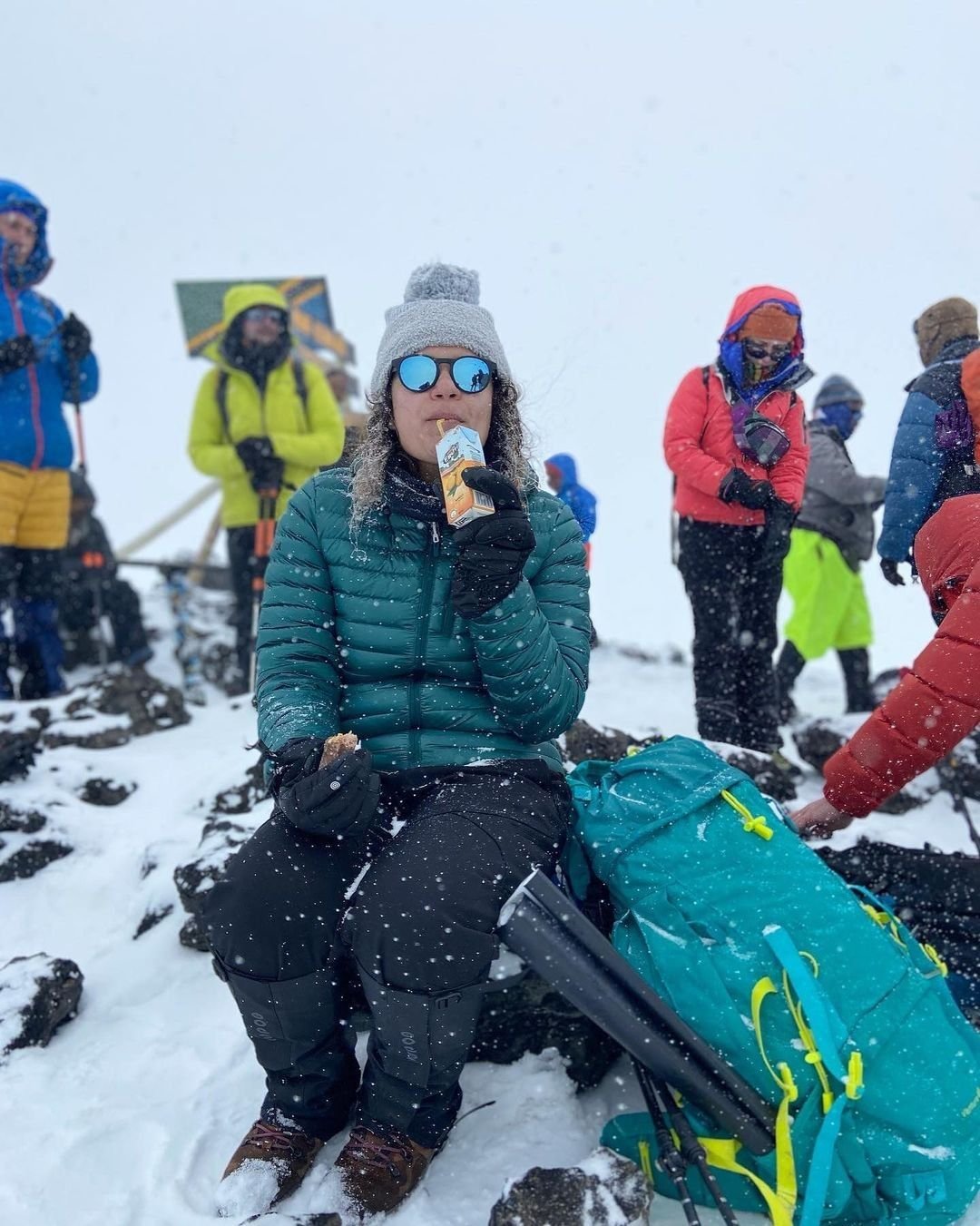
July and August are among the busiest months for climbing Kilimanjaro because they combine dry conditions with the Northern Hemisphere summer holiday period.
The weather is generally dry and visibility can be excellent, but popular routes such as Machame and Lemosho experience greater demand.
Campsites can become busy, and climbers may encounter more groups on popular sections of the route. Recent climbing-season guides consistently identify July and August as the busiest period.
The advantage is predictable dry-season trekking.
The trade-off is more people on the mountain.
September and October: Dry Weather With Fewer Crowds
September and October provide some of the best conditions for travellers who want dry weather without the peak July–August crowd levels.
September remains firmly within the long dry season, providing good trail conditions and strong visibility.
October continues to offer good climbing conditions but gradually moves toward the short-rain period later in the year.
At KiliPori Safaris, September and early October are particularly attractive for climbers who want a balance between weather, visibility and crowd levels.
November: Short Rains and Quieter Trails
November brings the short rains and significantly fewer climbers.
Rainfall can occur during the climb, but the mountain remains open for trekking.
November suits travellers who prioritize quieter trails and are comfortable preparing for changing weather conditions.
A good route choice and proper waterproof clothing become especially important during this period.
December: A Popular Holiday-Season Climbing Period
December can provide good climbing conditions, particularly during the drier part of the month, but crowd levels increase around the Christmas and New Year period.
This makes December different from November.
Early December can provide a quieter climbing environment, while the holiday period attracts more visitors.
For travellers planning a December climb, KiliPori recommends booking accommodation and mountain arrangements early, especially around Christmas and New Year.
Which Months Have the Best Kilimanjaro Weather?
The strongest weather periods are generally:
January–February
and June–October
These are the principal dry-season climbing windows. TANAPA identifies December–March and June-October as popular periods because of clearer skies and better visibility of the summit.
The mountain remains cold at high altitude throughout the year, so "good weather" does not mean warm summit temperatures. The main advantage of the dry seasons is less rainfall, better trail conditions and clearer visibility.
Which Months Have the Fewest Crowds?
The quietest periods are generally associated with the rainy seasons, particularly April–May and November.
January and February can provide a useful middle ground: considerably more comfortable weather than the long-rain period while generally less crowded than the July-August peak.
September and October also provide a useful balance because the main July-August rush has passed while dry-season conditions continue.
Kilimanjaro Weather vs Crowds: Which Month Should You Choose?
| Your Priority | Recommended Period |
|---|---|
| Best overall dry-season conditions | June–October |
| Good weather + moderate crowds | January–February |
| Dry weather + fewer crowds after peak season | September–October |
| Peak dry-season climbing | July–August |
| Quietest trails | April–May / November |
| Lower rainfall + holiday travel | Early December |
| Calmer alternative to July–August | September |
Is July or August Better for Kilimanjaro?
Both July and August offer excellent dry-season climbing conditions, but they are also among the busiest months.
The choice between them is therefore mainly about your travel dates and availability rather than a major difference in the overall climbing season.
If you want similar dry-season conditions with a more manageable crowd level, September is a strong alternative.
Is September a Good Time to Climb Kilimanjaro?
Yes. September combines dry-season conditions, good visibility and a reduction in crowd levels compared with the July-August peak.
The weather remains suitable for trekking, while the mountain generally feels less busy than during the busiest summer weeks.
For climbers who want a balance between weather and crowds, September is one of the months KiliPori commonly recommends.
Is February a Good Time to Climb Kilimanjaro?
Yes. February is an excellent month for Kilimanjaro climbing.
The mountain is within the shorter dry-season window, temperatures are generally more comfortable than during the coldest middle-of-year period, and crowd levels are generally more manageable than July and August.
February is especially attractive for travellers who want good weather without choosing the busiest part of the main dry season.
Does Rain Make Kilimanjaro Climbing Impossible?
No. Kilimanjaro can be climbed during the rainy seasons, but the experience becomes wetter and trail conditions can be more demanding.
TANAPA confirms that climbing is possible even during the wetter months with proper climbing clothing and equipment.
KiliPori schedules most climbs during the drier periods because they provide more comfortable trekking conditions and better opportunities for clear mountain views.
Does the Weather Change During the Kilimanjaro Climb?
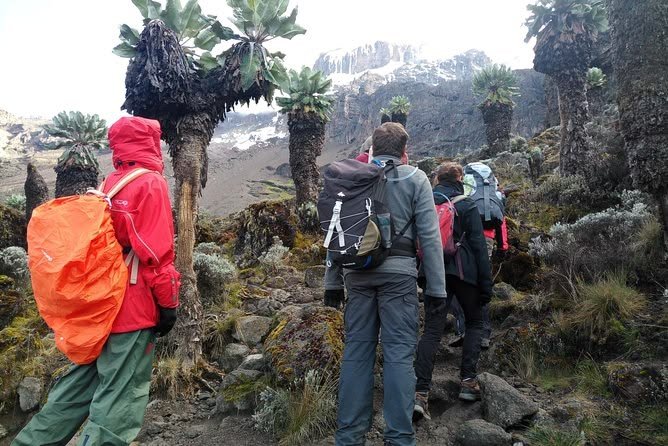
Yes. Kilimanjaro has several ecological zones, so the weather changes dramatically as you gain altitude.
You can begin your trek in a relatively warm rainforest environment and finish in an alpine environment where temperatures are far below freezing.
This means your packing must be based on the entire mountain rather than the weather in Moshi or Arusha.
Even during the dry season, summit night requires serious cold-weather clothing.
What Is the Temperature Like on Kilimanjaro?
Temperature decreases significantly with altitude.
At the lower slopes, daytime conditions can be relatively warm, while the summit zone is extremely cold, particularly during the night-time summit ascent.
The summit can reach approximately -10°C to -20°C or lower depending on wind and conditions, which is why KiliPori recommends proper insulated clothing, a suitable sleeping bag, gloves, warm layers and weather protection regardless of the month.
Do Crowds Affect the Kilimanjaro Experience?
Yes. Crowd levels can affect how busy campsites, trails and summit approaches feel.
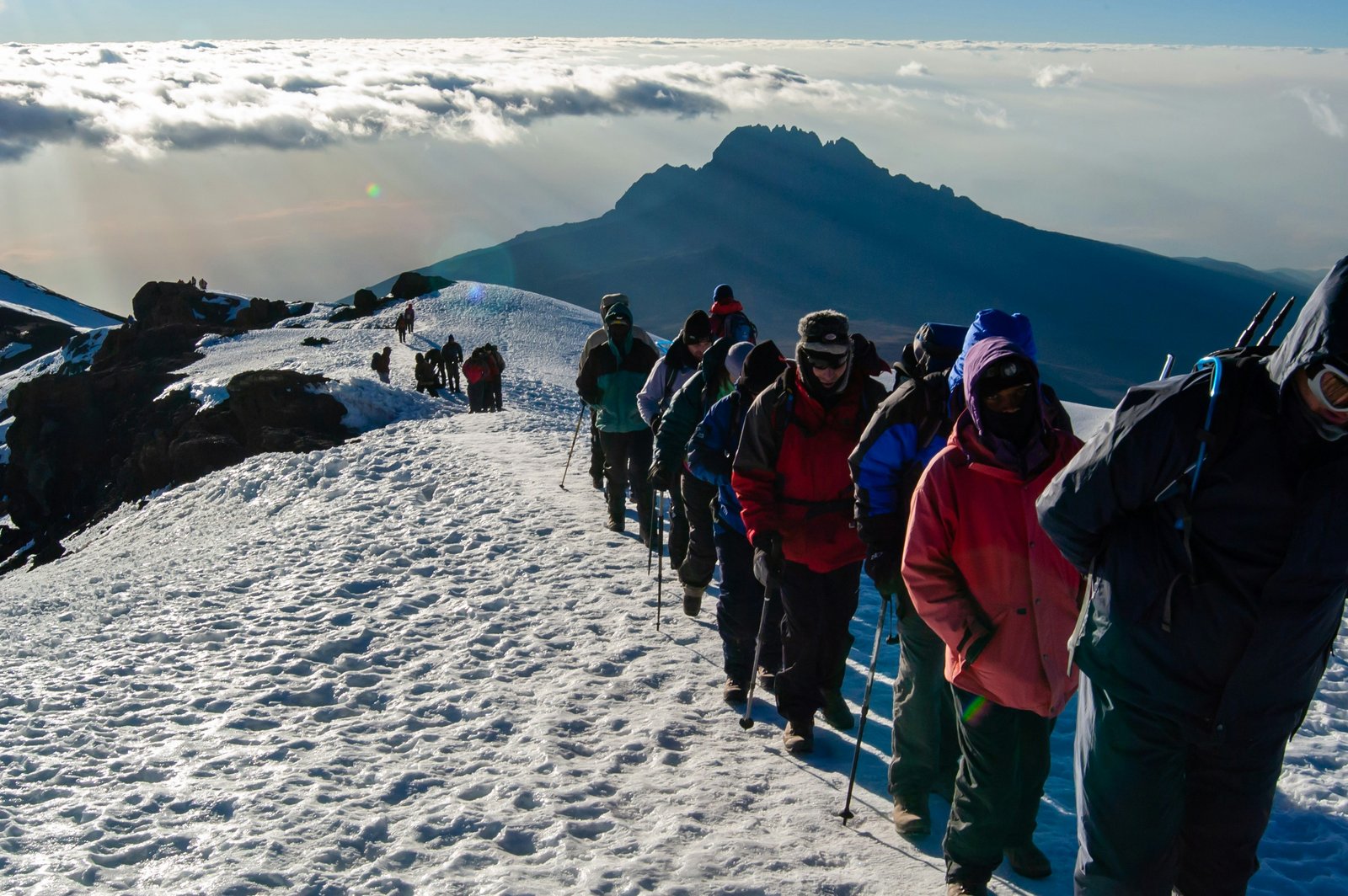
During July and August, popular routes can have more climbers sharing camps and moving along the same sections of trail.
Choosing September–October, January-February or a less busy route can provide a quieter mountain experience.
KiliPori also uses private climbing arrangements so the itinerary can be organized around your chosen route and travel dates.
Which Kilimanjaro Routes Are Better for Avoiding Crowds?
For travellers concerned about crowd levels, Rongai and the Northern Circuit can provide a quieter route experience than the busiest sections of popular southern approaches, particularly when combined with suitable travel dates.
Machame and Lemosho are highly popular routes, especially during July and August.
Route choice therefore matters together with the month you choose.
When Should You Climb Kilimanjaro for the Best Views?
For the clearest mountain views, choose one of the drier periods: January-February or June–October.
Dry conditions generally provide better visibility than the rainy seasons, although cloud can still develop at different elevations because Kilimanjaro creates its own mountain weather.
TANAPA specifically identifies the dry climbing periods as popular because the sky is generally clearer and the summit is easier to see.
When Should You Book Your Kilimanjaro Climb?
For July, August, September, January and February climbs, booking several months in advance gives you better access to preferred departure dates, accommodation and route options.
This is particularly important for private climbs and specific itineraries such as:
-
7-day Machame
-
8-day Lemosho
-
9-day Northern Circuit
-
6-day Marangu
-
7-day Rongai
Peak-season dates should be reserved early because demand increases during the main climbing windows.
KiliPori Safaris' Recommended Kilimanjaro Climbing Calendar
At KiliPori Safaris, we use the following practical guide when helping travellers choose their climbing dates:
| Month | Weather | Crowds | KiliPori Planning |
|---|---|---|---|
| January | Dry | Moderate | Excellent |
| February | Dry | Moderate | Excellent |
| March | Increasing rain | Lower | Good early month |
| April | Heavy rain | Very low | Not preferred |
| May | Heavy rain | Very low | Not preferred |
| June | Dry and cool | Moderate | Excellent |
| July | Dry and cold | High | Excellent weather |
| August | Dry and cold | High | Excellent weather |
| September | Dry and clear | Moderate–High | Excellent |
| October | Mostly dry | Moderate | Excellent |
| November | Short rains | Low | Quieter option |
| December | Generally dry | Moderate-High | Good |
What Is the Best Time to Climb Kilimanjaro for Weather and Crowds?
For the best balance of weather and crowds, KiliPori Safaris recommends January-February and September–October.
For the most reliable dry-season conditions, choose June-October.
For the quietest mountain experience, choose a less busy period such as November or the long-rain season, understanding that wetter conditions come with it.
For the classic peak climbing season, July and August provide excellent dry-season conditions but attract the highest number of climbers.
The choice therefore comes down to the experience you want:
Best balance: January-February or September-October
Best dry-season window: June-October
Busiest period: July-August
Quietest period: April-May and November
Best holiday-season option: Early December
KiliPori Safaris Recommendation
For most travellers, September and February are excellent months to plan a Kilimanjaro climb because they combine favourable climbing conditions with a more manageable crowd level than the busiest July–August period.
If your priority is the most established dry-season window, choose June-October.
If your priority is avoiding crowds, choose January–February or September-October.
Whichever month you choose, KiliPori recommends giving yourself enough days on the mountain. TANAPA states that adding climbing days increases the possibility of reaching the summit, making itinerary length just as important as the month you select.
Plan Your Kilimanjaro Climb With KiliPori Safaris
KiliPori Safaris organizes private Kilimanjaro climbs on Machame, Lemosho, Marangu, Rongai, Umbwe and Northern Circuit throughout the main climbing seasons.
We help you select the climbing month, route and number of days according to your travel schedule and preferred mountain experience.
WhatsApp KiliPori Safaris: +255 755 287 311
Plan Your Kilimanjaro Climb | Choose Your Route | Request Your Itinerary
FAQs About the Best Time to Climb Kilimanjaro
What is the best month to climb Kilimanjaro?
September and February provide an excellent balance of favourable weather and manageable crowds.
What is the best season to climb Kilimanjaro?
The main climbing seasons are January-March and June-October, with the driest and most popular period generally falling within June-October. TANAPA identifies June-October and December-March as popular climbing periods.
Is July a good month to climb Kilimanjaro?
Yes. July is part of the main dry season and generally provides good trekking conditions, but it is also a busy month.
Is August a good month to climb Kilimanjaro?
Yes. August normally provides dry conditions and good visibility, but it is one of the busiest periods on the mountain.
Is September a good month to climb Kilimanjaro?
Yes. September offers dry-season conditions while crowd levels generally begin to ease from the July–August peak.
Is February good for Kilimanjaro?
Yes. February falls within the shorter dry season and offers a good combination of weather and manageable crowds.
Is April a good month to climb Kilimanjaro?
April is within the long-rain period and is one of the wettest months. KiliPori generally schedules most climbs outside this period.
Is November good for climbing Kilimanjaro?
November brings short rains and fewer climbers. It can suit travellers who prioritize quieter trails and are prepared for changing weather.
When is Kilimanjaro busiest?
July and August are among the busiest climbing months, particularly on popular routes.
When is Kilimanjaro least crowded?
The rainy periods, particularly April-May and November, generally attract fewer climbers.
Can I climb Kilimanjaro during the rainy season?
Yes. Kilimanjaro remains climbable, but wet conditions require proper waterproof clothing and preparation. TANAPA confirms that climbing is possible with appropriate clothing and equipment.
Does the weather affect Kilimanjaro summit success?
Weather affects trail conditions, visibility and comfort, while route duration and acclimatization also play an important role. TANAPA specifically states that adding climbing days increases the possibility of reaching the summit.
How early should I book a Kilimanjaro climb?
For peak months such as July, August, September, January and February, booking several months ahead gives you better access to preferred dates and accommodation.

KiliPori Safaris Travel Team
A local Tanzania team helping travellers plan wildlife safaris, Kilimanjaro climbs and Zanzibar holidays with clear routing and direct destination support.
Published October 3, 2026 · Last updated October 31, 2026. Travel conditions, fees and schedules can change; confirm time-sensitive details before departure.