Explore this guide
Our guides combine current planning research with practical knowledge from arranging safaris, Kilimanjaro climbs and Zanzibar holidays.
Can You Climb Kilimanjaro During the Rainy Season?
Yes, absolutely. You can climb Mount Kilimanjaro during the rainy season.
At Kilipori Safaris, we organize Kilimanjaro climbs throughout the year, and rainy-season trekking can be a wonderful way to experience the mountain. The lower slopes can be greener, the mountain scenery can be beautiful after rainfall, and some travellers appreciate the quieter atmosphere compared with the busiest climbing periods.
Kilimanjaro has two main rainy periods: the long rains from March to May and the short rains generally around October to December. However, rain does not mean that you will be walking in rain throughout your entire climb. Mountain weather changes with altitude, time of day and location.
With the right route, good equipment and an experienced mountain crew, you can enjoy a comfortable and rewarding Kilimanjaro adventure during the rainy season.
What Is the Rainy Season Like on Kilimanjaro?
The rainy season is simply a period when the mountain has a higher chance of receiving rainfall, particularly around the lower elevations.
A rainy-season climb can still include plenty of beautiful trekking conditions, clear views and enjoyable walking.
At different elevations, you may experience:
-
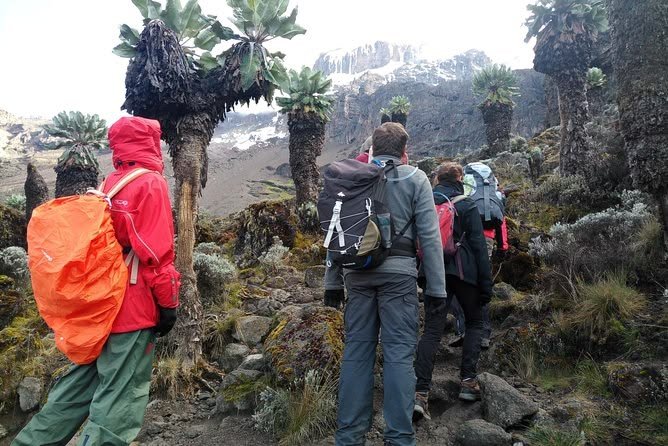
Green and fresh rainforest
-
Cool and pleasant trekking conditions
-
Occasional rainfall
-
Cloud moving across the mountain
-
Clear periods between showers
-
Beautiful mountain scenery
-
Cold conditions at higher elevations
-
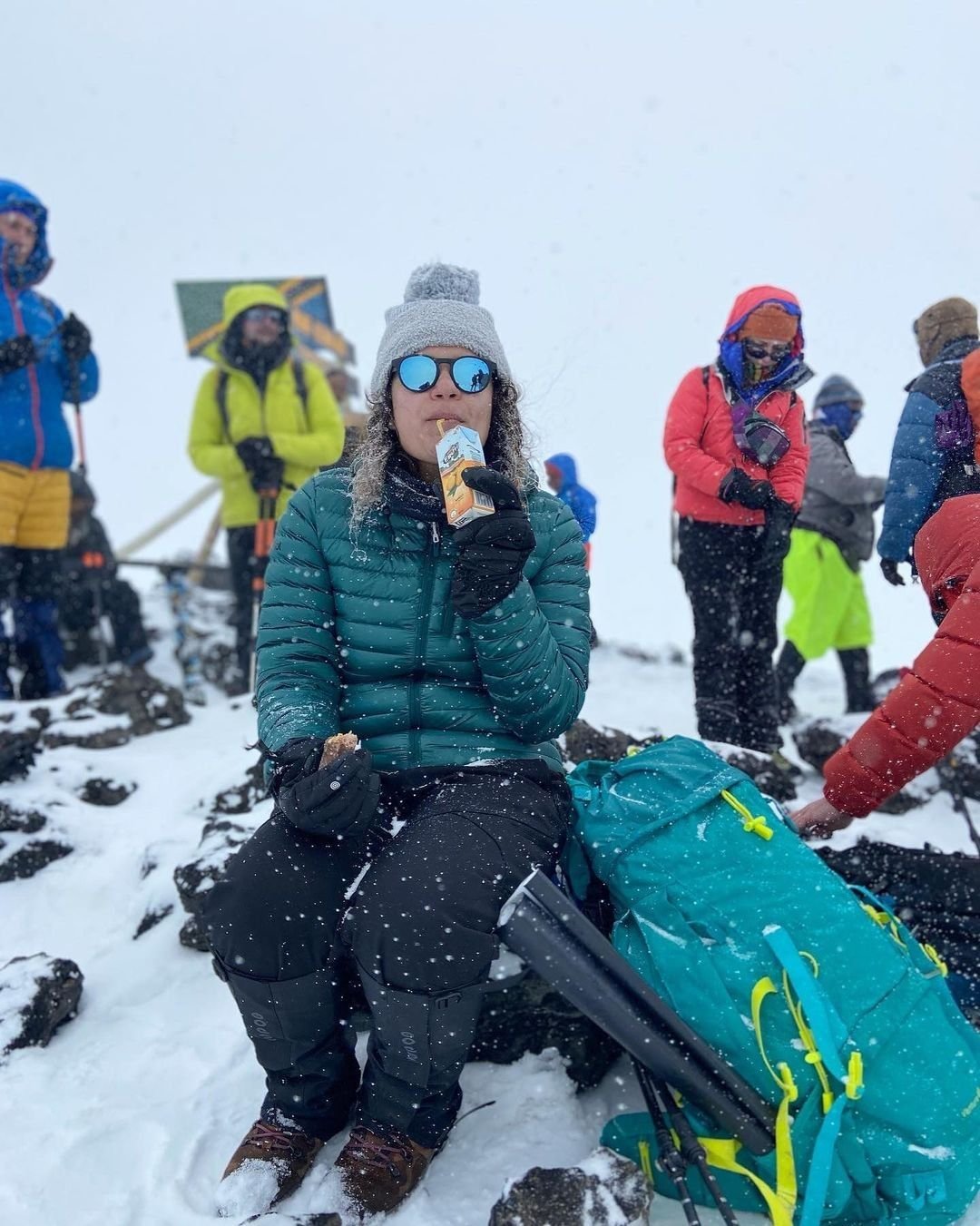
Freezing temperatures around the summit
One of the great things about Kilimanjaro is that the weather can be completely different at different elevations.
You might experience rain in the forest and later climb above the clouds into clear skies.
When Is the Rainy Season on Kilimanjaro?
Tanzania generally experiences two main rainy periods around Kilimanjaro.
Long rains: March to May
Short rains: Around October to December
These are general seasonal patterns rather than fixed weather schedules. Some days can be wet, while others can remain relatively dry.
At Kilipori Safaris, we always encourage travellers to look at the rainy season as a period of changeable weather rather than continuous rain.
Can You Climb Kilimanjaro in March?
Yes, March is suitable for Kilimanjaro climbing.
March begins the transition toward the long-rain period, and weather can vary during the month.
You may experience some rainfall on the lower mountain while enjoying clearer conditions at other times.
March is a good option for travellers who have flexibility with their travel dates and are properly prepared with waterproof clothing.
Our guides monitor conditions throughout the climb and help you manage changing weather comfortably.
Can You Climb Kilimanjaro in April?
Yes, you can climb Kilimanjaro in April.
April is within the main long-rain period, so travellers should expect a greater possibility of rainfall, particularly on the lower slopes.
For us at Kilipori Safaris, this simply means preparing properly.
A good waterproof jacket, waterproof trousers, suitable boots and protection for your backpack can make a major difference.
The mountain remains beautiful during this period, with the lower landscapes often looking especially green and vibrant.
Can You Climb Kilimanjaro in May?
Yes, May is also a possible month for climbing Kilimanjaro.
May remains part of the long-rain period, although weather conditions can vary from one part of the month to another.
The lower mountain can be wet and green, while higher elevations remain cold and dry compared with the forest.
If May is the month that works for your travel schedule, there is no need to abandon your Kilimanjaro plans simply because it is a rainy period.
The important thing is to prepare correctly and choose an itinerary that suits you.
Can You Climb Kilimanjaro in October?
Yes. October is a popular transition period between the main dry season and the short rains.
You can experience relatively dry conditions while also having some possibility of rainfall as the month progresses.
October can offer:
-
Beautiful mountain views
-
Green lower slopes
-
Comfortable trekking conditions during dry periods
-
Occasional rain
-
Cooler temperatures at higher elevations
-
Excellent opportunities for photography
At Kilipori Safaris, October is one of the months where we particularly encourage travellers to carry complete rain protection while still enjoying the mountain with confidence.
Can You Climb Kilimanjaro in November?
Yes, November is suitable for Kilimanjaro climbing.
November is associated with the short-rain period, but rainfall does not automatically mean poor trekking conditions.
You can still have clear periods, beautiful landscapes and excellent mountain experiences.
The key is to have the correct equipment and allow your mountain crew to manage the pace and daily trekking arrangements according to the conditions.
Does It Rain Every Day During the Kilimanjaro Rainy Season?
No.
This is one of the most important things travellers should understand.
The term "rainy season" does not mean that the mountain receives rain continuously every day.
Weather can change throughout the day and between different parts of the mountain.
For example, you might have:
Morning: Clear conditions
Afternoon: Cloud or a short shower
Evening: Clearer conditions again
Or you may experience rain in the forest while the upper mountain remains above the cloud.
This variety is normal for a high mountain such as Kilimanjaro.
What Is Kilimanjaro Like After Rain?
Rain can actually make some parts of Kilimanjaro particularly beautiful.
The rainforest becomes greener, vegetation looks fresh and the landscape can feel vibrant.
After a period of rain, you may also experience beautiful cloud formations and dramatic views as the weather clears.
For photographers, these changing conditions can create some memorable mountain scenery.
Are Kilimanjaro Trails Difficult During the Rainy Season?
Rain can make some sections of the trail wetter, particularly in the forest.
However, this does not mean the entire trek becomes difficult.
Some sections may be:
-
Wet
-
Slightly muddy
-
Slippery after rain
-
Covered with wet vegetation
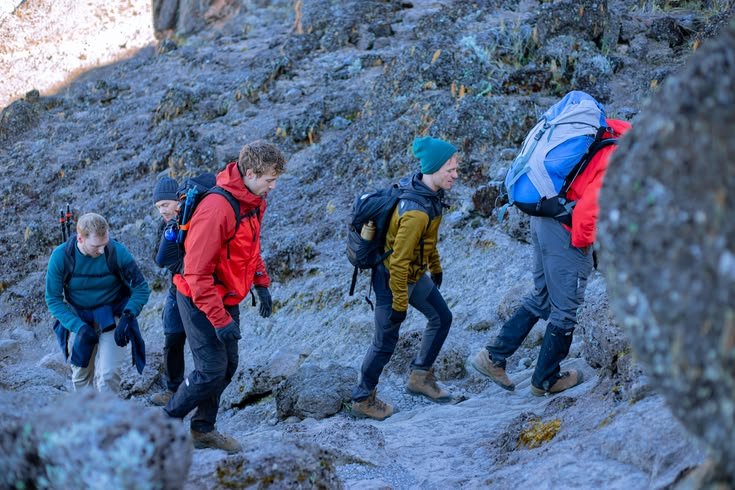
Higher sections are generally more rocky and exposed.
With proper hiking boots, trekking poles and suitable rain protection, these conditions can be managed comfortably.
Our mountain crew also helps travellers move at a comfortable pace and choose the safest practical way through wet sections.
Which Kilimanjaro Route Is Best During the Rainy Season?
There is no single route that is perfect for every traveller.
At Kilipori Safaris, we select the route according to your travel dates, fitness level, preferred experience and number of days available.
| Route | Typical Duration | Rainy-Season Experience |
|---|---|---|
| Marangu | 5-6 days | Hut accommodation and a classic route through the rainforest |
| Machame | 6-7 days | Scenic camping route with varied landscapes |
| Lemosho | 7-8 days | Longer approach with beautiful scenery and gradual acclimatization |
| Rongai | 6-7 days | Northern approach with a different mountain environment |
| Northern Circuit | 8-9 days | Longer itinerary with additional time for acclimatization |
The best route is the one that matches your travel style and climbing goals.
Is Machame Route Good During the Rainy Season?
Yes, Machame is a very good option for travellers who want the classic Kilimanjaro camping experience.
The route passes through beautiful rainforest before continuing through moorland and higher alpine environments.
Rain can occur in the forest, but this is also one of the most beautiful sections of the mountain.
A 6-7 day Machame itinerary gives you a good amount of time to enjoy the route and adjust gradually to increasing altitude.
At Kilipori Safaris, we can plan your Machame climb around your preferred dates and trekking pace.
Is Lemosho Route Good During the Rainy Season?
Yes, Lemosho is an excellent choice for travellers who want a longer and more gradual Kilimanjaro experience.
The western approach offers beautiful scenery and allows you to experience different environments before joining the main mountain circuit.
A 7-8 day Lemosho itinerary gives you more time on the mountain and allows a comfortable pace.
For travellers who have enough time, Lemosho can be a particularly enjoyable way to experience Kilimanjaro outside the busiest months.
Is Marangu Route Good During the Rainy Season?
Yes, Marangu can be climbed during the rainy season.
One of its main advantages is that it provides hut accommodation, meaning climbers do not need to sleep in tents along the route.
The rainforest can be particularly green during wetter periods, creating a beautiful atmosphere.
For the best experience, we recommend allowing enough time for acclimatization rather than selecting the shortest itinerary simply because you have limited time.
Is Rongai Route Good During the Rainy Season?
Yes, Rongai is an interesting rainy-season option because it approaches Kilimanjaro from the northern side.
The northern slopes have different environmental characteristics from the southern approach.
Rongai also offers a quieter and different perspective of the mountain.
A 6-7 day Rongai climb can provide a comfortable itinerary for travellers who like the northern approach.
Is the Northern Circuit Good During the Rainy Season?
Yes. The Northern Circuit is an excellent choice for travellers who have enough time for a longer mountain adventure.
The route travels around the northern side of Kilimanjaro and provides plenty of time to experience different landscapes.
An 8-9 day itinerary allows a gradual pace and additional time for acclimatization.
If you want to spend more time enjoying the mountain rather than rushing toward the summit, this route is worth considering.
How Many Days Should You Climb Kilimanjaro During the Rainy Season?
At Kilipori Safaris, we always encourage travellers to choose a route based on proper acclimatization and enjoyment rather than simply selecting the shortest possible climb.
Our common options include:
-
Marangu: 5-6 days
-
Machame: 6-7 days
-
Rongai: 6-7 days
-
Lemosho: 7-8 days
-
Northern Circuit: 8-9 days
If you have enough time, a longer itinerary can provide a more relaxed experience and more opportunity for your body to adjust to altitude.
What Should You Wear on Kilimanjaro During the Rainy Season?
The secret is to use a layering system.
We recommend:
-
Moisture-wicking base layers
-
Fleece or warm mid-layer
-
Waterproof hiking jacket
-
Waterproof trekking trousers
-
Comfortable hiking trousers
-
Waterproof hiking boots
-
Warm hiking socks
-
Gaiters
-
Warm gloves
-
Warm hat
-
Sun hat
-
Insulated summit jacket
-
Sunglasses
-
Headlamp
The most important rainy-season items are your waterproof outer layers and reliable footwear.
Do I Need Waterproof Boots for Kilimanjaro During the Rainy Season?
Yes, waterproof hiking boots are strongly recommended.
The forest can become wet after rainfall, and waterproof boots help keep your feet comfortable.
Comfort is particularly important because you will spend several hours walking each day.
We also recommend bringing extra socks and keeping spare clothing protected inside waterproof bags.
Do I Need a Rain Cover for My Backpack?
Yes.
A backpack rain cover or waterproof liner helps protect:
-
Clothes
-
Sleeping equipment
-
Electronics
-
Documents
-
Camera equipment
-
Personal items
Keeping your important belongings dry is one of the simplest ways to make a rainy-day trek more comfortable.
Is Kilimanjaro Cold During the Rainy Season?
Yes, but temperature depends mainly on altitude.
The lower slopes can be relatively warm, while the upper mountain becomes progressively colder.
You can expect:
Lower slopes: Mild to warm
Forest: Cool and humid
Moorland: Cooler and more exposed
Alpine desert: Cold and dry
Summit: Extremely cold and potentially below freezing
This is why we recommend preparing for both rain and cold.
Can You Still See Mount Kilimanjaro During the Rainy Season?
Absolutely.
Rainy-season weather does not mean that Kilimanjaro disappears behind clouds for the entire trip.
There can be beautiful clear periods, especially when clouds move away from the mountain.
You may have opportunities to see:
-
Kibo
-
Mawenzi
-
Shira Plateau
-
The surrounding plains
-
Sunrise above the clouds
-
Different vegetation zones
Weather is part of the mountain experience, and clear moments can be especially rewarding.
Is the Rainy Season Good for Kilimanjaro Photography?
Yes.
Rain and changing cloud conditions can create beautiful photography opportunities.
The lower slopes can become particularly green, while the higher mountain provides dramatic contrasts between rock, sky, cloud and snow or ice when present.
You can photograph:
-
Rainforest
-
Giant heather
-
Shira Plateau
-
Kibo
-
Mawenzi
-
Alpine landscapes
-
Clouds below the mountain
-
Sunrise and sunset
For photographers, changing weather can add character to the landscape.
Is Kilimanjaro Busy During the Rainy Season?
The number of climbers varies depending on the month, route and travel dates.
Some travellers choose the wetter periods because they prefer a quieter mountain experience.
This can make the rainy season attractive to people who want to enjoy Kilimanjaro with a different atmosphere from the busiest climbing periods.
At Kilipori Safaris, we can help you select a route and departure date that matches the type of mountain experience you prefer.
What Are the Benefits of Climbing Kilimanjaro During the Rainy Season?
There are several reasons why travellers may choose a rainy-season climb.
Greener Landscapes
Rain gives the lower mountain a fresh and vibrant appearance.
Potentially Quieter Trails
Some travellers prefer travelling outside the busiest climbing periods.
Flexible Travel Opportunities
If your holiday schedule falls during the rainy season, you do not necessarily need to postpone your Kilimanjaro adventure.
Beautiful Changing Weather
Cloud, sunlight and clear periods can create impressive mountain scenery.
Experienced Mountain Crew
With an experienced crew, wet conditions can be managed as part of normal mountain operations.
What Should You Expect During a Rainy-Season Kilimanjaro Climb?
The best approach is to expect variety rather than bad weather every day.
You may have a morning with sunshine, a short afternoon shower and a clear evening.
Another day may be cloudy and cool.
Another day may remain completely dry.
The mountain's different elevations mean that conditions can change significantly during the same day.
That is part of what makes Kilimanjaro such a unique trekking destination.
Can Beginners Climb Kilimanjaro During the Rainy Season?
Yes. Beginners can climb Kilimanjaro during the rainy season.
You do not need previous experience climbing a high mountain to join a properly organized Kilimanjaro expedition.
For first-time climbers, we recommend:
-
Choosing enough days for acclimatization
-
Preparing physically before the trip
-
Bringing proper waterproof equipment
-
Using comfortable hiking boots
-
Following the guide's pace
-
Staying hydrated
-
Keeping spare clothing dry
-
Taking the climb one day at a time
Our mountain guides support you throughout the journey.
What Does Kilipori Safaris Recommend for a Rainy-Season Kilimanjaro Climb?
At Kilipori Safaris, our advice is simple: do not let the word "rainy season" stop you from experiencing Kilimanjaro.
Instead, prepare properly and choose the right itinerary.
For travellers who want a balanced experience, we commonly recommend:
7-day Machame — a classic Kilimanjaro experience with beautiful scenery.
7-8 day Lemosho — a gradual itinerary with plenty of time to enjoy the mountain.
8-9 day Northern Circuit — a longer adventure for travellers who want more time on Kilimanjaro.
6-7 day Rongai — a northern approach offering a different mountain experience.
The final choice depends on your travel dates, available time, preferred accommodation and the type of adventure you want.
Plan Your Rainy-Season Kilimanjaro Adventure With Kilipori Safaris
Yes, you can climb Kilimanjaro during the rainy season — and you can enjoy it.
The mountain may be greener, the weather more changeable and some trails wetter, but these conditions do not take away from the experience.
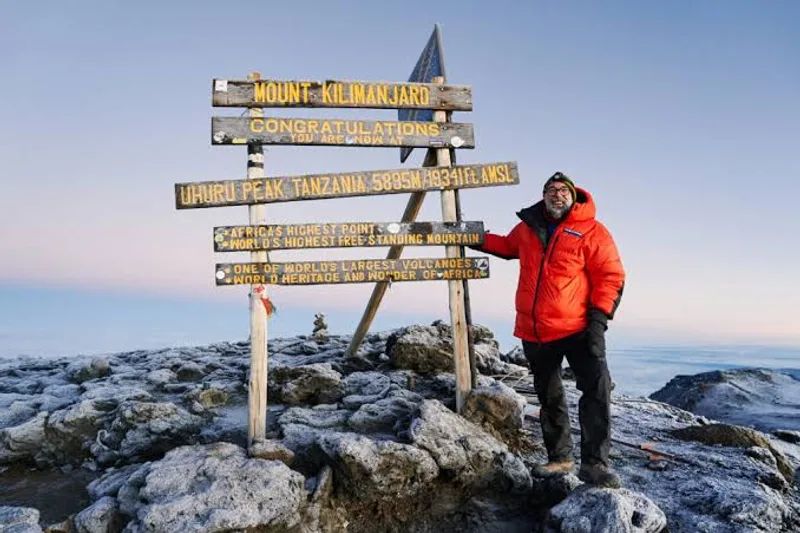
With proper rain protection, comfortable footwear, warm layers, the right route and an experienced mountain crew, you can focus on enjoying the journey toward Uhuru Peak at 5,895 metres.
Kilipori Safaris organizes Kilimanjaro climbs on:
-
Machame Route
-
Lemosho Route
-
Marangu Route
-
Rongai Route
-
Umbwe Route
-
Northern Circuit
Tell us your preferred travel dates, number of climbers and available days, and our team can help you choose the most suitable Kilimanjaro itinerary.
WhatsApp Kilipori Safaris: +255 755 287 311
Plan Your Kilimanjaro Climb | Request Your Route | Start Your Adventure
FAQs About Climbing Kilimanjaro During the Rainy Season
Can you climb Kilimanjaro during the rainy season?
Yes. Kilimanjaro can be climbed during the rainy season, and many travellers enjoy the greener landscapes and quieter atmosphere.
When is the rainy season on Kilimanjaro?
The main rainy periods are generally March to May and around October to December.
Does it rain every day during the rainy season?
No. Rainfall varies considerably by day, altitude and location. You can still experience clear and dry periods during a rainy-season climb.
Is April a good month to climb Kilimanjaro?
Yes, April is possible, although it falls within the main long-rain period. Travellers should bring good waterproof equipment and be prepared for changing weather.
Is October good for climbing Kilimanjaro?
Yes. October is a transition period and can provide a mixture of relatively dry conditions and occasional rainfall.
Which Kilimanjaro route is best during the rainy season?
Machame, Lemosho, Marangu, Rongai and Northern Circuit can all be climbed during the rainy season. The best choice depends on your travel dates, available time and preferred mountain experience.
Are Kilimanjaro trails muddy during the rainy season?
Some lower forest sections can become muddy after rainfall. Proper hiking boots and gaiters make these sections much easier to manage.
Do I need rain gear for Kilimanjaro?
Yes. We recommend a waterproof jacket, waterproof trousers, backpack protection and waterproof or water-resistant hiking boots.
Can beginners climb Kilimanjaro during the rainy season?
Yes. Beginners can successfully climb Kilimanjaro during the rainy season with appropriate preparation, a suitable itinerary and experienced mountain guides.
Is Kilimanjaro cold during the rainy season?
The upper mountain remains very cold regardless of the season. Temperatures decrease significantly as you gain altitude, so warm summit clothing is essential.
Can you reach Uhuru Peak during the rainy season?
Yes. Climbers can reach Uhuru Peak during the rainy season when weather conditions and the climber's condition allow a suitable summit attempt.
Is the rainy season quieter on Kilimanjaro?
Some rainy-season periods can have fewer climbers than the busiest months, although crowd levels depend on the route and specific travel dates.
Can I combine Kilimanjaro with a safari during the rainy season?
Yes. You can combine a Kilimanjaro climb with a Tanzania safari and, depending on your itinerary, Zanzibar.
How many days should I climb Kilimanjaro during the rainy season?
We generally recommend allowing 6-9 days, depending on the route. Longer itineraries provide more time to enjoy the mountain and acclimatize gradually.
How do I book a rainy-season Kilimanjaro climb with Kilipori Safaris?
Send us your preferred travel dates, number of climbers and number of days available. Our team will help you select a suitable route and prepare your Kilimanjaro itinerary.

KiliPori Safaris Travel Team
A local Tanzania team helping travellers plan wildlife safaris, Kilimanjaro climbs and Zanzibar holidays with clear routing and direct destination support.
Published October 3, 2026 · Last updated October 31, 2026. Travel conditions, fees and schedules can change; confirm time-sensitive details before departure.