Explore this guide
Our guides combine current planning research with practical knowledge from arranging safaris, Kilimanjaro climbs and Zanzibar holidays.
Climbing Kilimanjaro for Women: Practical Preparation Guide
Yes — women summit Kilimanjaro every day of the season, at every age, with the same success factors as men: fitness, pacing, and enough days on the mountain.
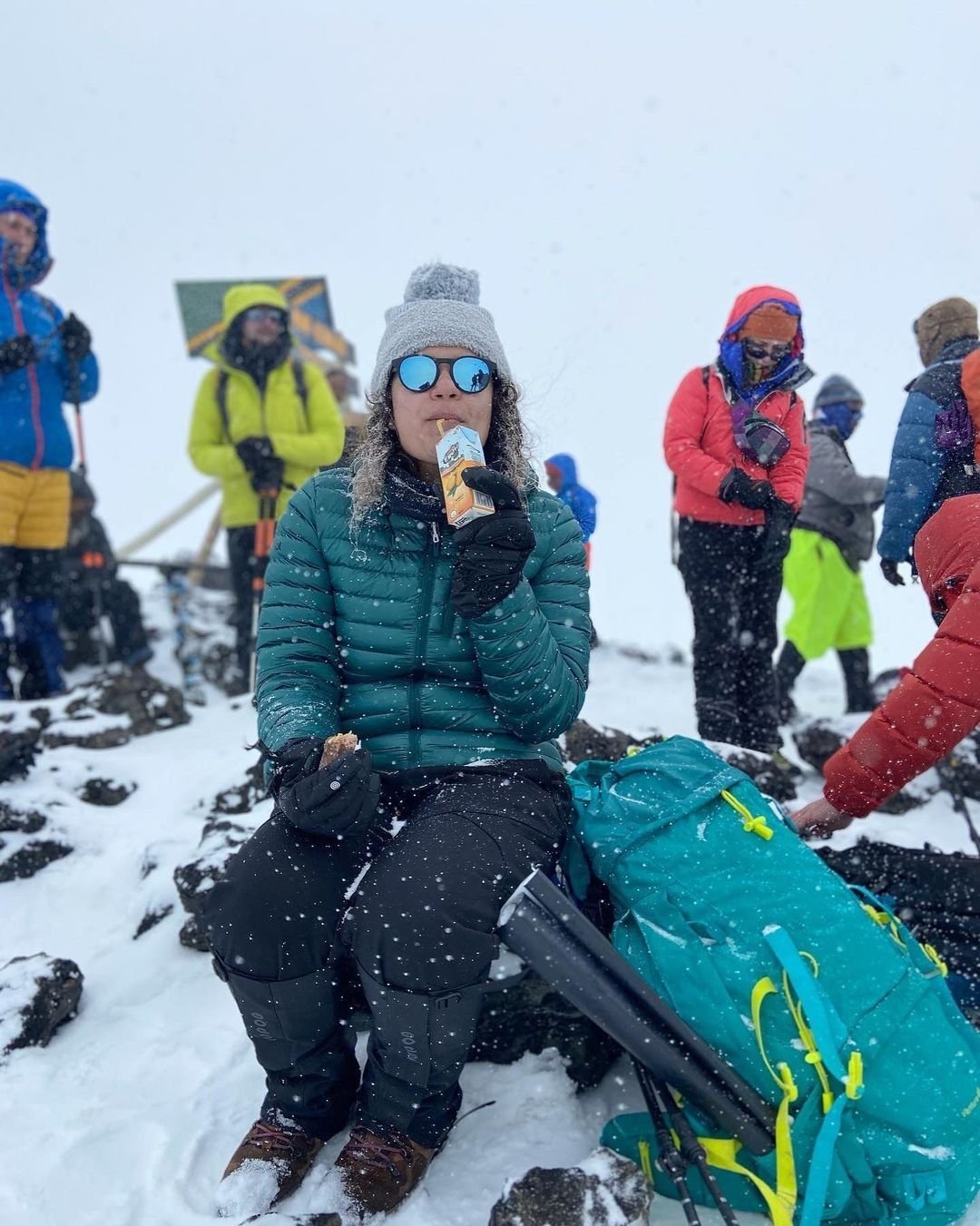
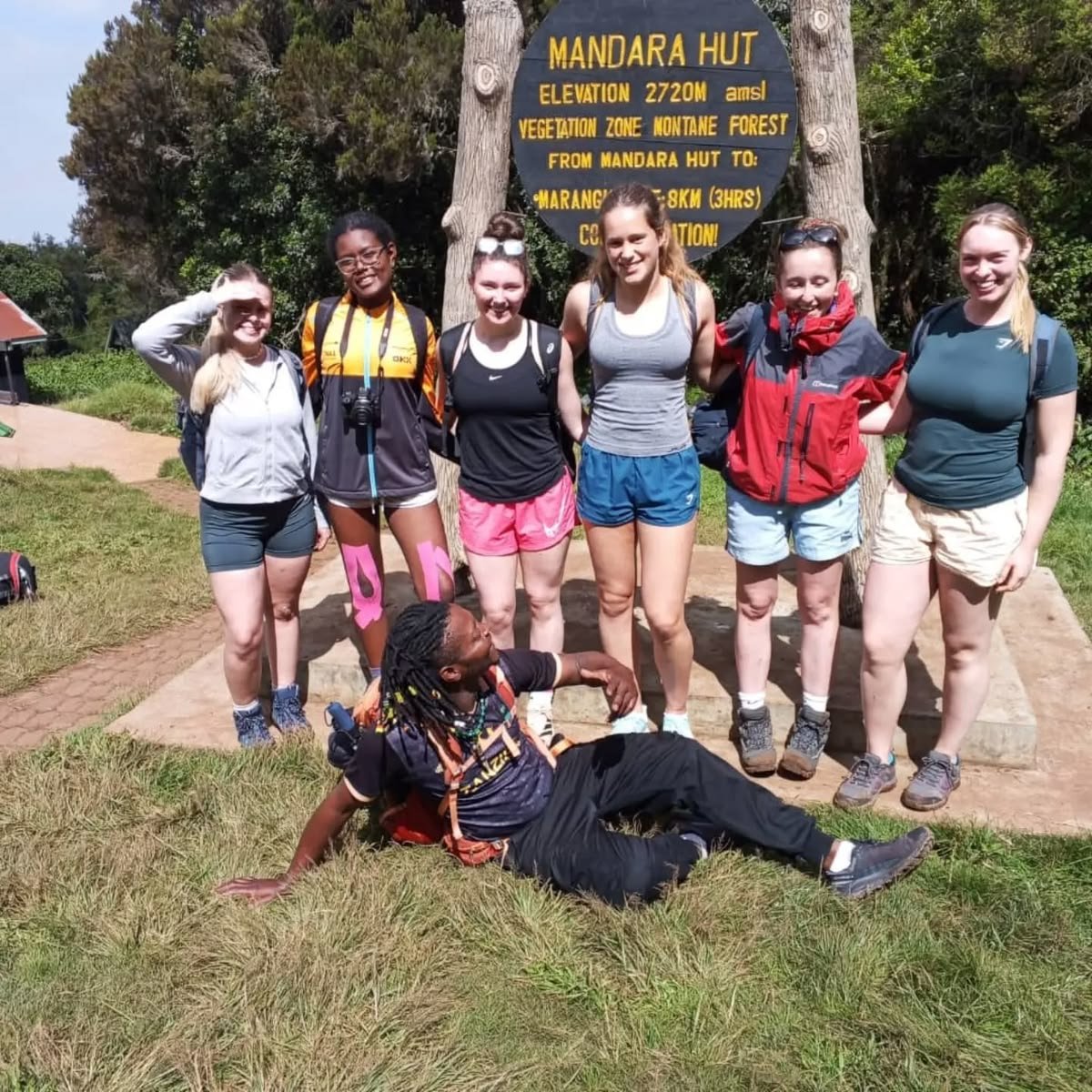
At Kilipori Safaris, women make up nearly half of our trekkers — solo travellers, couples, mothers and daughters, and all-female groups. The mountain does not care about gender; correct preparation does not differ much either. But a handful of practical topics — privacy, toilets, menstruation, safety, and packing — deserve honest women-specific answers. This guide gives them.
Is Kilimanjaro Safe for Women?
Yes, including for women travelling alone. The trekking system protects everyone equally: licensed guides, staffed camps, regulated crew conduct, and park authority oversight. Tanzania's trekking industry hosts thousands of female trekkers yearly, and our crews are trained — and contractually required — to maintain professional conduct at all times.
Practical layers that matter specifically:
- Private climbs put you in control of company: your crew, your pace, no strangers at your dinner table unless you invite them.
- Female guides are available on request — ask at booking, ideally 2 to 3 months ahead in peak season when demand is highest.
- A direct office line (WhatsApp, monitored daily) exists independently of your mountain crew for any concern, at any hour.
- Accommodation privacy is arranged before the trek: private tent on camping routes, requested shared hut room for couples on Marangu.
Harassment reports on guided Kilimanjaro treks are rare, and operators with licensed, traceable crews have every incentive to keep it that way. Vague unease about "travelling as a woman" should not stop you; concrete questions about crew standards should be asked of every operator — including us.
Female Guides and Crew
Women work across our mountain teams — assistant guides, camp crew, and office coordinators — and female lead guides can be requested for private climbs. Many of our female trekkers specifically ask for a female guide and describe the experience as transformative: shared perspective on pacing, privacy without explanation, and mentorship from someone who has summited hundreds of times.
There is no performance difference to consider. Your guide's summit count, first-aid certification, and English matter; their gender is your preference to state freely.
Privacy: Tents, Huts, and Changing
- Camping routes (Machame, Lemosho, Rongai, Umbwe, Northern Circuit): private tent for solo trekkers and couples as standard — no sharing with strangers unless you join a group departure and agree to it.
- Marangu huts: dormitory-style A-frame huts. Couples may request a shared room; solo women are grouped thoughtfully, never placed carelessly — state preferences at booking.
- Changing clothes: inside your tent or hut, always. Crew are trained to announce camp arrivals and give privacy before tent setup completes.
- Summit night: dress in base layers at camp before the midnight departure to minimise exposed changing at 4,700 m in the cold and dark.
Toilets and Sanitation for Women
The honest topic most guides avoid, answered directly:
- Public camp toilets exist at every hut and most campsites — basic long-drop facilities, variable cleanliness. Carry your own toilet paper and hand sanitizer regardless.
- Private chemical toilet tents (US$150 per trek, approximately) are the single most popular comfort upgrade among our female trekkers — your own clean toilet at every camp, serviced daily by the crew.
- On the trail: your guide signals discreet comfort stops away from the group, carries a trowel, and keeps the party waiting without commentary. This is routine mountain guiding, not a favour.
- Hygiene protocol: pee bottles or designated bags for summit night (leaving a warm tent at -10°C is genuinely hazardous), unscented wet wipes in sealed bags (pack out everything — leave-no-trace applies fully), and hand sanitizer before every meal without exception.
Menstruation at Altitude: Practical Answers
Menstruation does not prevent summiting. Altitude can shift cycle timing — earlier, later, heavier, or lighter — so prepare for unpredictability rather than a specific scenario:
- Carry double your normal supplies plus pain relief you trust. There are no shops above the gates.
- Menstrual cups are the most practical high-altitude option: reusable, compact, 8–12 hour capacity, minimal waste to pack out. Practice using one before travel if it is new to you.
- Pads and tampons work normally — pack a dedicated sealed waste bag, as all waste descends with porters.
- Painkillers: carry your usual remedy plus anti-inflammatories, and inform your guide; cramps plus altitude fatigue compound each other, and pacing adjustments help.
- Iron and hydration: menstruation plus altitude increases dehydration risk — add an extra half-litre to daily water targets during your period.
None of this requires discussion beyond what you choose to share. A brief private word with your guide ("I may need extra stops today") is sufficient — experienced guides handle it as routine logistics.
Packing Differences for Women
The standard Kilimanjaro list applies, with these additions and adjustments:
| Item | Women's-specific notes |
|---|---|
| Sports bras | 2–3 high-support, moisture-wicking; test on long hikes first |
| Underwear | 4–5 pairs merino or synthetic; cotton never |
| Menstrual supplies | Double normal quantity + sealed waste bags |
| Hair care | Buff, braids, or cap for 6–9 dusty days; dry shampoo; minimal products (weight + water limits) |
| Skincare | High-SPF moisturizer, lip balm with SPF, small mirror; equatorial sun at altitude burns fast |
| Toiletries | Unscented wet wipes, hand sanitizer, personal medications in original packaging |
| Pee solution | Dedicated bottle or bag for summit night; headlamp with red-light mode for camp discretion |
| Sizing | Women's-cut boots and packs exist for good reason — hip belts and toe boxes shaped differently matter over 70+ km |
Total pack discipline still applies: porters carry weight limits, and every extra kilo is carried uphill by a person. Borrow or rent technical items in Moshi rather than buying badly-fitting gear at home.
Fitness, Age, and Pregnancy
- Fitness: stair training with a weighted pack, 8–12 weeks, exactly as for men. No separate standard exists because none is needed.
- Age: women in their 50s and 60s summit regularly on 7+ day routes. Bone density and joint history matter more than age — discuss both with your doctor.
- Pregnancy: high-altitude trekking is not advised during pregnancy. Postpone the climb; the mountain will wait.
- Postpartum and breastfeeding: individual medical advice only — hydration demands, medication compatibility, and infant care logistics all require your doctor's input, not a travel article's.
Safety on the Trail and in Town
- On-trek safety is crew-managed: licensed guides, staffed camps, oxygen, radios, and evacuation chains identical for all trekkers.
- In Moshi and Arusha: pre-arranged airport pickup (included in our packages), reputable hotels, no isolated night movement — standard sensible travel, nothing Kilimanjaro-specific.
- Keep valuables minimal on the mountain: summit-day cash tip envelope, phone, camera. Leave passports and backup cards in the Moshi hotel safe.
- Share your itinerary and guide contact with someone at home, plus our office WhatsApp as a second channel.
What Does Kilipori Safaris Recommend for Women Trekkers?
Book private for full control of company and pace; request a female guide early if preferred; add the private toilet tent without hesitation — it transforms comfort out of all proportion to cost; declare every diet, allergy, and medical note three times (booking, briefing, Day 1); and message us anything you would rather not ask a man face-to-face. We have heard it all, and we answer everything.
Plan Your Kilimanjaro Climb With Kilipori Safaris
Machame, Lemosho, Marangu, Rongai, Umbwe, Northern Circuit — solo, couples, friends, or all-female groups, with female guides on request and privacy arranged before you arrive. Tell us your dates and concerns openly; frank planning is the foundation of a summit you enjoy.
WhatsApp Kilipori Safaris: +255 755 287 311
Plan Your Climb | Ask Anything Anonymously | Start Your Adventure
FAQs About Women Climbing Kilimanjaro
Is Kilimanjaro safe for a woman travelling alone?
Yes. Licensed guides, staffed camps, regulated crews, plus female guides on request and a direct office line independent of the mountain team.
Can I get a female guide?
Yes, on private climbs — request at booking, ideally 2 to 3 months ahead in peak season. All our guides, male and female, hold the same licenses and certifications.
Where do I go to the toilet on the trek?
Camp long-drops, a private chemical toilet tent upgrade (US$150 per trek, approximately), and guided discreet trail stops. Carry toilet paper and sanitizer always.
What about periods at altitude?
Manageable with preparation: double supplies, cups or pads plus sealed waste bags, painkillers, extra water. Timing may shift — prepare for unpredictability.
Do I share a tent or hut with strangers?
Only if you join a group departure and agree to it. Private climbs mean private tents; Marangu couples may request shared hut rooms.
What should women pack differently?
Sports bras, extra underwear, menstrual supplies, hair management, high-SPF skincare, and a summit-night pee solution — on top of the standard unisex list.
Is harassment a problem on Kilimanjaro?
Reports on guided treks are rare. Licensed, traceable crews and operators with clear conduct standards keep it that way — ask about standards before booking, anywhere.
Can pregnant women climb Kilimanjaro?
No — high-altitude trekking is not advised during pregnancy. Postpone and climb later; discuss timing with your doctor.
Do women summit at the same rate as men?
Success tracks fitness, itinerary length, and pacing — not gender. Women on 7+ day private itineraries summit at the same high rates as men.
Should I bring my own sleeping bag?
A -15°C comfort-rated bag is recommended regardless of gender; rental bags of verified quality are available in Moshi if you prefer not to buy.
How do I handle hair for 9 days?
Braids, buffs, or a cap plus dry shampoo. Full washing routines are impractical above 3,000 m — plan for containment, not cleanliness.
Can I combine the climb with safari or Zanzibar?
Yes — most trekkers add 2 to 5 days after descending. Recovery days flatter everyone, and beach time after summit night is deeply earned.

KiliPori Safaris Travel Team
A local Tanzania team helping travellers plan wildlife safaris, Kilimanjaro climbs and Zanzibar holidays with clear routing and direct destination support.
Published October 3, 2026. Travel conditions, fees and schedules can change; confirm time-sensitive details before departure.