Explore this guide
Our guides combine current planning research with practical knowledge from arranging safaris, Kilimanjaro climbs and Zanzibar holidays.
Climbing Kilimanjaro in January: Weather and Trail Conditions
January is one of the best months to climb Kilimanjaro for relatively dry weather, clear views and generally good trail conditions. January falls within Kilimanjaro's shorter dry-season window, when rainfall is lower than during the main wet season and the mountain normally provides good climbing conditions. TANAPA identifies the period from December to early March as a dry season, with cool nights and generally clear days suitable for climbing.
At KiliPori Safaris, we organize January climbs on Machame, Lemosho, Marangu, Rongai, Umbwe and Northern Circuit, preparing climbers for both the relatively dry lower slopes and the extremely cold summit zone.
What Is the Weather Like on Kilimanjaro in January?
January brings relatively dry, warm conditions at lower elevations and increasingly cold conditions as you climb higher.
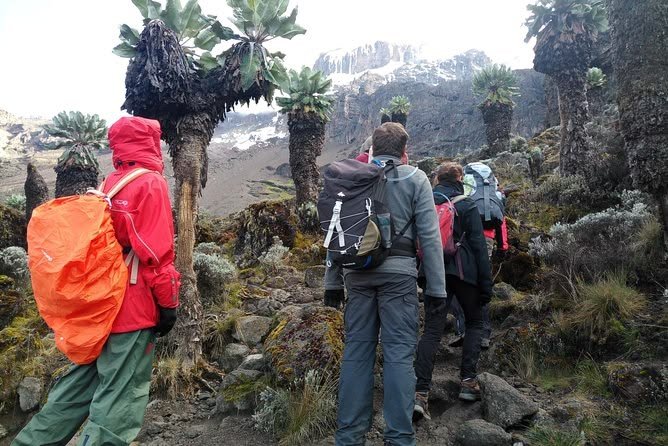
The weather changes significantly between Kilimanjaro's ecological zones. The rainforest can still be green and slightly damp from the preceding rains, while the higher slopes are generally drier and clearer.
| Kilimanjaro Zone | January Conditions |
|---|---|
| Rainforest | Warm, humid and occasionally damp |
| Heather and Moorland | Cooler, generally dry and clear |
| Alpine Desert | Cold, dry and exposed |
| High Camp | Very cold, especially at night |
| Summit Zone | Freezing to well below freezing |
January is therefore not simply a "warm" month on Kilimanjaro. The temperature depends mainly on altitude, and summit conditions remain extremely cold regardless of the month.
Is January a Dry Month on Kilimanjaro?
Yes. January is part of Kilimanjaro's short dry-season period.
TANAPA describes the dry season as running from December to early March, with cool nights and clear days that provide good climbing conditions. The main wet season occurs from March to May.
January therefore provides a useful combination of:
-
Relatively low rainfall
-
Clearer skies
-
Good visibility
-
Firmer trails
-
Comfortable daytime conditions at lower elevations
-
Cold but manageable conditions before summit night
Occasional rain can still occur, particularly in the lower forest zone, so waterproof clothing remains important.
What Are Kilimanjaro Trails Like in January?
Kilimanjaro trails are generally in good condition in January, particularly above the rainforest zone.
The lower forest sections can retain moisture from the previous rainy period, so hikers may encounter damp ground, muddy patches and wet vegetation.
As the route gains altitude, conditions generally become drier and more exposed.
The typical January progression is:
Rainforest: Green and occasionally wet
Moorland: Cooler and generally firm underfoot
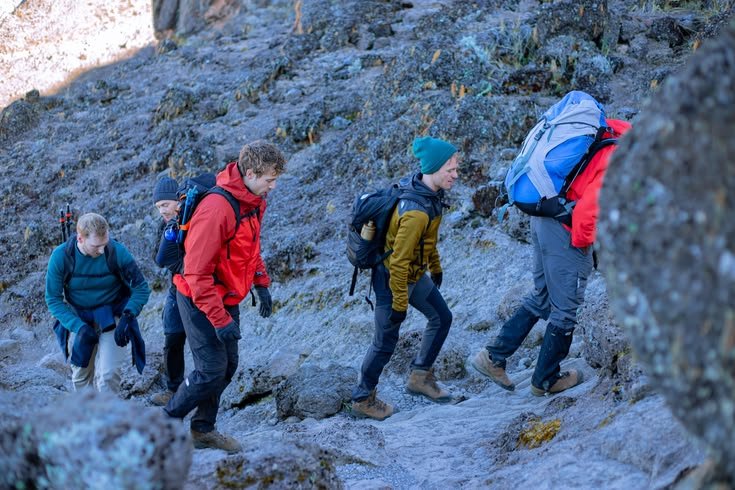
Alpine desert: Dry, rocky and exposed
Summit zone: Cold, rocky and potentially icy depending on conditions
This makes January a good month for climbers who want relatively stable trail conditions while still experiencing the lush appearance of Kilimanjaro's lower slopes.
Is the Kilimanjaro Rainforest Wet in January?
The rainforest can be damp in January, especially after the preceding short-rain period.
You may encounter wet vegetation, muddy sections and occasional moisture on the trail during the first part of the climb.
Good waterproof hiking boots and a waterproof jacket are therefore important even though January is considered part of the dry season.
Once you climb above the rainforest, the trail normally becomes more open and progressively drier.
What Is the Temperature on Kilimanjaro in January?
Temperatures become colder as altitude increases.
At the lower mountain, January daytime temperatures can feel relatively warm, while the higher zones become progressively colder.
At the summit, temperatures can fall well below freezing during the night-time summit attempt. The exact temperature varies with altitude, wind and weather conditions, so climbers should prepare for severe cold at Uhuru Peak regardless of the January daytime conditions.
For the summit night, KiliPori recommends:
-
Warm thermal base layers
-
Fleece layer
-
Insulated jacket
-
Waterproof outer layer
-
Warm gloves
-
Warm hat or balaclava
-
Thick hiking socks
-
Proper four-season sleeping bag
What Is the Trail Condition on the Machame Route in January?
Machame is generally suitable for January climbing, with the forest section more likely to be damp than the higher parts of the route.
The route begins in the rainforest before climbing through the heather and moorland zones toward the alpine desert.
January conditions usually provide good hiking conditions above the forest.
For Machame, KiliPori recommends the 7-day itinerary because the additional day provides more time for gradual acclimatization.
What Is the Trail Condition on the Lemosho Route in January?
Lemosho is well suited to January because the route provides a gradual approach through several ecological zones before reaching the high-altitude sections.
The western forest section can be moist, while the Shira Plateau is more exposed and generally drier.
The 8-day Lemosho Route provides a longer itinerary and more time for acclimatization before the summit attempt.
What Is the Trail Condition on the Rongai Route in January?
Rongai provides a relatively dry northern approach and can be a good January option for climbers who prefer a quieter route experience.
The route approaches Kilimanjaro from the northern side and passes through forest, moorland and high-altitude terrain before joining the summit approach.
January's relatively dry conditions make the trail comfortable for trekking, while the upper mountain remains cold.
What Is the Trail Condition on the Marangu Route in January?
Marangu is suitable for January climbing, although the rainforest section can be damp.
The route uses permanent mountain huts rather than camping, making it different from the camping routes.
The main trail can become wet in the lower forest after rainfall, while the higher sections become progressively colder and drier.
KiliPori recommends the 6-day Marangu itinerary when possible because it provides additional acclimatization time compared with the shorter option.
What Is the Trail Condition on the Northern Circuit in January?
The Northern Circuit provides good January trekking conditions and a long route profile that allows gradual acclimatization.
The route crosses the northern side of Kilimanjaro before approaching the summit from the eastern side.
Its longer duration makes it particularly suitable for climbers who want more time on the mountain rather than rushing through a short itinerary.
KiliPori offers the Northern Circuit as an 8-9 day climb, with the 9-day version providing the longest standard itinerary.
Does January Have Snow on Kilimanjaro?
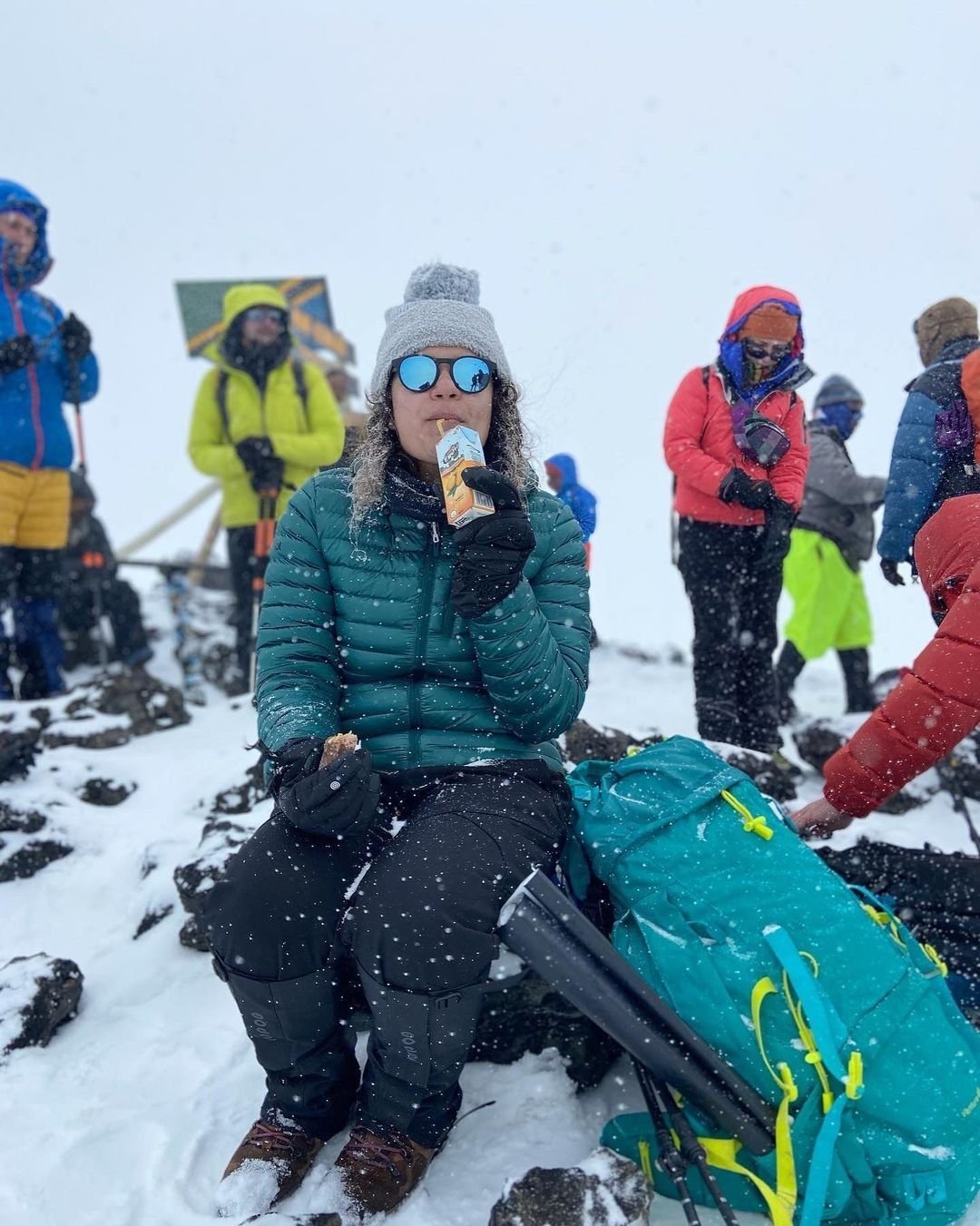
Snow and ice can occur around the summit zone in January, while the lower mountain remains free of snow.
Kilimanjaro's highest elevations have an alpine and glacial environment, so conditions around Kibo can be completely different from the warm lower slopes.
Snow or ice should not be used as the main indicator of whether January is a good month to climb. The more important factors are rainfall, trail condition, visibility and summit weather.
Is January Good for Kilimanjaro Summit Views?
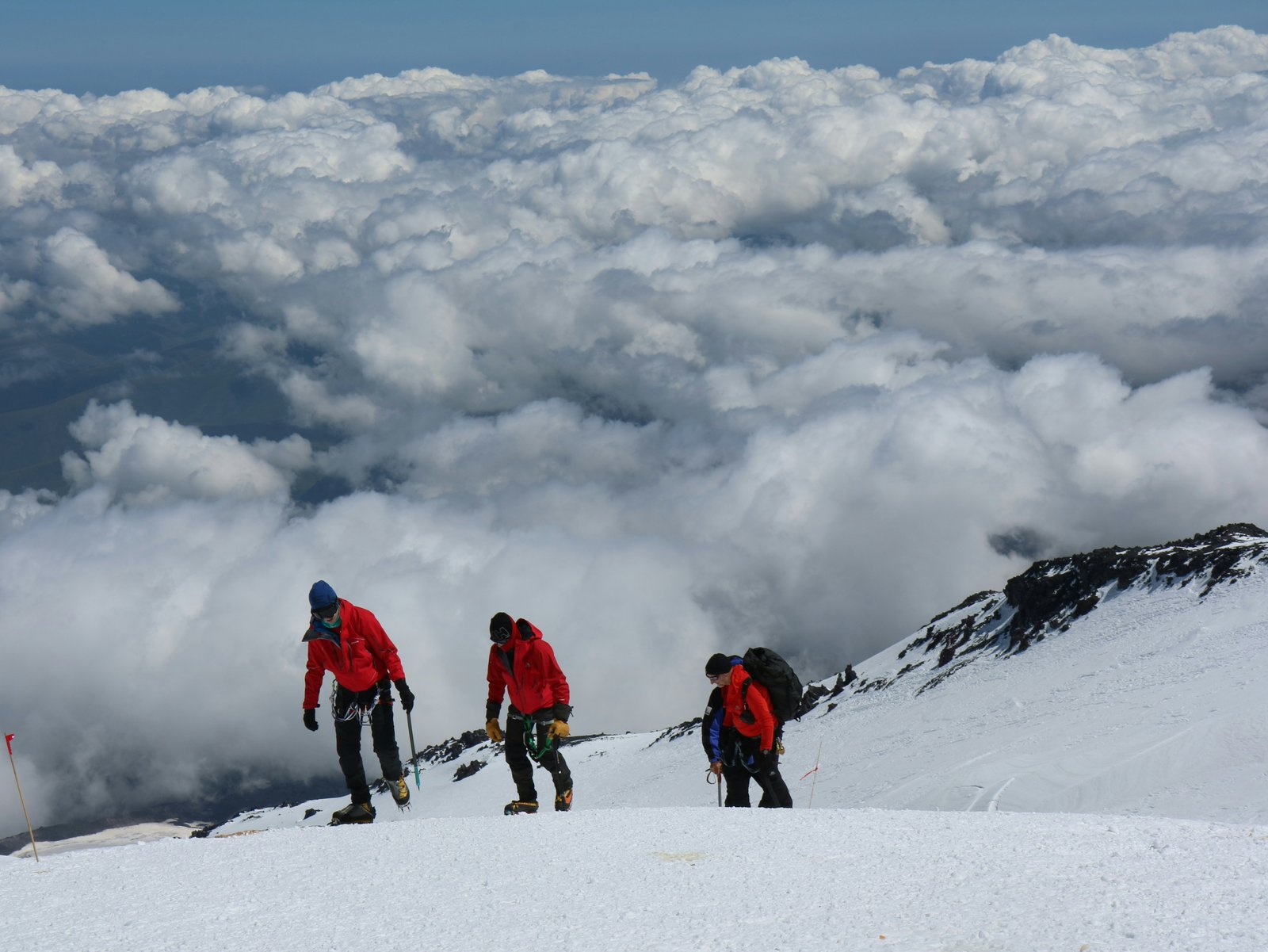
Yes. January can provide excellent mountain and summit views because the dry-season conditions generally bring clearer skies.
Clearer weather can provide impressive views of:
-
Kibo summit
-
Mawenzi Peak
-
Kilimanjaro's surrounding plains
-
Crater landscapes
-
Sunrise from the summit
-
Clouds below the mountain
Weather can still change quickly at high altitude, but January generally provides favourable conditions for visibility.
Does January Have Muddy Trails?
Muddy sections are most likely in the lower rainforest zone, while higher sections are generally firmer and drier.
The amount of mud depends on recent rainfall.
This is why KiliPori recommends waterproof hiking boots and gaiters for January climbs, particularly during the first days of routes such as Machame, Lemosho and Marangu.
Does January Have Strong Winds on Kilimanjaro?
Wind can become strong at higher elevations, particularly around exposed ridges, high camps and the summit approach.
Wind becomes more important as you climb above the sheltered forest and moorland zones.
At high altitude, wind can make temperatures feel significantly colder, so a windproof outer layer is essential for the summit push.
Is January Crowded on Kilimanjaro?
January is generally less crowded than the busiest July-August period, although the mountain is still active with climbers.
The beginning of January can experience increased demand around the holiday period, while the mountain generally becomes quieter after the New Year period.
For travellers who want relatively dry conditions without choosing the busiest part of the main climbing season, January provides a useful balance.
January Weather vs July Weather on Kilimanjaro
Both January and July are popular climbing periods, but the experience is different.
| Factor | January | July |
|---|---|---|
| General conditions | Dry-season conditions | Dry-season conditions |
| Rainfall | Relatively low | Low |
| Lower slopes | Green and sometimes damp | Drier |
| Visibility | Generally good | Generally good |
| Crowds | Moderate | Higher |
| Summit | Extremely cold | Extremely cold |
| Trail condition | Generally good | Generally dry |
| Overall atmosphere | Quieter | Busier |
January therefore works particularly well for climbers who want good weather while avoiding the busiest period of the year.
What Should You Pack for a January Kilimanjaro Climb?
January requires the same essential high-altitude equipment as other climbing seasons, with particular attention to waterproofing in the lower forest and cold-weather protection at the summit.
KiliPori recommends packing:
-
Waterproof hiking boots
-
Waterproof jacket
-
Waterproof trousers
-
Thermal base layers
-
Fleece
-
Insulated jacket
-
Warm gloves
-
Balaclava or warm hat
-
Warm hiking socks
-
Gaiters
-
Sunglasses
-
Sunscreen
-
Trekking poles
-
Headlamp
-
Four-season sleeping bag
-
Daypack
-
Duffel bag
-
Water bottles or hydration system
The weather at the summit can be dramatically colder than conditions at the mountain gate, so do not pack according to January temperatures in Moshi alone.
Which Kilimanjaro Route Is Best in January?
All major Kilimanjaro routes can be climbed in January. The better choice depends on the number of days you have and the type of mountain experience you want.
| Route | KiliPori January Duration | January Focus |
|---|---|---|
| Lemosho | 7-8 days | Gradual approach and scenery |
| Machame | 6-7 days | Classic southern route |
| Rongai | 6-7 days | Northern approach |
| Northern Circuit | 8-9 days | Longest acclimatization profile |
| Marangu | 5-6 days | Mountain huts |
| Umbwe | About 6 days | Steeper and more demanding |
For January, KiliPori particularly recommends 8-day Lemosho, 7-day Machame and 9-day Northern Circuit for climbers who want more time for acclimatization.
Is January a Good Month for First-Time Kilimanjaro Climbers?
Yes. January is suitable for first-time climbers when the itinerary provides enough days for acclimatization and the climber is properly prepared.
KiliPori recommends longer itineraries such as:
-
7-day Machame
-
8-day Lemosho
-
9-day Northern Circuit
The mountain is high, so the main focus should remain on gradual ascent, controlled pacing and adequate preparation.
What Is the Best January Itinerary for Kilimanjaro?
For January, KiliPori recommends choosing an itinerary based on the amount of time available.
6 days: Marangu or selected private routes
7 days: Machame or Rongai
8 days: Lemosho
9 days: Northern Circuit
Longer itineraries provide more time on the mountain and allow a more gradual approach to the summit.
TANAPA also states that adding climbing days increases the possibility of reaching the summit.
January Kilimanjaro Weather and Trail Conditions at a Glance
| Condition | January |
|---|---|
| Rainfall | Relatively low |
| Lower forest | Green and occasionally damp |
| Higher trails | Generally dry and firm |
| Visibility | Generally good |
| Summit | Very cold |
| Snow/ice | Possible at high altitude |
| Crowds | Moderate |
| Trail difficulty | Varies by route |
| Waterproof gear | Essential |
| Overall climbing conditions | Very good |
KiliPori Safaris' January Climbing Recommendation
January is an excellent month for climbing Kilimanjaro when you want relatively dry conditions, good visibility and manageable crowds.
The lower rainforest can still be damp, so waterproof boots, gaiters and rain protection are important. Above the forest, trails generally become drier and more exposed, while the summit remains extremely cold.
For the strongest January itinerary, KiliPori recommends:
7-day Machame for a classic southern approach.
8-day Lemosho for a longer gradual climb.
9-day Northern Circuit for the longest acclimatization profile.
TANAPA's official Kilimanjaro information confirms that the dry season runs from December to early March and that these conditions provide good opportunities for climbing.
Plan Your January Kilimanjaro Climb With KiliPori Safaris
KiliPori Safaris organizes private January climbs on Machame, Lemosho, Marangu, Rongai, Umbwe and Northern Circuit.
We coordinate your mountain route, professional guides, porters, accommodation, equipment planning and daily climbing schedule.
WhatsApp KiliPori Safaris: +255 755 287 311
Plan Your January Kilimanjaro Climb | Choose Your Route | Request Your Itinerary
FAQs About Climbing Kilimanjaro in January
Is January a good month to climb Kilimanjaro?
Yes. January falls within Kilimanjaro's short dry-season period and generally provides good climbing conditions, clear views and relatively manageable crowds.
What is the weather like on Kilimanjaro in January?
January is generally relatively dry at lower and middle elevations, while temperatures become increasingly cold as you climb higher. The summit remains extremely cold.
Are Kilimanjaro trails dry in January?
Most trails are generally in good condition, although the rainforest can have damp and muddy sections following previous rainfall.
Does it rain on Kilimanjaro in January?
Occasional rain can occur, particularly in the lower forest zone, but January is considerably drier than the main March-May rainy season.
Is January crowded on Kilimanjaro?
January is generally less crowded than July and August, although the mountain still has regular climbing activity.
Can I climb Kilimanjaro in January with no hiking experience?
Yes. Beginners can climb Kilimanjaro in January with proper preparation, a suitable route and enough days for acclimatization.
Which Kilimanjaro route is best in January?
KiliPori recommends 7-day Machame, 8-day Lemosho and 9-day Northern Circuit for climbers who want longer itineraries and more acclimatization time.
Do I need waterproof clothing for Kilimanjaro in January?
Yes. Waterproof clothing remains important because the rainforest can be damp and mountain weather can change quickly.
Is there snow on Kilimanjaro in January?
Snow and ice can occur at the highest elevations, particularly around the summit zone, while the lower mountain remains much warmer and greener.
Is January better than July for climbing Kilimanjaro?
January and July are both established climbing periods. January generally offers a quieter atmosphere, while July is part of the main busy dry-season period.
How cold is Kilimanjaro in January?
The summit can fall well below freezing during the night-time summit climb. Climbers should prepare for severe cold regardless of the relatively warm January conditions at lower elevations.
Should I book a January Kilimanjaro climb early?
Yes. Booking early gives you better access to your preferred route, climbing dates, accommodation and private departure arrangements.

KiliPori Safaris Travel Team
A local Tanzania team helping travellers plan wildlife safaris, Kilimanjaro climbs and Zanzibar holidays with clear routing and direct destination support.
Published October 3, 2026. Travel conditions, fees and schedules can change; confirm time-sensitive details before departure.