Explore this guide
Our guides combine current planning research with practical knowledge from arranging safaris, Kilimanjaro climbs and Zanzibar holidays.
Climbing Kilimanjaro in July: Weather, Crowds and Temperature
Climbing Kilimanjaro in July means dry weather, clearer skies, good trail conditions and excellent mountain visibility, but it also brings some of the busiest conditions of the climbing year. July falls within Kilimanjaro's main June-October climbing season, when rainfall is generally lower and the summit is often easier to see.
At KiliPori Safaris, we plan July climbs around the dry-season conditions, colder temperatures at altitude and higher demand on popular routes. The right route, number of days and preparation make a major difference to your experience.
What Is Kilimanjaro Weather Like in July?
July brings cool, dry and generally stable weather to Kilimanjaro. Rainfall is considerably lower than during the March-May long rains, while clearer skies provide better visibility across the mountain.
TANAPA identifies June-October as one of the main periods when the mountain is popular because skies are often clearer and the summit is easier to see.
The mountain still has several climate zones, so July does not feel the same from the gate to Uhuru Peak.
You can expect:
-
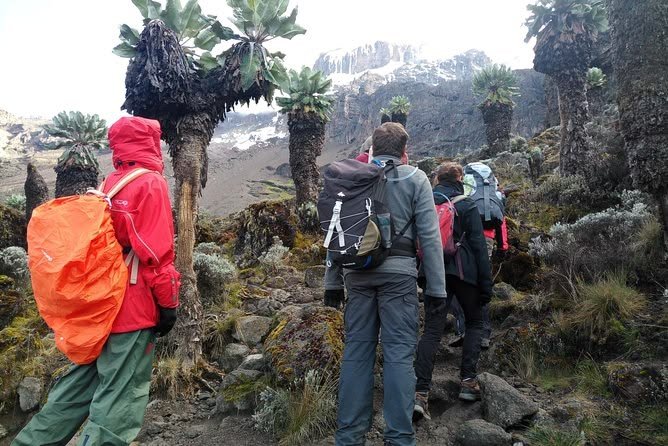
Mild conditions in the lower forest
-
Cooler temperatures in the heath and moorland
-
Cold nights above 3,500m
-
Freezing conditions in the alpine desert
-
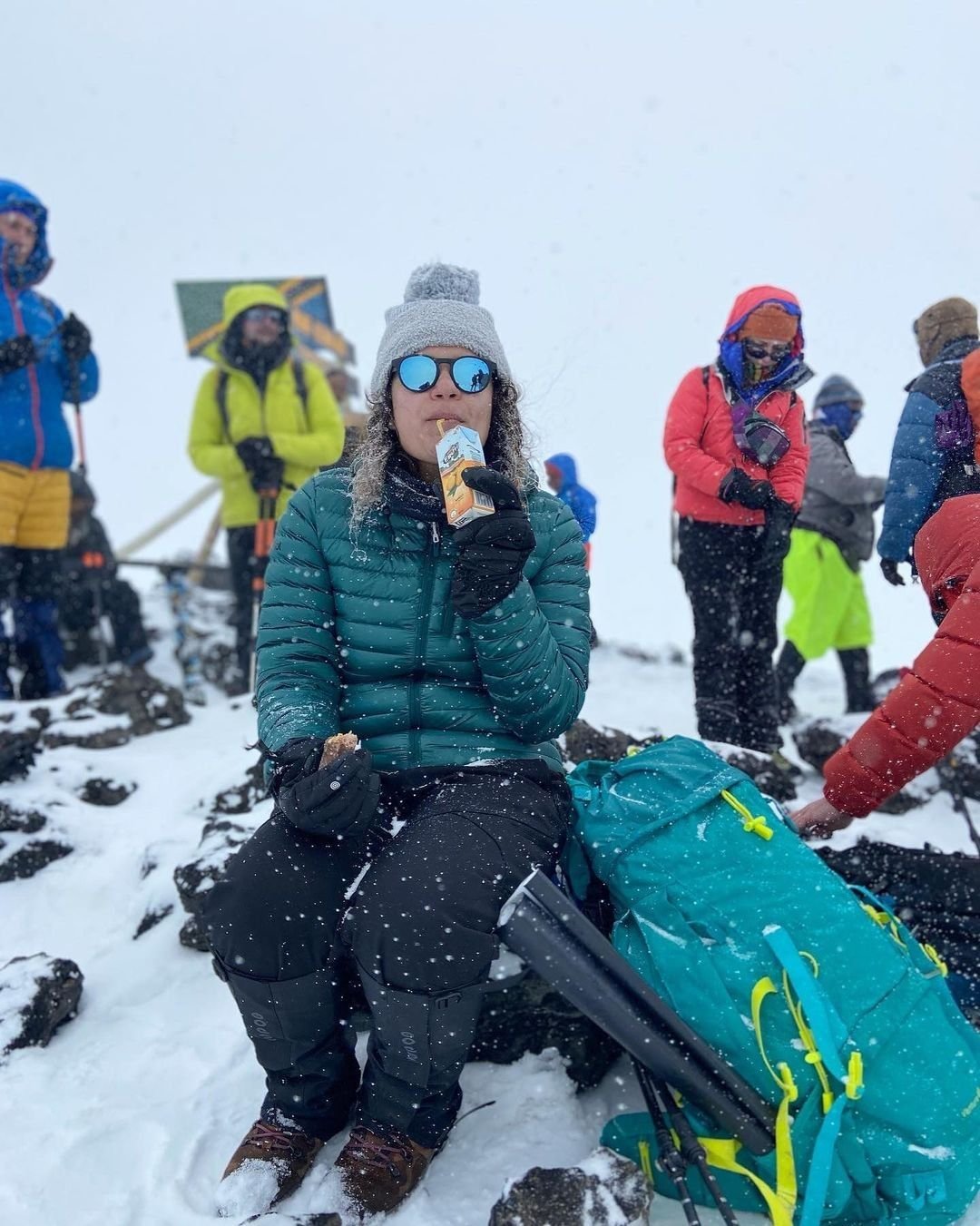
Very cold conditions during the summit climb
-
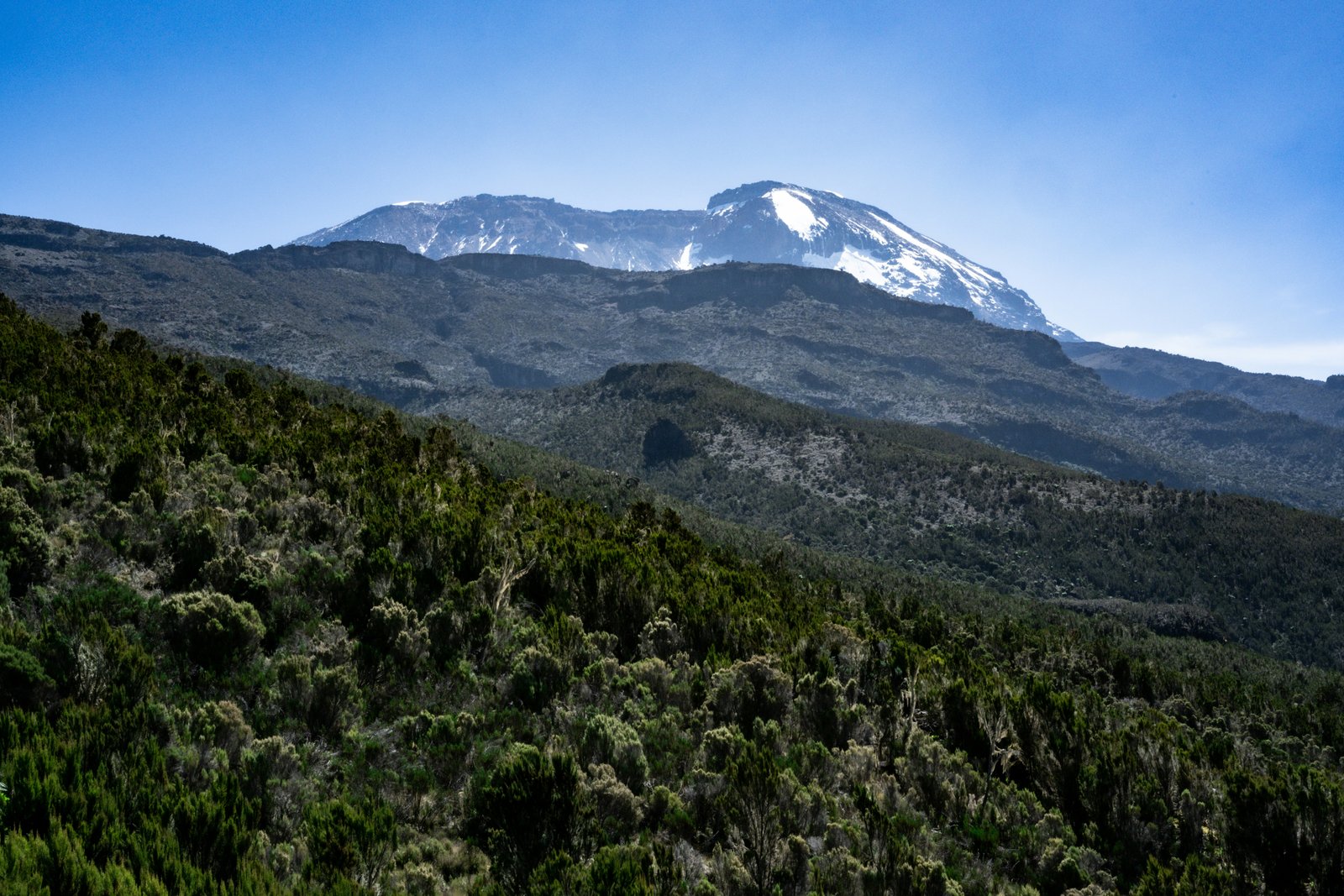
Clearer skies and excellent views on many days
July is therefore a dry-season climb, but it is not a warm climb.
Is July a Good Month to Climb Kilimanjaro?
Yes. July is one of the most popular months for climbing Kilimanjaro because it combines the main dry season with generally clear skies and firm trail conditions.
TANAPA lists June-October among the popular climbing periods and notes that the summit can be easier to see during these clearer periods.
July is particularly attractive for climbers who want:
-
Lower rainfall
-
Clear mountain views
-
Dry trails
-
Good photography conditions
-
Cold but stable mountain weather
-
A classic dry-season Kilimanjaro experience
The main trade-off is that July is also a busy climbing month, especially on popular routes.
What Are Kilimanjaro Temperatures in July?
Kilimanjaro temperatures change dramatically with altitude. The temperature at the mountain base is completely different from the conditions around Uhuru Peak.
A practical July temperature guide is:
| Kilimanjaro Zone | Approximate July Conditions |
|---|---|
| Moshi / lower slopes | Around 15-25°C during the day |
| Rainforest | Around 10-20°C, cooler in the morning |
| Heath and moorland | Around 5-15°C |
| Alpine desert | Around 0-10°C during the day, colder at night |
| High camps | Around -5 to 5°C, depending on altitude and weather |
| Summit zone | Around -10°C to -20°C during the coldest summit hours |
Temperatures become progressively colder as you climb. During the summit push, temperatures around -10°C to -20°C are possible, with wind making conditions feel even colder.
That is why July climbers need proper thermal layers, an insulated jacket, warm gloves, a suitable sleeping bag and wind protection.
How Cold Is Uhuru Peak in July?
Uhuru Peak can be extremely cold in July, particularly during the pre-dawn summit climb.
The summit stands at 5,895 metres, and conditions can be well below freezing during summit night. TANAPA describes warm, weatherproof clothing and proper footwear as essential for Kilimanjaro climbs.
For a July summit, we recommend preparing for:
-
Temperatures around -10°C to -20°C
-
Strong wind
-
Freezing hands and feet if poorly protected
-
Cold exposed skin
-
Very cold conditions while waiting around the summit
Your summit clothing should therefore be planned around the coldest part of the expedition, not the comfortable temperatures experienced lower on the mountain.
Does It Rain on Kilimanjaro in July?
July is one of the drier periods on Kilimanjaro, so rainfall is generally much lower than during the long rainy season.
The long rains normally affect the mountain from March to May, while June-October is one of the main dry-season climbing periods.
However, dry season does not mean you should leave rain protection at home.
Mountain weather can change quickly, especially around the forest and higher elevations. TANAPA recommends carrying appropriate cold-weather and rain gear even when climbing during the drier months.
We recommend carrying:
-
Waterproof jacket
-
Waterproof trousers
-
Backpack rain cover
-
Warm layers
-
Dry spare clothing
-
Waterproof protection for electronics
What Are Kilimanjaro Trails Like in July?
July generally provides firm and relatively dry trail conditions, making walking more comfortable than during the main rainy season.
Lower forest sections can still be damp, particularly in shaded areas and during early-morning conditions. Higher trails are usually drier and more exposed.
The main trail experience in July includes:
Forest: Green vegetation, cooler temperatures and occasional morning moisture.
Heath and moorland: More open terrain with cooler temperatures and clearer views.
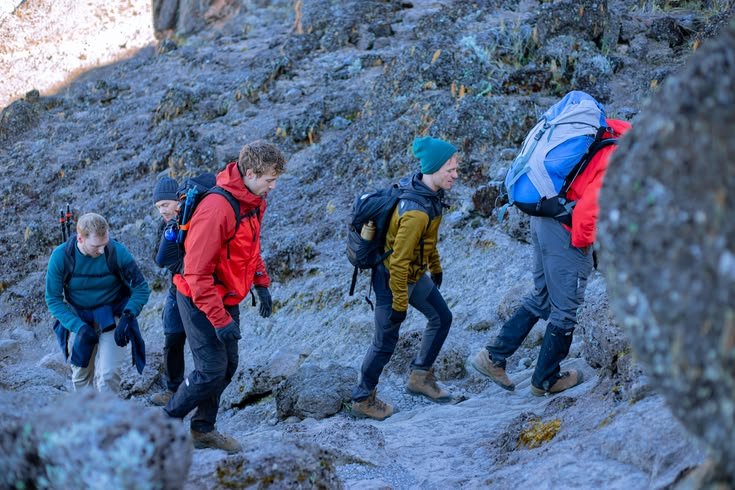
Alpine desert: Dry, rocky and exposed terrain.
Summit zone: Rocky, cold and increasingly challenging because of altitude and freezing temperatures.
TANAPA emphasizes that conditions vary with altitude and weather and advises climbers to follow designated routes and carry appropriate equipment.
Are Kilimanjaro Trails Muddy in July?
July trails are generally much less muddy than during the long rainy season.
The difference is particularly noticeable on the lower sections of routes such as Machame and Lemosho, where heavy rainfall can make trails wetter during the March-May period.
You can still encounter:
-
Damp forest sections
-
Wet vegetation
-
Small muddy patches
-
Slippery areas after localized rain
Good hiking boots with strong traction remain essential.
How Crowded Is Kilimanjaro in July?
July is a busy period on Kilimanjaro and is considered part of the peak climbing season.
The combination of dry weather, clear skies and international summer holidays brings more climbers to the mountain. Popular routes such as Machame and Marangu can feel particularly busy, with more trekkers sharing campsites and sections of trail.
The level of crowding varies by:
-
Route
-
Departure date
-
Camp
-
Week of July
-
Group size
-
Route popularity
Early July can feel different from the busiest periods later in the month, but July should generally be planned as a high-demand climbing period.
Which Kilimanjaro Routes Are Busy in July?
The most popular routes tend to experience the greatest amount of traffic during July.
Machame Route
Machame is one of the most popular camping routes, so July can bring busy trails and camps.
Its 6-7 day itineraries provide a well-established climbing experience, with varied scenery and several opportunities for acclimatization.
Lemosho Route
Lemosho is also popular during July because of its scenery and longer 7-8 day itineraries.
The longer route gives you more time on the mountain while still providing the dry-season conditions that attract July climbers.
Marangu Route
Marangu is the only main route using permanent mountain huts, making it attractive to climbers who prefer hut accommodation.
Its shorter 5-6 day itineraries can also make it busy during peak periods.
Rongai Route
Rongai approaches Kilimanjaro from the northern side and can provide a different mountain experience from the southern approaches.
It can be considered by climbers who want a quieter route environment while climbing during the busy July period.
Northern Circuit
The Northern Circuit uses a longer 8-9 day itinerary and spends more time on the quieter northern side of the mountain.
It is particularly suitable for climbers who want to combine July's dry-season conditions with a longer, more gradual route.
Is July More Crowded Than June?
Yes, July generally has higher climbing demand than June.
June marks the beginning of the main June-October climbing period, while July is firmly within the high-demand dry-season period.
This difference is most noticeable on popular routes and at busy camps.
For climbers who want July weather but prefer a more relaxed mountain atmosphere, route selection and travel dates become important.
Is July More Crowded Than August?
July and August are both busy peak-season months.
Both months benefit from the main dry season, so both attract significant numbers of international climbers.
Rather than expecting July to be completely quiet or August to be dramatically different, plan both months as high-demand periods and book your preferred route and accommodation arrangements early.
How Does July Weather Affect the Summit Day?
July's dry conditions can make the summit route easier to manage from a trail-condition perspective, but the summit day remains physically demanding because of altitude, darkness, cold and wind.
A typical summit push begins during the night so that climbers can reach Uhuru Peak around sunrise.
During this section you should expect:
-
Freezing temperatures
-
Darkness
-
Rocky terrain
-
Strong cold wind
-
Slow walking
-
Long periods of climbing
-
A very early sunrise
-
A long descent after reaching the summit
The cold becomes one of the most important preparation points for July.
What Should You Wear for Kilimanjaro in July?
July requires a proper layering system because temperatures change dramatically throughout the climb.
We recommend:
-
Moisture-wicking base layer
-
Thermal top and bottom
-
Fleece or warm mid-layer
-
Insulated down or synthetic jacket
-
Waterproof and windproof outer shell
-
Warm hiking trousers
-
Thermal summit trousers
-
Warm hiking socks
-
Thick summit socks
-
Gloves
-
Warm summit gloves or mittens
-
Warm hat
-
Buff or neck gaiter
-
Sunglasses
-
Headlamp
Your summit clothing should be tested before the climb so you know that every layer works comfortably together.
What Sleeping Bag Do You Need for a July Kilimanjaro Climb?
For July, we recommend a cold-weather sleeping bag with a comfort rating around -15°C or colder.
The higher camps become significantly colder, particularly during the night before the summit.
A good sleeping bag should also have:
-
Insulated hood
-
Good neck protection
-
Reliable zipper
-
Suitable length for your body
-
Good insulation
-
Clean and dry storage
KiliPori Safaris can also arrange suitable mountain equipment rental in Moshi for travelers who do not want to bring every item from home.
Which Kilimanjaro Route Is Best for July?
The best July route depends on your preferred number of days, accommodation style, scenery and tolerance for busy trails.
Our main July options are:
| Route | Days | July Experience |
|---|---|---|
| Marangu | 5-6 | Hut accommodation and shorter itinerary |
| Machame | 6-7 | Scenic camping route with high demand |
| Rongai | 6-7 | Northern approach and quieter trail environment |
| Lemosho | 7-8 | Scenic longer route with more acclimatization time |
| Umbwe | About 6 | Steeper and more demanding approach |
| Northern Circuit | 8-9 | Longer itinerary with more time for acclimatization |
TANAPA confirms that Kilimanjaro routes range from shorter to longer itineraries and advises climbers to add days for acclimatization and walk slowly.
Is July Good for First-Time Kilimanjaro Climbers?
Yes. July is suitable for first-time climbers who prepare properly and choose an appropriate itinerary.
The dry weather makes July attractive, but the mountain's altitude remains the main factor to respect.
For first-time climbers, we generally prefer longer itineraries such as:
7-day Machame
8-day Lemosho
9-day Northern Circuit
The additional days provide more time to move gradually through the mountain's altitude zones. TANAPA specifically recommends adding acclimatization days and walking slowly.
What Are the Advantages of Climbing Kilimanjaro in July?
July offers several practical advantages:
Dry Trail Conditions
Lower rainfall means trails are generally firmer and easier to walk than during the long rainy season.
Clearer Mountain Views
Clearer skies can provide excellent views of Kibo, Mawenzi and the surrounding landscape.
Good Photography Conditions
Dry conditions and clearer visibility create strong opportunities for mountain photography.
Reliable Trekking Window
July falls within one of the main climbing seasons identified by TANAPA.
Strong Safari Combination
July is also an important period for Tanzania wildlife travel, making it possible to combine a Kilimanjaro climb with a Serengeti safari and Zanzibar holiday.
What Are the Main Challenges of Climbing Kilimanjaro in July?
The main challenges are cold temperatures, higher trail traffic and high demand for popular climbing dates.
You should prepare for:
-
Very cold summit night
-
Busy camps on popular routes
-
More climbers on popular trails
-
Higher demand for accommodation
-
Limited availability on preferred dates if booking late
-
Large temperature differences between lower and upper mountain zones
The mountain itself remains the same challenge regardless of season: altitude, long walking days and the final summit ascent require proper preparation.
How Early Should You Book a July Kilimanjaro Climb?
We recommend booking your July Kilimanjaro climb several months in advance, especially if you have specific dates, a preferred route or a private group.
July is a high-demand climbing period, so early booking gives you more flexibility when choosing:
-
Route
-
Number of days
-
Accommodation before and after the climb
-
Private departure dates
-
Safari extensions
-
Zanzibar extensions
-
Equipment arrangements
This is particularly useful for families, couples and groups travelling on fixed international flight schedules.
Can You Combine a July Kilimanjaro Climb With a Safari?
Yes. July is an excellent month for combining Kilimanjaro with a Tanzania safari.
A popular extended itinerary can follow:
Kilimanjaro → Serengeti → Ngorongoro → Zanzibar
You can also choose:
Kilimanjaro → Tarangire → Ngorongoro → Zanzibar
For travelers interested in the Great Migration, a July safari can be added after the mountain experience.
How Should You Prepare for a July Kilimanjaro Climb?
Start preparing several weeks before departure rather than waiting until you arrive in Tanzania.
Your preparation should include:
-
Long-distance walking
-
Hill training
-
Stair climbing
-
Leg-strength exercises
-
Backpack training
-
Comfortable hiking boots
-
Proper layering
-
Cold-weather preparation
-
Hydration practice
-
Testing your summit clothing
The physical preparation is important, but pacing on the mountain is equally important. TANAPA advises climbers to walk slowly and allow additional days for acclimatization.
KiliPori Safaris' July Kilimanjaro Approach
At KiliPori Safaris, we plan July climbs around the conditions that define the month: dry trails, colder temperatures, clearer views and higher demand.
For climbers looking for a balanced July experience, our preferred itineraries are:
7-day Machame Route - for climbers who want a scenic camping route with a well-established itinerary.
8-day Lemosho Route - for climbers who want a longer approach, varied scenery and additional time for acclimatization.
9-day Northern Circuit - for climbers who want the longest route option and more time on the mountain.
We also arrange the equipment, airport transfers, accommodation, guides, porters and post-climb safari or Zanzibar extensions as part of a customized Tanzania journey.
What Should You Expect When Climbing Kilimanjaro in July?
Expect dry trails, cold mornings, increasingly colder evenings, clear mountain views, busy popular routes and a very cold summit night.
July gives you excellent opportunities to experience Kilimanjaro during one of its main dry-season climbing periods, but the mountain still demands proper clothing, gradual pacing and adequate acclimatization.
The key is to prepare for both sides of July: the comfortable dry-season conditions lower on the mountain and the freezing summit environment near Uhuru Peak.
Plan Your July Kilimanjaro Climb With KiliPori Safaris
Climb Kilimanjaro in July with a route designed around your preferred number of days, comfort level and travel plans.
WhatsApp KiliPori Safaris: +255 755 287 311
Plan Your July Kilimanjaro Climb | Request Your Route | Add a Tanzania Safari or Zanzibar Holiday
FAQs About Climbing Kilimanjaro in July
Is July a good month to climb Kilimanjaro?
Yes. July falls within Kilimanjaro's main June-October dry-season climbing period, with generally lower rainfall, clearer skies and good mountain visibility.
What is the temperature on Kilimanjaro in July?
Temperatures vary by altitude. Lower areas can be mild, while the summit zone can reach around -10°C to -20°C, particularly during the coldest hours of summit night.
Does it rain on Kilimanjaro in July?
July is generally a dry month compared with the March-May rainy season, although mountain weather can change and rain protection should still be carried.
Is Kilimanjaro crowded in July?
Yes. July is a busy climbing period, particularly on popular routes such as Machame, Lemosho and Marangu.
Is July more crowded than June?
Generally, yes. July has higher climbing demand than the beginning of June, particularly during the main peak-season period.
Is July colder than June?
July is generally considered one of the colder periods of the main dry season, particularly at high altitude and during summit night. The biggest temperature difference is between the lower mountain and the summit zone.
Which Kilimanjaro route is best in July?
KiliPori Safaris commonly plans 7-day Machame, 8-day Lemosho and 9-day Northern Circuit itineraries for July climbers, depending on the traveler's preferred experience.
Can beginners climb Kilimanjaro in July?
Yes. Beginners can climb in July with appropriate preparation, a suitable route and sufficient time for acclimatization.
What should I wear on Kilimanjaro in July?
Wear a layered system including thermal base layers, fleece, an insulated jacket, waterproof outer layers, warm gloves, a hat and suitable hiking trousers. Summit night requires the warmest clothing.
What sleeping bag do I need for July?
A sleeping bag with a comfort rating around -15°C or colder is suitable for the cold conditions encountered on higher camps.
How early should I book a July Kilimanjaro climb?
Several months ahead is recommended because July is a high-demand climbing period and preferred dates can fill early.
Can I combine Kilimanjaro with a safari in July?
Yes. You can combine your climb with Serengeti, Ngorongoro, Tarangire or other Tanzania safari destinations, followed by Zanzibar if your schedule allows.

KiliPori Safaris Travel Team
A local Tanzania team helping travellers plan wildlife safaris, Kilimanjaro climbs and Zanzibar holidays with clear routing and direct destination support.
Published October 3, 2026 · Last updated October 31, 2026. Travel conditions, fees and schedules can change; confirm time-sensitive details before departure.