Explore this guide
Our guides combine current planning research with practical knowledge from arranging safaris, Kilimanjaro climbs and Zanzibar holidays.
Complete Kilimanjaro Packing List for Every Route
The core equipment is similar on every route, but a few items change depending on whether you climb Marangu, Machame, Lemosho, Rongai, Umbwe or the Northern Circuit.
The most important approach is to pack in layers rather than carrying large quantities of clothing. You need gear that can adapt as the temperature changes throughout the climb. Your operator should also confirm the current porter luggage allowance and which camping equipment is provided as part of your package.
Quick Kilimanjaro Packing Checklist
Before travelling to Tanzania, make sure you have:
-
Broken-in hiking boots
-
Hiking socks
-
Hiking trousers
-
Moisture-wicking shirts
-
Thermal base layers
-
Fleece or warm mid-layer
-
Insulated jacket
-
Waterproof jacket
-
Waterproof trousers
-
Warm hat
-
Sun hat
-
Gloves
-
Buff or neck gaiter
-
Sunglasses
-
Headlamp
-
Trekking poles
-
Sleeping bag
-
Daypack
-
Duffel bag
-
Water bottles or hydration system
-
Water treatment option
-
Sunscreen
-
Personal toiletries
-
Personal medication
-
First-aid essentials
-
Snacks
-
Camera and accessories
-
Power bank
-
Travel documents
The exact quantity depends on the length of your climb, laundry opportunities and whether your operator provides or rents some equipment.
Kilimanjaro Clothing Packing List
Clothing should be organised as a layering system. This allows you to remove or add layers as you move between different temperatures and elevations.
Base Layers
Pack:
-
2 thermal or moisture-wicking long-sleeve tops
-
1-2 thermal bottoms
-
2-3 moisture-wicking T-shirts
-
2-3 pairs of comfortable underwear
-
Sports bras where applicable
Synthetic or merino fabrics are practical because they manage moisture better than ordinary cotton.
Hiking Trousers
Pack:
-
2 pairs of hiking trousers
-
1 pair of lightweight trousers or convertible trousers
-
1 pair of thermal bottoms for the summit
Convertible trousers can be useful on warmer lower sections, although they are not essential.
Warm Layers
Pack:
-
1 fleece jacket or warm mid-layer
-
1 insulated jacket
-
1 warm fleece or similar layer if needed
-
1 waterproof and windproof outer jacket
Your insulated jacket becomes particularly important during the upper sections and summit night.
Rain Protection
Pack:
-
Waterproof hiking jacket
-
Waterproof trousers
-
Pack rain cover
-
Small waterproof bags or dry bags
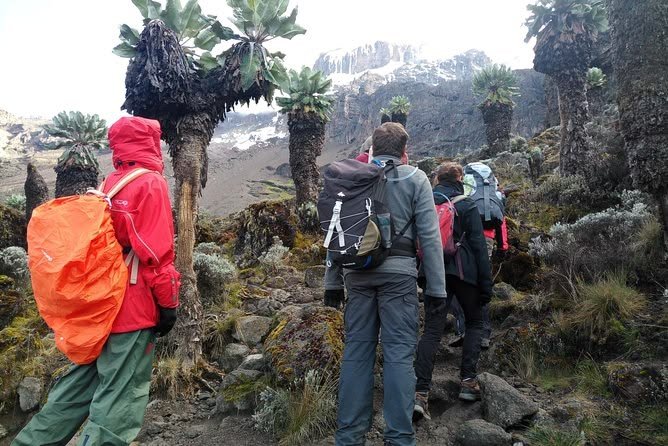
Rain protection is particularly useful on the rainforest sections of routes such as Machame, Lemosho and Marangu. Rongai's northern approach can be drier in some conditions, but rain protection should still be included.
Kilimanjaro Footwear Packing List
Your footwear deserves particular attention because you will spend many hours walking over uneven terrain.
Pack:
-
1 pair of sturdy hiking boots
-
4-6 pairs of hiking socks
-
1 pair of comfortable camp shoes or sandals
-
Optional liner socks
-
Gaiters if preferred
Your hiking boots should be broken in before arriving in Tanzania. Do not bring brand-new boots directly to the mountain.
A good pair should be comfortable, supportive and suitable for both wet lower slopes and rocky upper terrain.
Kilimanjaro Head and Hand Gear
For your head and hands, pack:
-
Sun hat or cap
-
Warm fleece or wool hat
-
Buff or neck gaiter
-
Balaclava for summit night if preferred
-
Lightweight liner gloves
-
Warm insulated gloves
-
Waterproof outer gloves or mittens
-
Sunglasses
-
Optional spare sunglasses
Sunglasses are especially useful on the upper mountain where sunlight can be strong.
For summit night, having both a thin inner glove and a warmer outer glove gives you more flexibility as temperatures change.
Kilimanjaro Sleeping Gear
Your sleeping equipment depends partly on your route.
Pack or arrange:
-
Four-season sleeping bag
-
Sleeping bag liner if desired
-
Sleeping mat where required
-
Small sleeping pillow or inflatable travel pillow
A properly rated cold-weather sleeping bag is important because nights become increasingly cold at higher elevations. Current Kilimanjaro packing guidance commonly recommends a sleeping bag suitable for very cold summit conditions rather than relying on a lightweight three-season bag.
Does Marangu Need a Sleeping Mat?
No, normally not. Marangu uses permanent mountain huts, so you generally sleep on hut beds rather than carrying a camping mattress.
You still need a sleeping bag.
Do Machame, Lemosho, Rongai, Umbwe and Northern Circuit Need a Sleeping Mat?
These routes are normally camping routes, so your operator generally provides or arranges the tent and sleeping mattress.
Always confirm what is included in your specific package before travelling.
Kilimanjaro Daypack
You carry your daypack during the trek, so keep it comfortable and practical.
A 30-35 litre daypack is suitable for many climbers.
Your daypack should contain:
-
Water
-
Snacks
-
Rain jacket
-
Warm layer
-
Sunscreen
-
Sunglasses
-
Camera
-
Phone
-
Power bank
-
Personal medication
-
Small toiletries
-
Tissues
-
Documents where necessary
-
Headlamp
-
Extra gloves or hat when approaching the summit
Keep the items you may need during the day in your daypack rather than placing everything in your porter duffel.
Kilimanjaro Duffel Bag
A soft-sided duffel is practical for the equipment carried between camps.
Pack your:
-
Sleeping bag
-
Extra clothing
-
Camp clothing
-
Toiletries
-
Spare socks
-
Warm layers
-
Personal items
Avoid using a large hard suitcase for the mountain.
The current guidance from several Kilimanjaro operators recommends keeping the porter duffel around 15 kg or below, while the total porter load has its own limits. Your operator should confirm the exact allowance applicable to your climb.
Kilimanjaro Hiking Equipment
Pack or arrange:
-
Trekking poles
-
Headlamp
-
Spare batteries
-
Water bottles
-
Hydration bladder if preferred
-
Water purification tablets or another treatment method where required
-
Small backpack rain cover
-
Duffel bag
-
Dry bags
-
Walking watch
-
Small personal first-aid kit
Do You Need Trekking Poles?
Trekking poles are optional but useful on Kilimanjaro. They can help with balance on uneven terrain and are particularly useful during long descents.
They are also useful on rocky sections and during the summit descent.
Kilimanjaro Summit Night Packing List
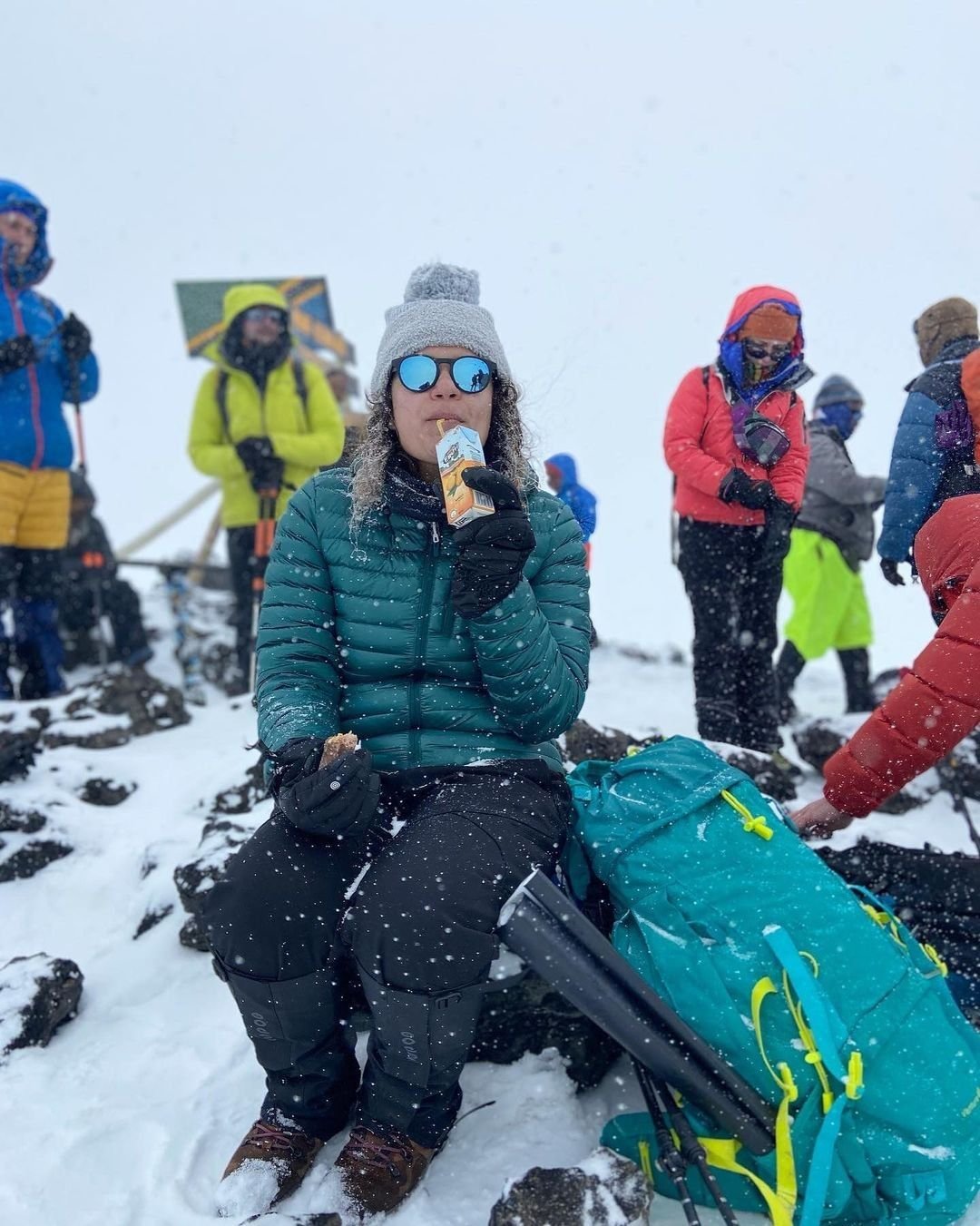
Summit night requires your warmest clothing because you leave camp during the coldest part of the climb.
Keep the following accessible:
-
Thermal base-layer top
-
Thermal base-layer bottoms
-
Hiking trousers
-
Fleece or warm mid-layer
-
Insulated jacket
-
Waterproof shell
-
Warm hat
-
Balaclava or buff
-
Warm gloves
-
Waterproof outer gloves
-
Warm hiking socks
-
Hiking boots
-
Headlamp
-
Spare batteries
-
Sunglasses
-
Water
-
Snacks
-
Trekking poles
The important principle is to layer your clothing rather than depending on one extremely thick garment.
Kilimanjaro Personal Toiletries
Pack:
-
Toothbrush
-
Toothpaste
-
Biodegradable soap
-
Small towel
-
Wet wipes
-
Hand sanitiser
-
Toilet paper or tissues
-
Lip balm
-
Moisturiser
-
Sunscreen
-
Deodorant
-
Personal hygiene products
-
Personal medication
-
Small toiletries bag
Keep toiletries compact because space and weight are limited.
Kilimanjaro Health and Personal Items
Bring any regular medication you normally use, together with a small personal first-aid kit.
Useful items include:
-
Personal prescription medication
-
Plasters
-
Blister protection
-
Basic pain-relief medication if normally suitable for you
-
Antiseptic wipes
-
Personal hygiene supplies
-
Electrolyte products if you normally use them
Travellers should discuss personal medical requirements with a qualified healthcare professional before a high-altitude trip.
Electronics and Photography Gear
You do not need a large amount of electronics.
Useful items include:
-
Smartphone
-
Camera
-
Spare camera battery
-
Memory cards
-
Power bank
-
Charging cables
-
Small protective bags
-
Headlamp batteries
A power bank is particularly useful because access to regular electricity becomes limited as you move higher on the mountain.
Documents and Money
Keep important documents protected from rain.
Pack:
-
Passport
-
Tanzania visa where applicable
-
Travel insurance information
-
Flight details
-
Accommodation information
-
Emergency contact details
-
Copies of important documents
-
Some local currency
-
Credit/debit card where appropriate
Keep your passport and important documents in a waterproof pouch.
What Changes by Kilimanjaro Route?
The majority of your packing list remains the same on every route. The main differences are accommodation, route conditions, duration and how quickly you move into higher elevations.
| Route | Typical Duration | Accommodation | Packing Consideration |
|---|---|---|---|
| Marangu | 5-6 days | Mountain huts | No camping tent or sleeping mat normally required |
| Machame | 6-7 days | Camping | Full camping-route clothing and equipment |
| Lemosho | 7-8 days | Camping | Strong rain protection and full layering system |
| Rongai | 6-7 days | Camping | Similar core kit; rain gear still necessary |
| Umbwe | Around 6 days | Camping | Full hiking and camping kit with good footwear |
| Northern Circuit | 8–9+ days | Camping | Full kit plus enough clothing for the longer trek |
Marangu Route Packing List
The Marangu Route is the main Kilimanjaro route where you sleep in permanent mountain huts.
Your core list should include:
-
Hiking boots
-
Hiking socks
-
Hiking trousers
-
T-shirts
-
Long-sleeve shirts
-
Thermal layers
-
Fleece
-
Insulated jacket
-
Waterproof jacket
-
Waterproof trousers
-
Warm hat
-
Sun hat
-
Gloves
-
Sunglasses
-
Sleeping bag
-
Headlamp
-
Trekking poles
-
Daypack
-
Duffel bag
-
Toiletries
-
Personal medication
The major advantage when packing for Marangu is that you normally do not need to carry a camping tent or sleeping mattress because the route uses mountain huts.
However, do not underestimate the upper mountain. Your summit-night clothing should be just as carefully prepared as on the camping routes.
Machame Route Packing List
The Machame Route is a camping route, so use the full Kilimanjaro packing system.
Bring:
-
Full layering system
-
Waterproof clothing
-
Hiking boots
-
Hiking socks
-
Sleeping bag
-
Daypack
-
Duffel
-
Trekking poles
-
Headlamp
-
Personal toiletries
-
Summit clothing
-
Camp clothing
The route begins in rainforest conditions, so waterproof protection is particularly useful during the lower sections.
Lemosho Route Packing List
The Lemosho Route needs the full camping packing list.
Give particular attention to:
-
Waterproof jacket
-
Waterproof trousers
-
Hiking boots
-
Warm layers
-
Sleeping bag
-
Trekking poles
-
Headlamp
-
Sun protection
-
Extra hiking socks
-
Insulated jacket
-
Summit gloves
Because Lemosho is commonly climbed over 7–8 days, having enough comfortable clothing for a longer trek is useful.
Rongai Route Packing List
The Rongai Route uses the same essential camping equipment as Machame and Lemosho.
Pack:
-
Full layering system
-
Waterproof clothing
-
Hiking boots
-
Warm summit layers
-
Sleeping bag
-
Trekking poles
-
Headlamp
-
Daypack
-
Duffel
-
Camp clothing
-
Sun protection
Rongai's northern approach can experience different rainfall patterns from the southern routes, but rain protection should still be packed. The upper mountain reaches the same summit environment, so your warm summit gear remains essential.
Umbwe Route Packing List
The Umbwe Route requires the complete camping-route packing list.
Prioritise:
-
Well-broken-in hiking boots
-
Trekking poles
-
Lightweight clothing
-
Waterproof jacket
-
Waterproof trousers
-
Good socks
-
Warm layers
-
Sleeping bag
-
Gloves
-
Headlamp
-
Comfortable daypack
-
Summit clothing
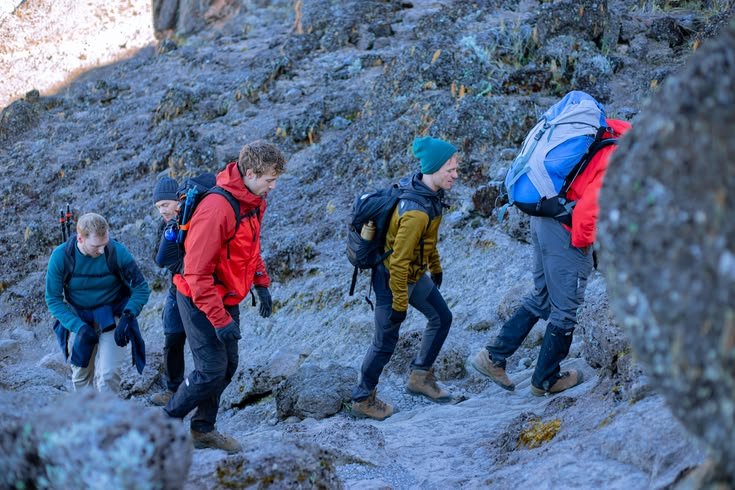
Because Umbwe has steeper hiking sections, comfortable footwear and trekking poles can be particularly useful.
Northern Circuit Route Packing List
The Northern Circuit is the longest of the main Kilimanjaro approaches, so packing should focus on comfort over a longer period.
Bring:
-
Full layering system
-
More hiking socks
-
Comfortable hiking trousers
-
Rain protection
-
Sleeping bag
-
Trekking poles
-
Headlamp
-
Camp shoes
-
Warm summit clothing
-
Daypack
-
Duffel
-
Personal toiletries
-
Personal medication
Because the route takes more days, having a sensible rotation of hiking clothes and socks is useful.
What Should You Pack for Kilimanjaro During the Rainy Season?
During wetter periods, give extra attention to keeping yourself and your equipment dry.
Pack:
-
Waterproof jacket
-
Waterproof trousers
-
Backpack rain cover
-
Dry bags
-
Waterproof phone pouch
-
Extra hiking socks
-
Quick-drying clothing
-
Waterproof protection for electronics
Do not rely on an umbrella. A proper waterproof jacket is more practical while hiking.
What Should You Pack for Kilimanjaro During the Dry Season?
During the drier months, prioritise:
-
Sun hat
-
Sunglasses
-
Sunscreen
-
Lip balm
-
Lightweight clothing
-
Warm layers
-
Windproof jacket
-
Dust protection such as a buff
-
Adequate water capacity
Dry weather does not mean the mountain is warm. Summit clothing is required regardless of the month.
What Should Women Pack for Kilimanjaro?
Women can use the same basic mountain system while adding personal items according to individual needs.
Useful items include:
-
Sports bras
-
Moisture-wicking underwear
-
Hiking trousers
-
Thermal leggings
-
Personal hygiene products
-
Hair ties
-
Small toiletries
-
Comfortable sleepwear
Choose clothing that is comfortable for several consecutive days of hiking.
What Should You Pack for Kilimanjaro as a First-Time Climber?
First-time climbers should focus on comfort, layering and practicality rather than buying expensive equipment.
The essentials are:
-
Good hiking boots
-
Proper hiking socks
-
Base layers
-
Fleece
-
Insulated jacket
-
Waterproof jacket
-
Waterproof trousers
-
Warm hat
-
Gloves
-
Sleeping bag
-
Daypack
-
Trekking poles
-
Headlamp
-
Sunglasses
-
Sunscreen
-
Personal medication
-
Water bottles
-
Toiletries
Several specialist items can be rented in Moshi, depending on your operator's rental service. Current local packing guidance commonly lists sleeping bags and selected mountain equipment among items that climbers can rent rather than purchase.
What Can You Rent in Moshi?
You may be able to rent:
-
Sleeping bag
-
Trekking poles
-
Hiking jacket
-
Fleece
-
Insulated jacket
-
Waterproof jacket
-
Waterproof trousers
-
Hiking boots
-
Daypack
-
Duffel bag
-
Gloves
-
Other selected mountain equipment
However, hiking boots are better purchased and broken in before the climb rather than relying on unfamiliar rental footwear.
Ask KiliPori Safaris what equipment is available for rental before travelling.
What Should You Not Pack for Kilimanjaro?
Avoid unnecessary items such as:
-
Large hard suitcases
-
Excessive clothing
-
Heavy cotton clothing
-
Multiple pairs of heavy shoes
-
Unnecessary electronics
-
Large bottles of toiletries
-
Excess food
-
Clothing you will not actually wear
-
Expensive equipment that is not suitable for hiking
Kilimanjaro packing is about having the right equipment rather than the largest amount of equipment.
How Many Clothes Do You Need for Kilimanjaro?
For a typical 6–8 day climb, you do not need a completely new outfit for every day.
A practical system is:
-
2–3 hiking shirts
-
2 hiking trousers
-
2 thermal tops
-
1 thermal bottom
-
1 fleece
-
1 insulated jacket
-
1 waterproof jacket
-
1 waterproof trouser
-
4-6 pairs of hiking socks
-
3-4 pairs of underwear
-
1 set of comfortable camp clothes
This keeps your luggage manageable while giving you enough options for changing weather.
How Should You Pack Your Kilimanjaro Bags?
Divide your equipment between your daypack and your porter duffel.
Put in Your Daypack
Carry the things you may need during the day:
-
Water
-
Snacks
-
Rain jacket
-
Warm layer
-
Sunglasses
-
Sunscreen
-
Camera
-
Phone
-
Personal medication
-
Headlamp
-
Gloves
-
Hat
Put in Your Duffel
Keep camp and spare equipment in the duffel:
-
Sleeping bag
-
Spare clothing
-
Camp shoes
-
Extra socks
-
Toiletries
-
Spare warm layers
-
Personal items
Before each hiking day, check the weather and make sure the clothing you may need is in your daypack.
Which Kilimanjaro Route Requires the Most Packing?
There is no major difference in the basic equipment required for the main routes. Marangu is the main exception because its hut accommodation means you normally do not need camping equipment such as a sleeping mat.
The longer camping routes, particularly Lemosho and Northern Circuit, require you to manage clothing and personal items for more hiking days. The essential summit equipment remains similar because all routes ultimately reach the same high-altitude summit environment.
KiliPori Safaris Packing Recommendation
At KiliPori Safaris, we recommend preparing your Kilimanjaro equipment around three priorities: comfortable footwear, an effective layering system and proper cold-weather summit clothing.
Do not overpack. Choose lightweight, practical clothing that can be layered, keep rain protection accessible and make sure your hiking boots are tested before arrival.
The basic packing list works across Marangu, Machame, Lemosho, Rongai, Umbwe and Northern Circuit. What changes is mainly the accommodation system, number of trekking days and the weather conditions encountered on different sections of each route.
Before your climb, our team can also help you confirm what equipment is included, what can be rented in Moshi and what you should bring from home.
Plan Your Kilimanjaro Climb With KiliPori Safaris
Ready to prepare for your Kilimanjaro adventure?
Whether you choose Marangu, Machame, Lemosho, Rongai, Umbwe or Northern Circuit, KiliPori Safaris can help you organise your route, accommodation, professional mountain crew and practical climbing preparation.
WhatsApp KiliPori Safaris: +255 755 287 311
Plan Your Kilimanjaro Climb | Check Your Packing List | Request Your Custom Climb
FAQs About the Kilimanjaro Packing List
What is the most important thing to pack for Kilimanjaro?
Your broken-in hiking boots, proper layering system and warm summit clothing are among the most important items. A suitable sleeping bag is also essential for overnight comfort.
Do I need a sleeping bag for Kilimanjaro?
Yes. Even on the Marangu Route, where you sleep in huts, you normally need a sleeping bag. Camping routes also require a suitable sleeping bag.
Do I need a tent for Kilimanjaro?
Usually no. Your safari or trekking operator normally provides the mountain tent on camping routes. You should confirm the equipment included in your package.
Do I need a sleeping mat on Marangu?
Normally no because Marangu uses mountain huts with beds. Your sleeping bag is still required.
What size backpack should I take on Kilimanjaro?
A 30–35 litre daypack is suitable for many climbers because it provides enough room for water, clothing layers, rain protection, snacks and personal items.
What size duffel bag should I use?
A soft-sided duffel is practical. The important consideration is staying within your operator's porter-weight allowance rather than choosing the biggest possible bag.
Can I rent Kilimanjaro equipment in Moshi?
Yes. Depending on availability, you can rent items such as sleeping bags, trekking poles, jackets and selected mountain equipment in Moshi.
Do I need different packing lists for every Kilimanjaro route?
You need the same core packing system for all routes, but some equipment changes. Marangu uses huts, while Machame, Lemosho, Rongai, Umbwe and Northern Circuit normally use camping.
Do I need waterproof clothing on Rongai?
Yes. Rongai can have different rainfall patterns from the southern routes, but waterproof protection remains useful and should be included in your packing list.
What should I wear on Kilimanjaro summit night?
Wear your thermal base layers, hiking trousers, fleece or mid-layer, insulated jacket, waterproof outer layer, warm hat, gloves and appropriate socks. Keep your headlamp, water and snacks accessible.
Can I use normal sneakers on Kilimanjaro?
Hiking boots are generally more suitable because the route includes uneven, rocky and sometimes wet terrain. Your boots should be comfortable and broken in before the climb.
Should I pack cotton clothes?
Cotton can be less practical for the mountain because it holds moisture and dries slowly. Moisture-wicking synthetic or merino clothing is generally more suitable for active hiking.
How much luggage can I take on Kilimanjaro?
Your operator will provide the applicable porter-bag allowance. Many current Kilimanjaro operators work around a 15 kg client duffel limit, so pack efficiently and confirm the exact requirement before departure.

KiliPori Safaris Travel Team
A local Tanzania team helping travellers plan wildlife safaris, Kilimanjaro climbs and Zanzibar holidays with clear routing and direct destination support.
Published October 2, 2026 · Last updated October 31, 2026. Travel conditions, fees and schedules can change; confirm time-sensitive details before departure.