Explore this guide
Our guides combine current planning research with practical knowledge from arranging safaris, Kilimanjaro climbs and Zanzibar holidays.
Food and Drinking Water During a Kilimanjaro Climb
Food and water are an important part of every Kilimanjaro adventure.
A good trekking itinerary is not only about walking from one camp to another. Your body needs regular energy, fluids and nutritious meals as you move through Kilimanjaro's different climate zones and spend several days at altitude.
For many first-time climbers, questions about mountain food and drinking water are completely normal:
-
What will I eat on Kilimanjaro?
-
Is the food enough for a long trekking day?
-
Where does drinking water come from?
-
Is the mountain water safe to drink?
-
How much water should I carry?
-
What happens during summit night?
-
Should I bring my own snacks?
At Kilipori Safaris, we help travelers prepare for these practical details before they begin their climb so that they can enjoy the mountain with confidence.
TANAPA's current Kilimanjaro visitor guidance specifically recommends staying hydrated and reporting symptoms promptly to your guide while climbing.
What Food Is Provided During a Kilimanjaro Climb?
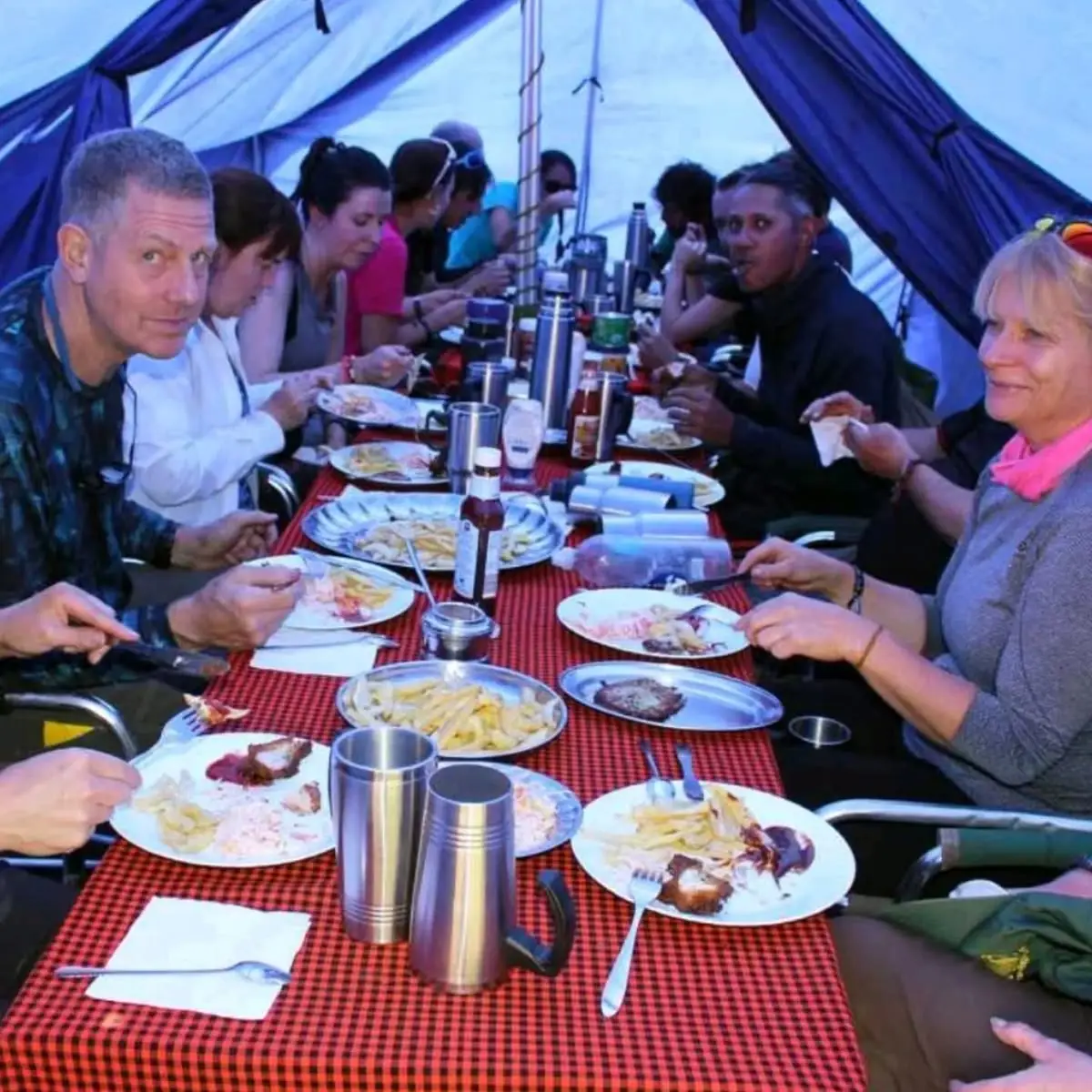
Food on Kilimanjaro is normally prepared by the mountain cook and served at designated camps or during trekking days.
The exact menu varies by operator and itinerary, but meals generally focus on providing carbohydrates, protein, vegetables and enough energy for several hours of trekking.
Typical meals may include:
-
Bread and eggs
-
Porridge
-
Tea and coffee
-
Fresh fruit
-
Rice
-
Pasta
-
Potatoes
-
Vegetables
-
Soup
-
Chicken
-
Beef
-
Beans
-
Fish, depending on the menu
-
Sandwiches
-
Stews
-
Pancakes
-
Chapati
-
Fresh or cooked vegetables
The goal is not luxury restaurant dining on the mountain. The goal is nutritious, filling and enjoyable food that supports your trekking days.
What Does Breakfast Look Like on Kilimanjaro?
Breakfast is usually served before the day's trek begins.
A typical breakfast may include:
-
Porridge
-
Eggs
-
Bread or toast
-
Pancakes
-
Fruit
-
Tea
-
Coffee
-
Hot chocolate
Some climbers prefer a lighter breakfast, while others enjoy a larger meal before setting out.
Your guide and cook can help you understand the meal schedule and what is available each day.
What Do You Eat for Lunch on Kilimanjaro?
Lunch can be either a packed meal carried during the day's trek or a prepared meal at camp, depending on the day's itinerary.
A packed lunch may include:
-
Sandwiches
-
Boiled eggs
-
Fruit
-
Biscuits
-
Cake
-
Juice
-
Chocolate
-
Chicken or meat portions
-
Vegetables
On shorter trekking days, you may return to camp for a more complete hot lunch.
Your exact meal arrangement depends on your route, daily schedule and campsite location.
What Is Dinner Like on Kilimanjaro?
Dinner is usually the main evening meal.
After several hours of trekking, a warm meal can be an important part of relaxing at camp.
Dinner may include:
-
Soup
-
Rice
-
Pasta
-
Potatoes
-
Chicken
-
Beef
-
Beans
-
Vegetables
-
Stews
-
Fresh fruit
-
Tea
A typical evening meal is designed to provide carbohydrates and protein while helping you replenish energy for the following day.
Is the Food on Kilimanjaro Enough?
For most climbers, a well-planned mountain menu provides regular meals throughout the trek.
However, appetite can vary at altitude.
Some people feel very hungry after trekking, while others experience reduced appetite as they climb higher.
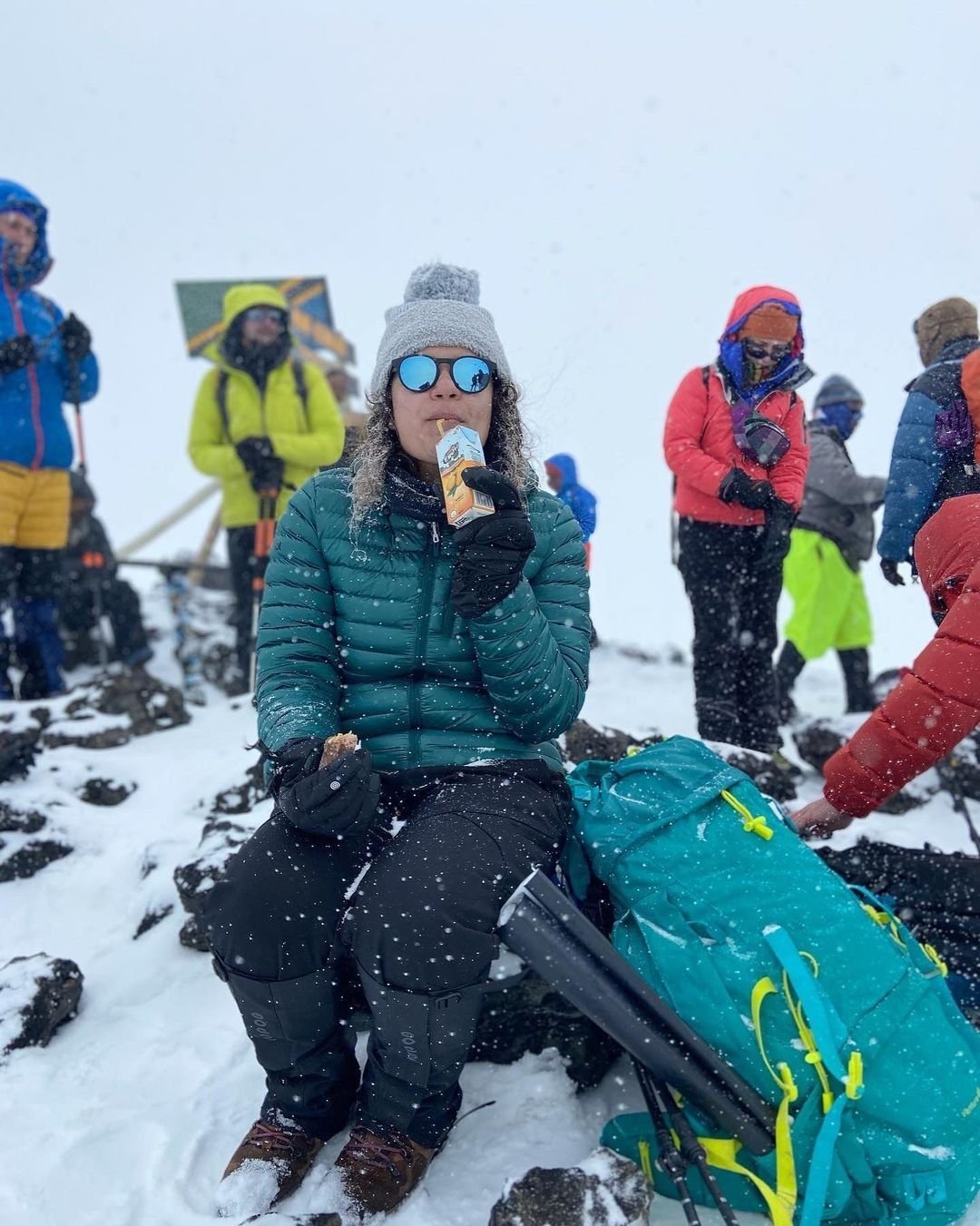
This is one reason we recommend bringing a selection of familiar personal snacks. They can make it easier to take in small amounts of energy throughout the day when you don't feel like eating a large meal.
Why Eating Regularly Matters on Kilimanjaro
A Kilimanjaro climb involves several consecutive days of physical activity.
You do not need to force yourself to eat huge meals. Instead, focus on regular nutrition throughout the day.
A useful approach is:
Breakfast → trekking → snacks → lunch → trekking → dinner
Small snacks between meals can be particularly useful during longer trekking days.
What Snacks Should You Bring?
You are welcome to bring personal snacks that you already enjoy.
Popular choices include:
-
Energy bars
-
Chocolate
-
Nuts
-
Trail mix
-
Dried fruit
-
Biscuits
-
Granola bars
-
Sweets
-
Crackers
-
Peanut butter
-
Electrolyte or energy drink powders
Choose foods that you know you enjoy rather than experimenting with completely unfamiliar products during your climb.
If you have dietary restrictions, allergies or specific nutritional needs, tell your tour operator before the trek.
Can Kilimanjaro Meals Accommodate Dietary Requirements?
In many cases, mountain meals can be adapted for different dietary requirements when the operator receives advance notice.
Examples include:
-
Vegetarian
-
Vegan
-
Gluten-free
-
Dairy-free
-
Food allergies
-
Religious dietary requirements
The important point is to communicate your requirements before the climb begins.
Do not wait until you reach the mountain.
At Kilipori Safaris, we recommend telling our team about your dietary requirements during the booking and pre-climb preparation process so the kitchen team can plan accordingly.
What About Drinking Water on Kilimanjaro?
Water is one of the most important things to plan for during your climb.
Kilimanjaro has natural water sources, but climbers should not simply collect water from a stream or spring and assume it is ready to drink.
Water collected for trekking should be treated appropriately according to the operator's procedures before it is provided to climbers.
TANAPA's water-management guidance emphasizes protecting water resources and preventing pollution within national parks.
Where Does the Drinking Water Come From?
Your mountain operator will arrange water for the expedition.
Depending on the route and camp arrangements, water may be collected from approved sources and then treated before being provided to the trekking group.
The important thing for climbers is that untreated natural water should not be assumed to be safe simply because it looks clean.
Your guide or operator should explain the water arrangements during your pre-climb briefing.
How Is Kilimanjaro Water Treated?
Operators may use appropriate water-treatment methods before the water is provided to climbers.
These can include:
-
Filtration
-
Water purification systems
-
Chemical treatment
-
Boiling
-
A combination of treatment methods
The exact procedure varies between operators.
If you have a sensitive stomach or prefer additional personal protection, you can also bring your own purification tablets or personal filtration system as a backup.
Can You Drink Water Directly From Kilimanjaro Streams?
It is best not to drink untreated water directly from mountain streams, rivers or springs.
Even water that appears clear can contain microorganisms that may cause stomach problems.
A stomach illness is something you want to avoid during a multi-day mountain trek.
Instead, use water supplied and treated by your trekking operator or treat natural water appropriately before drinking it.
How Much Water Should You Drink on Kilimanjaro?
There is no single amount that is perfect for every climber.
Your needs depend on:
-
Temperature
-
Trekking pace
-
Exercise level
-
Altitude
-
Individual physiology
-
Weather
-
How much you sweat
-
The length of the day's trek
The practical approach is to drink regularly throughout the day rather than waiting until you feel extremely thirsty.
TANAPA's current visitor guidance specifically advises climbers to stay hydrated while ascending Kilimanjaro.
Your guide can also help you establish a comfortable drinking routine during the trek.
How Much Water Should You Carry During the Day?
Your operator will normally advise you about the amount of water to carry each day.
A hydration system or reusable water bottles can make drinking regularly much easier.
Many climbers find it convenient to carry:
-
A hydration bladder
-
One or more reusable bottles
-
An insulated bottle for warm drinks, if desired
You do not necessarily need to carry all the water you will consume for the entire expedition on your back. Your crew and operator manage water logistics between camps.
Should You Bring a Water Bottle or Hydration Bladder?
Yes.
A reusable water bottle or hydration bladder is an important part of your Kilimanjaro packing list.
A hydration bladder allows you to drink small amounts while walking without stopping frequently.
Some climbers also prefer bottles because they are easier to monitor and refill.
A combination of both can work well.
Can You Drink Tea and Coffee on Kilimanjaro?
Yes.
Hot drinks are commonly included with mountain meals.
Depending on the operator and meal plan, you may have:
-
Tea
-
Coffee
-
Hot chocolate
-
Ginger tea
-
Other warm drinks
Warm drinks can be particularly enjoyable during cool mornings and evenings.
What About Electrolytes?
Some climbers choose to bring electrolyte or oral rehydration products.
These can be convenient during long trekking days, especially if you are sweating significantly.
They should be viewed as an optional addition rather than a replacement for ordinary drinking water and balanced meals.
If you have a medical condition or take medication that affects fluid or electrolyte balance, discuss appropriate hydration with your healthcare professional before travelling.
What Should You Eat During Summit Night?
Summit night is different from a normal trekking day.
You normally leave camp very early, often around midnight or in the early hours of the morning, depending on the route, camp location, weather and planned summit schedule.
Because the summit push is physically demanding, your crew will normally arrange food and drinks before departure and may provide snacks for the climb.
Useful summit-night foods can include:
-
Biscuits
-
Chocolate
-
Energy bars
-
Dried fruit
-
Sweets
-
Sandwiches
-
Warm drinks
The best summit snacks are generally foods that you already know you can eat comfortably.
What Should You Drink During Summit Night?
Your guide will advise you about carrying enough water for the summit attempt.
Warm drinks may also be available before departure or at camp depending on the itinerary.
Because temperatures are much colder near the summit, insulated bottles can be particularly useful for keeping drinks warm.
Continue drinking regularly, but follow your guide's advice and listen to your body.
Can You Get Hot Water on Kilimanjaro?
Hot water is commonly available at camps for drinking and other practical uses, depending on the operator's camp arrangements.
Your cook or camp crew can provide hot drinks and may also provide hot water for washing.
Exact arrangements differ between routes and operators.
Is Bottled Water Used on Kilimanjaro?
Water arrangements vary by operator and route.
Responsible trekking operations generally aim to reduce unnecessary single-use plastic waste, particularly in a protected mountain environment.
Using refillable bottles allows climbers to stay hydrated while reducing the amount of disposable packaging carried into the park.
TANAPA's current water-management framework emphasizes preventing water pollution and protecting water resources within national parks.
Can You Bring Your Own Water Treatment?
Yes.
Some climbers prefer to carry a personal backup treatment method.
Useful options can include:
-
Water purification tablets
-
Portable water filters
-
Purification drops
-
UV purification devices
Your primary water supply should still be arranged with your trekking operator.
A personal treatment method simply gives you an additional option if needed.
What If I Don't Like Mountain Food?
This is another reason to bring familiar snacks.
Kilimanjaro meals are designed around practical mountain nutrition, but everyone's preferences are different.
If there are foods you particularly enjoy, bringing a few lightweight favorites can make the experience even more comfortable.
Tell your cook what you enjoy and what you do not eat.
Good communication can make a big difference.
Can You Bring Food From Home?
Yes, travelers can bring suitable personal snacks for their trek.
Lightweight, non-perishable foods are usually the most practical.
Consider foods such as:
-
Energy bars
-
Nuts
-
Dried fruit
-
Chocolate
-
Crackers
-
Sweets
However, travelers should always follow Tanzania's applicable customs, food-import and national-park rules for anything they bring into the country or park.
How Does Altitude Affect Appetite?
Altitude can change how you feel about food.
Some climbers continue eating normally, while others find that their appetite decreases as they gain elevation.
This is one reason your guide and cook will encourage regular meals and hydration.
If you notice that you are struggling to eat or drink, tell your guide rather than simply ignoring it.
TANAPA advises climbers to report symptoms promptly to their guide.
What If I Have a Food Allergy?
Tell your operator before the climb.
Be specific about:
-
The food you cannot eat
-
How severe the allergy is
-
Whether cross-contact is a concern
-
Any medication you normally carry
It is also wise to carry any prescribed emergency medication according to your doctor's instructions.
Your trekking team should know about important allergies before you begin.
What If I Am Vegetarian or Vegan?
Vegetarian and vegan climbers should communicate this in advance.
Meals can often be planned around foods such as:
-
Rice
-
Pasta
-
Potatoes
-
Beans
-
Lentils
-
Vegetables
-
Fruit
-
Bread
-
Porridge
The earlier your operator knows your dietary preference, the easier it is for the cook to plan suitable meals.
How Can You Reduce Stomach Problems During Your Climb?
A few simple habits can help keep your trekking routine comfortable:
Drink Treated Water
Avoid drinking untreated natural water.
Eat Regularly
Do not wait until you are extremely hungry before eating.
Bring Familiar Snacks
Choose foods your body already knows.
Wash Your Hands
Especially before meals.
Tell Your Guide if You Feel Unwell
Do not quietly continue if you develop significant symptoms.
Follow Your Cook's Meal Plan
Your mountain crew understands the practical needs of multi-day trekking.
Food and Water on Different Kilimanjaro Routes
Food and water arrangements are broadly similar across the main routes because licensed trekking operators organize the mountain logistics.
However, the camp system differs between routes.
TANAPA states that Marangu uses mountain huts, while other major routes use designated tented camps operated by licensed operators.
Marangu Route
Marangu uses mountain huts at designated camps, making its accommodation system different from the camping routes.
Meals are prepared by the trekking crew according to the operator's arrangements.
Machame Route
Machame uses tented camps, with the crew transporting and preparing food throughout the trek.
Lemosho Route
Lemosho also uses tented camps, with meals prepared by the mountain crew.
Rongai Route
Rongai approaches Kilimanjaro from the northern side and uses camping arrangements along the route.
Northern Circuit
The Northern Circuit is a longer itinerary, so maintaining regular meals and hydration becomes particularly important throughout the extended trek.
Sample Kilimanjaro Daily Meal Plan
A typical day could look something like this:
| Time | Food & Drink |
|---|---|
| Early morning | Tea, coffee or hot drink |
| Breakfast | Porridge, eggs, bread, fruit |
| Morning trek | Water + personal snack |
| Lunch | Packed lunch or hot meal |
| Afternoon trek | Water + snack |
| Evening | Soup or starter |
| Dinner | Rice/pasta/potatoes + protein + vegetables |
| Before bed | Tea or other warm drink |
This is an example only. Your actual menu and meal schedule depend on your route, operator and daily itinerary.
What Should You Pack for Food and Hydration?
A practical personal food-and-water checklist can include:
-
Reusable water bottles
-
Hydration bladder
-
Personal favorite snacks
-
Energy bars
-
Dried fruit
-
Chocolate
-
Nuts or trail mix
-
Electrolyte products, if desired
-
Personal water-treatment method
-
Insulated bottle for warm drinks
-
Any prescribed medication related to your dietary or medical needs
Your operator will handle the main food supply and mountain logistics.
Does Good Nutrition Make Kilimanjaro Easier?
Good nutrition cannot remove the physical challenge of climbing a high mountain, but it helps you stay prepared for each day's trekking.
Regular food, adequate fluids, appropriate rest and a sensible pace all contribute to a comfortable trekking routine.
The aim is not to eat excessively.
The aim is to eat consistently, drink regularly and listen to your guide and your body.
Kilipori Safaris: Food and Hydration Prepared for Your Climb
At Kilipori Safaris, we understand that mountain preparation goes beyond choosing a route.
Food, water and daily camp arrangements are important parts of the experience.
Our goal is to help you understand what to expect before you start walking, including meal arrangements, hydration, personal snacks and dietary requirements.
If you have a specific diet, allergy or food preference, tell us during your trip planning so the appropriate arrangements can be discussed before departure.
Plan Your Kilimanjaro Climb With Kilipori Safaris
Planning your Mount Kilimanjaro adventure?
Kilipori Safaris can help you plan your route, trekking days, mountain meals, water arrangements, equipment and other practical details before you arrive in Tanzania.
WhatsApp: +255 755 287 311
With good preparation, the mountain experience can be comfortable, organized and enjoyable from the first day on the trail to your final descent.
Frequently Asked Questions
Is food provided during a Kilimanjaro climb?
Yes. On an organized Kilimanjaro trek, the trekking crew normally prepares and provides meals throughout the expedition.
What food do you eat on Kilimanjaro?
Meals commonly include foods such as rice, pasta, potatoes, vegetables, beans, meat, eggs, bread, porridge, fruit and soup, depending on the operator's menu.
Is drinking water provided on Kilimanjaro?
Yes. Your trekking operator normally arranges water for the expedition and provides treated drinking water according to its procedures.
Can I drink water directly from Kilimanjaro streams?
It is not recommended to drink untreated natural water directly from mountain streams or springs. Water should be appropriately treated before drinking.
How much water should I drink while climbing Kilimanjaro?
Your hydration needs vary according to your body, pace, weather and trekking conditions. Drink regularly throughout the day and follow your guide's hydration advice.
Do I need to bring my own snacks?
It is recommended to bring some personal snacks that you enjoy, especially familiar lightweight foods for longer trekking days and summit night.
Can Kilimanjaro climbers get vegetarian food?
Yes, vegetarian meals can generally be arranged when requested in advance. Tell your operator about your dietary requirements before the trek.
Can I climb Kilimanjaro if I have food allergies?
Many dietary requirements can be accommodated with advance planning. Tell your operator exactly what you are allergic to before the climb.
Is hot water available on Kilimanjaro?
Hot drinks and hot water are commonly available through the mountain camp arrangements, although exact services vary by operator and route.
Should I bring a water filter to Kilimanjaro?
A personal water filter or purification tablets can be useful as a backup, but your trekking operator should arrange your main drinking-water supply.
Can I bring chocolate and energy bars?
Yes. Lightweight personal snacks such as chocolate, energy bars, dried fruit and nuts can be useful during trekking.
What should I eat on summit night?
Choose familiar, easy-to-eat foods such as energy bars, chocolate, biscuits, dried fruit or other snacks you know you tolerate well. Your crew will also arrange food and drinks around the summit schedule.
Can I bring food from home?
You can bring suitable personal snacks, but make sure anything you bring complies with applicable Tanzanian customs and national-park rules.
What happens if I lose my appetite at altitude?
Tell your guide. Appetite can vary at altitude, but maintaining regular nutrition and hydration is important. Your guide can help you manage your trekking routine.
Does Kilipori Safaris provide special diets?
Dietary requirements should be communicated during trip planning so that the appropriate food arrangements can be discussed and prepared in advance.

KiliPori Safaris Travel Team
A local Tanzania team helping travellers plan wildlife safaris, Kilimanjaro climbs and Zanzibar holidays with clear routing and direct destination support.
Published October 3, 2026. Travel conditions, fees and schedules can change; confirm time-sensitive details before departure.