Explore this guide
Our guides combine current planning research with practical knowledge from arranging safaris, Kilimanjaro climbs and Zanzibar holidays.
What Is a Full Moon Kilimanjaro Climb?
A Full Moon Kilimanjaro Climb is a trek planned so that your summit night takes place close to a full moon.
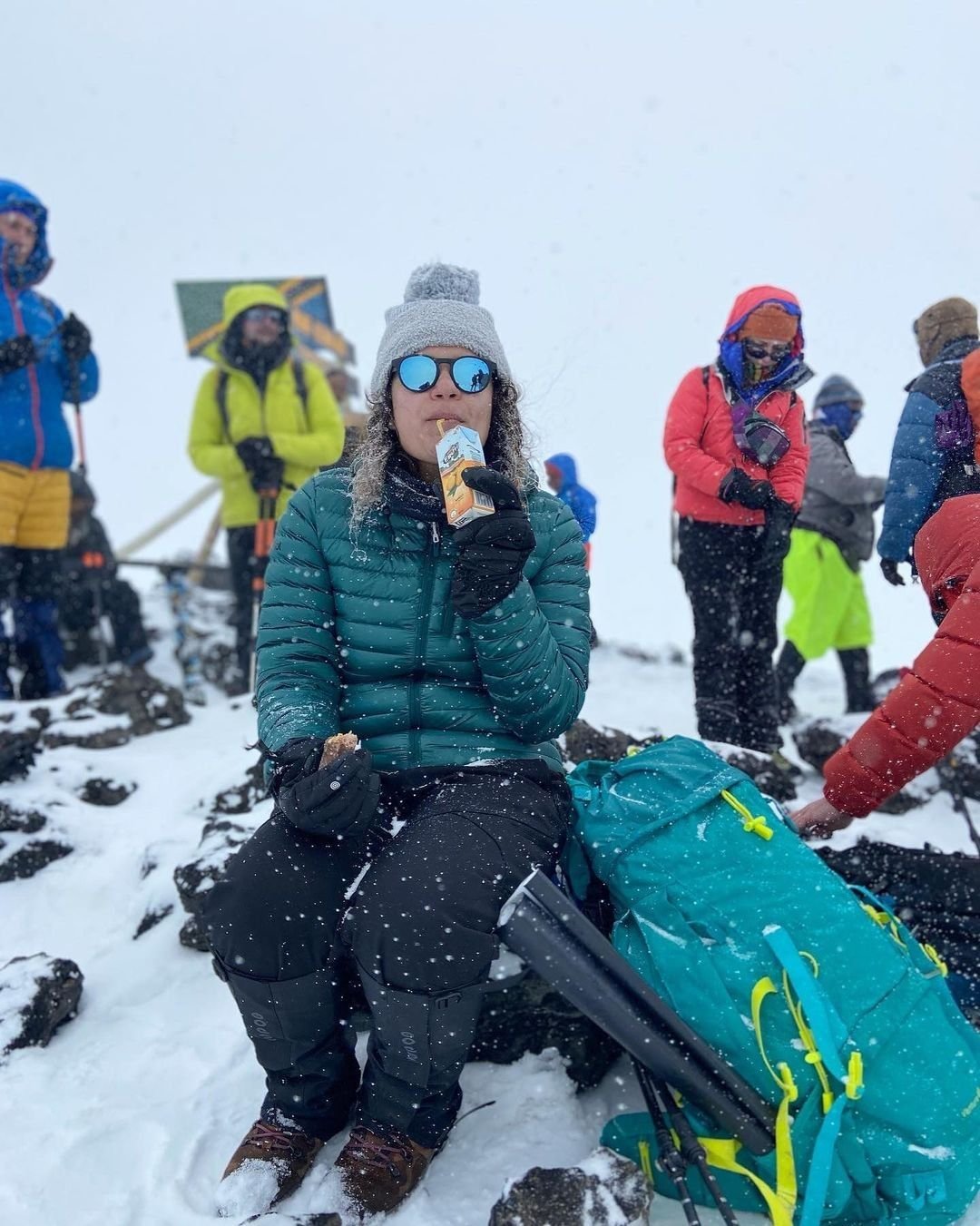
At Kilipori Safaris, we often help travellers coordinate their Kilimanjaro itinerary around the lunar calendar because the final ascent normally begins during the night. When the moon is bright, the upper mountain can have a beautiful natural glow, creating a very special atmosphere as you climb toward Uhuru Peak.
A full moon climb is not a different route or a different type of Kilimanjaro expedition. You still follow the same mountain route, use the same camps or huts and prepare for the same summit.
The difference is the experience of the summit night.
Instead of relying mainly on your headlamp to illuminate the trail, you may also have strong natural moonlight across the mountain.
When Is the Full Moon on Kilimanjaro in 2027?
If you are planning your Kilimanjaro adventure for 2027, these are the full moon dates in Tanzania:
| Month | 2027 Full Moon Date |
|---|---|
| January | January 22, 2027 |
| February | February 21, 2027 |
| March | March 22, 2027 |
| April | April 21, 2027 |
| May | May 20, 2027 |
| June | June 19, 2027 |
| July | July 18, 2027 |
| August | August 17, 2027 |
| September | September 16, 2027 |
| October | October 15, 2027 |
| November | November 14, 2027 |
| December | December 13, 2027 |
The lunar phase occurs at a specific instant, while the local calendar date depends on the time zone. For example, the September 2027 full moon occurs late on September 15 in UTC but during the early hours of September 16 in Tanzania.
These dates are useful for planning, but your summit night is the important date—not simply the day you arrive in Tanzania.
How Does a Full Moon Kilimanjaro Climb Work?
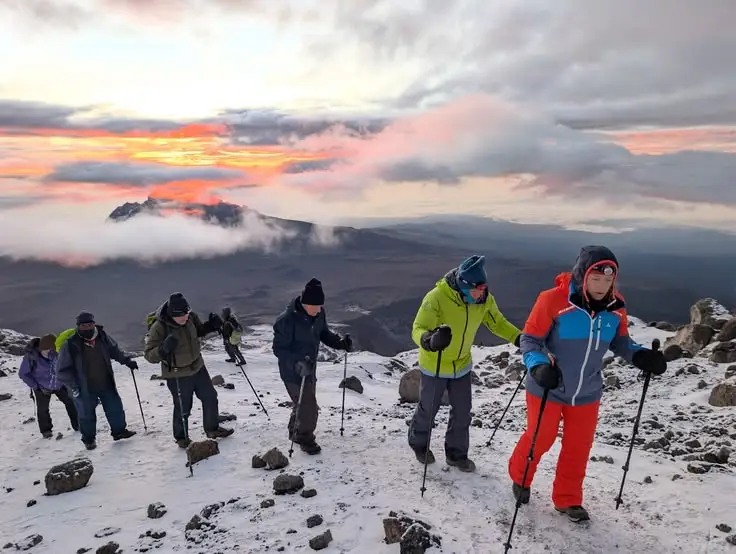
Most Kilimanjaro summit attempts begin during the night so that climbers can reach the summit around sunrise.
Because of this, we plan the itinerary backward from your desired summit night.
For example, if you want to summit around the August 17, 2027 full moon, we do not simply book your arrival for August 17.
Instead, we select your route and calculate the appropriate starting date so that your summit attempt falls around the full moon.
This is particularly important because different routes require different numbers of days.
At Kilipori Safaris, we coordinate the itinerary around your chosen route, number of days and preferred summit date.
What Are the Benefits of Climbing Kilimanjaro During a Full Moon?
A full moon can add something very special to the summit experience.
Natural Moonlight
The bright moon can illuminate parts of the summit trail and surrounding mountain landscape.
Beautiful Summit Scenery
The slopes of Kibo, crater rim and surrounding landscape can look completely different under moonlight.
Less Dependence on Headlamp Light
You will still need a headlamp, but natural moonlight can provide additional visibility.
Memorable Photography
The combination of moonlight, mountain terrain and the night sky can create unique photographic opportunities.
A Special Summit Atmosphere
There is something memorable about walking toward Africa's highest point while the mountain is illuminated by the moon.
A full moon does not change the mountain itself—it changes the way you experience the mountain at night.
Does a Full Moon Make Kilimanjaro Easier?
Not physically.
This is an important distinction.
A full moon can make the night landscape brighter, but the altitude, distance, terrain and cold conditions remain the same.
You still need to prepare properly and follow the guidance of your Kilipori Safaris mountain crew.
The benefit is mainly visibility, atmosphere and scenery, rather than a reduction in the physical demands of the climb.
Do You Still Need a Headlamp During a Full Moon Climb?
Yes.
Even with a bright full moon, we recommend every climber carries a reliable headlamp with spare batteries.
Moonlight changes throughout the night, clouds can temporarily cover the moon and some sections of the trail may remain darker than others.
Your headlamp remains an important part of your standard Kilimanjaro equipment.
Is the Full Moon Visible From Uhuru Peak?
Yes, depending on the moon's position, weather and cloud conditions.
The summit area provides a wide, open landscape, so a bright moon can create impressive views across the upper mountain.
However, clear skies can never be guaranteed.
This is why we describe the full moon as an experience-enhancing feature, rather than promising a particular view on summit night.
Does the Full Moon Affect the Kilimanjaro Summit?
The full moon does not change the physical route or the altitude.
What changes is the amount of natural light available during the night ascent.
Your summit attempt still depends on factors such as:
-
Acclimatization
-
Weather
-
Physical condition
-
Trekking pace
-
Route
-
Mountain conditions
-
Guide assessment
The full moon is an exciting addition to the experience, but the climb should still be approached exactly like any other Kilimanjaro expedition.
Are Full Moon Kilimanjaro Climbs More Crowded?
They can be.
Full moon summit nights are popular because many travellers specifically want the moonlit experience.
That means certain camps, routes and summit sections can feel busier around popular full-moon periods than during an ordinary date.
This is particularly noticeable when a full moon coincides with an already popular climbing period.
However, crowd levels depend on:
-
Route
-
Month
-
Departure date
-
Group sizes
-
Season
-
Operator schedules
A full moon does not mean that the entire mountain will suddenly be crowded.
At Kilipori Safaris, we can discuss route and timing options if you want the full-moon experience while also preferring a more relaxed mountain atmosphere.
Can You Avoid the Biggest Full Moon Crowds?
Yes.
You do not necessarily have to summit on the exact night of the full moon to enjoy excellent moonlight.
The nights immediately before and after a full moon can also provide strong illumination, depending on moonrise, moonset and cloud conditions.
This gives travellers more flexibility when planning their climb.
Some climbers prefer to target the exact full moon, while others prefer a nearby night to balance moonlight with their preferred route and departure date.
Is the Night Before the Full Moon Good for a Kilimanjaro Summit?
Yes.
The moon is already very bright before the exact full-moon date.
This can be an excellent option for travellers who want a strongly moonlit summit without necessarily targeting the exact calendar date.
It also gives your tour operator more flexibility when matching your summit night to the route itinerary.
Is the Night After the Full Moon Good for a Kilimanjaro Summit?
Yes.
The moon remains bright around the full-moon period, so the night after the full moon can also offer excellent natural illumination.
The exact experience depends on when the moon rises and sets during your summit attempt.
This is why we recommend planning the entire summit night, rather than focusing only on the date printed on a lunar calendar.
Which Kilimanjaro Routes Are Good for a Full Moon Climb?
A full moon climb can be organized on several Kilimanjaro routes.
| Route | Typical Duration | Full Moon Experience |
|---|---|---|
| Marangu | 5-6 days | Hut accommodation and a classic summit approach |
| Machame | 6-7 days | Popular camping route with a dramatic summit night |
| Lemosho | 7-8 days | Longer approach with excellent scenery and acclimatization |
| Rongai | 6-7 days | Northern approach with a different mountain perspective |
| Northern Circuit | 8-9 days | Longer itinerary with plenty of time for acclimatization |
The moon does not make one route universally better than another.
At Kilipori Safaris, we choose the route according to your preferred experience, available time and desired summit date.
Is Machame Route Good for a Full Moon Climb?
Yes. Machame is one of the most popular choices for travellers who want a full-moon summit experience.
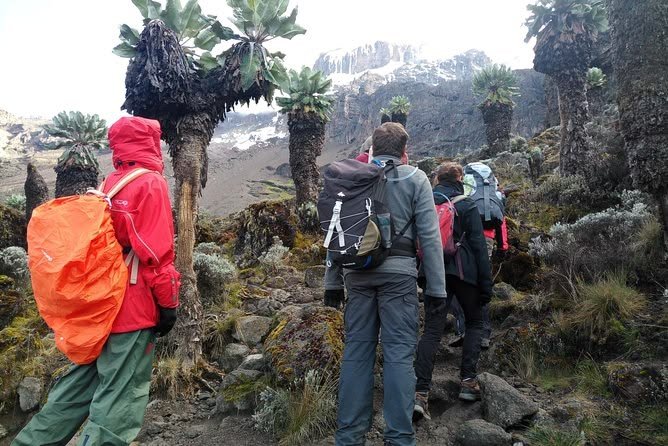
The route offers a beautiful progression through rainforest, moorland and high-altitude landscapes before the summit night.
A 7-day Machame itinerary is particularly popular because it provides a good balance between mountain experience and acclimatization time.
If your priority is a classic Kilimanjaro adventure with camping and a memorable summit night, Machame is an excellent route to consider.
Is Lemosho Route Good for a Full Moon Climb?
Yes. Lemosho is an excellent option for a full-moon climb.
Its longer approach allows travellers to spend more time on the mountain and gradually adapt to increasing altitude.
A 7-8 day Lemosho itinerary also provides beautiful scenery before the summit night.
For travellers who want to combine a longer mountain experience with a moonlit summit, Lemosho is a very attractive option.
Is Marangu Route Good for a Full Moon Climb?
Yes. Marangu can be planned around a full moon.
One of the main advantages of Marangu is its hut accommodation.
This makes it different from the camping routes and can be particularly attractive to travellers who prefer sleeping in mountain huts.
A 6-day Marangu itinerary provides more time than the shortest version and can be coordinated around a desired summit night.
Is Rongai Route Good for a Full Moon Climb?
Yes. Rongai can be timed for a full-moon summit.
The route approaches Kilimanjaro from the northern side and provides a different perspective of the mountain.
Rongai can be a good option for travellers who want the northern approach and a different mountain atmosphere.
A 6-7 day itinerary can be planned around your desired summit date.
Is the Northern Circuit Good for a Full Moon Climb?
Yes. The Northern Circuit can provide an excellent full-moon Kilimanjaro experience.
Its longer itinerary gives you plenty of time to enjoy the mountain before reaching the summit section.
An 8-9 day climb also allows a gradual pace and additional acclimatization time.
If you have enough time and want to combine a long mountain journey with a moonlit summit, the Northern Circuit is worth considering.
What Are the Best Full Moon Kilimanjaro Dates in 2027?
The full-moon calendar provides twelve full moons in 2027.
For travellers planning a Kilimanjaro climb, the dates within the generally drier climbing periods may be particularly attractive because moonlight and mountain weather are separate factors—you want both the lunar timing and suitable mountain conditions.
| Full Moon | 2027 Date | Kilipori Planning Note |
|---|---|---|
| January | January 22 | Good date to consider during the January climbing period |
| February | February 21 | Attractive full-moon planning window |
| March | March 22 | Falls around the transition toward the wetter period |
| April | April 21 | Long-rain period; plan with flexible expectations |
| May | May 20 | Wetter-season conditions may influence planning |
| June | June 19 | Strong full-moon option as the drier period begins |
| July | July 18 | Popular climbing period; plan early |
| August | August 17 | Popular full-moon period with high interest |
| September | September 16 | Excellent period to consider for a moonlit summit |
| October | October 15 | Transition toward the short rains |
| November | November 14 | Short-rain period; weather should be considered |
| December | December 13 | End-of-year full-moon option |
The full-moon dates are based on astronomical lunar-phase calculations, with Tanzania-local dates used for planning.
Which 2027 Full Moon Periods Are Most Popular?
The June, July, August and September full moons are likely to attract strong interest because they fall within the main dry-season climbing window.
This does not mean you cannot enjoy a quieter experience during these periods.
It simply means that travellers interested in a particular full-moon summit should consider booking their preferred route and dates early.
Can You Climb Kilimanjaro on a Full Moon in the Rainy Season?
Yes.
A full moon can occur during any season.
For example, the 2027 full moons in April, May and November occur during wetter periods.
The moon can still be beautiful, but cloud cover can sometimes reduce how much moonlight you actually experience.
For this reason, if your main goal is a spectacular moonlit summit, we recommend considering both:
The lunar calendar + the mountain's seasonal weather.
What Is the Best Route for a Full Moon Summit?
There is no single route that every traveller should choose.
At Kilipori Safaris, we normally consider:
-
Your available days
-
Your preferred accommodation
-
Your physical preparation
-
Your preferred scenery
-
Your desired summit date
-
Your preference for a private or group climb
For a balanced full-moon experience, many travellers choose Machame or Lemosho because they combine beautiful approaches with established summit itineraries.
For travellers wanting more time on the mountain, Northern Circuit is an excellent longer option.
How Many Days Do You Need for a Full Moon Kilimanjaro Climb?
Your total number of days depends on your chosen route.
Typical options include:
-
Marangu: 5-6 days
-
Machame: 6-7 days
-
Rongai: 6-7 days
-
Lemosho: 7-8 days
-
Northern Circuit: 8-9 days
The important point is that you should not shorten your climb simply to hit a particular moon date.
We prefer to build the lunar timing around a sensible itinerary.
That way, you enjoy the full-moon experience without unnecessarily rushing your mountain journey.
When Should You Start a Full Moon Kilimanjaro Climb?
The start date depends on the route.
For example, a seven-day climb and an eight-day climb will require different starting dates to place the summit night around the same full moon.
This is why the correct planning process is:
Choose your desired summit night → choose your route → calculate the start date → arrange accommodation and transfers.
At Kilipori Safaris, we handle this calculation for you.
What Time Does the Kilimanjaro Summit Climb Start?
The exact timing depends on the route, camp and mountain conditions.
The summit attempt normally begins during the night so that climbers can reach the summit area around sunrise.
This is one reason full moon climbs are so memorable—the most important part of the climb takes place while the mountain is still dark.
Your guide will provide the exact wake-up and departure time based on the day's conditions and summit plan.
Do You Still Need a Headlamp on a Full Moon Climb?
Yes.
Even during a bright full moon, every climber should carry a headlamp.
Clouds can cover the moon, sections of the trail can be shaded and you may need your own focused light.
A full moon complements your headlamp—it does not replace it.
What Should You Pack for a Full Moon Kilimanjaro Climb?
Your normal Kilimanjaro packing list remains important.
For the summit night, pay particular attention to:
-
Headlamp
-
Spare batteries
-
Warm base layers
-
Fleece or insulated mid-layer
-
Warm summit jacket
-
Warm gloves
-
Warm hat
-
Comfortable hiking boots
-
Warm hiking socks
-
Sunglasses
-
Water bottles
-
Trekking poles
-
Camera or smartphone
-
Extra battery or power bank
The summit night is cold regardless of whether the moon is full.
Is a Full Moon Climb Good for Photography?
Absolutely.
A full moon creates a very different atmosphere from a normal summit night.
You may be able to photograph:
-
Moonlit Kibo
-
The crater rim
-
Summit trails
-
Glaciers or ice where present
-
Clouds below the mountain
-
Fellow climbers on the trail
-
Sunrise from the summit
A tripod or stable camera setup can be useful, although keeping equipment lightweight is important during the climb.
Can You See Stars During a Full Moon Climb?
Yes, but the moonlight affects how many stars are visible.
A bright full moon illuminates the landscape beautifully, but it also makes the night sky brighter.
If your main goal is to photograph the Milky Way or experience the darkest possible sky, a climb closer to the new moon may provide a better setting.
If your priority is a beautifully illuminated mountain and summit trail, the full moon provides a different experience.
Neither is better for everyone—they simply create different kinds of mountain nights.
Is a Full Moon Climb Suitable for First-Time Climbers?
Yes.
You do not need previous Kilimanjaro experience to join a full-moon climb.
The important thing is to prepare properly and choose a sensible itinerary.
For first-time climbers, we often suggest considering:
7-day Machame
or
7-8 day Lemosho
or
8-9 day Northern Circuit
These itineraries provide more time on the mountain and allow you to enjoy the journey rather than rushing toward the summit.
Is a Full Moon Kilimanjaro Climb Worth Planning?
For travellers who love the idea of a moonlit summit, absolutely.
The full moon does not make Kilimanjaro a different mountain, but it can make your summit night feel completely different.
Imagine walking across the upper slopes of Kibo with the landscape illuminated by natural moonlight and then watching the first light of sunrise appear over Tanzania.
That combination can become one of the most memorable moments of your Kilimanjaro adventure.
What Does Kilipori Safaris Recommend for a Full Moon Climb?
At Kilipori Safaris, our advice is to make the full moon part of your adventure—not the only reason for choosing your dates.
Our priority is first to build a comfortable and well-paced Kilimanjaro itinerary.
Then we coordinate the summit night around the lunar calendar where possible.
For 2027, travellers interested in full-moon climbs can consider the June, July, August and September full moons as attractive dates within the main dry-season period, while other months can also be planned depending on your travel preferences and weather expectations.
If you have a specific full moon in mind, tell us the date and we can work backward to create the appropriate route itinerary.
Plan Your Full Moon Kilimanjaro Climb With Kilipori Safaris
A Full Moon Kilimanjaro Climb gives you the opportunity to experience Africa's highest mountain under a beautifully illuminated night sky.
The full moon can enhance visibility, scenery and the atmosphere of your summit night, while the days leading up to the summit remain just as important for acclimatization and enjoying the mountain.
Kilipori Safaris organizes private Kilimanjaro climbs on:
-
Machame Route
-
Lemosho Route
-
Marangu Route
-
Rongai Route
-
Umbwe Route
-
Northern Circuit
Whether you want to summit on the exact full moon, a night just before it or a night shortly afterward, our team can plan your climb around your preferred lunar date.
WhatsApp Kilipori Safaris: +255 755 287 311
Choose Your Full Moon Date | Request Your Kilimanjaro Route | Plan Your Summit Adventure
FAQs About Full Moon Kilimanjaro Climbs
What is a Full Moon Kilimanjaro Climb?
It is a Kilimanjaro itinerary planned so that your summit night takes place on or close to a full moon.
When is the full moon in 2027?
The 2027 full moons fall on January 22, February 21, March 22, April 21, May 20, June 19, July 18, August 17, September 16, October 15, November 14 and December 13 in Tanzania-local calendar dates.
Does a full moon make Kilimanjaro easier?
No. The full moon can improve natural visibility and create a beautiful atmosphere, but the physical demands of the climb remain the same.
Do I still need a headlamp?
Yes. Every climber should carry a reliable headlamp even during a full moon.
Which Kilimanjaro route is best for a full moon?
Machame, Lemosho, Marangu, Rongai and Northern Circuit can all be planned around a full moon. The best route depends on your preferred experience, available time and accommodation preference.
Are full moon climbs crowded?
They can be more popular than ordinary dates because many travellers specifically want a moonlit summit. Crowd levels still depend on the route, season and departure date.
Can I summit the night before the full moon?
Yes. The moon is already very bright before the exact full-moon date, so a summit night shortly before the full moon can provide excellent moonlight.
Can I summit the night after the full moon?
Yes. The moon remains bright around the full-moon period, so the following night can also provide a beautiful moonlit experience.
Can I climb Kilimanjaro during a full moon in the rainy season?
Yes. Full moons occur throughout the year. However, cloud cover can affect how much moonlight you see during wetter periods.
What is the best full moon month for Kilimanjaro?
This depends on your priorities. Travellers who want to combine a full moon with the generally drier climbing period can consider the June-September full moons.
Is a full moon climb suitable for beginners?
Yes. Beginners can enjoy a full moon climb with proper preparation and a well-paced itinerary.
How many days should a full moon Kilimanjaro climb take?
Usually around 6-9 days depending on the route. We recommend choosing the appropriate itinerary first and then coordinating the summit night with the moon.
Can I take photos during a full moon summit?
Yes. Moonlight can create excellent photography opportunities around the upper mountain and summit area.
Can I see the Milky Way during a full moon?
Some stars remain visible, but the bright moon makes the sky lighter. If your main priority is a very dark sky and Milky Way photography, a new-moon period provides darker conditions.
How do I book a Full Moon Kilimanjaro Climb with Kilipori Safaris?
Send us your preferred full moon date, travel dates, number of climbers and preferred route if you have one. We can then plan the appropriate itinerary around your desired summit night.

KiliPori Safaris Travel Team
A local Tanzania team helping travellers plan wildlife safaris, Kilimanjaro climbs and Zanzibar holidays with clear routing and direct destination support.
Published October 3, 2026 · Last updated October 31, 2026. Travel conditions, fees and schedules can change; confirm time-sensitive details before departure.