Explore this guide
Our guides combine current planning research with practical knowledge from arranging safaris, Kilimanjaro climbs and Zanzibar holidays.
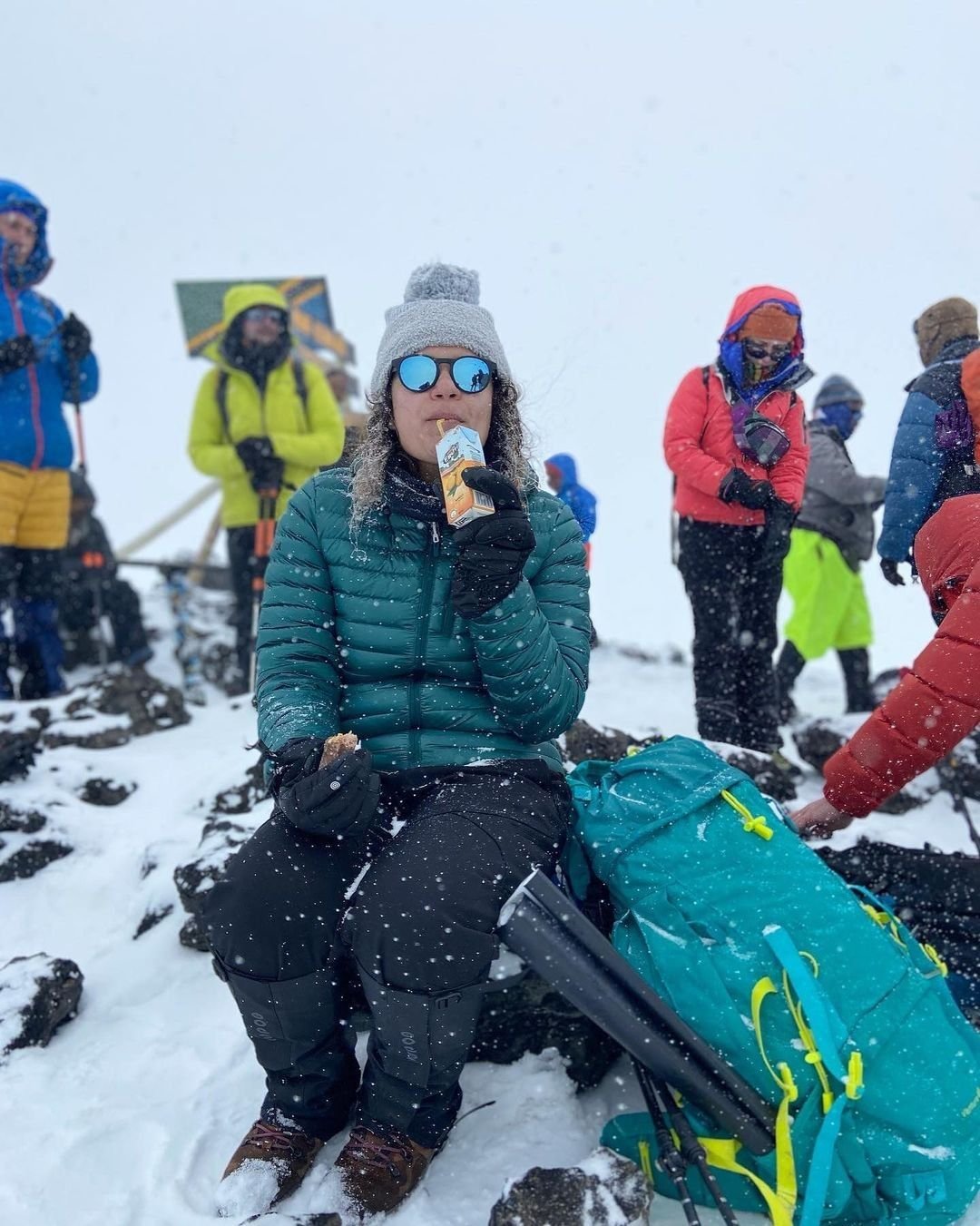
Kilimanjaro acclimatization is the natural process your body uses to adjust as you climb to higher elevations. As you move from the lower slopes toward Uhuru Peak at 5,895 metres, the air becomes thinner and your body gradually adapts to the changing altitude.
This adjustment happens progressively throughout the climb. A well-planned itinerary, a comfortable walking pace, enough time on the mountain, good hydration and proper rest all help make the acclimatization process smoother.
At KiliPori Safaris, we plan Kilimanjaro climbs with acclimatization in mind so you can enjoy the mountain at a steady and comfortable pace.
What Happens to Your Body as You Climb Kilimanjaro?
As altitude increases, the amount of oxygen available with each breath becomes lower than at sea level. Your body responds naturally by breathing more deeply and frequently and making other adjustments to help deliver oxygen to your muscles and organs.
During the first few days at higher altitude, your body begins adapting to the new environment. This process continues as you spend more time on the mountain. The CDC describes the first 3-5 days after ascent as an important period of acute acclimatization.
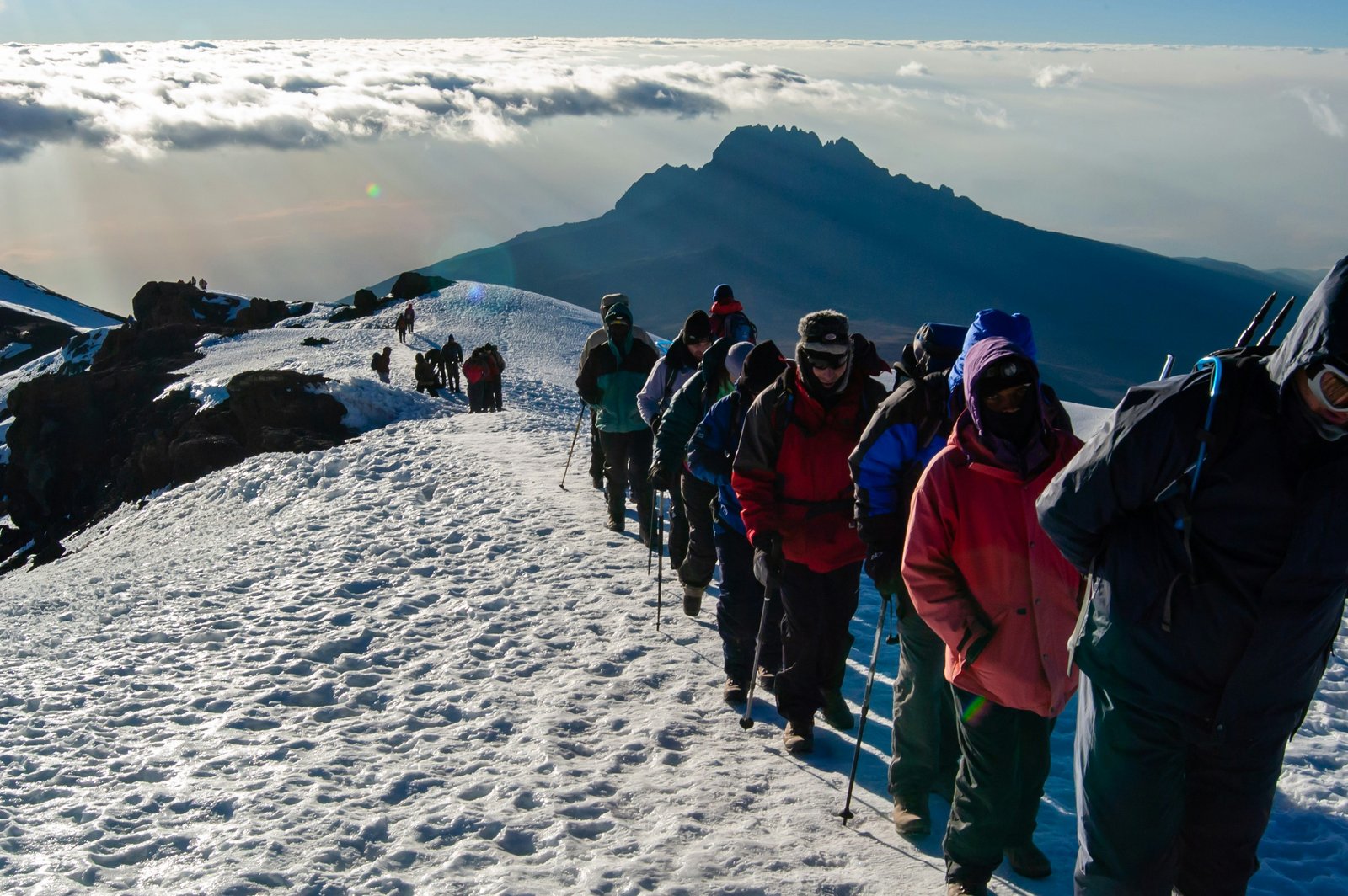
This is why Kilimanjaro is best enjoyed at pole pole - slowly and steadily.
Why Does Acclimatization Matter on Kilimanjaro?
Acclimatization allows your body to become more comfortable with increasing altitude before you reach the higher sections of the mountain.
Kilimanjaro rises to 5,895 metres, and routes take between approximately 5 and 8 days depending on the route and itinerary. TANAPA notes that spending more days on the mountain increases the opportunity for the body to adjust before reaching the summit.
Instead of rushing toward the summit, a good itinerary gives your body time to adapt naturally as you climb.
When Does Acclimatization Begin?
Your body begins adjusting as soon as you reach a higher elevation.
You may notice that your breathing becomes deeper during walking, your usual walking pace feels slower, or you need a little more rest than you normally would.
These changes are part of your body's response to the mountain environment. As you spend more time at altitude, your body continues making adjustments.
The most important period of acute acclimatization generally occurs during the first several days after gaining altitude.
How Does Your Body Adjust to Altitude?
Your body uses several natural processes to adapt.
Your Breathing Changes
One of the first noticeable changes is breathing.
At higher elevations, you may breathe more deeply, especially while walking uphill. This helps your body bring more oxygen into the lungs.
After some time at altitude, your breathing becomes better adapted to the new environment.
Your Circulation Adjusts
Your body also makes changes in circulation and oxygen delivery as you climb higher.
These adjustments help your muscles and organs continue receiving the oxygen they need while you are walking at altitude.
Your Body Becomes More Efficient Over Time
Acclimatization is gradual. Your body does not adjust completely after one night.
This is why spending several days on Kilimanjaro can make the experience more comfortable than trying to complete the mountain in the shortest possible time.
How Long Does It Take to Acclimatize on Kilimanjaro?
There is no exact number of days that works identically for everyone.
However, the body makes important adjustments during the first 3-5 days after gaining altitude, while acclimatization continues as you spend more time at higher elevations.
For Kilimanjaro, longer itineraries are generally useful because they allow a more gradual progression toward the summit.
Adding one or two days to a shorter itinerary can provide additional time for acclimatization. The CDC specifically recommends allowing additional time when planning a Kilimanjaro ascent.
Why Walking Slowly Helps
The famous Kilimanjaro phrase “pole pole” means slowly, and it is an important part of the climbing experience.
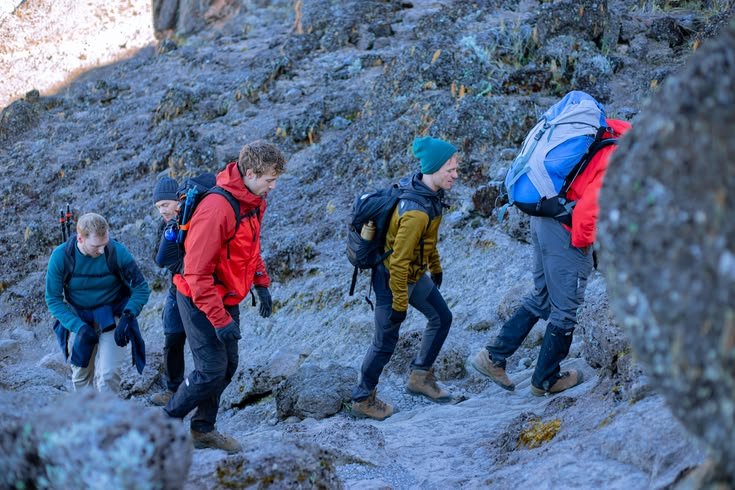
Walking at a controlled pace allows you to conserve energy and gives your body time to adjust while you gain altitude.
A slower pace does not mean you are falling behind. It means you are giving yourself time to enjoy the scenery, maintain your energy and adapt naturally to the mountain.
TANAPA recommends ascending slowly and choosing an itinerary that allows time for acclimatization.
What Does “Walk High, Sleep Low” Mean?
“Walk high, sleep low” is a useful acclimatization approach where you spend part of the day at a higher elevation before returning to a lower camp to sleep.
This gives your body exposure to higher altitude while keeping your sleeping elevation lower.
Some sections of Kilimanjaro naturally create opportunities for this type of altitude exposure, depending on the route and daily itinerary. The CDC also recommends day trips to higher elevations followed by returning to a lower elevation for sleep as one acclimatization strategy.
Which Kilimanjaro Routes Allow More Acclimatization Time?
The number of days on the mountain is an important part of acclimatization planning.
| Route | Common Duration | Acclimatization Approach |
|---|---|---|
| Marangu | 5-6 days | 6-day itinerary adds an acclimatization day |
| Machame | 6-7 days | 7-day option provides a more gradual schedule |
| Lemosho | 7-8 days | Longer approach allows more time to adjust |
| Rongai | 6-7 days | Longer itinerary allows a steadier progression |
| Umbwe | 6-7 days | Longer option provides additional adjustment time |
| Northern Circuit | 8-9+ days | Extended itinerary provides more time on the mountain |
For climbers who have enough time, choosing a longer itinerary can provide a more relaxed progression toward Uhuru Peak.
Is a Longer Kilimanjaro Route Better?
A longer itinerary can provide more time for your body to adjust before summit day.
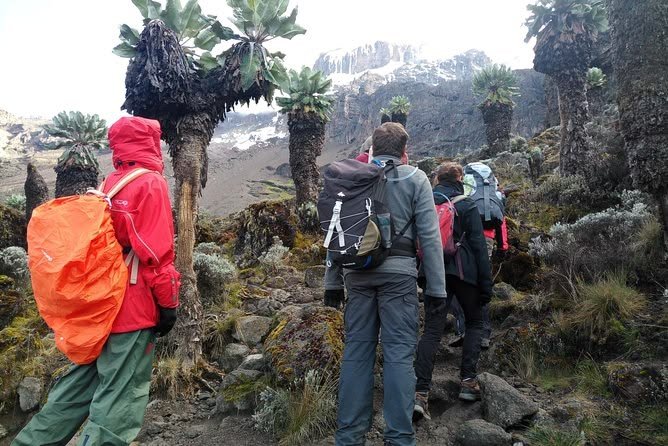
It also gives you more time to enjoy the different landscapes of Kilimanjaro instead of moving quickly from one camp to another.
For example, choosing 7 days instead of 6 days on Machame or 8 days instead of 7 days on Lemosho adds another opportunity for your body to become comfortable with the increasing elevation.
The additional day does not guarantee a particular outcome, but it provides valuable time for gradual adjustment.
How Does Acclimatization Feel?
Every climber experiences altitude differently.
As you climb higher, you may notice:
-
Breathing more during uphill walking
-
Taking more frequent short breaks
-
Feeling that your usual walking pace is slower
-
Needing more rest
-
Changes in appetite
-
Different sleep patterns
These experiences can vary from one person to another.
Your mountain guide will help you maintain a comfortable pace and monitor how you are feeling throughout the trek.
Does Physical Fitness Help With Acclimatization?
Fitness and acclimatization are two different things.
Good physical fitness helps you handle long walking days, steep trails and the physical demands of the climb. However, your body still needs time to adjust to altitude regardless of your fitness level.
This is why even experienced athletes benefit from a gradual Kilimanjaro itinerary.
The CDC notes that physical fitness does not determine a person's ability to acclimatize to altitude.
Does Drinking Water Help During Acclimatization?
Good hydration is an important part of a comfortable mountain climb.
Your guide will encourage you to drink regularly throughout the day, especially while walking and during warmer sections of the mountain.
TANAPA also recommends staying hydrated during a Kilimanjaro climb.
The goal is to maintain sensible hydration rather than forcing yourself to drink excessive amounts of water.
What Should You Eat During Acclimatization?
Your body needs enough energy to support long hiking days, so regular meals are important.
Good mountain meals can include:
-
Rice
-
Pasta
-
Potatoes
-
Bread
-
Oatmeal
-
Vegetables
-
Fruits
-
Soups
-
Eggs
-
Meat or other protein sources
-
Snacks
At altitude, some climbers notice that their appetite changes. Eating smaller portions more regularly can make meals easier to enjoy throughout the day.
Can You Prepare Your Body Before Kilimanjaro?
Yes. Spending time at elevation before your climb can give your body some previous exposure to higher altitude.
For travelers already visiting northern Tanzania, Mount Meru and Ngorongoro can be incorporated into a broader itinerary. The CDC identifies Mount Meru, Ngorongoro and Mount Kenya as possible pre-Kilimanjaro altitude experiences.
However, previous altitude exposure does not replace the gradual acclimatization process during your actual Kilimanjaro climb.
Can a Safari Help With Kilimanjaro Acclimatization?
A Tanzania safari can be combined with some higher-elevation experiences before Kilimanjaro, particularly around the Ngorongoro area.
For example, travelers can spend time around Ngorongoro before beginning their Kilimanjaro climb, giving them some exposure to elevation before moving higher.
This can be incorporated into a wider Tanzania itinerary that combines safari and mountain climbing.
What Is the Best Pace for Kilimanjaro?
The best pace is steady, comfortable and controlled.
There is no need to compete with other climbers or try to reach camp as quickly as possible.
A typical Kilimanjaro day includes walking, short breaks, meals and time to enjoy the surrounding landscape. Your guide adjusts the pace according to the terrain and the group.
The aim is to arrive at camp with enough energy for the following day.
Why Rest Days Are Useful
An acclimatization day is not simply a day without hiking.
It can be used for a shorter walk at higher elevation, followed by returning to camp to rest. This gives your body additional time to become familiar with the altitude while keeping the day's physical demands manageable.
Routes such as Marangu, Machame and Lemosho can be planned with additional acclimatization time depending on the selected itinerary.
How Your Guide Supports Acclimatization
Your guide plays an important role throughout the climb.
At KiliPori Safaris, our mountain guides pay attention to your pace, energy levels, hydration and general comfort as you move through different elevations.
They can also adjust the walking rhythm, recommend additional rest and communicate with the team when a climber needs more time to adapt.
TANAPA requires Kilimanjaro climbs to be undertaken with licensed operators and recommends following guide instructions throughout the trek.
Simple Ways to Support Your Acclimatization
You can make the acclimatization process easier by following a few simple habits:
-
Walk pole pole.
-
Allow enough days for the climb.
-
Drink water regularly.
-
Eat consistently.
-
Rest properly.
-
Keep a comfortable walking rhythm.
-
Avoid unnecessary rushing.
-
Tell your guide how you are feeling.
-
Follow the planned itinerary.
-
Enjoy the mountain rather than focusing only on reaching the next camp.
These simple habits can make a significant difference to your overall Kilimanjaro experience.
What If You Start Feeling Uncomfortable?
It is completely reasonable to tell your guide when you feel tired, uncomfortable or different from normal.
Your guide can assess how you are doing and adjust the pace or rest periods where appropriate.
The most important thing is open communication. You do not need to hide how you feel because you want to keep up with the group.
A well-organized Kilimanjaro climb allows the guide and climber to work together throughout the journey.
Why Choose More Days for Your Kilimanjaro Climb?
Choosing more days gives you:
-
More time for your body to adjust
-
A more relaxed walking pace
-
Additional rest opportunities
-
More time to enjoy the mountain
-
A less rushed summit preparation
-
More opportunities to experience different landscapes
TANAPA states that Kilimanjaro climbs generally take 5–8 days depending on the route and notes that more days provide a greater opportunity to reach the summit.
KiliPori Safaris' Approach to Kilimanjaro Acclimatization
At KiliPori Safaris, we believe Kilimanjaro should be climbed at a pace that allows you to enjoy the journey as much as the summit.
We help you select the route and number of days according to your hiking experience, available time and preferred pace. During the climb, our guides encourage a steady pole pole rhythm and give your body time to adjust naturally as you gain altitude.
Whether you choose Marangu, Machame, Lemosho, Rongai, Umbwe or the Northern Circuit, we can design an itinerary that gives acclimatization the attention it deserves.
Frequently Asked Questions About Kilimanjaro Acclimatization
What is acclimatization on Kilimanjaro?
Acclimatization is the natural process through which your body adjusts to the lower oxygen availability as you climb to higher elevations.
How many days do I need to acclimatize on Kilimanjaro?
There is no fixed number that works for everyone, but spending more days on the mountain allows more gradual adjustment. Kilimanjaro routes commonly take 5–8 days, with longer itineraries providing additional acclimatization time.
Is 6 days enough for Kilimanjaro?
A 6-day climb can be suitable depending on the route and itinerary, but adding an extra day can provide more time for your body to adjust and can create a more relaxed climbing experience.
Is 7 or 8 days better for Kilimanjaro?
Seven- and eight-day itineraries provide more time on the mountain than shorter climbs. The right choice depends on the route, your experience, available time and preferred pace.
Does being fit help on Kilimanjaro?
Yes, good fitness helps you manage the physical demands of hiking, but fitness does not replace acclimatization. Your body still needs time to adjust to altitude.
Does walking slowly really help on Kilimanjaro?
Yes. A steady pace helps you conserve energy and gives your body time to adjust as you gain altitude.
What does pole pole mean?
Pole pole is a Swahili phrase meaning “slowly, slowly.” It is the classic Kilimanjaro approach to maintaining a comfortable and sustainable pace.
Can I acclimatize before climbing Kilimanjaro?
Yes. Spending time at higher elevations before your climb can provide useful altitude exposure. Mount Meru and Ngorongoro are examples of places that can be incorporated into a northern Tanzania itinerary.
Can I combine a Kilimanjaro climb with a safari?
Yes. Kilimanjaro can be combined with a Tanzania safari before or after the climb, including destinations such as Serengeti, Ngorongoro and Tarangire.
Can I combine Kilimanjaro with Zanzibar?
Yes. Many travelers combine their Kilimanjaro adventure with a Zanzibar beach holiday after completing the climb.
Plan Your Kilimanjaro Climb With KiliPori Safaris
Good acclimatization starts with giving your body enough time to adjust. Choose a suitable route, walk pole pole, stay hydrated, eat well, rest properly and allow your guide to manage the pace of the climb.
At KiliPori Safaris, we create Kilimanjaro climbing experiences that balance adventure, comfort, preparation and time for acclimatization.
WhatsApp KiliPori Safaris: +255 755 287 311
Discover East Africa, Live the Extraordinary.

KiliPori Safaris Travel Team
A local Tanzania team helping travellers plan wildlife safaris, Kilimanjaro climbs and Zanzibar holidays with clear routing and direct destination support.
Published October 2, 2026 · Last updated October 31, 2026. Travel conditions, fees and schedules can change; confirm time-sensitive details before departure.