Explore this guide
Our guides combine current planning research with practical knowledge from arranging safaris, Kilimanjaro climbs and Zanzibar holidays.
Kilimanjaro Lemosho Route Guide: Itinerary, Difficulty and Cost
The Kilimanjaro Lemosho Route is a 7-8 day trekking route that approaches Mount Kilimanjaro from the western side, crosses the scenic Shira Plateau, and continues through the southern circuit before reaching Uhuru Peak at 5,895 metres. The route is known for its beautiful scenery, gradual ascent and longer itinerary, making it a popular choice for climbers who want more time for acclimatization.
At KiliPori Safaris, a 2027 Lemosho Route climb costs approximately US$2,000–2,800 per person, depending on the number of days, group size, accommodation, travel dates and services included.
Where Does the Lemosho Route Start?
The Lemosho Route starts at Londorossi Gate on the western side of Mount Kilimanjaro. From Moshi, climbers travel by vehicle to the gate for registration before continuing to the Lemosho trailhead.
The route begins in the rainforest before climbing through the heath and moorland zones toward the Shira Plateau. It later joins the southern circuit and continues toward Barranco, Karanga and Barafu before the final summit attempt. TANAPA identifies Lemosho as one of the principal access routes to Kilimanjaro.
How Many Days Does the Lemosho Route Take?
The Lemosho Route is commonly completed in 7 or 8 days on the mountain.
The 7-day Lemosho Route is suitable for climbers with limited time, while the 8-day Lemosho Route provides an additional day for acclimatization and a more gradual trekking schedule.
For most climbers, an 8-day itinerary provides more time to adjust to altitude and avoid unnecessarily long trekking days.
| Lemosho Option | Duration | Best For |
|---|---|---|
| 7-Day Lemosho | 7 days | Climbers with limited time |
| 8-Day Lemosho | 8 days | More gradual acclimatization |
| 9+ Days | Customized | Private and slower-paced climbs |
TANAPA notes that Kilimanjaro climbs generally take around 5–8 days depending on the route, while operators also offer longer itineraries.
7-Day Lemosho Route Itinerary
The 7-day itinerary combines the western approach, Shira Plateau, southern circuit and summit route.
Day 1: Londorossi Gate to Mti Mkubwa Camp
The climb begins with a transfer from Moshi to Londorossi Gate for registration and park formalities. From the gate, you continue to the Lemosho trailhead and begin trekking through the lush rainforest toward Mti Mkubwa Camp. The first day is relatively short, allowing you to begin adjusting to the mountain environment.
Altitude: approximately 2,780m
Habitat: Rainforest
Trekking time: approximately 3–4 hours
Overnight: Mti Mkubwa Camp
Day 2: Mti Mkubwa to Shira 1 Camp
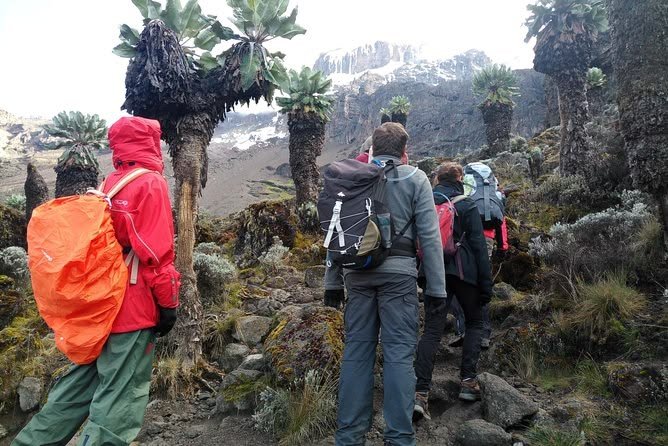
You leave the rainforest and climb into the heath and moorland zone. The landscape gradually opens as you approach the Shira Plateau, with views toward Kibo and the surrounding mountain landscape.
Altitude: approximately 3,600m
Trekking time: approximately 5–7 hours
Overnight: Shira 1 Camp
Day 3: Shira 1 to Moir Hut
This is an important acclimatization day. The route crosses the Shira Plateau before continuing toward Moir Hut, giving you more time at higher altitude without immediately pushing toward the summit.
Altitude: approximately 4,200m
Trekking time: approximately 5–7 hours
Overnight: Moir Hut/Camp
Day 4: Moir Hut to Lava Tower to Barranco Camp
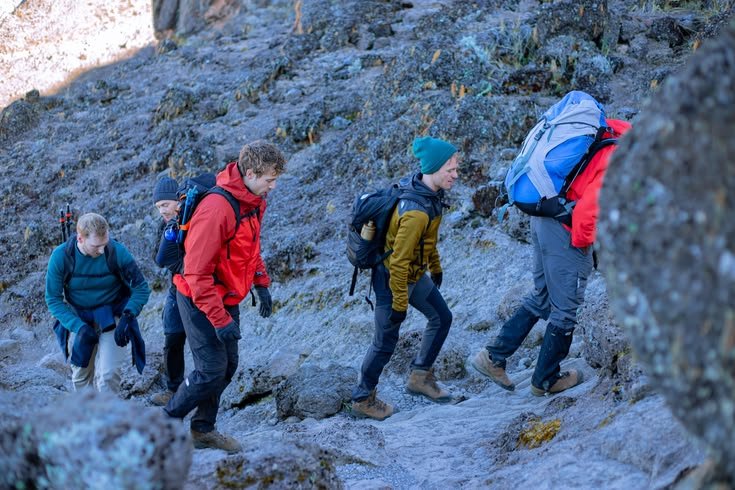
You climb toward Lava Tower, reaching approximately 4,600m, before descending toward Barranco Camp. This climb-high, sleep-lower pattern is useful for acclimatization.
The landscape changes dramatically as you approach the Barranco Valley, with the Barranco Wall rising above the camp.
Highest point: approximately 4,600m at Lava Tower
Overnight: Barranco Camp
Day 5: Barranco to Karanga to Barafu Camp
The day begins with the famous Barranco Wall, followed by a trek through the Karanga Valley toward Barafu Camp.
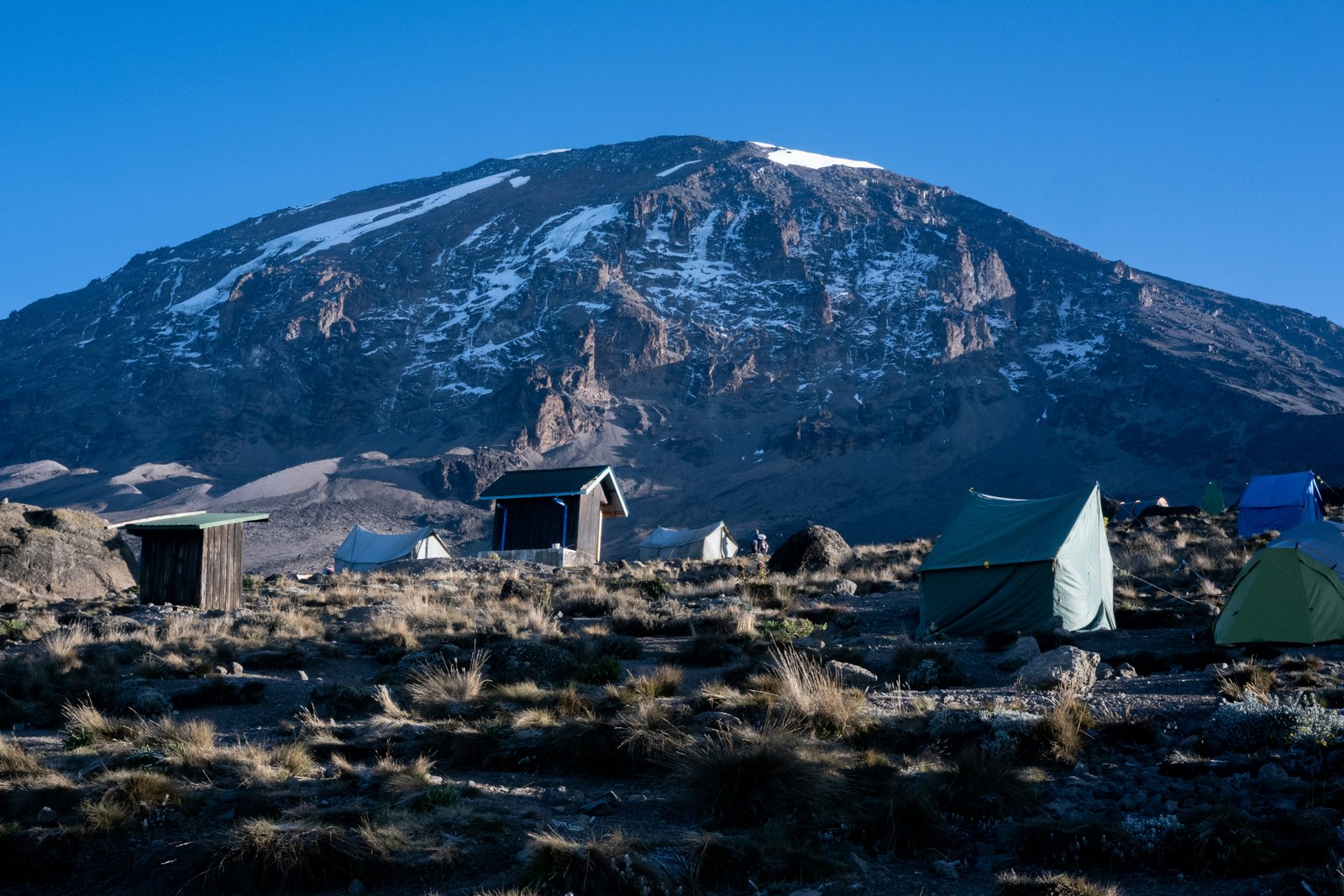
Barafu is the final major base camp before the summit. After arriving, you rest, eat and prepare your equipment for the summit attempt.
Altitude: approximately 4,673m at Barafu
Overnight: Barafu Camp
Day 6: Barafu to Uhuru Peak to Mweka Camp
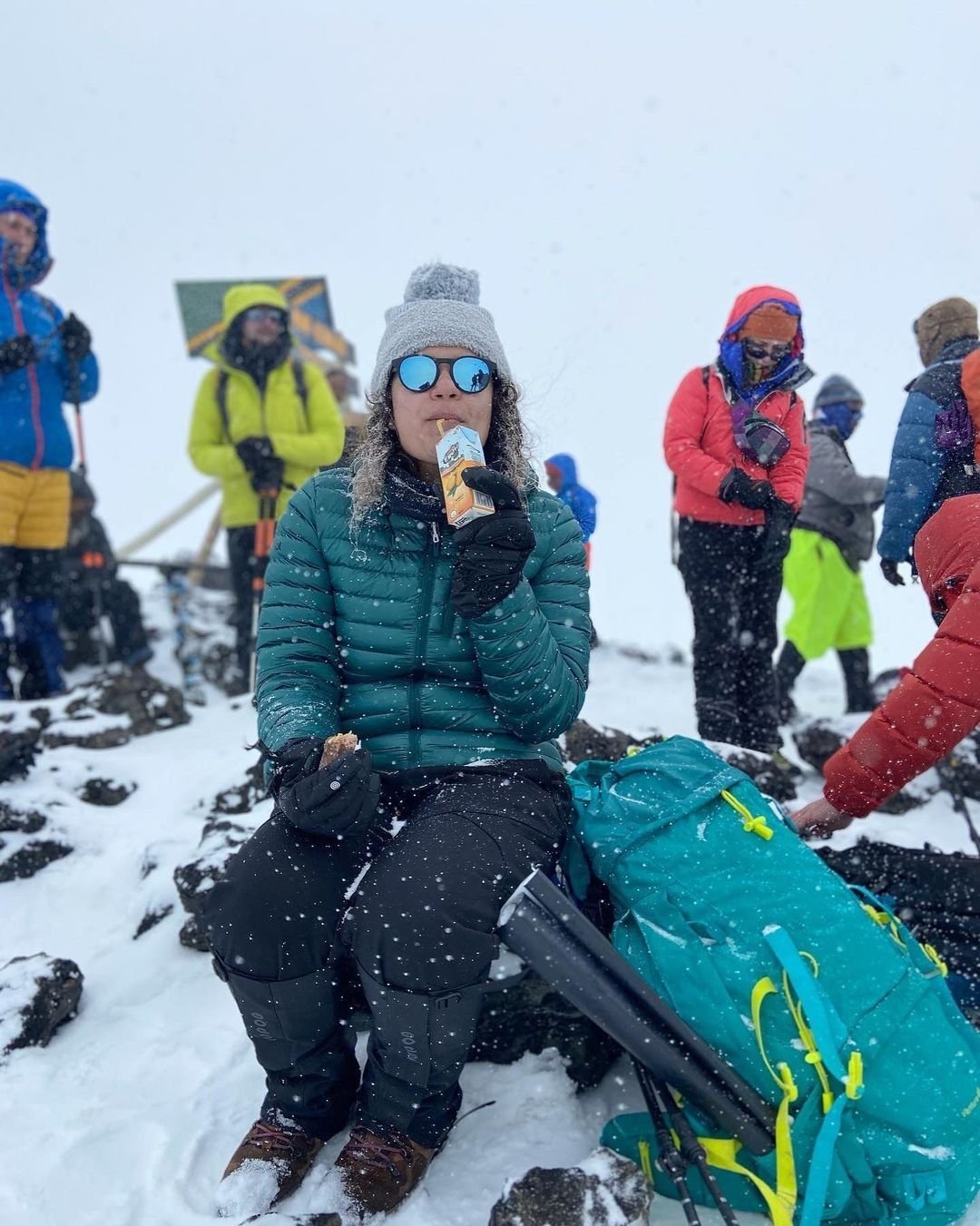
You normally begin the summit attempt around midnight. The climb continues toward Stella Point before following the crater rim to Uhuru Peak at 5,895m, the highest point in Africa.
After reaching the summit, you descend toward Mweka Camp for your overnight stay.
Summit: Uhuru Peak, 5,895m
Trekking time: approximately 12–15 hours
Overnight: Mweka Camp
Day 7: Mweka Camp to Mweka Gate
The final day is a descent through the rainforest toward Mweka Gate. After completing the park exit procedures, you receive your summit certificate and transfer back to Moshi.
Trekking time: approximately 3–4 hours
Finish: Mweka Gate
Transfer: Moshi
8-Day Lemosho Route Itinerary
The 8-day itinerary adds more time for acclimatization and divides some of the longer trekking sections.
Day 1: Londorossi Gate to Mti Mkubwa Camp
Transfer from Moshi to Londorossi Gate, complete registration and begin trekking through the rainforest to Mti Mkubwa Camp.
Overnight: Mti Mkubwa Camp
Day 2: Mti Mkubwa to Shira 1 Camp
Continue through the upper rainforest and heath zone toward Shira 1 Camp on the Shira Plateau.
Overnight: Shira 1 Camp
Day 3: Shira 1 to Shira 2 Camp
Walk across the Shira Plateau toward Shira 2 Camp. This is a relatively moderate day that allows you to spend additional time at altitude while enjoying views of Kibo.
Overnight: Shira 2 Camp
Day 4: Shira 2 to Lava Tower to Barranco Camp
Climb toward Lava Tower for acclimatization before descending to Barranco Camp.
Highest point: approximately 4,600m
Overnight: Barranco Camp
Day 5: Barranco to Karanga Camp
Climb the Barranco Wall and continue through the Karanga Valley toward Karanga Camp.
Overnight: Karanga Camp
Day 6: Karanga to Barafu Camp
Continue toward Barafu Camp, the final high camp before the summit.
After arriving at Barafu, you have time to eat, rest and prepare for the midnight summit attempt.
Altitude: approximately 4,673m
Overnight: Barafu Camp
Day 7: Barafu to Uhuru Peak to Mweka Camp
Begin the summit climb around midnight and ascend toward Stella Point before continuing to Uhuru Peak.
After reaching the summit, descend to Mweka Camp.
Summit: Uhuru Peak, 5,895m
Overnight: Mweka Camp
Day 8: Mweka Camp to Mweka Gate
Descend through the rainforest to Mweka Gate, complete the exit formalities and transfer back to Moshi.
Overnight: Moshi, if included in your package
How Difficult Is the Lemosho Route?
The Lemosho Route is moderately difficult, with the main challenge being altitude rather than technical climbing.
You do not need technical mountaineering skills, ropes or climbing equipment for the standard route. However, you need good physical endurance because several days involve long walks, steep sections and significant altitude gain.
The longer Lemosho itinerary provides more time to acclimatize, which is one reason the route is popular among climbers. Current route information also describes Lemosho as moderately challenging and emphasizes gradual acclimatization.
Main Challenges on Lemosho
The major challenges include:
-
High altitude
-
Long trekking days
-
Cold temperatures at higher elevations
-
Steep sections
-
Barranco Wall
-
Summit night
-
Reduced oxygen at altitude
-
Changing mountain weather
The summit day is normally the most physically demanding part of the climb.
Is the Lemosho Route Suitable for Beginners?
Yes, beginners can climb the Lemosho Route with appropriate preparation, a suitable itinerary and professional mountain support.
You do not need previous Kilimanjaro experience or technical climbing skills. What matters more is physical preparation, mental readiness, appropriate pacing and allowing enough time for acclimatization.
For first-time climbers, the 8-day Lemosho Route is particularly useful because it provides a more gradual schedule than shorter itineraries.
What Is the Lemosho Route Success Rate?
Summit success rates vary between operators, group types, route duration and how the statistics are calculated, so a single percentage should not be treated as a guaranteed result.
Longer Lemosho itineraries generally provide more acclimatization time than shorter versions. Current published route information similarly emphasizes the advantage of the 8-day itinerary for acclimatization.
Your physical preparation, pacing, altitude response and guide support also influence your ability to reach Uhuru Peak.
How Much Does the Lemosho Route Cost in 2027?
The Lemosho Route costs approximately US$2,000–2,800 per person in 2027 for KiliPori Safaris planning purposes.
| Lemosho Climb | Estimated 2027 Cost Per Person |
|---|---|
| 7-Day Lemosho | US$2,000–2,500 |
| 8-Day Lemosho | US$2,200–2,800 |
The final quotation depends on group size, travel dates, accommodation, transfers, number of days and services included.
Current 2027 published market examples show 7-day and 8-day Lemosho packages ranging from roughly US$1,750 to US$2,890+ depending on operator and package structure, which supports using a range rather than presenting one universal market price.
What Is Included in the Lemosho Route Cost?
A standard Lemosho climbing package can include:
-
Kilimanjaro National Park fees
-
Professional mountain guide
-
Assistant guides where required
-
Porters
-
Mountain cook
-
Mountain camping
-
Tents and camping equipment
-
Meals during the trek
-
Drinking water
-
Transfers to and from the mountain
-
Park registration
-
Pre-climb briefing
-
Mountain safety support
The exact inclusions depend on the operator and package.
TANAPA confirms that park fees vary according to visitor category, route and number of days, while guide and porter services are arranged through licensed operators.
What Is Not Included in the Lemosho Route Cost?
The following are commonly separate unless specifically included:
-
International flights
-
Tanzania visa
-
Travel insurance
-
Personal trekking equipment
-
Personal medication
-
Crew tips
-
Extra hotel nights
-
Personal expenses
-
Optional activities
Always check the full inclusion and exclusion list before booking.
Why Is Lemosho More Expensive Than Marangu?
Lemosho costs more than Marangu mainly because it is generally operated over more days and uses camping logistics.
Marangu uses mountain huts, while Lemosho uses designated tented camps. TANAPA confirms that Marangu uses Mandara, Horombo and Kibo huts, while other routes use designated tented camps operated by licensed operators.
Lemosho also approaches from the western side and spends more time crossing the mountain before reaching the southern circuit.
Lemosho Route vs Machame Route
Lemosho and Machame share part of the southern circuit, but they begin from different sides of Kilimanjaro.
| Feature | Lemosho | Machame |
|---|---|---|
| Starting side | Western | Southern |
| Typical duration | 7–8 days | 6–7 days |
| Accommodation | Camping | Camping |
| Scenery | Rainforest, Shira Plateau, southern circuit | Rainforest, Shira/Machame area, southern circuit |
| Acclimatization | Longer itinerary available | Depends on itinerary |
| Cost | US$2,000–2,800 | Generally lower |
| Difficulty | Moderate | Moderate to challenging |
Lemosho is particularly attractive when you want a longer approach and additional time for acclimatization.
Lemosho Route vs Marangu Route
The biggest difference is the accommodation and route profile.
| Feature | Lemosho | Marangu |
|---|---|---|
| Duration | 7–8 days | 5–6 days |
| Starting side | Western | Southeastern |
| Accommodation | Tents | Mountain huts |
| 2027 cost | US$2,000–2,800 | US$1,400–1,800 |
| Scenery | Diverse and expansive | Forest, moorland and alpine zones |
| Acclimatization | More time on longer itineraries | Shorter on standard itineraries |
Marangu is generally the lower-cost option, while Lemosho provides a longer and more gradual approach.
What Is the Best Time to Climb the Lemosho Route?
The best time to climb Lemosho is generally during Tanzania's drier trekking periods, particularly around January–February and June–October.
The mountain can be climbed throughout the year, but weather conditions vary considerably. Rain, cold temperatures, snow and wet trails can make the climb more demanding during wetter periods.
When choosing dates, consider both weather conditions and your ability to commit to the required number of days.
What Should You Pack for the Lemosho Route?
A proper Lemosho Route packing list should include:
-
Waterproof hiking boots
-
Warm jacket
-
Fleece or insulating layer
-
Waterproof jacket and trousers
-
Thermal base layers
-
Hiking trousers
-
Moisture-wicking shirts
-
Warm hat
-
Gloves
-
Sunglasses
-
Sunscreen
-
Headlamp
-
Trekking poles
-
Sleeping bag
-
Water bottles or hydration system
-
Daypack
-
Duffel bag for porter transport
-
Personal medication
-
Basic toiletries
-
Camera and spare batteries
Temperatures can become very cold near the summit, so adequate cold-weather clothing is essential.
TANAPA also advises climbers to carry proper cold-weather and rain gear, a headlamp and personal medication.
How Do You Prepare for the Lemosho Route?
Start preparing several weeks before your climb with regular cardiovascular exercise, hiking and strength training.
Useful preparation includes:
-
Long-distance walking
-
Uphill hiking
-
Stair climbing
-
Leg-strength exercises
-
Core training
-
Weekend hikes
-
Training with your hiking boots
-
Practicing with a daypack
You should also prepare mentally for long trekking days and the summit night.
The most important preparation, however, is understanding that altitude affects people differently. Walk slowly, stay hydrated and immediately tell your guide if you develop altitude-related symptoms.
TANAPA specifically recommends gradual ascent, hydration and reporting symptoms promptly to the guide.
What Happens on Summit Day on Lemosho?
Summit day begins very early, normally around midnight from Barafu Camp.
You climb in darkness toward Stella Point, usually taking several hours. From Stella Point, you continue along the crater rim toward Uhuru Peak at 5,895 metres.
After reaching the summit, you spend a short time taking photographs and appreciating the views before beginning the descent.
The descent continues toward Mweka Camp, making summit day one of the longest and most demanding days of the entire itinerary.
Is the Barranco Wall Dangerous?
The Barranco Wall is a steep scrambling section of the Lemosho Route, but it is not a technical rock-climbing wall requiring ropes for the standard route.
You use your hands in some sections while following the route under the supervision of your mountain guide. The challenge comes mainly from the steep terrain and altitude rather than technical climbing.
It is one of the most recognizable sections of the southern circuit.
Where Do You Sleep on the Lemosho Route?
Lemosho is a camping route, so climbers normally sleep in tents at designated mountain camps.
Depending on the itinerary, camps can include:
-
Mti Mkubwa
-
Shira 1
-
Shira 2
-
Moir
-
Barranco
-
Karanga
-
Barafu
-
Mweka
The exact camps depend on whether you choose a 7-day or 8-day itinerary.
Can You Combine Lemosho With a Tanzania Safari?
Yes. A Lemosho Kilimanjaro climb can be combined with a Tanzania safari before or after the mountain.
Popular combinations include:
Lemosho + Serengeti + Ngorongoro
or Lemosho + Tarangire + Ngorongoro
You can also continue to Zanzibar after completing the mountain.
A combined itinerary can be arranged around your available vacation time.
Can You Combine Lemosho With Zanzibar?
Yes. Many travelers combine Lemosho, Tanzania safari and Zanzibar into one extended Tanzania holiday.
A typical journey can be:
Moshi → Lemosho Route → Moshi → Serengeti/Ngorongoro → Zanzibar
or: Moshi → Lemosho Route → Moshi → Zanzibar
KiliPori Safaris can coordinate the mountain, safari, domestic flights and Zanzibar arrangements as one customized itinerary.
Why Choose the Lemosho Route?
The main reasons travelers choose Lemosho include:
-
Scenic western approach
-
Beautiful rainforest
-
Shira Plateau
-
Longer acclimatization options
-
Diverse landscapes
-
Camping experience
-
Less crowded early sections
-
Gradual approach to the summit
-
Opportunity to combine with other Tanzania experiences
The route's combination of scenery and longer itineraries makes it one of the most requested Kilimanjaro routes.
Kilipori Safaris Lemosho Route Recommendation
For travelers planning their 2027 Lemosho climb, KiliPori Safaris recommends considering the 8-day itinerary when your schedule allows it.
The additional day gives the itinerary more time for acclimatization and avoids making the climb unnecessarily rushed.
Our 2027 planning cost for Lemosho is US$2,000–2,800 per person, depending on the route duration, group size, dates and services included.
We can organize the climb as a private Kilimanjaro experience or arrange group joining options according to your travel plans.
Plan Your Lemosho Route Climb With KiliPori Safaris
The Kilimanjaro Lemosho Route offers a scenic western approach, a gradual climb across the Shira Plateau and a 7–8 day itinerary toward Uhuru Peak.
For 2027, the expected Lemosho climbing cost is approximately US$2,000–2,800 per person, depending on the duration and package arrangements.
KiliPori Safaris can organize your Lemosho climb from Moshi, including mountain crew, accommodation, meals, transfers and other services included in your selected package.
WhatsApp KiliPori Safaris: +255 755 287 311
Plan Your Lemosho Climb | Request a 2027 Quote | Chat With Our Travel Experts
Kilimanjaro Lemosho Route FAQs
How many days is the Lemosho Route?
The Lemosho Route is commonly completed in 7 or 8 days. The 8-day option provides additional time for acclimatization.
How much does the Lemosho Route cost in 2027?
The KiliPori Safaris planning range for 2027 is US$2,000-2,800 per person, depending on the number of days, group size and services included.
Is Lemosho harder than Machame?
Both are demanding high-altitude trekking routes. Lemosho can provide a more gradual itinerary when completed over 7-8 days, while the difficulty of Machame depends on the specific itinerary.
Is Lemosho suitable for beginners?
Yes. Beginners with appropriate fitness and preparation can climb Lemosho. The 8-day itinerary provides more time for acclimatization.
Is Lemosho a camping route?
Yes. Lemosho uses designated mountain camps and tented accommodation rather than the mountain huts used on Marangu.
What is the highest point on Lemosho?
The highest point is Uhuru Peak at 5,895 metres above sea level.
Does Lemosho include the Barranco Wall?
Yes. Standard Lemosho itineraries join the southern circuit and normally pass through Barranco before continuing toward Karanga and Barafu.
Can I climb Lemosho privately?
Yes. KiliPori Safaris can organize private Lemosho climbs based on your preferred dates, group size and itinerary.
Can I combine Lemosho with safari and Zanzibar?
Yes. Lemosho can be combined with a Tanzania safari, Zanzibar holiday or both as part of a customized Tanzania itinerary.

KiliPori Safaris Travel Team
A local Tanzania team helping travellers plan wildlife safaris, Kilimanjaro climbs and Zanzibar holidays with clear routing and direct destination support.
Published October 2, 2026. Travel conditions, fees and schedules can change; confirm time-sensitive details before departure.