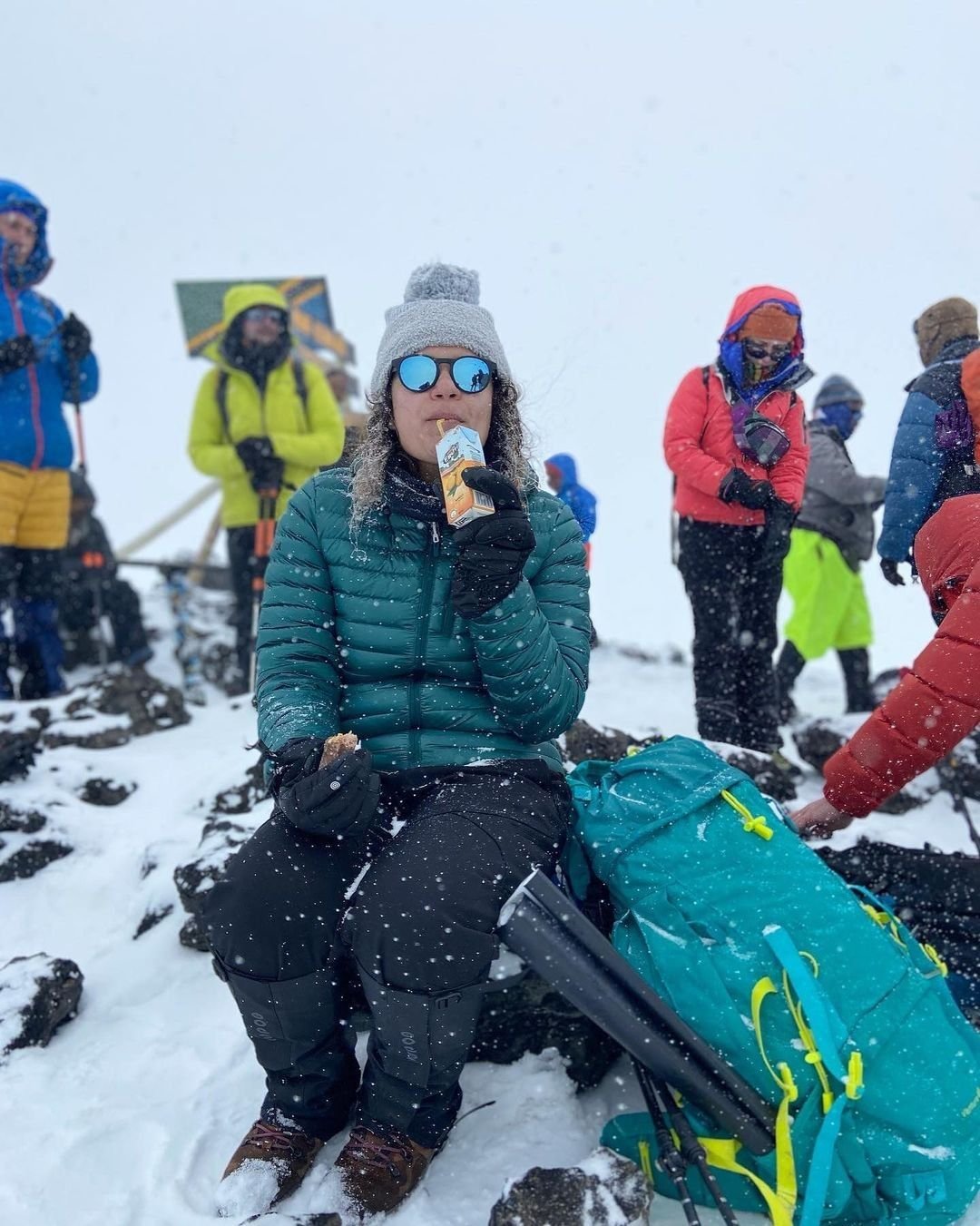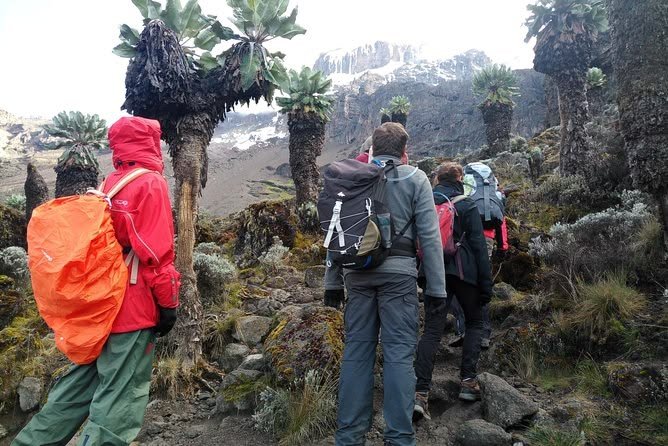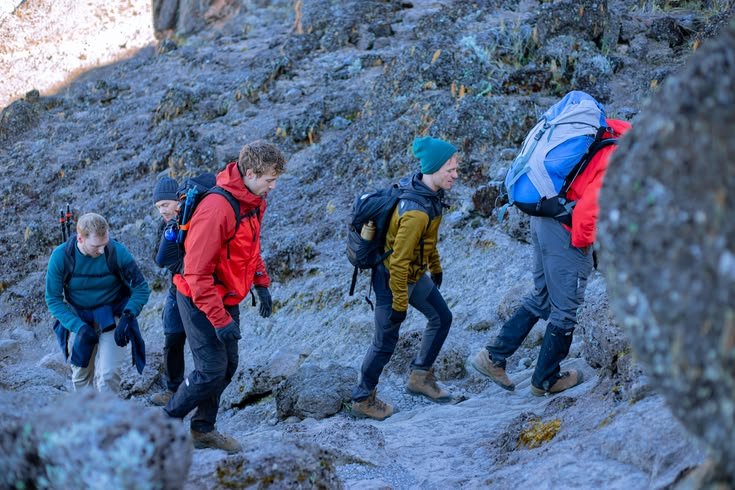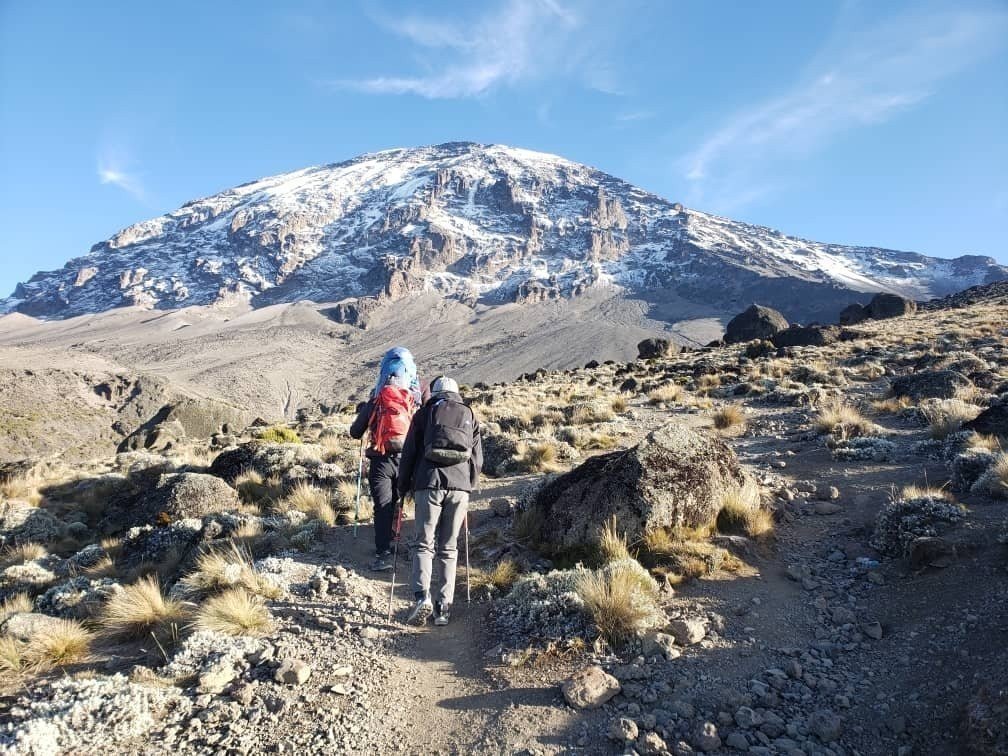
Explore this guide
Our guides combine current planning research with practical knowledge from arranging safaris, Kilimanjaro climbs and Zanzibar holidays.
Kilimanjaro Success Rate by Route and Number of Days
The Kilimanjaro summit success rate is strongly connected to the route and number of days you spend on the mountain. At KiliPori Safaris, we recommend 7–9 day Kilimanjaro climbs for travelers who want enough time for gradual acclimatization, comfortable walking and proper preparation for summit night.
Recent 2026 climbing records show 96% success on the 9-day Northern Circuit, 92% on 7-day Machame, 88% on 7-day Lemosho and 85% on 6–7 day Rongai. TANAPA also confirms that Kilimanjaro climbs take approximately 5-8 days depending on the route and that spending more days on the mountain increases the possibility of reaching the summit.
Kilimanjaro Success Rate by Route
The route and duration you choose determine how much time you have to adjust to Kilimanjaro's altitude before summit night.
| Kilimanjaro Route | Duration | Recorded Success Rate |
|---|---|---|
| Northern Circuit | 9 days | 96% |
| Machame | 7 days | 92% |
| Lemosho | 7 days | 88% |
| Rongai | 6–7 days | 85% |
| Lemosho | 8 days | 82% |
| Machame | 6 days | 82% |
| Shira | 7 days | 80% |
| Umbwe | 5-6 days | 79% |
| Marangu | 6 days | 67% |
The figures show why we place strong emphasis on the number of days, not just the route name.
Kilimanjaro Success Rate by Number of Days
Longer Kilimanjaro itineraries provide more time for gradual acclimatization and allow climbers to approach summit night with a more controlled schedule.
| Number of Days | Typical Success Level | KiliPori Safaris Recommendation |
|---|---|---|
| 5 Days | Lower | Short itinerary |
| 6 Days | Moderate | Suitable for selected routes |
| 7 Days | High | Strong balance |
| 8 Days | Very High | Excellent for gradual acclimatization |
| 9 Days | Highest | Longest standard itinerary |
At KiliPori Safaris, 7–9 days is our preferred range for climbers who want a well-paced Kilimanjaro experience.
TANAPA states that climbing Kilimanjaro takes 5-8 days depending on the route and specifically notes that more days increase the possibility of conquering the summit.
What Is the Kilimanjaro Success Rate for 5 Days?
A 5-day Kilimanjaro climb is a short itinerary with limited acclimatization time. Five-day climbs move through the mountain more quickly, leaving less time for the body to adjust before summit night.
At KiliPori Safaris, we recommend adding an extra day whenever your travel schedule allows it.
A longer itinerary gives you more time to settle into the mountain environment and maintain a steady pace.
What Is the Kilimanjaro Success Rate for 6 Days?
A 6-day Kilimanjaro climb provides more time than a 5-day itinerary but remains a relatively fast climb.
Recent operational figures include:
-
6-day Machame: 82%
-
6-day Marangu: 67%
-
5–6 day Umbwe: 79%
-
6–7 day Rongai: 85%
Six days can work well when the route is selected carefully and the climber arrives properly prepared. For climbers whose main priority is reaching Uhuru Peak, we recommend considering seven days or longer.
What Is the Kilimanjaro Success Rate for 7 Days?
Seven days is one of the strongest choices for climbers who want a good balance between climbing time and acclimatization.
Current operational figures include:
-
7-day Machame: 92%
-
7-day Lemosho: 88%
-
7-day Shira: 80%
Seven-day Machame is particularly popular because it combines varied scenery with a practical climbing schedule.
Seven-day Lemosho provides a western approach through the Shira Plateau before continuing toward the southern sections of Kilimanjaro.
What Is the Kilimanjaro Success Rate for 8 Days?
An 8-day Kilimanjaro climb provides additional time for gradual progression toward the summit.
The 8-day Lemosho route is a major option for climbers who want a longer itinerary. The current operational dataset used for this comparison records 82% success for 8-day Lemosho.
At KiliPori Safaris, we use the 8-day Lemosho itinerary for climbers who want more time on the mountain and a longer western approach.
What Is the Kilimanjaro Success Rate for 9 Days?
The 9-day Northern Circuit records approximately 96% summit success in the latest 2026 operational dataset.
The Northern Circuit is Kilimanjaro's longest standard route and provides an extended approach around the northern side of the mountain before summit night.
At KiliPori Safaris, we recommend the 9-day Northern Circuit for climbers who have enough time and want the longest standard climbing itinerary.
Which Kilimanjaro Route Has the Highest Success Rate?
The 9-day Northern Circuit has the highest recorded success rate in the latest operational dataset, at approximately 96%.
Its longer itinerary gives climbers extensive time on the mountain before the final summit ascent.
The route also provides a quieter experience across the northern side of Kilimanjaro.
What Is the Success Rate of the 7-Day Machame Route?
The 7-day Machame Route records approximately 92% summit success in recent operational data.
Machame is one of Kilimanjaro's most popular routes and passes through several distinct environments, including rainforest, moorland, alpine desert and the high summit zone.
The seven-day version gives climbers more time than the six-day Machame itinerary.
At KiliPori Safaris, 7-day Machame is one of our preferred choices for climbers looking for a balanced route.
What Is the Success Rate of the 7-Day Lemosho Route?
The 7-day Lemosho Route records approximately 88% summit success in the latest operational dataset.
Lemosho begins on the western side of Kilimanjaro and crosses the Shira Plateau before joining the southern sections of the mountain.
The route provides beautiful scenery and a gradual start. Seven-day Lemosho is suitable for climbers who want the Lemosho experience while keeping the climb within one week.
What Is the Success Rate of the 8-Day Lemosho Route?
The current 2026 operational dataset records approximately 82% summit success for 8-day Lemosho.
The eight-day itinerary provides an additional day compared with the seven-day version and allows more time on the mountain.
At KiliPori Safaris, the 8-day Lemosho itinerary is designed for climbers who want a longer western approach and a comfortable climbing schedule.
What Is the Success Rate of the Rongai Route?
The 6–7 day Rongai Route records approximately 85% summit success in recent operational data.
Rongai approaches Kilimanjaro from the northern side and provides a different experience from the southern routes.
The route is also attractive to climbers who prefer the northern side of the mountain.
A seven-day itinerary gives you additional time for gradual progression toward the summit.
What Is the Success Rate of the Shira Route?
The 7-day Shira Route records approximately 80% summit success in recent operational data.
Shira approaches Kilimanjaro from the western side and reaches higher elevation relatively early in the itinerary.
The route should therefore be planned carefully with appropriate pacing and acclimatization.
At KiliPori Safaris, we assess your hiking experience and available time before recommending this route.
What Is the Success Rate of the Umbwe Route?
The 5–6 day Umbwe Route records approximately 79% summit success in the latest operational dataset.
Umbwe is known for its steep and direct approach.
It is suitable for climbers who are physically prepared and comfortable with a more demanding mountain route.
At KiliPori Safaris, we recommend selecting Umbwe according to your previous hiking experience and preferred climbing style.
What Is the Success Rate of the Marangu Route?
The 6-day Marangu Route records approximately 67% summit success in the current operational dataset.
Marangu is the only major Kilimanjaro route using permanent mountain huts instead of camping tents.
The six-day itinerary provides more time than the five-day version.
For climbers who prefer hut accommodation, KiliPori Safaris recommends the six-day Marangu itinerary.
Does Adding More Days Increase Kilimanjaro Success?
Yes. More days provide additional time for gradual acclimatization and create a more comfortable approach to summit night.
TANAPA directly states that the more days spent climbing Kilimanjaro, the higher the possibility of conquering the summit.
The route data also shows strong differences between shorter and longer itineraries.This is why KiliPori Safaris focuses on both route and duration when planning a climb.
Why Is Acclimatization Important for Kilimanjaro Success?
Acclimatization allows your body to adjust gradually as you climb to higher elevations.
Kilimanjaro reaches 5,895 metres, making gradual ascent an important part of the climb.
A longer itinerary allows you to spend more time progressing through different elevations before summit night.
At KiliPori Safaris, our guides maintain a controlled pace and manage the daily climbing schedule to support gradual acclimatization.
Is 7 Days Enough to Climb Kilimanjaro?
Yes. Seven days is enough for a well-planned Kilimanjaro climb and is one of our most popular durations.
Seven-day options include:
-
Machame
-
Lemosho
-
Rongai
-
Shira
Seven days provides substantially more mountain time than a compressed five-day itinerary.
For many climbers, it provides a strong balance between climbing duration and overall holiday time.
Is 8 Days Better for Kilimanjaro?
Eight days provides a longer and more gradual climbing schedule.
Our main eight-day option is:
8-Day Lemosho Route
The additional day gives climbers more time on the mountain before summit night.
It is a strong option for travelers who can dedicate an extra day to the climb.
Is 9 Days Better for Kilimanjaro?
Nine days provides the longest standard Kilimanjaro itinerary and the highest recent recorded success rate.
The main option is:
9-Day Northern Circuit
The route gives you extensive time on the mountain before summit night.
At KiliPori Safaris, we recommend it for climbers who have enough time and want the longest standard approach.
Does Fitness Affect Kilimanjaro Success?
Yes. Physical preparation helps you handle long walking days, elevation gain and the summit descent.
Before climbing Kilimanjaro, train with:
-
Long-distance walking
-
Hill hiking
-
Stair climbing
-
Step-ups
-
Squats
-
Lunges
-
Core exercises
-
Weekend hikes
-
Back-to-back walking days
You do not need to be an elite athlete. You need enough endurance to walk steadily for several hours each day.
Fitness preparation should be combined with adequate acclimatization time.
Does Walking Pace Affect Kilimanjaro Success?
Yes. A controlled walking pace helps you conserve energy and adjust gradually to the increasing altitude.
At KiliPori Safaris, our guides use the traditional pole pole approach, meaning slowly and steadily.
A comfortable pace allows you to walk for longer periods without exhausting yourself early in the climb.
Summit night is naturally slower because of the altitude, cold and long ascent.
Does the Guide Affect Kilimanjaro Success?
Professional mountain guiding is an important part of a well-managed Kilimanjaro climb.
Your guide manages:
-
Daily walking pace
-
Rest breaks
-
Route progression
-
Hydration
-
Meals
-
Acclimatization schedule
-
Summit preparation
-
Equipment checks
-
Descent planning
At KiliPori Safaris, our mountain guides stay with you throughout the climb and manage the daily schedule from the first hiking day to the summit and descent.
Does the Season Affect Kilimanjaro Success?
Yes. Weather conditions affect trail conditions, visibility and the overall mountain experience.
The commonly preferred climbing periods include June to October and December to March, while the long rains around April and May can create wetter trail conditions.
KiliPori Safaris helps you select the route and duration according to your preferred travel period.
What Is the Best Number of Days to Climb Kilimanjaro?
KiliPori Safaris recommends 7–9 days for climbers who want a well-paced Kilimanjaro experience.
| Number of Days | KiliPori Safaris Recommendation |
|---|---|
| 5 Days | Short itinerary |
| 6 Days | Suitable for selected routes |
| 7 Days | Strong balance |
| 8 Days | More gradual ascent |
| 9 Days | Longest standard itinerary |
For most first-time climbers, 7 or 8 days provides an excellent balance between time, acclimatization and the overall climbing experience.
For climbers with more time, the 9-day Northern Circuit provides the longest standard approach.
KiliPori Safaris 2027 Kilimanjaro Route Prices
Our indicative 2027 route planning ranges are:
| Route | Duration | KiliPori Safaris 2027 Planning Range |
|---|---|---|
| Marangu | 5-6 days | US$1,400–1,800 |
| Machame | 6-7 days | US$1,800–2,200 |
| Rongai | 6-7 days | US$1,890–2,800 |
| Lemosho | 7-8 days | US$2,000–2,800 |
| Umbwe | Around 6 days | US$2,300–3,000 |
| Northern Circuit | 8-9 days | US$2,500–3,000 |
The final package price depends on your travel dates, group size, route, duration and selected arrangements.
Which Kilimanjaro Route Should You Choose for Summit Success?
At KiliPori Safaris, we recommend the following options according to your available time and climbing preferences.
7-Day Machame
A strong choice for climbers who want a balanced itinerary with varied scenery, a practical duration and sufficient time on the mountain.
8-Day Lemosho
A longer western approach suitable for climbers who want additional time for a gradual ascent.
9-Day Northern Circuit
Our longest standard route, providing extensive time on the mountain before summit night.
7-Day Rongai
A strong option for climbers who prefer the northern approach to Kilimanjaro.
6-Day Marangu
Suitable for climbers who specifically prefer permanent mountain huts.
The key decision is to choose a route with enough days for your climb to progress comfortably.
How KiliPori Safaris Prepares Climbers for Uhuru Peak
At KiliPori Safaris, we plan every climb around reaching Uhuru Peak at 5,895 metres while maintaining a comfortable and gradual pace.
Our Kilimanjaro climbing service includes:
-
Route planning
-
Professional mountain guides
-
Experienced mountain crew
-
Acclimatization planning
-
Daily pace management
-
Summit-night preparation
-
Mountain meals
-
Camp arrangements
-
Equipment guidance
-
Descent planning
We prepare the climb from the first hiking day through summit night and the final descent.
KiliPori Safaris Recommendation
Choose 7–9 days when reaching Uhuru Peak is your main goal.
Our main recommendations are:
7 days – Machame
8 days – Lemosho
9 days – Northern Circuit
Longer itineraries give you more time on Kilimanjaro and allow the climb to progress at a controlled pace.
Instead of choosing the shortest itinerary simply to reduce the number of days, choose a route that gives you enough time to acclimatize and enjoy the mountain.
Climb Kilimanjaro With KiliPori Safaris
Ready to plan your Kilimanjaro climb?
Send us your travel dates, number of climbers, preferred route and available days, and we will design your climb around your schedule.
WhatsApp KiliPori Safaris: +255 755 287 311
Choose Your Route | Compare 2027 Prices | Plan Your Kilimanjaro Summit
FAQs About Kilimanjaro Success Rate
What is the Kilimanjaro success rate?
Recent operational data records different success rates depending on route and duration, including 96% for 9-day Northern Circuit, 92% for 7-day Machame and 88% for 7-day Lemosho.
Which Kilimanjaro route has the highest success rate?
The 9-day Northern Circuit records approximately 96% summit success in the latest operational dataset.
What is the success rate of 7-day Machame?
The 7-day Machame Route records approximately 92% in recent operational data.
What is the success rate of 7-day Lemosho?
The 7-day Lemosho Route records approximately 88% in the current operational dataset.
What is the success rate of 8-day Lemosho?
The current operational dataset records approximately 82% for 8-day Lemosho.
What is the success rate of Rongai?
The 6–7 day Rongai itinerary records approximately 85% in recent operational data.
What is the success rate of Marangu?
The 6-day Marangu Route records approximately 67% in the current operational dataset.
Does adding a day increase Kilimanjaro success?
Yes. More days provide additional time for gradual acclimatization, and TANAPA states that spending more days climbing Kilimanjaro increases the possibility of reaching the summit.
How many days should I climb Kilimanjaro?
Seven to nine days is our recommended range for a well-paced climb.
Is 7-day Machame good for beginners?
Yes. Seven-day Machame provides a practical combination of climbing duration, gradual ascent and mountain experience.
Is 8-day Lemosho good for beginners?
Yes. The longer itinerary provides additional time to progress toward the summit.
Is 9-day Northern Circuit worth it?
Yes. It is the longest standard itinerary and provides extensive time on the mountain before summit night.
Can beginners reach Uhuru Peak?
Yes. Beginners can climb Kilimanjaro successfully with proper physical preparation, an appropriate route, sufficient acclimatization time and professional mountain-guide support.
What is the most important factor for Kilimanjaro success?
Choosing enough days for gradual acclimatization is one of the most important decisions. Fitness, preparation, walking pace, route selection and professional guiding also contribute to the climb.
Does KiliPori Safaris guarantee summit success?
KiliPori Safaris focuses on proper route selection, gradual itineraries, professional guiding and thorough preparation to give every climber the strongest possible opportunity to reach Uhuru Peak.

KiliPori Safaris Travel Team
A local Tanzania team helping travellers plan wildlife safaris, Kilimanjaro climbs and Zanzibar holidays with clear routing and direct destination support.
Published October 3, 2026 · Last updated October 31, 2026. Travel conditions, fees and schedules can change; confirm time-sensitive details before departure.