Explore this guide
Our guides combine current planning research with practical knowledge from arranging safaris, Kilimanjaro climbs and Zanzibar holidays.
Overview
For a safari focused on the Ndutu calving season, staying inside the Ngorongoro Conservation Area near Lake Ndutu or Lake Masek is usually the most practical choice. Camps across the boundary in Southern Serengeti can be equally rewarding when the herds move north or when combining Ndutu with Central Serengeti. Staying farther outside both protected areas may cost less, but daily driving reduces valuable wildlife-viewing time.
What Does “Inside or Outside the Ngorongoro Conservation Area” Mean?
The comparison can be confusing because Ndutu is not a fenced park or a single town. It is a broad wildlife area at the meeting point of 2 protected regions:
- Ngorongoro Conservation Area, which contains Lake Ndutu, Lake Masek and much of the area commonly called Ndutu
- Serengeti National Park, which begins north and west of the conservation-area boundary and includes the adjoining Southern Serengeti plains
The Ngorongoro Conservation Area Authority confirms that the Ndutu plains lie within the Ngorongoro Conservation Area on the edge of the Southern Serengeti plains. UNESCO also identifies the Ngorongoro and Serengeti protected areas as adjoining parts of the same wider ecosystem.
When an itinerary says that a camp is “outside the Ngorongoro Conservation Area,” it may mean 1 of 2 very different things:
- The camp is across the boundary inside Serengeti National Park, where wildlife access can still be excellent.
- The accommodation is outside both protected areas, usually near Karatu, where rates may be lower but the property is much farther from Ndutu.
Travellers should therefore ask for the camp’s exact location rather than relying only on the description “inside” or “outside.”
Quick Comparison: Inside vs Outside the Ngorongoro Conservation Area
| Location | Access to Ndutu wildlife | Typical accommodation | Main advantage | Main disadvantage |
|---|---|---|---|---|
| Inside NCA near Lake Ndutu or Lake Masek | Excellent | Permanent lodges and seasonal camps | Shorter access to the main Ndutu game-drive areas | High seasonal demand and protected-area fees |
| Southern Serengeti inside Serengeti National Park | Good to excellent, depending on herd location | Permanent and seasonal camps | Useful for combining Ndutu with Central Serengeti | Longer drive when herds concentrate near Lake Ndutu |
| Kusini area inside Serengeti National Park | Good when wildlife is distributed across the southern plains | Permanent and mobile camps | Quieter setting and access to Southern Serengeti | Not always convenient for Lake Ndutu game drives |
| Karatu, outside both protected areas | Poor for daily Ndutu safaris | Lodges and hotels | Lower accommodation prices and wider choice | Long daily drives and repeated entry procedures |
| Ngorongoro highlands or crater-rim area | Moderate for a transfer day | Lodges and tented camps | Convenient for combining Ndutu with the crater | Too far away for repeated full-day Ndutu viewing |
Is It Better to Stay Inside the Ngorongoro Conservation Area?
For travellers whose main purpose is the calving season, staying inside the Ngorongoro Conservation Area near Lake Ndutu or Lake Masek is generally the better option.
This places you close to:
- The Lake Ndutu woodland
- Lake Masek
- The surrounding short-grass plains
- Common cheetah and lion territories
- Seasonal concentrations of wildebeest and zebra
- Routes leading towards the Southern Serengeti
Shorter access drives give your guide more flexibility. You can leave camp early, investigate current wildlife reports and change direction without first completing a long transfer from outside the area.
This is especially valuable because the migration is not stationary. The herds spread across the plains according to rainfall, water and grazing conditions.
Main advantages of staying inside the conservation area
- More time available for wildlife viewing
- Easier early-morning game drives
- Convenient access to both woodland and open plains
- Less fuel and time spent commuting
- Better flexibility when wildlife locations change
- Easier return to camp between morning and afternoon drives
- Strong choice for photographers and families
- Useful access towards Ngorongoro Crater after Ndutu
Possible disadvantages
- Protected-area and accommodation-related fees increase the total cost
- Camps can sell out early during January and February
- Popular wildlife sightings may attract numerous vehicles
- Remote camps may have limited internet and charging hours
- Some seasonal camps close or relocate after the migration moves north
Which Camps Are Inside the Ngorongoro Conservation Area?
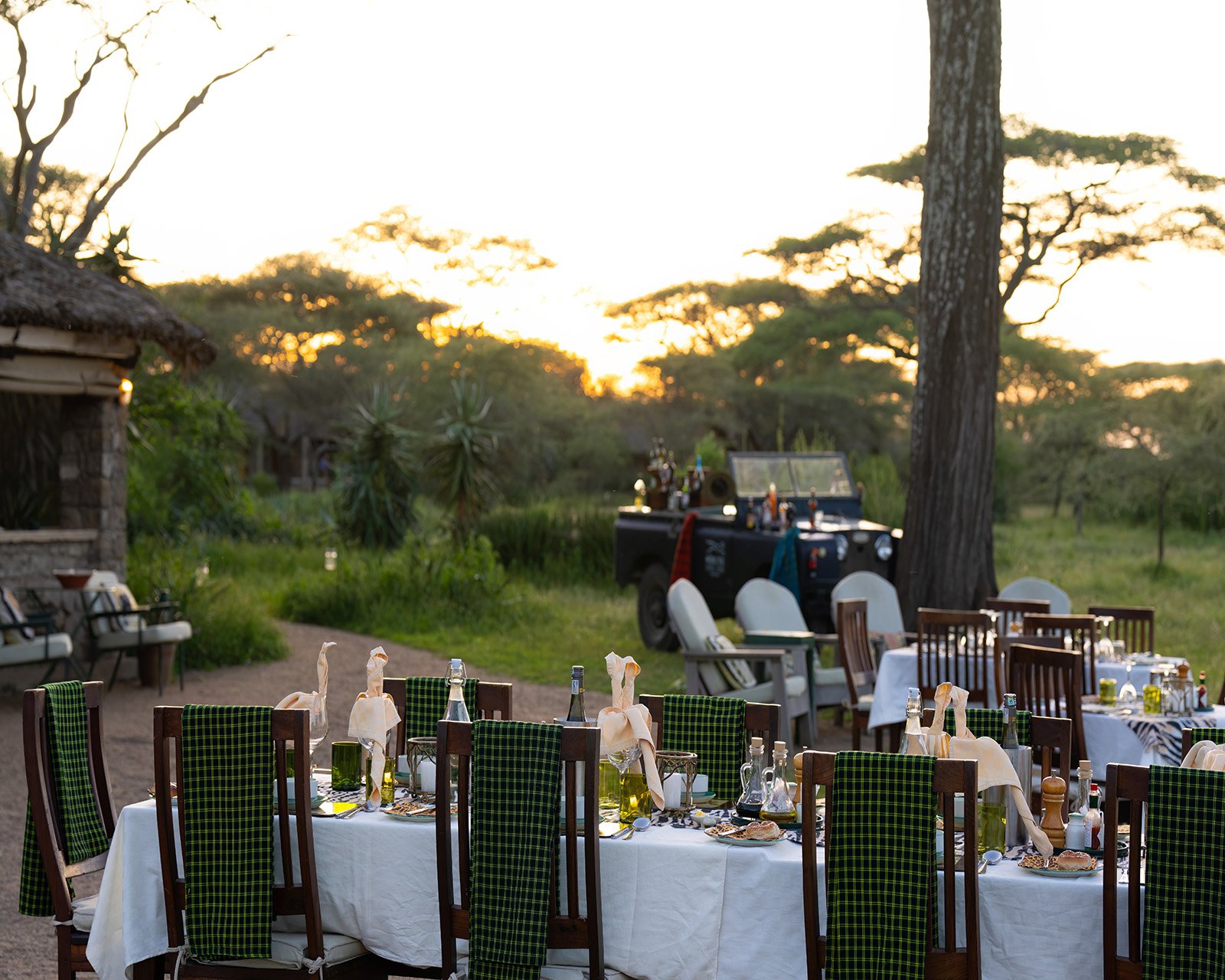
Accommodation inside the Ndutu section of the conservation area includes permanent properties and seasonal tented camps.
Examples commonly associated with the area include:
| Camp or lodge | Accommodation type | General location |
|---|---|---|
| Ndutu Safari Lodge | Permanent lodge | Near Lake Ndutu |
| Lake Masek Tented Lodge | Permanent tented lodge | Beside Lake Masek |
| Lemala Ndutu | Seasonal tented camp | Ndutu plains |
| Olakira Migration Camp | Seasonal migration camp | Ndutu during the southern season |
| Nyikani Migration Camp Ndutu | Seasonal migration camp | Near Lakes Ndutu and Masek |
| Other seasonal camps | Mobile or semi-mobile | Locations vary between seasons |
The exact position and operating dates of mobile camps must be checked every season. A camp with “migration” or “Ndutu” in its name may relocate to Northern Serengeti during another part of the year.
For a more detailed accommodation comparison, read our guide to the best camps and lodges in Ndutu for the calving season.
What Are the Benefits of Staying Near Lake Ndutu?
Lake Ndutu is surrounded by a mixture of woodland, marshy areas and open plains. This habitat variety supports resident wildlife even when the largest migration herds are spread farther away.
A camp near Lake Ndutu can provide practical access to:
- Short-grass plains used by migratory wildebeest
- Acacia woodland frequented by giraffes and elephants
- Cheetah habitat on the open plains
- Lion and hyena territories
- Lake Masek and the surrounding tracks
- Routes towards the Serengeti boundary
The principal benefit is flexibility rather than a guarantee that animals will be visible from camp. Your guide will still need to search for the strongest wildlife activity each day.
What Are the Benefits of Staying Near Lake Masek?
Lake Masek lies close to the boundary between the Ngorongoro Conservation Area and Serengeti National Park. This makes it useful for travellers who want access to both the central Ndutu area and the southeastern Serengeti plains.
Staying near Lake Masek can work particularly well when:
- The herds are spread between Ndutu and the Southern Serengeti
- Your itinerary continues to Central Serengeti
- You want a permanent tented lodge
- You are staying for at least 3 nights
- You want access to woodland, lakeshore and open plains
The wildlife is free to move across the administrative boundary. A camp’s strategic value therefore changes with current rainfall and herd distribution.
Are Camps Outside the Ngorongoro Conservation Area a Good Choice?
Yes—provided “outside” means a camp in the adjoining Southern Serengeti rather than a distant lodge near Karatu.
The boundary between the conservation area and Serengeti National Park is administrative. It does not stop the migration. Wildebeest, zebras and predators move between both protected areas according to natural conditions.
A Southern Serengeti camp can be a strong choice when:
- The herds are concentrated north of the Ndutu boundary
- You are continuing to Central Serengeti
- You want to avoid backtracking
- Your selected camp offers a quieter location
- You are combining different Serengeti habitats
- You want a permanent or luxury camp inside the national park
The critical question is not simply whether the camp is outside the Ngorongoro Conservation Area. It is how far the camp is from the wildlife zones you want to explore.
Southern Serengeti Camps Outside the Conservation Area
Camps in Southern Serengeti may be geographically close to Ndutu while falling under Serengeti National Park administration.
Examples can include properties in:
- Kusini
- The southeastern Serengeti plains
- Areas north of the Ndutu boundary
- Seasonal sites selected by mobile migration camps
Some migration camps shift their precise locations from year to year. Others operate in the Southern Serengeti for several months before moving north.
Examples associated with the wider southern region include:
- Sanctuary Kusini
- Ubuntu Migration Camp
- Selected seasonal migration camps
- Serengeti Under Canvas, depending on its seasonal position
Exact boundaries, camp positions and driving times must be confirmed for the intended travel dates.
When Is a Southern Serengeti Camp Better Than a Camp in Ndutu?
A Southern Serengeti camp may be the better choice in 4 circumstances.
1. You are continuing to Central Serengeti
Staying north of the conservation-area boundary can reduce backtracking when the next part of your itinerary is Seronera or another Central Serengeti location.
2. The herds have shifted north
If rainfall draws the herds into the southeastern Serengeti, a camp inside the national park may provide better daily access than one farther south near Lake Ndutu.
3. You want a quieter setting
Some Southern Serengeti and Kusini camps are positioned away from the busiest Lake Ndutu tracks. This can provide a quieter camp atmosphere, although popular wildlife sightings may still attract multiple vehicles.
4. You want a specific property
A traveller may prefer a particular camp because of its room design, family accommodation, service level or atmosphere. If its location works with the overall route, crossing the administrative boundary need not be a disadvantage.
Is Staying in Karatu a Good Alternative to Ndutu?
Karatu is an excellent base for Ngorongoro Crater, Lake Manyara National Park and the surrounding highlands. It is not an efficient base for repeated Ndutu game drives.
The drive between Karatu and the Ndutu area generally takes approximately 3–5 hours each way, depending on the lodge, road conditions, gate procedures and stops. Attempting this as a daily return journey would use a large part of the day.
When staying in Karatu makes sense
- The night before entering the Ngorongoro Conservation Area
- The night after leaving Ndutu
- Before or after a Ngorongoro Crater game drive
- When the itinerary contains only a transfer through Ndutu
- When the safari budget cannot support multiple nights inside a protected area
When it does not make sense
Karatu is not recommended when the traveller wants:
- 2 or more full days in Ndutu
- Early-morning calving-season game drives
- Predator or wildlife photography
- Flexible game-drive schedules
- A relaxed family safari
- The highest possible amount of time in the field
A less expensive lodge can become poor value if several hours are lost to commuting.
Does Staying Outside the Conservation Area Avoid Park Fees?
Not necessarily.
Where you sleep and where you go on safari are separate cost considerations.
If you stay inside the Ngorongoro Conservation Area
Your quotation may include:
- Ngorongoro Conservation Area entry fees
- Accommodation or concession-related fees
- Vehicle entry fees
- Government taxes
- Serengeti fees if your game-drive route also enters Serengeti National Park
If you stay inside Serengeti National Park
Your quotation may include:
- Serengeti National Park entry fees
- Concession or accommodation fees
- Vehicle fees
- Government taxes
- Ngorongoro Conservation Area fees if you enter the Ndutu side
If you stay near Karatu
You may save on the room rate or overnight concession fees, but you still pay the applicable fees when entering the protected area for a game drive.
If an itinerary crosses between Ngorongoro Conservation Area and Serengeti National Park, charges from both authorities may apply depending on the route, timing and duration. Fee schedules and charging rules can change.
[Current verification required: Confirm the latest NCAA and TANAPA entry, concession, vehicle and transit fees before publishing exact figures or preparing a quotation.]
Does the Boundary Affect Game Drives?
Yes. Although the landscape appears continuous, the Ngorongoro Conservation Area and Serengeti National Park are managed by different authorities.
The applicable rules may differ concerning:
- Permitted driving tracks
- Off-road driving
- Entry and exit times
- Night driving
- Vehicle conduct
- Special activities
- Access to sensitive wildlife areas
- Permits and fees
Travellers should not choose a camp based on the belief that off-road driving will always be permitted. Rules can change, and access may be restricted to protect wet ground, wildlife or sensitive habitats.
Your guide must follow the current rules applying to the specific section being visited.
Which Location Offers Better Calving-Season Wildlife?
Neither side of the boundary can guarantee better wildlife every day. The answer depends on rainfall and grazing.
General seasonal patterns are:
| Period | Typical planning consideration |
|---|---|
| December | Herds may be arriving across the Southern Serengeti |
| January | Herds can spread across the Ndutu and southern plains |
| February | Main calving period, with concentrations influenced by rainfall |
| March | Herds may remain in Ndutu or begin shifting west and north |
| April | Some seasonal camps close or relocate as the migration moves |
These are broad patterns, not fixed wildlife schedules.
Inside-NCA accommodation usually offers the most dependable base for a first safari focused specifically on Lake Ndutu, Lake Masek and the traditional calving grounds. Southern Serengeti camps become especially valuable when the herds move north or when the itinerary continues through Serengeti National Park.
How Do the Costs Compare?
The camp’s category often affects the final price more than which side of the boundary it occupies. A luxury camp outside the Ngorongoro Conservation Area may cost considerably more than a mid-range camp inside it.
| Option | Accommodation cost | Protected-area costs | Transport cost | Overall value |
|---|---|---|---|---|
| Camp inside Ndutu/NCA | Moderate to very high | NCA fees apply | Lower daily driving requirement | Usually best for an Ndutu-focused safari |
| Camp in Southern Serengeti | Moderate to very high | TANAPA fees apply | Efficient when continuing north | Strong for combined Serengeti itineraries |
| Lodge near Karatu | Low to high | Fees apply when entering NCA | Higher fuel and driving time | Useful for crater visits, not daily Ndutu safaris |
| Split stay between Ndutu and Central Serengeti | Moderate to very high | Multiple protected-area charges may apply | Efficient with a well-designed route | Best for longer, varied safaris |
An exact comparison requires specific travel dates, group size, room configuration, nationality or residency status and itinerary.
Which Location Is Better for Photographers?
Photographers should normally stay as close as possible to the expected wildlife area. Time, light and flexibility matter more than elaborate lodge facilities.
A camp inside the main Ndutu area is usually preferable when the objective is:
- Calving activity
- Predator interactions
- Cheetah photography
- Early-morning light
- Repeated visits to active wildlife areas
- Remaining at a sighting without worrying about a long return journey
A Southern Serengeti camp can be equally effective when wildlife reports show that the herds are concentrated farther north.
For serious photography, request:
- A private safari vehicle
- A guaranteed window position
- A guide familiar with photography
- Space for equipment
- Reliable battery-charging facilities
- Flexible breakfast or packed meals
- At least 4 nights in the wider Ndutu area
Which Option Is Better for Families?
Families generally benefit from staying inside the wildlife area because shorter daily transfers reduce fatigue.
Before selecting a camp, confirm:
- Minimum child age
- Family-tent or connecting-room availability
- Maximum room occupancy
- Extra-bed arrangements
- Flexible mealtimes
- Distance between rooms
- Charging facilities
- Child participation in game drives
- Nighttime escort procedures
- Whether the camp has an enclosed area
Most safari camps in Ndutu and Southern Serengeti are unfenced. Children must be supervised, and guests are normally escorted between their rooms and the main area after dark.
For families with young children, a permanent lodge or spacious permanent tented camp may be easier than a small mobile camp, but the final choice depends on the property’s actual facilities.
Should You Stay on Both Sides of the Boundary?
Usually, no. Moving from one Ndutu-area camp to another nearby property can consume time without significantly changing the safari experience.
A split stay becomes worthwhile when the second camp serves a genuinely different region.
A useful split stay
- 3–4 nights in Ndutu
- 2–3 nights in Central Serengeti
This combination provides access to the calving grounds as well as the resident wildlife, river systems, kopjes and woodland habitats of Central Serengeti.
A less useful split stay
- 2 nights near Lake Ndutu
- 1 night near Lake Masek
- 1 night just across the Serengeti boundary
Unless there is a clear wildlife or logistical reason, repeatedly changing camps adds packing and transfer time without providing enough time to explore each area.
How Many Nights Should You Spend in Ndutu?
| Length of stay | Suitability |
|---|---|
| 1 night | Too short for a migration-focused safari |
| 2 nights | Suitable only when total safari time is limited |
| 3 nights | Recommended minimum for most travellers |
| 4 nights | Strong choice for photographers and calving-focused safaris |
| 5 nights or more | Suitable for slower, specialist wildlife observation |
Three nights provide 2 full game-drive days. Four nights provide more flexibility if rain, road conditions or herd movements require the guide to explore different sections of the plains.
Best Routes Based on Camp Location
Ndutu and Ngorongoro Crater
A camp inside the Ngorongoro Conservation Area works well when the next destination is the crater or Karatu.
Suggested structure:
- Arusha or Moshi to Ndutu
- 3–4 nights in Ndutu
- Ndutu to the Ngorongoro area
- Ngorongoro Crater game drive
- Return to Arusha or continue elsewhere
Ndutu and Central Serengeti
A camp near Lake Masek, the Serengeti boundary or the Southern Serengeti can provide an efficient transition north.
Suggested structure:
- Arusha to Ndutu
- 3–4 nights in Ndutu
- Game drive from Ndutu to Central Serengeti
- 2–3 nights in Central Serengeti
- Fly to Arusha, Kilimanjaro or Zanzibar
Fly-in Ndutu safari
A seasonal flight may reduce the long road journey from Arusha, depending on flight schedules and airstrip operations.
Suggested structure:
- Fly from Arusha to an airstrip serving Ndutu
- Transfer to a well-located camp
- Spend 3–4 nights in Ndutu
- Fly onward or continue by road
Flight schedules, baggage allowances and the airstrip used must be confirmed for the specific date.
Common Mistakes When Choosing Between Inside and Outside
Assuming “outside NCA” means outside the wildlife area
A camp may be outside the Ngorongoro Conservation Area but inside Serengeti National Park, only a practical game-drive distance from Ndutu.
Choosing Karatu to save money
Karatu can reduce accommodation costs, but the long drive makes it unsuitable for repeated Ndutu game drives.
Comparing room rates without comparing fees
A quotation should show the total safari cost, not just the room price. Protected-area, vehicle, concession, transport and tax charges can change the result.
Ignoring the onward route
A camp should support the full itinerary. A Southern Serengeti camp can be efficient when travelling north, while an NCA camp may be better before visiting Ngorongoro Crater.
Believing the herds remain beside one camp
The migration responds to rainfall and fresh grass. No camp can guarantee that the herds will remain close throughout your stay.
Moving camps too frequently
Changing accommodation every night reduces time available for game drives and makes the safari tiring.
KiliPori Expert Recommendation
For a first calving-season safari, KiliPori Safaris generally recommends 3–4 nights inside the wider Ndutu wildlife area, preferably near Lake Ndutu or Lake Masek. This provides flexible access to different habitats and reduces unnecessary daily driving.
Choose a Southern Serengeti camp when it offers a clear logistical advantage—especially when your itinerary continues to Central Serengeti or current seasonal conditions place the herds farther north.
Do not use Karatu as a daily base for Ndutu unless budget limitations leave no practical alternative. Karatu is better used before or after the Ndutu portion of the safari.
Before confirming accommodation, KiliPori should verify:
- The camp’s exact coordinates
- Which protected area contains the camp
- Seasonal operating dates
- Current herd reports
- Driving time to Lake Ndutu and Lake Masek
- The next destination in the itinerary
- Applicable NCA and Serengeti fees
- Room configuration and child policy
- Airstrip transfer arrangements
Frequently Asked Questions
Is Ndutu inside the Ngorongoro Conservation Area?
Yes. Lake Ndutu and much of the area commonly described as Ndutu are inside the Ngorongoro Conservation Area, beside the Southern Serengeti boundary. The wider wildlife region extends across both protected areas.
Is the Southern Serengeti outside Ngorongoro?
Southern Serengeti camps inside Serengeti National Park are outside the Ngorongoro Conservation Area but remain within the same connected ecosystem. Some are still practical for calving-season game drives.
Is it better to stay in Ndutu or Kusini?
Stay in central Ndutu when your main interest is Lake Ndutu, Lake Masek and the traditional calving grounds. Consider Kusini when you want a quieter Southern Serengeti setting or when seasonal wildlife distribution and your onward route make it more practical.
Can I stay in Karatu and visit Ndutu for the day?
It is technically possible, but it is not recommended for repeated game drives. The journey can take approximately 3–5 hours each way, depending on conditions, leaving less time for wildlife viewing.
Will I pay fewer fees by staying outside the Ngorongoro Conservation Area?
Not automatically. If you enter the conservation area for game drives, its applicable fees still apply. A camp inside Serengeti National Park also attracts TANAPA and accommodation-related charges.
Can vehicles cross between Ndutu and Serengeti National Park?
Safari itineraries can connect the 2 areas using authorized routes and entry procedures. The guide must ensure that the necessary fees and permits are arranged.
Are the wildebeest more likely to be inside the NCA?
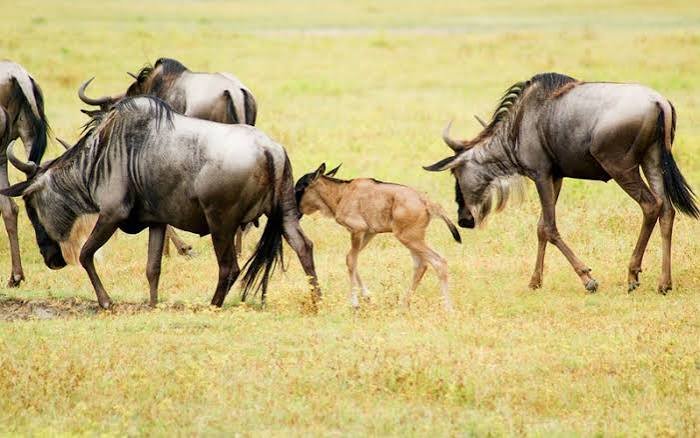
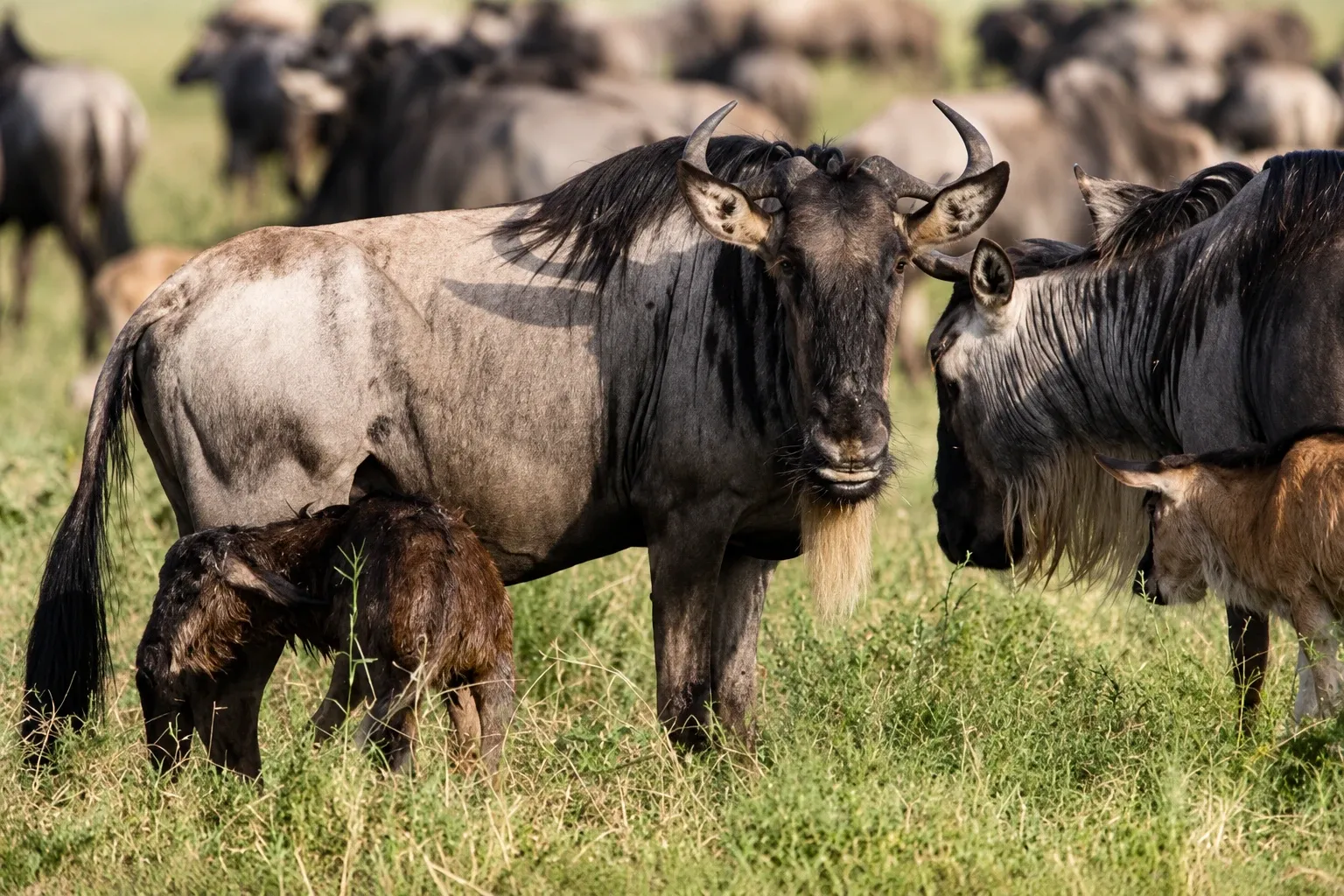
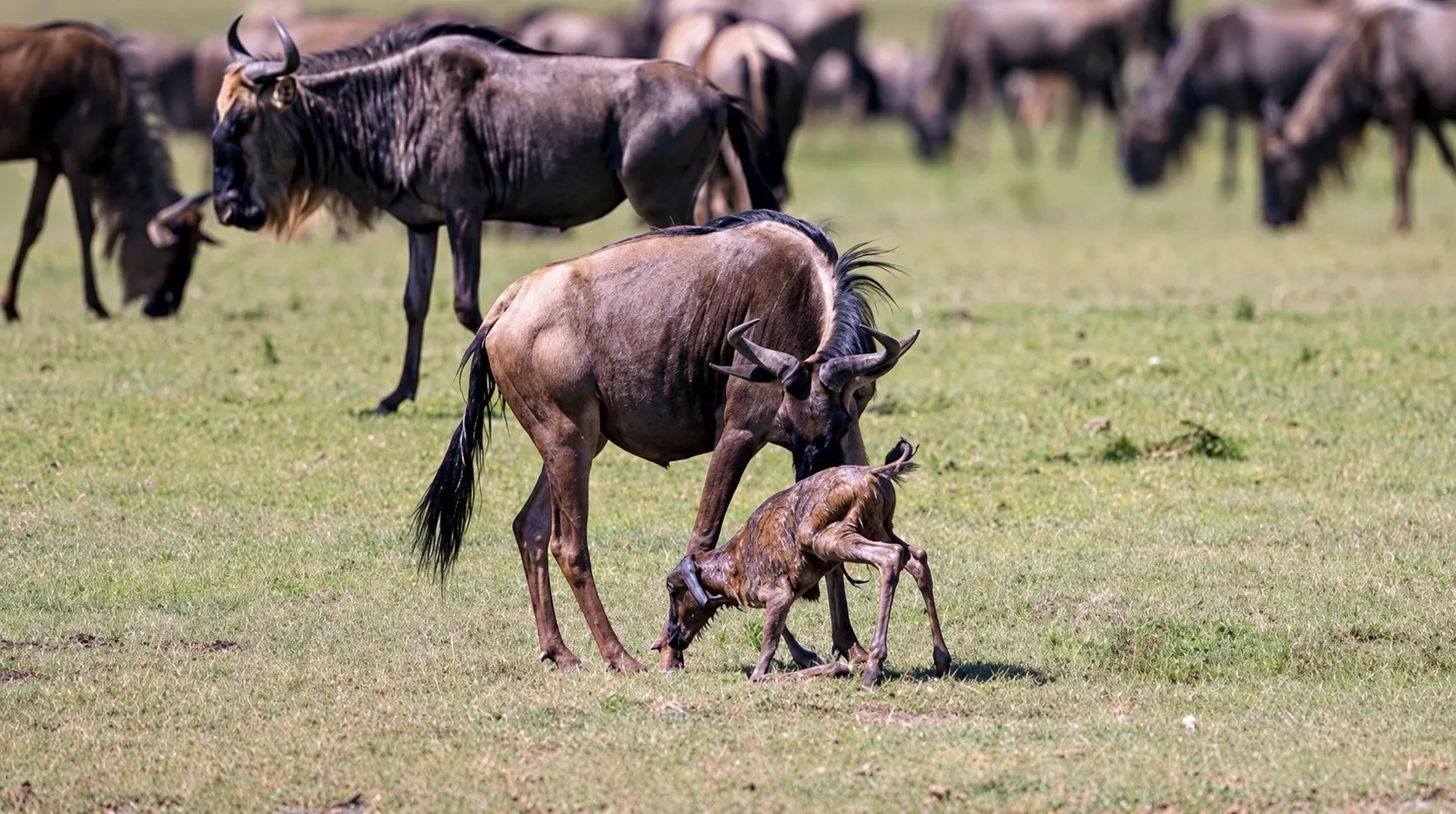
The Ndutu plains inside the conservation area are important calving grounds, but the herds move freely into the Southern Serengeti. Their exact location depends on rainfall, water and grazing.
Which side is better for cheetah sightings?
Both the Ndutu plains and southeastern Serengeti contain suitable cheetah habitat. Sightings cannot be guaranteed. Current conditions, guiding and time spent in the field matter more than the administrative boundary.
Is off-road driving allowed in Ndutu?
Access rules depend on the exact area and current regulations. Travellers should not assume that off-road driving is permitted everywhere. The guide must follow NCAA or TANAPA rules and any temporary restrictions.
How early should I book an Ndutu camp?
For January and February, booking 9–12 months ahead is advisable, particularly for family rooms, small seasonal camps and popular permanent lodges. Availability is not guaranteed until the reservation is confirmed.
Plan Your Trip With KiliPori Safaris
KiliPori Safaris can recommend a camp based on its actual location—not simply whether it is described as inside or outside the Ngorongoro Conservation Area.
Your private safari can combine Ndutu with Ngorongoro Crater, Central Serengeti, Tarangire National Park or a flight to Zanzibar. We will consider your dates, budget, group size, accommodation preferences and onward route before recommending the most practical camp.
Sources and Fact-Checking
- Ngorongoro Conservation Area Authority – Ndutu Plains
- Ngorongoro Conservation Area Authority – Lake Ndutu
- Tanzania National Parks Authority
- UNESCO – Serengeti National Park
- UNESCO – Ngorongoro Conservation Area
- Ndutu Safari Lodge location and fact sheet
- NCAA and TANAPA fee schedules, driving regulations, camp positions and airstrip operations should be reconfirmed for the traveller’s dates.

KiliPori Safaris Travel Team
A local Tanzania team helping travellers plan wildlife safaris, Kilimanjaro climbs and Zanzibar holidays with clear routing and direct destination support.
Published September 17, 2026. Travel conditions, fees and schedules can change; confirm time-sensitive details before departure.