Explore this guide
Our guides combine current planning research with practical knowledge from arranging safaris, Kilimanjaro climbs and Zanzibar holidays.
Rongai Route Guide: Difficulty, Risks and Who It Suits
The Rongai Route is Kilimanjaro's only major approach from the northern side, starting near the Kenyan border and descending through the Marangu side after the summit. It is generally considered a moderate trekking route, with a steady trail and no technical climbing or Barranco Wall section. However, the main challenge is still high altitude, particularly during the summit attempt at 5,895 metres.
Rongai suits climbers who prefer a quieter northern approach, a gradual trail, different scenery from the southern routes and a less technical trekking experience. It is also worth considering when you want to avoid some of the wetter conditions experienced on the southern and western slopes.
What Makes Rongai Route Different?
Rongai approaches Kilimanjaro from the north, near the Kenya border, rather than beginning from the southern or western side of the mountain.
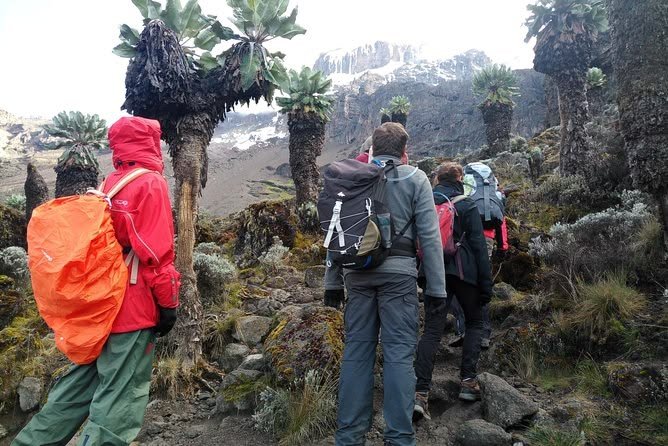
The landscape is noticeably different from Machame and Lemosho. The opening section passes through a relatively dry forest environment before continuing toward open moorland and the high-altitude landscape around Mawenzi and Kibo.
After reaching the upper mountain, the route approaches the summit from the Kibo side and normally descends toward Marangu Gate.
This means the Rongai climb gives you a different perspective of Kilimanjaro while also allowing you to ascend and descend on different sides of the mountain.
How Difficult Is the Rongai Route?
The Rongai Route is moderately difficult, mainly because of altitude rather than technical terrain.
The trail generally has a steady gradient and does not contain a technical climbing section requiring ropes or specialist mountaineering skills. It also avoids the Barranco Wall found on Machame and Lemosho.
The difficulty increases substantially as you move toward Kibo and the summit. The final ascent involves hiking for several hours in darkness and cold conditions before reaching Gilman's Point and continuing toward Uhuru Peak.
For this reason, a climber should not assume that Rongai is an "easy Kilimanjaro route." The lower sections may feel manageable, but the altitude and summit night make the complete climb physically demanding.
The Three Main Challenges on Rongai
Rongai's difficulty comes from three areas: altitude, the summit night and the length of the climb.
1. High Altitude
Altitude is the biggest concern on Rongai, as it is on every Kilimanjaro route.
The mountain rises from around 1,950 metres at the northern trailhead to 5,895 metres at Uhuru Peak. Your body needs time to adjust as you move higher.
Altitude-related symptoms can include headache, nausea, dizziness, fatigue and loss of appetite. Severe symptoms require immediate attention and may require descent.
TANAPA recommends gradual ascent, appropriate acclimatization and reporting symptoms promptly to your guide.
2. Summit Night
The summit attempt is the most physically demanding part of the Rongai climb.
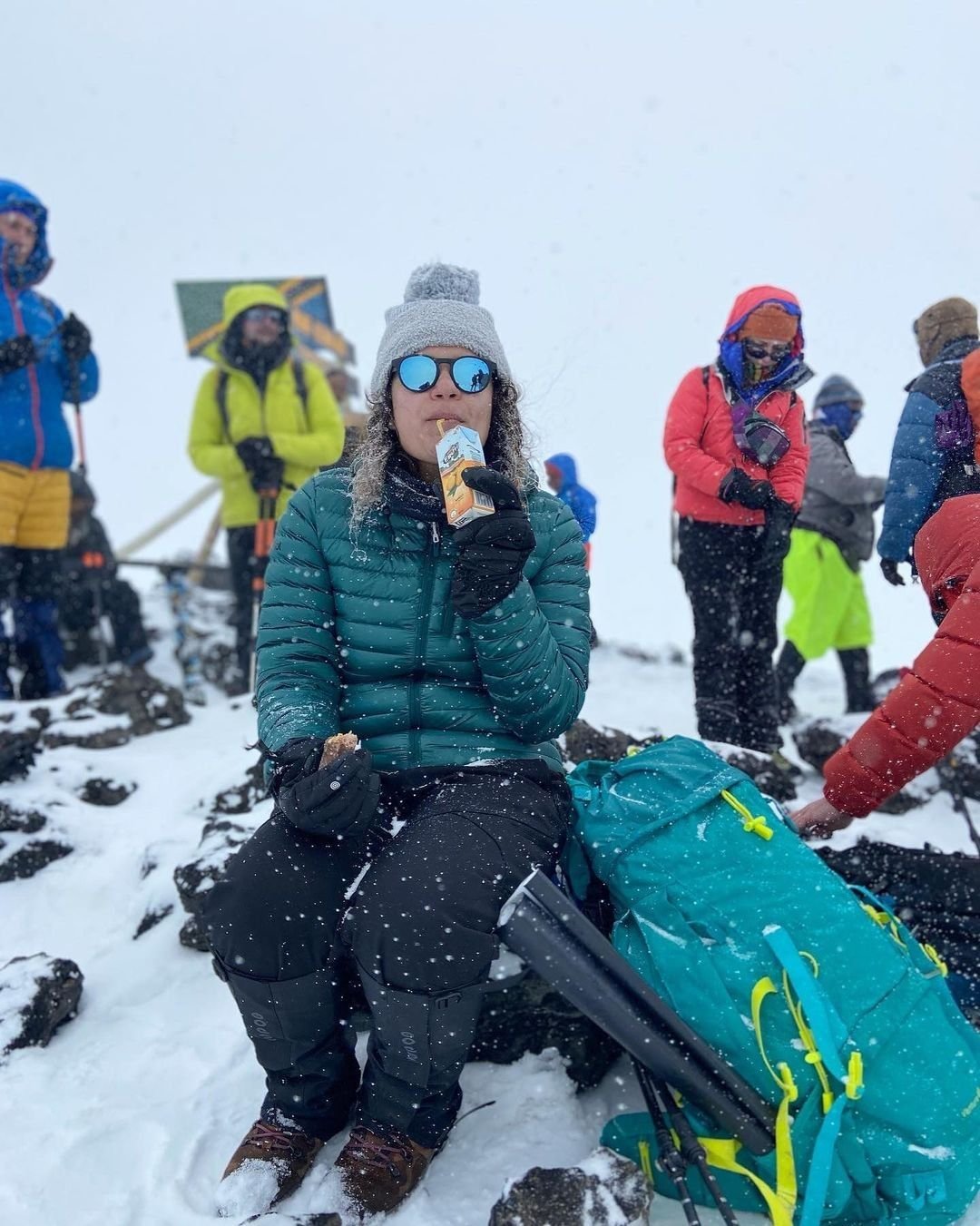
You normally leave the high camp during the night and ascend through cold, dark conditions toward the crater rim. The combination of altitude, low temperatures, steep sections and several hours of continuous hiking makes summit night challenging even when the earlier days have felt comfortable.
The final approach to Uhuru Peak is therefore where the difference between "moderate terrain" and "moderate-to-demanding mountain climb" becomes particularly important.
3. Accumulated Fatigue
Rongai is a multi-day high-altitude trek. Even though individual stages can be manageable, fatigue builds as you spend more days walking, sleeping at altitude and carrying your personal daypack.
A good itinerary therefore needs to balance walking distance with enough time for acclimatization and rest.
What Are the Main Risks on the Rongai Route?
The most important risks are altitude-related illness, cold weather, dehydration, fatigue, changing mountain weather and slips or falls on uneven terrain.
These risks are manageable with proper preparation and professional guiding, but they should not be ignored.
Altitude Sickness
Acute mountain sickness can occur regardless of age or fitness level. Being physically fit does not make someone immune to altitude problems.
Symptoms should be reported to your guide rather than hidden in an attempt to continue climbing.
Extreme Cold
Temperatures become significantly colder as you approach the summit.
You should have adequate thermal layers, gloves, a warm hat, a suitable sleeping bag and a properly insulated jacket for summit night.
Dehydration
Cold conditions can reduce the feeling of thirst even while your body continues to lose fluids.
Regular hydration is therefore important throughout the climb.
Fatigue
Long hiking days combined with altitude can lead to exhaustion.
Maintaining a steady pace and following the guide's instructions is more useful than trying to walk quickly during the early stages.
Weather Changes
Mountain weather can change quickly, particularly at higher elevations.
Rain, wind, clouds, cold temperatures and reduced visibility can affect the trekking experience. Proper waterproof and warm clothing is essential.
Slippery or Uneven Terrain
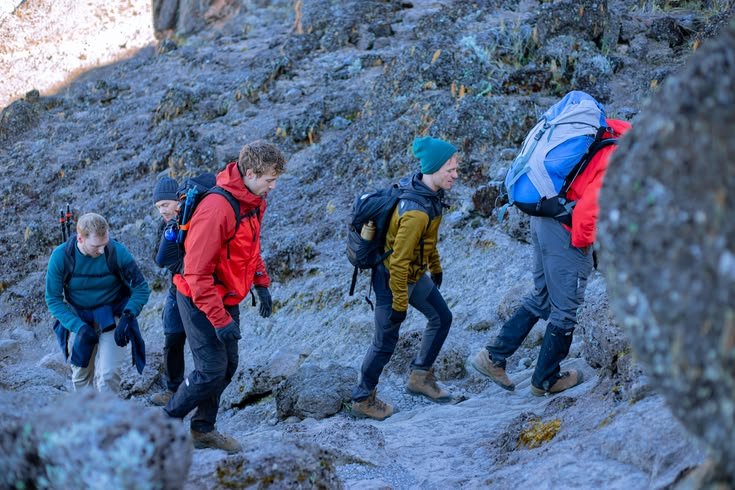
The route does not require technical climbing, but sections can still be rocky, uneven or slippery depending on weather conditions.
Good hiking boots and trekking poles can provide useful support.
Does Rongai Have Technical Climbing?
No. Rongai is a trekking route rather than a technical climbing route.
You do not need ropes, climbing harnesses or technical rock-climbing skills for the standard route.
This is one of the reasons Rongai can appeal to people who want to climb Kilimanjaro but would rather avoid more technical-feeling sections such as the Barranco Wall.
However, "non-technical" does not mean easy. The altitude and summit ascent remain serious physical challenges.
How Does Rongai Acclimatization Work?
Rongai has a relatively steady ascent, but its acclimatization profile is different from routes such as Machame and Lemosho.
Some Rongai itineraries include an additional acclimatization day around Mawenzi Tarn, while shorter itineraries compress the climb into fewer days. Current Rongai itineraries offered by operators commonly range from 6–7 days, with longer variations also available.
For climbers focused on acclimatization, the longer version gives the itinerary more time before the summit attempt.
TANAPA advises climbers to choose an itinerary that allows appropriate acclimatization and to ascend slowly.
What Does a Typical Rongai Itinerary Look Like?
Rongai itineraries vary between operators, so the exact camp sequence should always be checked before booking.
A common 7-day structure follows this general progression:
Nalemoru Gate → Simba Camp → Second Cave → Kikelewa → Mawenzi Tarn → Kibo → Uhuru Peak → Horombo → Marangu Gate
Some operators use an acclimatization day around Mawenzi Tarn, while others divide the stages differently. The exact number of days and camp names should therefore be confirmed in the final itinerary.
Who Is the Rongai Route Suitable For?
Rongai can suit a wide range of climbers, particularly those whose priorities match its terrain and northern setting.
First-Time Kilimanjaro Climbers
Rongai can work well for first-time climbers who want a steady trail without technical scrambling.
First-time climbers should still choose an itinerary with sufficient acclimatization time rather than assuming that the route's gradual terrain makes altitude unimportant.
Climbers Who Prefer Quieter Trails
The northern approach is generally quieter than some of Kilimanjaro's more heavily used southern approaches.
This can appeal to climbers who prefer a more peaceful trekking environment and a stronger sense of wilderness.
Climbers Who Prefer a Gradual Trail
Rongai has a relatively steady ascent compared with routes containing more pronounced steep sections.
This can suit hikers who prefer consistent walking rather than technical or heavily scrambling terrain.
Climbers Traveling During Wetter Periods
The northern side of Kilimanjaro is generally drier than the southern and western slopes because of the mountain's rainfall patterns.
This makes Rongai an option worth considering for climbers whose travel dates fall during wetter periods, although weather can never be guaranteed.
Climbers Who Want Different Kilimanjaro Scenery
Rongai is particularly suitable for people who want to experience Kilimanjaro from a different side.
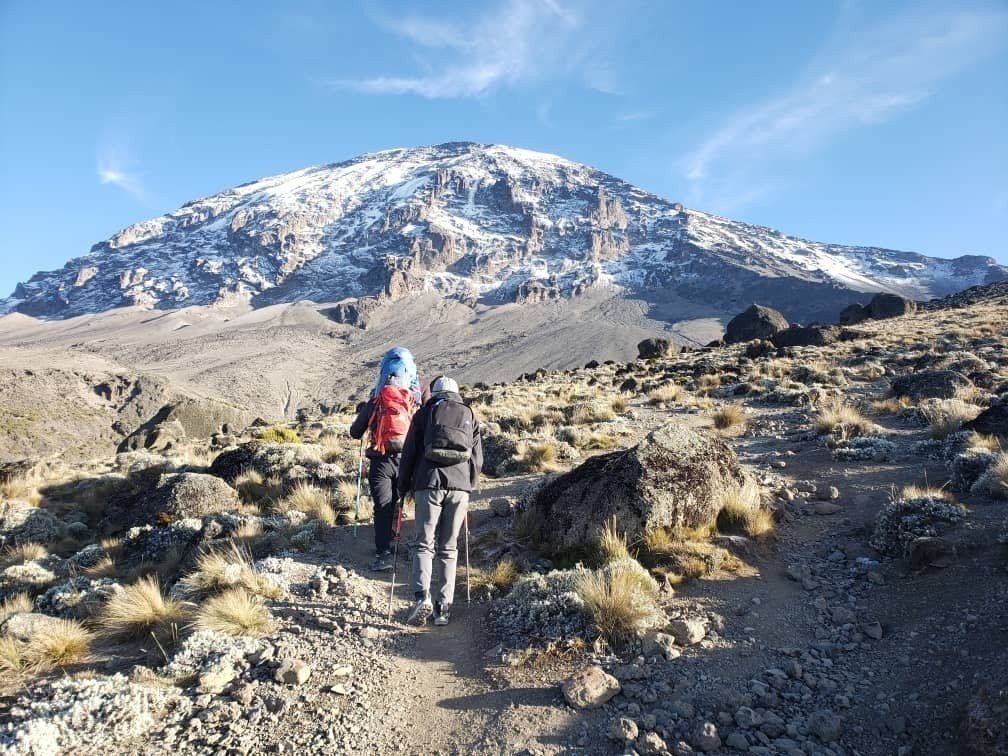
The northern approach provides different landscapes and perspectives from the southern routes, including views toward Kenya and the distinctive Mawenzi area.
Who May Prefer Another Route?
Rongai may not match your priorities if you specifically want certain features of other Kilimanjaro routes.
If You Want the Barranco Wall
Rongai does not include the Barranco Wall. Machame and Lemosho provide that southern-circuit experience.
If You Want the Shira Plateau
The standard Rongai approach does not cross the Shira Plateau in the way Lemosho and Machame do.
If You Want a Long Circumnavigation
The Northern Circuit provides a much broader traverse around Kilimanjaro.
If You Want Hut Accommodation
Rongai is primarily a camping route. Marangu is the route associated with permanent mountain huts. TANAPA confirms that Marangu uses Mandara, Horombo and Kibo huts, while other routes use designated tented camps.
Rongai Route vs Machame Route
Rongai and Machame provide noticeably different trekking experiences.
Rongai approaches from the north, generally has a steadier trail and avoids the Barranco Wall.
Machame approaches from the south, crosses the Shira Plateau and continues through Lava Tower and Barranco.
Choose between them based on the type of landscape, route profile and trekking experience you want rather than assuming one route is suitable for every climber.
Rongai Route vs Marangu Route
Both routes have northern/eastern characteristics in different sections and eventually connect through the mountain's eastern side, but their accommodation is different.
Rongai uses camping, while Marangu uses mountain huts.
Rongai also starts on the northern side near the Kenyan border and descends toward Marangu Gate, giving it a traverse-style experience.
Marangu uses the same general route for ascent and descent and is known for its hut accommodation.
How Should You Prepare for Rongai?
Preparation should focus on endurance, walking consistency and altitude awareness.
Before the climb, include regular long walks or hikes in your training. Gradually increase walking time and elevation where possible.
You should also practice walking with the daypack you will use on Kilimanjaro and test your hiking boots before departure.
Fitness is important, but preparation should not focus only on speed or strength. Kilimanjaro requires you to maintain a sustainable pace over several days.
What Should You Pack for Rongai?
Your packing list should prepare you for both relatively warm lower elevations and freezing summit conditions.
Important items include:
-
Layered trekking clothes
-
Waterproof jacket and trousers
-
Warm fleece
-
Thermal base layers
-
Insulated summit jacket
-
Hiking boots
-
Warm gloves
-
Hat and sun protection
-
Sleeping bag suitable for high altitude
-
Headlamp
-
Trekking poles
-
Water bottles or hydration system
-
Sunglasses
-
Sunscreen
-
Personal medication
-
Small daypack
Your operator should provide the complete equipment list before the climb.
How Much Does the Rongai Route Cost?
KiliPori Safaris' 2027 planning range for the Rongai Route is approximately US$1,890–2,800 per person, depending on the number of days, group size, climbing arrangement, season and services included.
| Rongai Route | KiliPori 2027 Planning Range |
|---|---|
| 6–7 Days | US$1,890–2,300 |
| Longer Private Itinerary | US$2,300–2,800 |
These are indicative planning ranges rather than fixed prices. The final cost depends on the exact itinerary and package arrangements.
Is Rongai a Good Route for Beginners?
Rongai can be suitable for beginners because the route does not require technical climbing skills and generally follows a steady trail.
However, beginners should not choose it simply because it is sometimes described as easier than other routes. The summit is still at 5,895 metres, and altitude remains the central challenge.
A first-time climber should prioritize adequate acclimatization, a manageable pace, professional guiding and proper preparation.
Is Rongai Safe?
Rongai can be climbed safely with a licensed professional operator, proper acclimatization, appropriate equipment and responsible mountain practices.
TANAPA requires Kilimanjaro climbs to be guided by licensed operators and advises visitors to stay on marked routes, ascend slowly, follow guide instructions and report altitude symptoms promptly.
Safety also depends on recognizing when a climber should stop ascending or descend because of altitude-related symptoms.
What Makes Rongai a Good Choice?
Rongai is particularly appealing when you want:
-
A northern approach to Kilimanjaro
-
A quieter trekking environment
-
A steady trail profile
-
No Barranco Wall
-
No technical climbing
-
Different views of Kilimanjaro
-
A generally drier northern side
-
A camping-based mountain experience
-
A route that descends through the Marangu side
KiliPori Safaris' Approach to Rongai
At KiliPori Safaris, we plan Rongai climbs around the climber rather than treating every itinerary as identical.
We consider your available time, hiking experience, preferred pace and acclimatization needs before selecting the number of days and route structure.
Our professional mountain team guides you throughout the climb, monitors your progress and provides practical advice on pacing, hydration, rest and altitude awareness.
We can also combine your Rongai climb with a Tanzania safari, Mount Kilimanjaro experience or Zanzibar holiday.
WhatsApp KiliPori Safaris: +255 755 287 311
Rongai Route FAQs
How difficult is the Rongai Route?
Rongai is generally a moderate Kilimanjaro route. The trail itself is relatively steady and non-technical, while altitude and the summit night provide the main challenges.
Is Rongai suitable for beginners?
Yes. Beginners can climb Rongai with proper preparation, professional guiding and an itinerary that allows adequate acclimatization.
Does Rongai have the Barranco Wall?
No. The standard Rongai Route does not include the Barranco Wall.
Does Rongai require technical climbing skills?
No. The standard route is a trekking route and does not require technical climbing equipment or skills.
What is the biggest risk on Rongai?
Altitude is the main risk. Cold weather, fatigue, dehydration and changing mountain conditions are additional considerations.
Is Rongai easier than Machame?
Rongai generally has a steadier and less technical trail profile than Machame, but both are high-altitude climbs and the summit remains demanding.
Is Rongai good during the rainy season?
The northern side of Kilimanjaro is generally drier than the southern and western slopes, making Rongai an option worth considering during wetter periods. However, mountain weather remains variable.
How many days do you need for Rongai?
Rongai is commonly offered as a 6- or 7-day climb, although longer itineraries are also available. The exact schedule varies between operators.
How much does Rongai Route cost in 2027?
KiliPori Safaris' indicative 2027 planning range is approximately US$1,890–2,800 per person, depending on the itinerary and package arrangements.
Does Rongai use huts?
No. Rongai is primarily a camping route. Marangu is the Kilimanjaro route that uses permanent mountain huts.
Can Rongai be combined with a Tanzania safari?
Yes. Rongai can be followed by a safari to destinations such as Serengeti, Ngorongoro or Tarangire.
Can Rongai be combined with Zanzibar?
Yes. After completing the climb, you can continue to Zanzibar for a beach holiday and Indian Ocean activities.

KiliPori Safaris Travel Team
A local Tanzania team helping travellers plan wildlife safaris, Kilimanjaro climbs and Zanzibar holidays with clear routing and direct destination support.
Published October 2, 2026 · Last updated October 31, 2026. Travel conditions, fees and schedules can change; confirm time-sensitive details before departure.