Explore this guide
Our guides combine current planning research with practical knowledge from arranging safaris, Kilimanjaro climbs and Zanzibar holidays.
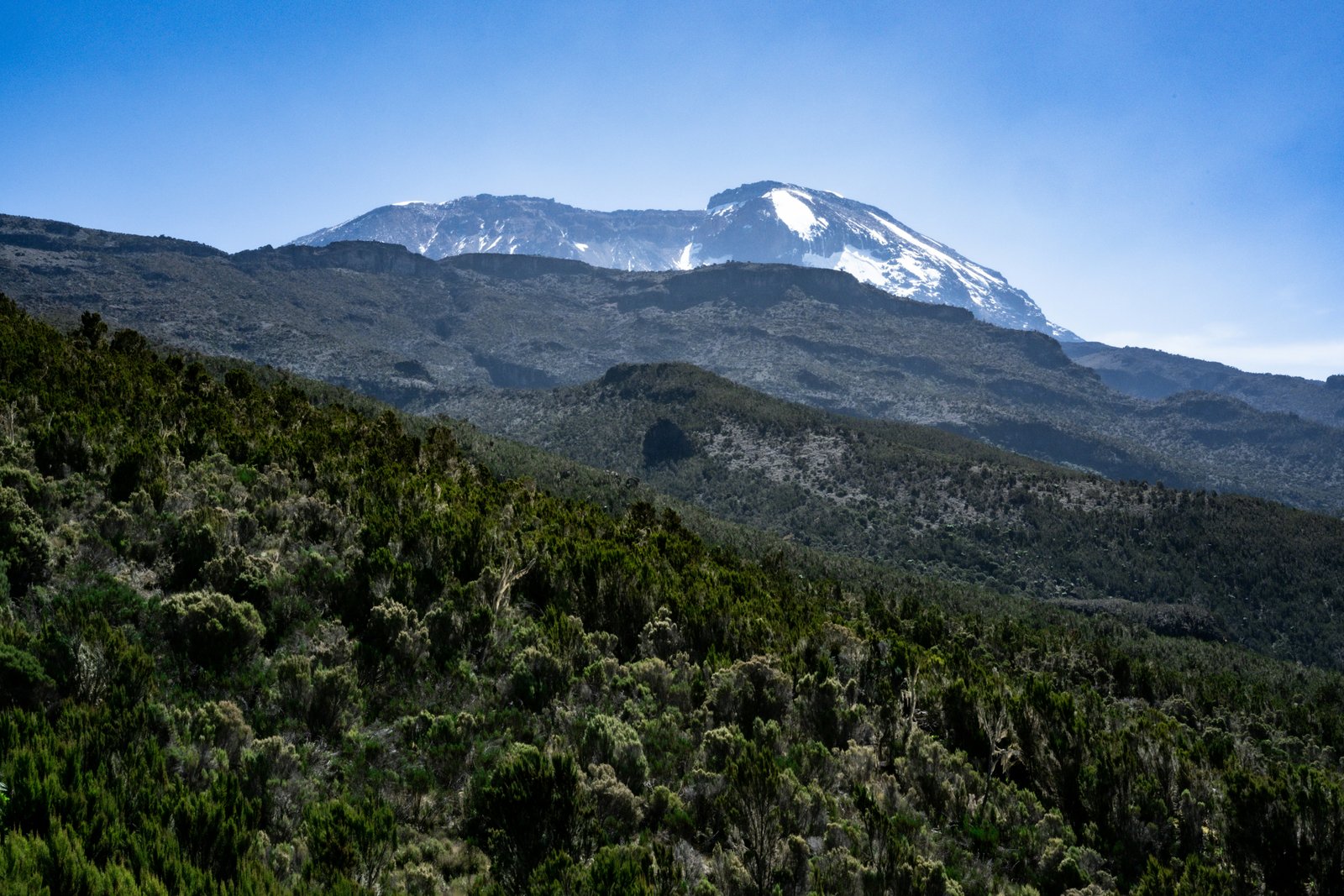
The Umbwe Route is one of the steepest and most demanding routes on Mount Kilimanjaro, making it more suitable for fit and experienced trekkers than for first-time hikers looking for a gradual ascent. The route approaches Kilimanjaro from the south through a steep forested ridge before joining the Southern Circuit toward Barranco, Karanga, Barafu and Uhuru Peak at 5,895 metres.
The main challenge is not technical climbing but the combination of steep terrain, rapid altitude gain, physical fatigue and limited time for acclimatization on shorter itineraries. KiliPori Safaris offers Umbwe climbs with a 2027 planning range of approximately US$2,300-3,000 per person, depending on the number of days, group size, accommodation arrangements and inclusions.
What Makes the Umbwe Route Different?
Umbwe stands apart because of its direct and steep approach toward the mountain's Southern Circuit. Instead of taking a long, gradual approach across the western or northern sides of Kilimanjaro, the route climbs quickly through forest and higher mountain terrain before reaching Barranco.
The route is also less commonly used than routes such as Machame and Marangu, giving it a more rugged trekking character. After reaching Barranco, the route follows the Southern Circuit toward the summit area before descending through Mweka.
The steep approach and relatively rapid elevation gain are the main reasons Umbwe is considered a demanding route. Current route information also emphasizes that the shorter Umbwe itineraries provide less time for acclimatization.
How Difficult Is the Umbwe Route?
The Umbwe Route is difficult to very difficult, particularly during the first stages of the climb. The trail is steep, and trekkers gain elevation relatively quickly compared with routes designed around a more gradual approach.
There are three different aspects to the difficulty:
-
Steep hiking: The initial Umbwe section involves sustained uphill walking.
-
Altitude: The trail reaches high elevations quickly, increasing the importance of acclimatization.
-
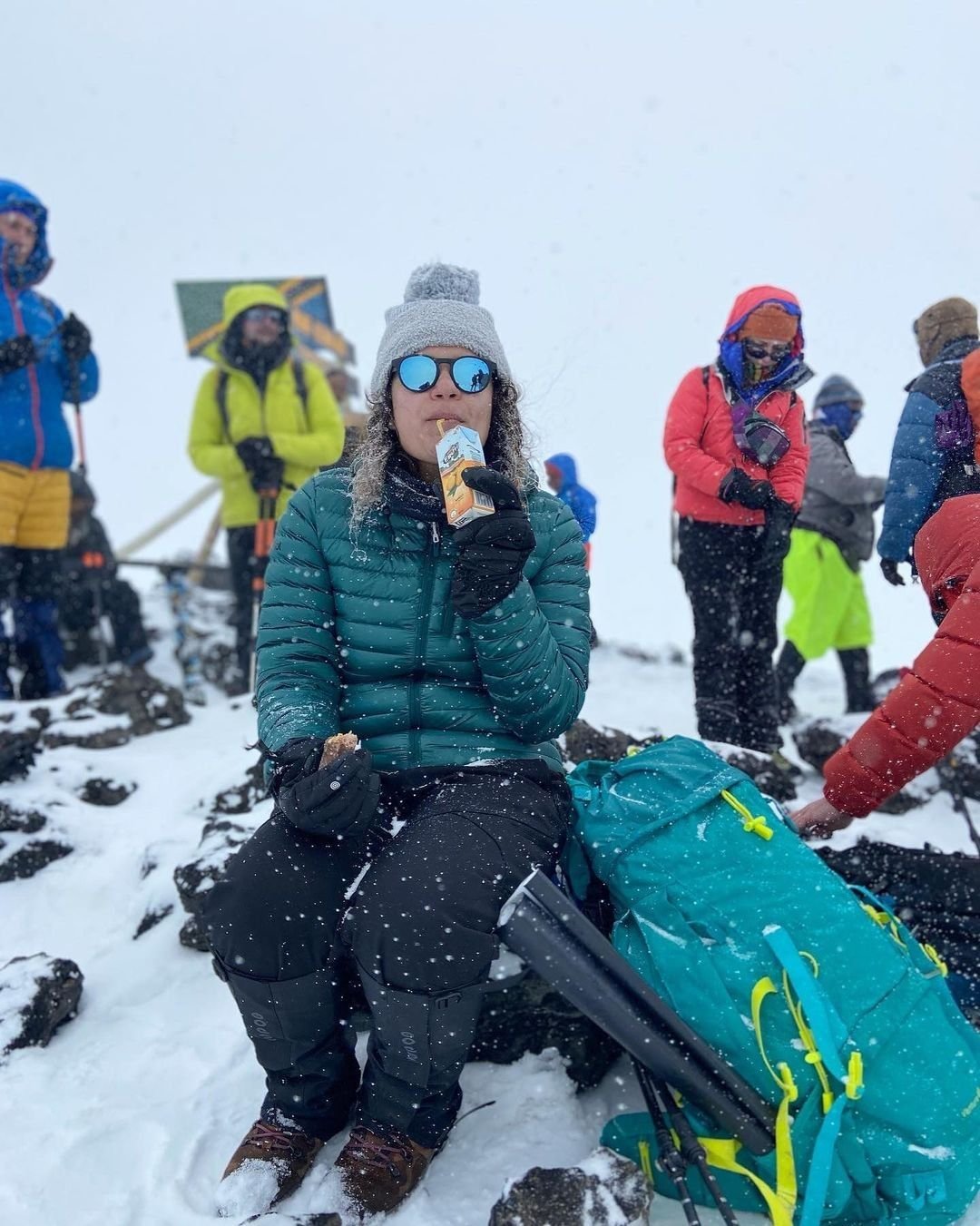
Summit fatigue: The final ascent to Uhuru Peak is physically demanding regardless of the route used.
The route does not require technical mountaineering skills, but trekkers need good physical preparation, endurance and the ability to handle long days at altitude.
Where Does the Umbwe Route Start?
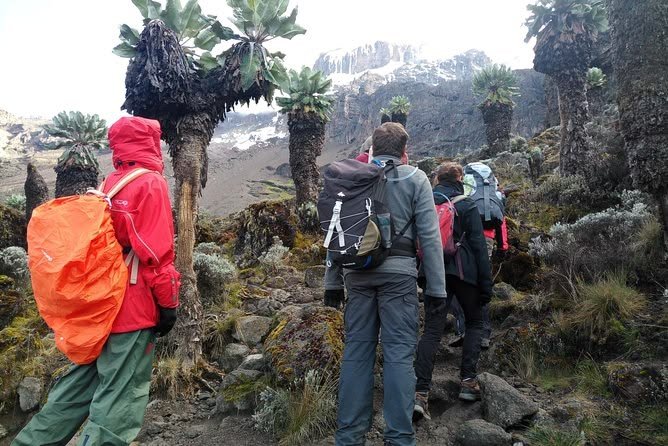
The Umbwe Route starts at Umbwe Gate on the southern side of Mount Kilimanjaro. From the gate, the trail enters montane forest and follows a steep ridge toward higher elevations.
Once the route reaches the Barranco area, it connects with the Southern Circuit used by several other Kilimanjaro routes. From there, climbers continue toward Karanga and Barafu before making the summit attempt.
Kilimanjaro National Park requires mountain climbs to be undertaken with a licensed operator and emphasizes gradual ascent, acclimatization, hydration and prompt reporting of altitude symptoms.
The Main Risks on the Umbwe Route
The biggest risks on Umbwe are associated with altitude, rapid elevation gain, steep terrain, fatigue and changing mountain weather.
Altitude Sickness
Altitude is one of the most important considerations on Umbwe. Because the route gains elevation relatively quickly, the body may have less time to adapt, particularly on shorter itineraries.
Symptoms such as headache, nausea, dizziness, unusual tiredness or difficulty sleeping should be reported to your guide immediately. Severe altitude symptoms require appropriate medical assessment and may require descending.
TANAPA specifically advises climbers to choose itineraries with acclimatization days, ascend slowly, stay hydrated and report symptoms promptly.
Steep and Uneven Terrain
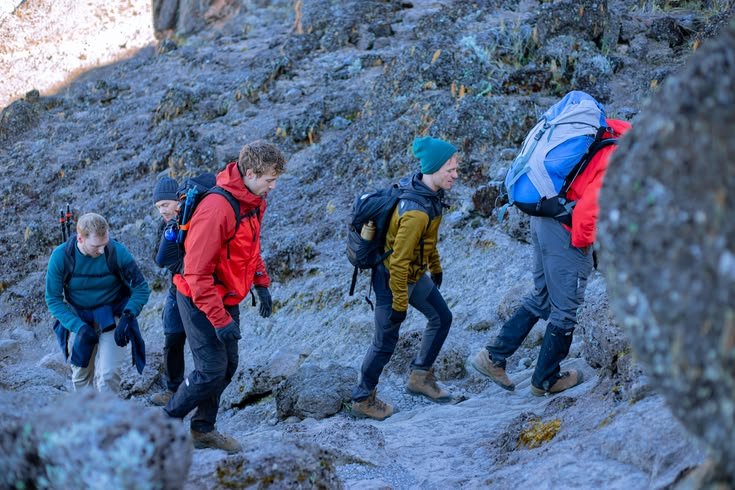
The early Umbwe trail can be physically demanding because of its steep gradient and uneven mountain terrain.
Good footwear, trekking poles and controlled pacing are particularly useful. The goal is not to climb quickly but to maintain a sustainable rhythm throughout the day.
Fatigue
The combination of steep hiking and increasing altitude can cause significant physical fatigue.
A climber who starts too aggressively may use too much energy during the lower sections and struggle later in the trek. A professional guide can help control the pace and monitor the group.
Cold and Changing Weather
Conditions on Kilimanjaro change significantly with altitude. Rain, wind, cold temperatures and poor visibility can occur during the climb.
Proper rain protection, warm layers, gloves, a hat and suitable sleeping equipment are essential.
Is the Umbwe Route Technically Difficult?
Umbwe is physically demanding rather than a technical climbing route.
You do not normally need ropes, climbing equipment or previous rock-climbing experience to complete the standard trekking route. However, some sections can involve scrambling or using your hands for balance, particularly on steeper terrain.
This means that being comfortable on steep and uneven trails is more important than having technical mountaineering experience.
What Does a Typical Umbwe Itinerary Look Like?
Umbwe itineraries vary between operators, especially in the number of days allocated for acclimatization.
A common 7-day Umbwe itinerary follows this general progression:
Day 1: Umbwe Gate → Umbwe Camp
Day 2: Umbwe Camp → Barranco Camp
Day 3: Barranco acclimatization or additional hiking
Day 4: Barranco → Karanga Camp
Day 5: Karanga → Barafu Camp
Day 6: Barafu → Uhuru Peak → Mweka Camp
Day 7: Mweka Camp → Mweka Gate
Some operators run shorter versions, while longer private itineraries can add additional acclimatization time. For example, a 7-day version can include an additional acclimatization day around Barranco.
At KiliPori Safaris, the itinerary can be adjusted according to the climber's experience, physical condition and preferred pace.
Why Acclimatization Matters More on Umbwe
Acclimatization is particularly important on Umbwe because the initial approach is relatively direct.
The extra days available on a longer itinerary can provide more time for the body to adjust before the summit attempt. This is one reason the number of climbing days should be considered carefully rather than choosing an itinerary based only on price.
A longer climb does not remove the risk of altitude sickness, but allowing more time for gradual ascent can give the body more opportunity to adapt. TANAPA notes that climbing over more days increases the possibility of reaching the summit successfully and recommends acclimatization planning.
Who Does the Umbwe Route Suit?
The Umbwe Route can suit climbers who:
-
Have good physical fitness and hiking endurance
-
Are comfortable with steep mountain trails
-
Have previous trekking or high-altitude experience
-
Prefer a quieter and more rugged route
-
Want a direct southern approach to the mountain
-
Are comfortable camping throughout the trek
-
Understand the importance of gradual pacing and acclimatization
It can also suit experienced hikers who specifically want a more demanding Kilimanjaro experience rather than the more gradual profile of some other routes.
Who Should Consider Another Route?
Umbwe may not be the most appropriate choice for someone whose priority is a gradual introduction to high-altitude trekking.
A different route may be more appropriate if you:
-
Are completely new to mountain trekking
-
Prefer a slower elevation gain
-
Want more structured acclimatization
-
Have limited experience with steep trails
-
Prefer hut accommodation
-
Want a longer approach designed around gradual altitude adaptation
Marangu provides hut accommodation, while routes such as Machame and Lemosho offer different approaches and pacing options. Choosing between them should depend on your experience, available time and preferred trekking style.
Umbwe vs Machame
Umbwe and Machame both approach Kilimanjaro from the southern side and eventually connect with the Southern Circuit.
The main difference is the character of the initial approach. Umbwe is steeper and more direct, while Machame provides a more established progression through several mountain zones before continuing toward Barranco.
For a climber specifically looking for a demanding and direct route, Umbwe provides that experience. Machame may be more suitable for someone who wants a longer and more gradual trekking progression.
Umbwe vs Lemosho
Lemosho begins from the western side of Kilimanjaro and generally provides a longer approach before reaching the Southern Circuit.
Umbwe reaches the southern mountain terrain much more directly, while Lemosho offers a longer western approach through areas such as the Shira Plateau.
For climbers prioritizing a gradual approach and more time on the mountain, Lemosho provides longer itinerary options. For those specifically interested in a steep and direct southern approach, Umbwe offers a very different experience.
How Much Does the Umbwe Route Cost in 2027?
The KiliPori Safaris 2027 planning range for the Umbwe Route is approximately US$2,300-3,000 per person.
| Umbwe Climb | Indicative 2027 Cost |
|---|---|
| Shorter private itinerary | US$2,300-2,600 |
| Standard 6-7 day climb | US$2,400-2,800 |
| Longer private itinerary | US$2,700-3,000 |
The final price depends on the number of days, group size, accommodation before and after the climb, transport, park charges, crew arrangements and services included in the package.
A very low advertised price should be checked carefully to confirm whether park fees, transfers, meals, crew costs and other essential services are actually included.
What Is Included in an Umbwe Climb?
A KiliPori Safaris Umbwe package can include the main services required for the mountain trek, depending on the selected package.
Typical inclusions may include:
-
Mountain park and applicable climbing fees
-
Professional mountain guide
-
Porters
-
Mountain accommodation in tents
-
Meals during the climb
-
Camping equipment
-
Drinking water
-
Transfers to and from the mountain gate
-
Pre- and post-climb coordination
The exact inclusions and exclusions are confirmed in your quotation before booking.
What Should You Pack for Umbwe?
Because Umbwe involves steep hiking and high-altitude conditions, packing should prioritize warmth, rain protection, comfortable trekking equipment and weight management.
Important items include:
-
Waterproof hiking boots
-
Trekking poles
-
Moisture-wicking base layers
-
Warm fleece or insulating layer
-
Waterproof jacket and trousers
-
Warm hat and gloves
-
Sleeping bag suitable for mountain temperatures
-
Headlamp with spare batteries
-
Sunglasses
-
Sunscreen
-
Water bottles or hydration system
-
Personal medication
-
Small daypack
-
Duffel bag for porter transport
TANAPA also advises climbers to carry proper cold-weather and rain gear, a headlamp and personal medication.
How Should You Prepare for Umbwe?
Preparation should focus on endurance, uphill walking and carrying a daypack for several hours.
Before the climb, include activities such as:
-
Long-distance walking
-
Hiking on hills or mountains
-
Stair climbing
-
Uphill cardio
-
Strength training for the legs and core
-
Regular walks with trekking shoes
Training should also help you become comfortable walking continuously for several hours. The objective is to arrive on the mountain with enough endurance to maintain a controlled pace rather than relying on short bursts of speed.
Is Umbwe Suitable for Beginners?
Umbwe can be completed by a physically capable beginner, but it is not generally the route we would select for someone with no hiking experience who wants the easiest introduction to Kilimanjaro.
The combination of steep terrain and faster altitude gain makes route selection particularly important for inexperienced climbers.
For a first Kilimanjaro climb, we normally assess fitness, previous hiking experience, available days and altitude experience before recommending a route.
What Is the Hardest Part of the Umbwe Route?
The early steep ascent and the high-altitude summit section are among the most demanding parts of the climb.
The first stages require sustained uphill effort, while summit day combines cold, darkness, high altitude and several hours of continuous climbing.
The physical challenge changes as the climb progresses: the lower mountain tests your legs and endurance, while the upper mountain increasingly tests your ability to manage altitude, cold and fatigue.
Why Choose the Umbwe Route?
Umbwe is worth considering if your priority is a steep, direct and less conventional Kilimanjaro approach.
Its main attractions include:
-
A dramatic southern approach
-
Steep and challenging terrain
-
A quieter trekking experience
-
Fast access toward the Southern Circuit
-
Camping throughout the mountain trek
-
A strong sense of adventure
The route is not chosen simply because it is shorter. Its appeal comes from the character of the trek and the challenge of its direct approach.
KiliPori Safaris' Approach to the Umbwe Route
At KiliPori Safaris, we treat Umbwe as a demanding mountain itinerary rather than simply a short way to Uhuru Peak.
We pay particular attention to pacing, acclimatization, weather conditions, hydration and communication between the guide and climber. We also help travelers select the number of days according to their hiking experience and physical preparation.
For climbers who want a more gradual route, we can also compare Umbwe with Machame, Lemosho, Rongai, Marangu or the Northern Circuit before you make your decision.
Frequently Asked Questions About the Umbwe Route
Is the Umbwe Route the hardest Kilimanjaro route?
Umbwe is widely described as one of the most challenging Kilimanjaro routes because of its steep and direct approach and relatively rapid altitude gain.
How many days does the Umbwe Route take?
Umbwe can be completed on shorter itineraries, while 6- or 7-day versions are commonly offered. Longer private itineraries can add additional acclimatization time.
Does Umbwe have the Barranco Wall?
Yes. After the Umbwe approach reaches the Southern Circuit, the route continues through the Barranco area and onward toward the summit.
Is Umbwe suitable for first-time climbers?
It can suit a physically fit first-time climber, but its steep approach and faster altitude gain make it more demanding than routes designed around a more gradual ascent.
Does Umbwe require technical climbing?
No. The standard Umbwe trek does not require technical mountaineering equipment, although some sections are steep and can require careful foot placement and occasional use of hands for balance.
How much does Umbwe Route cost in 2027?
KiliPori Safaris' indicative 2027 planning range is approximately US$2,300–3,000 per person, depending on the itinerary and package arrangements.
Is Umbwe quieter than Machame?
Umbwe generally receives fewer climbers than the more established popular routes, although the number of hikers varies by season and date.
What is the main risk on Umbwe?
Altitude is one of the main concerns, particularly because of the route's relatively rapid elevation gain. Steep terrain, fatigue, cold and changing weather are additional considerations.
Can Umbwe be combined with a Tanzania safari?
Yes. A Kilimanjaro climb can be combined with a Tanzania safari in destinations such as Serengeti, Ngorongoro and Tarangire.
Can I combine Umbwe with Zanzibar?
Yes. After the mountain climb, you can continue to Zanzibar for a beach holiday, marine activities and cultural experiences.
Plan Your Umbwe Route Climb With KiliPori Safaris
The Umbwe Route is designed for climbers who want a steep, direct and demanding approach to Mount Kilimanjaro. Its physical challenge and rapid early elevation gain mean that preparation, pacing and acclimatization should be taken seriously.
KiliPori Safaris can organize your private Umbwe climb and help you select an itinerary that matches your experience, available time and preferred pace.
WhatsApp KiliPori Safaris: +255 755 287 311

KiliPori Safaris Travel Team
A local Tanzania team helping travellers plan wildlife safaris, Kilimanjaro climbs and Zanzibar holidays with clear routing and direct destination support.
Published October 2, 2026 · Last updated October 31, 2026. Travel conditions, fees and schedules can change; confirm time-sensitive details before departure.