Explore this guide
Our guides combine current planning research with practical knowledge from arranging safaris, Kilimanjaro climbs and Zanzibar holidays.
Choosing the best Tanzania safari package requires more than comparing prices. The right itinerary should match your travel dates, wildlife interests, available days, comfort level and departure location.
Some packages concentrate on the Serengeti and Ngorongoro Crater, while others explore quieter parks such as Nyerere, Ruaha and Mikumi. Understanding these differences will help you avoid paying for an itinerary that does not suit your expectations.
Tanzania Safari Packages: Quick Comparison
| Safari type | Recommended duration | Best for |
|---|---|---|
| Serengeti and Ngorongoro | 4–7 days | First-time visitors and big cats |
| Great Migration safari | 4–8 days | Seasonal wildlife movement |
| Tarangire, Ngorongoro and Serengeti | 5–8 days | Complete Northern Circuit |
| Nyerere and Mikumi | 4–7 days | Southern Tanzania and varied activities |
| Ruaha safari | 3–6 days | Remote wilderness |
| Fly-in safari | 2–5 days | Travellers with limited time |
| Family safari | 5–8 days | Parents travelling with children |
| Safari and Zanzibar | 8–14 days | Wildlife and beach holiday |
1. Decide What You Want to See
Start by identifying your main reason for visiting Tanzania. A package designed around the Great Migration may not be suitable for someone more interested in elephants, birdlife or quiet wilderness.
Choose:
- Serengeti for big cats and the Great Migration
- Ngorongoro Crater for concentrated wildlife viewing
- Tarangire for elephants and baobab landscapes
- Lake Manyara for forests, birdlife and Rift Valley scenery
- Nyerere for game drives and boat safaris
- Ruaha for remote landscapes and fewer vehicles
- Mikumi for a short safari from Dar es Salaam or Zanzibar
No park guarantees a particular sighting. Wildlife movements depend on rainfall, water, vegetation and natural behaviour.
2. Choose the Right Travel Month
The best Tanzania safari package changes with the season. An itinerary should place you in the right area for the wildlife you hope to see.
June to October
The dry season generally provides clear roads and easier wildlife viewing around permanent water sources. It is also the busiest and often most expensive period.
November and December
Short rains create greener landscapes and may bring fewer visitors. Rain usually occurs in intervals rather than continuously, but conditions vary.
January and February
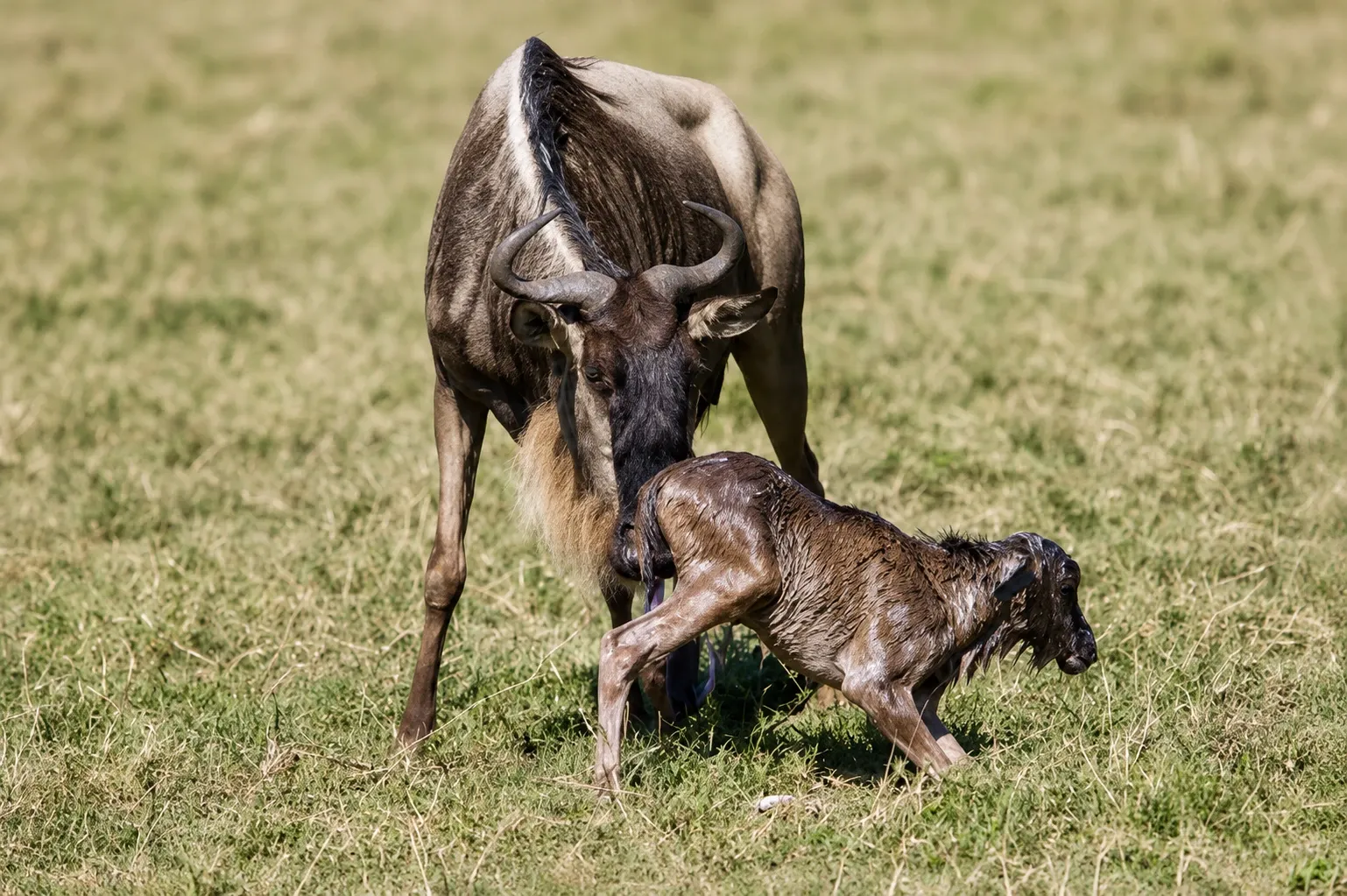
These months are suitable for warm-weather safaris. The southern Serengeti and Ndutu region become important during the wildebeest calving season.
March to May
The long-rain period offers green scenery and lower seasonal rates at some properties. Certain roads, camps and activities may be affected by heavy rain.
Choose the route according to your month rather than selecting an itinerary only because its title mentions the Great Migration.
3. Select the Correct Safari Duration
A rushed package may include famous parks without providing enough time to experience them.
| Available time | Suitable itinerary |
|---|---|
| 2–3 days | Mikumi, Nyerere, Tarangire or Ngorongoro |
| 4–5 days | Serengeti and Ngorongoro |
| 6–7 days | Tarangire, Serengeti and Ngorongoro |
| 8–10 days | Extended Northern or Southern Circuit |
| 11–14 days | Safari combined with Zanzibar |
A six-day safari does not automatically provide six full days of game viewing. Check how much time is assigned to airport transfers, long drives and arrival or departure days.
4. Check the Time Spent in Each Park
Some Tanzania safari packages list many destinations to appear more valuable. In practice, too many parks can mean long transfers and short game drives.
A balanced itinerary should:
- Avoid changing accommodation every night
- Provide enough time in large parks
- Account for realistic driving distances
- Include rest and meal stops
- Avoid unnecessary backtracking
- Match camp locations to the planned game drives
Two well-planned nights in Serengeti are usually more useful than arriving late and leaving early the following morning.
5. Compare Private and Group Safaris
A private safari gives your party its own vehicle and guide. It provides more control over departure times, wildlife sightings and rest stops.
A group safari shares the vehicle with other travellers. It may reduce costs, particularly for solo guests, but normally follows fixed dates and a set itinerary.
Choose a private safari for:
- Families with children
- Couples and honeymooners
- Wildlife photographers
- Friends travelling together
- Travellers seeking flexibility
Choose a group safari when affordability and meeting other travellers are more important than privacy.
Always confirm whether “private” applies to the game-drive vehicle, airport transfers and safari activities.
6. Understand Safari Accommodation Categories
Accommodation labels are not standardised across all operators. One company’s “luxury” camp may be another company’s upper mid-range property.
Budget
Usually includes public camping, basic rooms or simple permanent camps. Facilities may be shared in some camping arrangements.
Mid-range
Generally offers private bathrooms, comfortable beds, prepared meals and good locations without premium luxury services.
Luxury
May include spacious tents or suites, stronger service levels, premium locations, private decks and additional amenities.
High-end or exclusive
Often includes small camps, private concessions, fly-in access, highly personalised service and premium dining.
Request the exact lodge or camp names. Do not accept a quotation that provides only broad accommodation categories.
7. Check the Lodge Location
A cheaper lodge far outside the park can increase daily driving and reduce wildlife-viewing time. A camp inside or close to the park may cost more but provide earlier access to game-drive areas.
Before booking, ask:
- Is the property inside or outside the park?
- How long is the drive to the park gate?
- Are concession or wildlife-management fees included?
- Will the location create backtracking?
- Is it open during the selected month?
- Which airstrip serves the property?
Location is particularly important in Serengeti because the park covers a large area. A camp in central Serengeti cannot always provide convenient access to seasonal migration areas in the far north or south.
8. Compare Safari Vehicles
The safari vehicle affects comfort, photography and visibility. Most road safaris use customised 4×4 Land Cruisers with opening roofs.
Confirm that the package provides:
- A guaranteed window seat
- A functional opening roof
- Seat belts
- Charging points where available
- A refrigerator or cooler box
- Radio communication
- Emergency equipment
- Adequate luggage space
For a private safari, ask how many passengers will occupy the vehicle. A vehicle may technically carry seven people but feel crowded when everyone has cameras and day bags.
9. Review What the Price Includes
A Tanzania safari quotation should clearly separate included and excluded services.
The package commonly includes:
- Safari vehicle and professional guide
- Park entrance fees
- Accommodation
- Specified meals
- Drinking water during game drives
- Airport transfers listed in the itinerary
- Government taxes and stated conservation fees
Possible exclusions include:
- International flights
- Tanzania visa
- Travel insurance
- Tips
- Alcoholic drinks
- Laundry
- Balloon safari
- Optional cultural visits
- Domestic flights not specifically listed
Do not compare two prices until you confirm that both packages include the same services.
10. Examine the Day-by-Day Itinerary
The itinerary should explain what happens each day rather than using vague phrases such as “full safari experience.”
Look for:
- Starting and finishing location
- Approximate travel time
- Park or destination visited
- Planned activity
- Meal arrangement
- Accommodation name
- Important flight or transfer details
Be cautious when a package promises a full-day game drive on a day that also includes a long inter-park transfer.
11. Match the Package to Your Arrival City
Your international arrival point can change the most efficient safari route.
Arriving at Kilimanjaro or Arusha
Choose a Northern Circuit safari covering Tarangire, Ngorongoro and Serengeti.
Arriving in Dar es Salaam
Consider Mikumi, Nyerere or Ruaha. Northern parks remain accessible by domestic flight.
Starting in Zanzibar
A fly-in safari to Nyerere or Serengeti saves time. Mikumi may be reached through Dar es Salaam using air, ferry, train or road connections.
A poorly matched starting point can add unnecessary flights, hotel nights and transfers.
12. Consider Road Safari vs Fly-In Safari
Road safaris offer flexible stops and can reduce costs when several guests share the vehicle. They work well for connected Northern Circuit parks and trips from Dar es Salaam to Mikumi.
Fly-in safaris reduce transfer time and are particularly useful for:
- Short safaris from Zanzibar
- Remote camps in Serengeti
- Nyerere and Ruaha itineraries
- Luxury travellers
- Guests who prefer to avoid long drives
Light-aircraft flights may have strict baggage allowances. Confirm the limit before arriving with large suitcases.
13. Choose a Package Suitable for Your Group
Couples
Look for privacy, well-located camps and a balanced pace. A private safari is normally preferable for honeymoons and anniversaries.
Families
Confirm child policies, family rooms, age restrictions and suitable game-drive lengths. Avoid changing camps every night when travelling with young children.
Solo travellers
Compare the cost of a group departure with the single supplement charged for a private safari.
Photographers
Choose a private vehicle, limited passengers, good camp locations and enough time at each sighting.
Older travellers
Prioritise shorter transfers, accessible rooms and camps with fewer steps. Ask whether emergency medical evacuation coverage is required.
14. Evaluate the Safari Operator
A reliable operator should provide clear answers, written booking conditions and transparent payment instructions.
Check:
- Tanzanian business registration
- Tourism operating licence
- Physical contact information
- Recent and detailed reviews
- Vehicle ownership or operating arrangements
- Guide qualifications
- Emergency procedures
- Cancellation and refund terms
- Secure payment methods
- Responsiveness before booking
Do not select an operator only because it offers the lowest price. Extremely low rates may indicate missing fees, weak vehicle maintenance or unrealistic accommodation promises.
15. Read the Cancellation Terms
Before paying, understand:
- Required deposit
- Final payment deadline
- Cancellation charges
- Refund process
- Date-change conditions
- Treatment of domestic flights
- What happens if a park, camp or flight becomes unavailable
- Whether travel insurance is compulsory
Domestic flights and some seasonal camps may be non-refundable after confirmation.
Best Tanzania Safari Package by Travel Goal
| Travel goal | Recommended package |
|---|---|
| First Tanzania safari | Serengeti, Ngorongoro and Tarangire |
| Great Migration | Seasonal Serengeti itinerary |
| Short safari from Zanzibar | Nyerere or Serengeti fly-in |
| Short safari from Dar es Salaam | Mikumi or Nyerere |
| Family holiday | Private Northern Circuit safari |
| Honeymoon | Private fly-in safari and Zanzibar |
| Lower budget | Short private trip or scheduled group safari |
| Fewer crowds | Ruaha or Nyerere |
| Wildlife photography | Private Serengeti and Ngorongoro safari |
| Safari and beach | Northern Circuit followed by Zanzibar |
Common Package-Selection Mistakes
Avoid these frequent mistakes:
- Choosing only by price
- Visiting too many parks in too few days
- Ignoring transfer times
- Booking the wrong Serengeti region for the season
- Accepting unnamed accommodation
- Assuming every safari is private
- Failing to check vehicle capacity
- Overlooking park fees and domestic flights
- Booking flights too close to the safari finish time
- Travelling without suitable insurance
Final Checklist Before Booking
Confirm the following in writing:
- Exact travel dates
- Number and ages of travellers
- Private or shared vehicle
- Complete day-by-day route
- Lodge and camp names
- Room category and meal plan
- Included park and conservation fees
- Domestic flight details
- Baggage allowance
- Payment schedule
- Cancellation conditions
- Emergency contact information
Frequently Asked Questions
What is the best Tanzania safari package for first-time visitors?
A five-to-seven-day private safari covering Tarangire, Serengeti and Ngorongoro provides a balanced introduction to northern Tanzania’s wildlife and landscapes.
How many days are enough for a Tanzania safari?
Five to seven days are suitable for a multi-park Northern Circuit safari. Two or three days can work for a single park, while eight or more days allow a slower itinerary.
What is the best month for a Tanzania safari?
There is no single best month. June to October suits dry-season wildlife viewing, while January and February are important for calving in the Ndutu region. Green-season travel offers fewer visitors and lush scenery.
Is a private Tanzania safari expensive?
Private safaris cost more for solo travellers but become better value when vehicle expenses are shared by couples, families or friends. Accommodation level and itinerary length also influence the final price.
Should I choose Serengeti or Nyerere?
Choose Serengeti for the Great Migration and famous big-cat viewing. Choose Nyerere for a quieter Southern Circuit experience with game drives and boat safaris.
Are cheap Tanzania safari packages reliable?
Some affordable packages provide good value, but unusually low prices require careful checking. Confirm the accommodation, park fees, vehicle, meals, transfers and operator credentials before paying.
How far ahead should I book for 2026–2027?
Book early for July through October, the Serengeti calving season and Christmas holidays. Well-located camps, family rooms and domestic flights may sell out several months ahead.
Can I combine a Tanzania safari with Zanzibar?
Yes. A common itinerary combines five to eight safari days with three to seven nights in Zanzibar. Domestic flights connect Zanzibar with Arusha, Dar es Salaam and several safari airstrips.
Choose Your Tanzania Safari with Kilipori Safaris
Kilipori Safaris creates private Tanzania safari packages based on your travel month, available days, preferred parks and accommodation budget. Each itinerary can be adjusted for couples, families, solo travellers or groups of friends.
Share your travel dates, arrival airport, group size and preferred safari duration to receive a personalised 2026–2027 itinerary and detailed quotation.

KiliPori Safaris Travel Team
A local Tanzania team helping travellers plan wildlife safaris, Kilimanjaro climbs and Zanzibar holidays with clear routing and direct destination support.
Published July 25, 2026. Travel conditions, fees and schedules can change; confirm time-sensitive details before departure.