Explore this guide
Our guides combine current planning research with practical knowledge from arranging safaris, Kilimanjaro climbs and Zanzibar holidays.
Discover Tanzania Beyond Its Wildlife and Beaches
Tanzania’s identity has been shaped by early human history, African kingdoms, Indian Ocean trade, colonial rule, independence and the union of Tanganyika and Zanzibar.
Its heritage is not limited to ruins and museums. It remains visible in Kiswahili, local food, music, architecture, ceremonies, farming traditions and the daily lives of communities across the country.
KiliPori Safaris can combine wildlife viewing with historical sites and respectful cultural experiences, allowing travellers to understand Tanzania as a living society rather than only a safari destination.
Tanzania’s History at a Glance
| Historical Period | Main Significance |
|---|---|
| Early human history | Olduvai Gorge and Laetoli preserve important evidence of human evolution |
| Early African societies | Farming, ironworking, pastoralism and regional trade developed |
| Swahili city-states | Coastal settlements connected Africa with Arabia, Persia and Asia |
| Portuguese influence | Portugal controlled parts of the coast from the 16th century |
| Omani and Zanzibar period | Zanzibar became an important Indian Ocean commercial centre |
| German colonial rule | Mainland Tanzania formed part of German East Africa |
| British administration | Tanganyika came under British control after the First World War |
| Independence | Tanganyika became independent in 1961 |
| Zanzibar Revolution | The revolution transformed Zanzibar in January 1964 |
| Formation of Tanzania | Tanganyika and Zanzibar united in April 1964 |
The Cradle of Human History
Northern Tanzania contains some of the world’s most important archaeological landscapes.
Olduvai Gorge
Olduvai Gorge, located within the Ngorongoro Conservation Area, has produced fossils, stone tools and other evidence used to study early humans and their environments.
A visit can include:
- The Olduvai Gorge Museum
- Archaeological exhibits
- Views across the gorge
- Explanations from local specialists
- A stop between Serengeti and Ngorongoro
Olduvai is more than an optional roadside attraction. It provides context for understanding Tanzania’s place in the broader history of humanity.
Laetoli Footprints
Laetoli is associated with fossilised footprints made by early hominins approximately 3.6 million years ago. The footprints provide evidence of upright walking long before modern humans appeared.
Access arrangements can change, and the original footprints are protected for conservation. KiliPori Safaris should confirm what can be visited before adding Laetoli to an itinerary.
Kondoa Rock-Art Sites
The Kondoa region contains numerous rock shelters with paintings created over long periods. The images include people, animals, hunting scenes and subjects connected to social and spiritual life.
The Kondoa Rock-Art Sites are recognised by UNESCO and should be visited with an authorised local guide who can explain their cultural setting. UNESCO World Heritage Centre
The Growth of Swahili Coastal Civilisation
For centuries, the coast of present-day Tanzania participated in Indian Ocean trade. African communities exchanged gold, ivory and other goods through maritime networks connecting East Africa with Arabia, Persia, India and later Europe.
These relationships contributed to the growth of Swahili culture, expressed through language, architecture, religion, food and trading traditions.
Swahili civilisation was African in foundation while also absorbing influences carried through long-distance commerce and migration.
Kilwa Kisiwani and Songo Mnara
Kilwa Kisiwani became one of the most influential Swahili city-states on the East African coast. Its rulers controlled important commercial connections, and the settlement contained mosques, palaces, houses and trading facilities built partly from coral stone.
Nearby Songo Mnara preserves another planned Swahili settlement. Together, the ruins are recognised as a UNESCO World Heritage Site.
Why visit Kilwa?
- Explore coral-stone ruins
- Learn about Indian Ocean trade
- See historic mosques and palaces
- Experience a quieter part of coastal Tanzania
- Combine history with beaches or a southern safari
Reaching the islands requires local arrangements, boat transport and an authorised guide.
Zanzibar Stone Town
Stone Town reflects centuries of African, Arab, Indian and European interaction. Its narrow streets contain carved doors, mosques, churches, markets, merchant houses and public buildings.
The Stone Town of Zanzibar is a UNESCO World Heritage Site and remains a living urban community rather than an open-air museum.
Important places include:
- The Old Fort
- Former slave-market area
- Anglican Cathedral
- Darajani Market
- Forodhani Gardens
- Historic merchant houses
- Traditional Zanzibar doors
- The seafront
A responsible tour should address both Zanzibar’s commercial achievements and the painful history of slavery without turning human suffering into entertainment.
Bagamoyo: Caravans, Missions and Colonial History
Bagamoyo was an important coastal settlement connected to caravan routes leading into the interior. It later became associated with Christian missions, anti-slavery work and German colonial administration.
Visitors can explore:
- Historic buildings
- Mission sites
- Caravan history
- Local art
- Coastal life
- Nearby Kaole ruins
Bagamoyo combines well with Dar es Salaam or Saadani National Park.
German and British Colonial Rule
During the late 19th century, mainland Tanzania became part of German East Africa. Colonial control brought land seizures, forced labour, taxation and violent resistance.
The Maji Maji Rebellion of 1905–1907 became one of the largest organised challenges to German rule in the region.
After Germany’s defeat in the First World War, Britain administered the mainland as Tanganyika. Colonial-era infrastructure and administrative systems shaped later political and economic development, but they were created within unequal structures that primarily served colonial interests.
Independence and the Formation of Tanzania
Tanganyika became independent on 9 December 1961 under the leadership of Julius Nyerere and the Tanganyika African National Union.
Zanzibar experienced a revolution in January 1964. Tanganyika and Zanzibar united in April 1964, creating the political union that became the United Republic of Tanzania.
The country’s post-independence history was strongly shaped by Nyerere’s ideas of national unity, Kiswahili, African socialism and ujamaa. The results remain debated, but the period had a lasting influence on Tanzania’s identity.
Tanzania’s Cultural Diversity
Tanzania contains many communities with distinct histories, languages and traditions. Kiswahili serves as a national language and an important source of unity, while English is also used in education, business and tourism.
Cultural identity may be expressed through:
- Language
- Food
- Music and dance
- Clothing
- Architecture
- Farming and pastoralism
- Woodcarving and beadwork
- Religious practices
- Family and community relationships
Cultures change over time. Visitors should avoid expecting people to perform an unchanging or “primitive” version of tradition.
Cultural Communities Travellers May Encounter
| Community or Tradition | Commonly Associated Region or Experience |
|---|---|
| Maasai | Northern pastoral landscapes and community visits |
| Chagga | Kilimanjaro foothills, coffee and banana farming |
| Hadzabe | Lake Eyasi and hunter-gatherer traditions |
| Datoga | Lake Eyasi, pastoralism and metalworking |
| Makonde | Southern Tanzania and woodcarving |
| Sukuma | Lake Victoria region, farming and performance traditions |
| Swahili | Coast and islands, maritime trade and Islamic culture |
| Iraqw | Mbulu and Karatu highlands, agriculture and local history |
| Zaramo | Dar es Salaam and surrounding coastal areas |
A short visitor experience cannot represent an entire community. The guide should explain local diversity and avoid presenting individuals as cultural exhibits.
Maasai Cultural Experiences
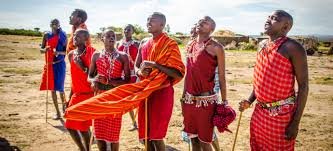
Maasai communities are closely associated with northern Tanzania’s pastoral landscapes. A well-managed visit can introduce travellers to livestock traditions, housing, family life and the pressures created by modern economic and land-use change.
Before booking, ask:
- Who manages the visit?
- How is the community compensated?
- Are photographs permitted?
- Is the experience voluntary?
- Does the community determine what visitors see?
- Are crafts purchased directly from their makers?
KiliPori Safaris should prioritise community-led visits rather than unplanned roadside stops.
Hadzabe and Datoga Experiences
Lake Eyasi is home to Hadzabe and Datoga communities. Visits may explore hunting knowledge, food gathering, pastoralism or metalworking.
These experiences require particular sensitivity. Visitors should not treat traditional livelihoods as staged entertainment or assume that every community member lives in the same way.
An ethical visit should be arranged through recognised local guides, include fair payment and respect limits on photography.
Chagga Culture Around Kilimanjaro
The slopes of Mount Kilimanjaro are associated with Chagga communities and intensive farming systems based partly on bananas and coffee.
Cultural activities may include:
- Coffee processing
- Village walks
- Local food
- Waterfalls
- Traditional irrigation history
- Family-run farms
- Historical caves
A Chagga cultural tour works well before or after climbing Kilimanjaro or as a day trip from Moshi.
Tanzanian Food and Culinary Heritage
Tanzanian food reflects inland agriculture, pastoral traditions and Indian Ocean exchange.
Travellers may encounter:
- Ugali
- Pilau
- Biryani
- Nyama choma
- Chapati
- Coconut-based coastal dishes
- Fresh seafood
- Cassava
- Plantains
- Beans and vegetables
- Zanzibar spice mixtures
- Tanzanian coffee and tea
Food tours, cooking classes and market visits provide direct cultural experiences while supporting local businesses.
Music, Art and Craft
Tanzania’s creative traditions include:
- Taarab music from the coast and Zanzibar
- Ngoma dance and drumming
- Makonde carving
- Tingatinga painting
- Maasai beadwork
- Kanga and kitenge textiles
- Contemporary music and visual art
Buy crafts directly from recognised makers or cooperatives when possible. Ask before photographing artists, workshops or performances.
How to Visit Communities Respectfully
| Respectful Practice | Why It Matters |
|---|---|
| Ask before taking photographs | People are not tourist objects |
| Use a local guide | Supports interpretation and community income |
| Dress appropriately | Shows respect for local customs |
| Learn basic Kiswahili greetings | Creates more genuine interaction |
| Pay agreed fees | Supports hosts and community projects |
| Buy without aggressive bargaining | Protects the value of local work |
| Avoid giving money randomly to children | Can encourage dependency and school absence |
| Follow restrictions at sacred sites | Protects beliefs and heritage |
| Do not remove artefacts | Cultural objects and archaeological material are protected |
Best KiliPori Safaris Culture and Heritage Packages
1. Seven-Day Northern Safari and Cultural Heritage Tour
Route: Arusha – Tarangire – Lake Eyasi – Ngorongoro – Olduvai – Serengeti
Best for: Travellers wanting wildlife, archaeology and community experiences.
Possible highlights include:
- Tarangire safari
- Hadzabe and Datoga community experiences
- Ngorongoro Crater
- Olduvai Gorge
- Serengeti National Park
2. Five-Day Zanzibar History and Culture Tour
Route: Stone Town – Spice Farm – Jozani area – Coastal villages – Beach
Best for: Swahili heritage, food and beach relaxation.
Include at least two nights near Stone Town before continuing to the beach.
3. Four-Day Bagamoyo and Saadani Heritage Safari
Route: Dar es Salaam – Bagamoyo – Saadani – Dar es Salaam
Best for: Travellers interested in caravan history, colonial heritage and wildlife.
This itinerary combines historic Bagamoyo with game drives and the coastal landscapes of Saadani National Park.
4. Six-Day Kilwa and Mikumi Journey
Route: Dar es Salaam – Kilwa – Mikumi – Dar es Salaam
Best for: Swahili ruins and a southern Tanzania safari.
The itinerary requires careful road planning because Kilwa and Mikumi are not neighbouring destinations.
5. Ten-Day Tanzania History, Wildlife and Zanzibar Tour
Route: Arusha – Tarangire – Ngorongoro – Olduvai – Serengeti – Zanzibar
Best for: First-time visitors wanting a complete Tanzania experience.
This is the strongest general package because it combines early human history, wildlife, Swahili heritage and the Indian Ocean.
6. Three-Day Kilimanjaro Foothills Cultural Tour
Route: Moshi – Chagga villages – Coffee farms – Waterfalls
Best for: Travellers before or after a Kilimanjaro climb.
Which Heritage Package Should You Choose?
| Your Main Interest | Recommended Package |
|---|---|
| Early human history | Olduvai and Ngorongoro |
| Swahili civilisation | Kilwa and Zanzibar |
| Community experiences | Lake Eyasi or Kilimanjaro foothills |
| Colonial history | Bagamoyo and Dar es Salaam |
| Wildlife and culture | Northern Safari and Heritage Tour |
| Complete first visit | Safari, Olduvai and Zanzibar |
| Food and architecture | Stone Town |
| Rock art | Kondoa |
Frequently Asked Questions
What is Tanzania most famous for culturally?
Tanzania is known for Kiswahili, Swahili coastal culture, diverse ethnic communities, music, craft traditions and the political legacy of national unity after independence.
What are Tanzania’s most important heritage sites?
Olduvai Gorge, Laetoli, Stone Town, Kilwa Kisiwani, Songo Mnara and the Kondoa Rock-Art Sites are among the most important.
Can culture be combined with a wildlife safari?
Yes. Olduvai and community experiences can be added to a northern safari, while Bagamoyo or Kilwa can be combined with selected southern parks.
Is it acceptable to photograph local people?
Ask for permission first. Permission to visit a community does not automatically include permission to photograph every person.
Does KiliPori Safaris arrange community visits?
KiliPori Safaris can include guided community and heritage experiences, subject to local availability, permission and responsible operating arrangements.
Final Recommendation
For a first visit, choose the Ten-Day Tanzania History, Wildlife and Zanzibar Tour. It can combine Tarangire, Ngorongoro, Olduvai Gorge and Serengeti with Stone Town and the Zanzibar coast.
Travellers focused mainly on Swahili history should prioritise Kilwa Kisiwani, Bagamoyo and Stone Town. Those interested in early human history should combine Olduvai Gorge, Laetoli and Kondoa with enough time for qualified local interpretation.

KiliPori Safaris Travel Team
A local Tanzania team helping travellers plan wildlife safaris, Kilimanjaro climbs and Zanzibar holidays with clear routing and direct destination support.
Published July 25, 2026. Travel conditions, fees and schedules can change; confirm time-sensitive details before departure.