Explore this guide
Our guides combine current planning research with practical knowledge from arranging safaris, Kilimanjaro climbs and Zanzibar holidays.
Introduction
One of the first questions every climber asks before planning a Kilimanjaro adventure is, "When is the best time to climb Mount Kilimanjaro?" While Africa's highest mountain is open throughout the year, the experience can vary significantly depending on the season you choose.
At KiliPori Safaris, we believe there is no single "perfect" month for every climber. The best time depends on your goals, whether you prefer clear summit views, quieter trails, excellent photography, or the highest possible chance of reaching Uhuru Peak. Understanding how Kilimanjaro's weather changes throughout the year allows you to choose the right season instead of simply following the busiest travel months.
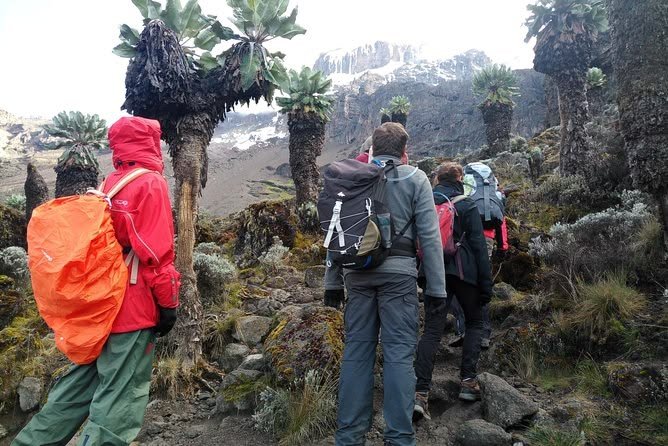
Unlike many mountains that experience four distinct seasons, Mount Kilimanjaro has a unique climate shaped by altitude and East Africa's rainfall patterns. During a single climb, you pass through lush rainforest, heath, alpine desert, and an arctic summit zone. Each ecological zone reacts differently to changing weather, making seasonal planning an important part of a safe and enjoyable climb.
This comprehensive guide is written by the mountain specialists at KiliPori Safaris to help you understand Kilimanjaro's climbing seasons, monthly weather patterns, trail conditions, crowd levels, and the factors that influence summit success. Whether you are planning your first expedition or returning for another adventure, this guide will help you choose the ideal time to stand on the Roof of Africa.
Quick Answer: What Is the Best Time to Climb Mount Kilimanjaro?
If you're looking for the short answer, the best time to climb Mount Kilimanjaro is during the two dry seasons: from January to early March and from June to October.
These months generally provide:
- Stable mountain weather
- Lower rainfall
- Better trail conditions
- Clearer views from the summit
- Higher chances of a successful summit
- Comfortable trekking during most days
Among these periods, January and February are often favored by climbers seeking warmer daytime temperatures and relatively quieter trails, while July, August, and September are popular for their consistently dry conditions and spectacular mountain visibility.
However, weather alone does not determine whether you will reach Uhuru Peak. Summit success depends on several equally important factors, including your chosen route, the number of climbing days, proper acclimatization, your physical preparation, and the experience of your mountain crew. Selecting the right itinerary often has a greater impact on success than simply choosing the driest month of the year.
Why Choosing the Right Time Matters
Many first-time climbers assume that Kilimanjaro's weather remains the same throughout the year because the mountain is located near the equator. In reality, the mountain creates its own weather system. Conditions at the rainforest can be warm and humid while the summit experiences freezing temperatures, strong winds, and snowfall—all on the same day.
Choosing the right climbing season affects much more than the weather. It influences the quality of your entire mountain experience, including trail conditions, visibility, campsite atmosphere, photography opportunities, wildlife sightings on the lower slopes, and even your physical comfort during summit night.
At KiliPori Safaris, we help every climber select a departure date based on their travel goals rather than simply recommending the most popular months. For example, photographers often prioritize crystal-clear morning views, while honeymoon couples may prefer quieter trails with fewer climbers. Families usually benefit from stable weather and comfortable daytime temperatures, whereas experienced trekkers may intentionally choose shoulder seasons for a more secluded mountain experience.
The right timing also works hand in hand with choosing the appropriate route. A longer itinerary during a shoulder season may provide a better overall experience and a higher summit success rate than a shorter climb during peak season. That is why we always recommend planning your Kilimanjaro expedition as a complete journey rather than focusing only on the calendar.
Mount Kilimanjaro Weather & Climbing Seasons Explained
Unlike many mountain destinations that experience four traditional seasons, Mount Kilimanjaro follows two dry seasons and two rainy seasons. These seasonal patterns are influenced by East Africa's tropical climate, the Indian Ocean, and the mountain's immense elevation, which rises from approximately 800 metres (2,625 ft) above sea level to 5,895 metres (19,341 ft) at Uhuru Peak.
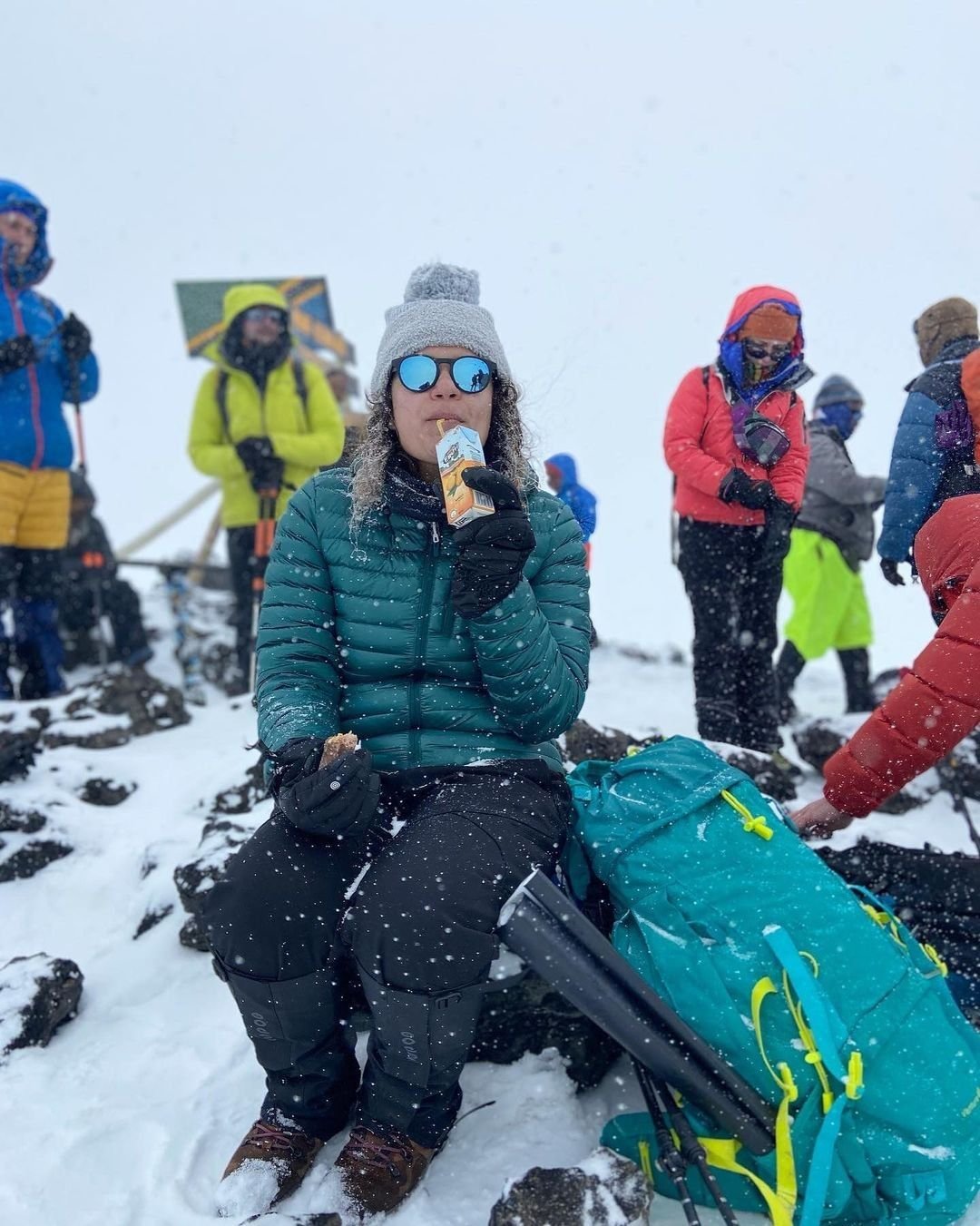
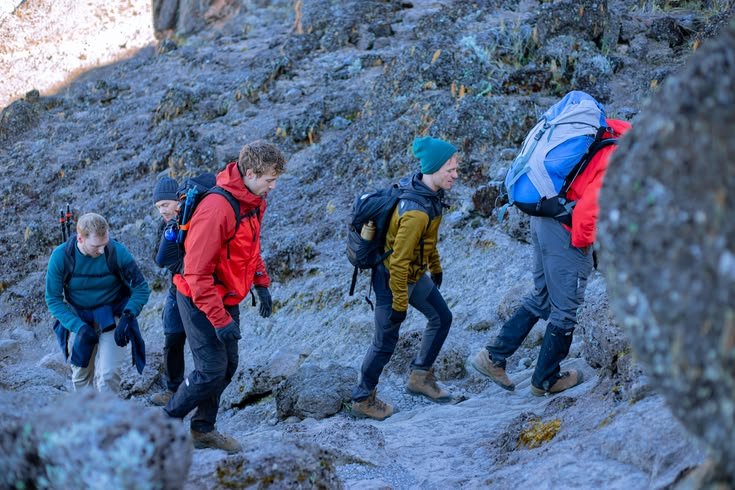
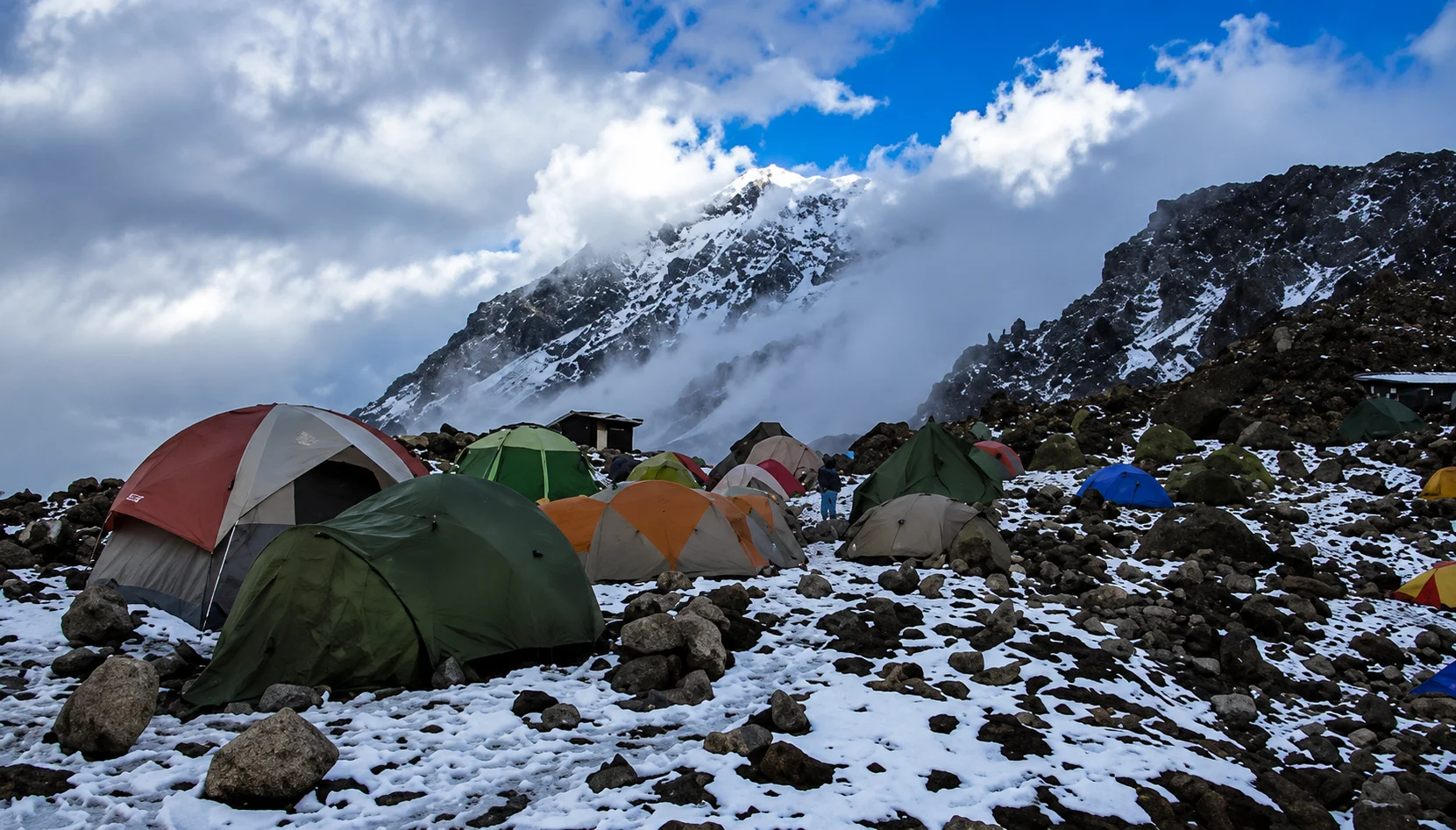
One of the most fascinating aspects of climbing Kilimanjaro is experiencing several climate zones in a single expedition. A trek begins in warm, humid rainforest, continues through heath and moorland, crosses a dry alpine desert, and finishes in an arctic environment where temperatures often fall well below freezing before sunrise.
Because of these dramatic elevation changes, weather forecasts for nearby towns such as Moshi or Arusha rarely reflect the conditions you'll experience higher on the mountain. A sunny morning at the base can still lead to snow, freezing winds, or dense cloud cover near the summit.
At KiliPori Safaris, we encourage climbers to think beyond a simple question like, "Will it rain?" Instead, we consider how weather affects trail conditions, visibility, acclimatization, comfort, and the overall mountain experience. A brief afternoon shower in the rainforest is often far less significant than persistent cloud cover during summit night or extended rainfall that makes trails slippery over several days.
Understanding these seasonal differences allows you to choose a climbing window that matches your expectations, travel style, and preferred route.
Kilimanjaro's Four Climbing Seasons
January to Early March – Warm Dry Season
The first dry season of the year offers some of the most comfortable climbing conditions on Mount Kilimanjaro. Daytime temperatures are generally warmer than during the middle of the year, while rainfall is relatively low compared to the surrounding months.
Morning skies are often clear, creating excellent opportunities for photography and panoramic views across northern Tanzania. Afternoon clouds can develop as temperatures rise, but they usually do not affect the overall climbing experience.
Trail conditions remain dry, making trekking easier and reducing the amount of mud in the rainforest zone.
Why many climbers choose this season
- Pleasant daytime temperatures
- Good summit visibility
- Stable weather patterns
- Moderate visitor numbers
- Excellent conditions for first-time climbers
- Ideal for couples and honeymoon adventures
At KiliPori Safaris, we often recommend January and February to travellers seeking a balance between comfortable weather and a less crowded mountain compared with the peak northern hemisphere summer season.
Mid-March to Late May – Long Rainy Season
The long rains bring the highest rainfall of the year to Mount Kilimanjaro. Moisture from the Indian Ocean creates frequent showers, particularly within the rainforest and lower elevations.
Trails become muddy and slippery, streams may flow more strongly, and cloud cover often limits long-distance views.
Although this period receives fewer climbers, it should not automatically be considered unsuitable. Rainfall does not occur continuously throughout the day, and experienced trekkers looking for solitude sometimes appreciate this quieter season.
Certain routes with gentler gradients and lower traffic can still provide enjoyable climbs when supported by proper equipment and an experienced mountain team.
During the long rains you can expect:
- Fewer climbers
- Lush rainforest scenery
- Increased cloud cover
- Higher humidity
- Wet trail conditions
- Greater need for waterproof gear
For most first-time visitors, however, KiliPori Safaris generally recommends choosing one of the dry seasons unless your schedule is fixed.
June to October – Main Dry Season
The second dry season is widely regarded as the most reliable period for climbing Mount Kilimanjaro.
Rainfall is minimal across much of the mountain, visibility is often exceptional, and trails remain firm underfoot. These conditions attract climbers from around the world, making it the busiest period of the year.
Although daytime temperatures are cooler than in January and February, many trekkers enjoy the crisp mountain air and clear summit mornings.
This season also aligns perfectly with Tanzania's peak wildlife viewing months, making it an excellent opportunity to combine a Kilimanjaro climb with a safari in Serengeti, Ngorongoro, or Tarangire before or after the trek.
Advantages of climbing during this season
- Excellent summit visibility
- Dry trails
- Consistent weather
- Cooler trekking temperatures
- Outstanding photography conditions
- Easy combination with wildlife safaris
Because of its popularity, advance booking is highly recommended, particularly for travellers planning climbs during July, August, or September.
November to December – Short Rainy Season
The short rains are typically lighter and less predictable than the long rains.
Rain often arrives as afternoon showers rather than prolonged storms, allowing many climbing days to begin with pleasant weather before clouds build later in the day.
The mountain is noticeably quieter than during the peak season, making this an attractive period for travellers seeking a more peaceful trekking experience.
When weather windows remain stable, climbers are often rewarded with vibrant landscapes, fresh mountain air, and beautiful cloud formations that create dramatic photography opportunities.
This season is suitable for
- Experienced trekkers
- Climbers seeking fewer crowds
- Flexible travellers
- Returning Kilimanjaro visitors
- Photographers looking for unique landscapes
With the right preparation and an experienced guide team, successful summits remain common throughout this period.
Which Season Does KiliPori Safaris Recommend?
After guiding climbers across Mount Kilimanjaro in different weather conditions, our recommendation is based on more than rainfall alone.
Rather than asking, "Which month is the best?", we ask a different question:
"What type of Kilimanjaro experience are you looking for?"
For climbers who value the highest chance of stable weather, clear summit views, and comfortable trekking conditions, we recommend January to early March and June to October.
If avoiding crowds is your priority, the quieter weeks of late January, early March, October, or early December often provide an excellent balance between favorable weather and a more peaceful mountain experience.
We also encourage climbers to remember that the date you choose is only one part of the equation. Selecting an itinerary with enough time to acclimatize, maintaining a slow and steady pace, and climbing with experienced local guides are equally important factors in reaching Uhuru Peak safely and confidently.
Month-by-Month Guide: Best Time to Climb Mount Kilimanjaro
Below is a detailed breakdown of every month, based on real climbing experience, altitude behavior, and seasonal mountain patterns observed by the KiliPori Safaris mountain team.
January – Warm, Clear & Highly Recommended
January marks the heart of the short dry season. Conditions are generally stable, with good visibility across the mountain and comfortable trekking temperatures during the day.
The rainforest is lush from previous rains, but trails are usually manageable and not overly muddy.
What to expect:
- Clear morning skies
- Moderate temperatures at lower elevations
- Cold but stable summit nights
- Medium number of climbers
KiliPori Safaris insight:
January is ideal for climbers who want strong summit visibility without peak-season crowds.
February – One of the Best Months of the Year
February is often considered the most balanced climbing month on Kilimanjaro. Weather is stable, rainfall is minimal, and visibility is consistently strong.
This is also one of the warmest months on the mountain.
What to expect:
- Very clear skies
- Dry trails
- Excellent sunrise and summit views
- Comfortable daytime trekking
KiliPori Safaris insight:
For first-time climbers, February offers one of the highest overall success-friendly conditions of the year.
March – Transition Month (Mixed Conditions)
March is a shifting month. Early March can still feel dry, but conditions gradually become more humid as the long rains approach.
Cloud cover increases, especially in the afternoons.
What to expect:
- Mixed weather patterns
- Increasing humidity
- Occasional rain showers
- Fewer crowds
KiliPori Safaris insight:
Early March is still climbable, but we recommend longer routes for better acclimatization and safety margins.
April – Peak Long Rain Season (Least Recommended)
April experiences some of the heaviest rainfall on Kilimanjaro. Trails can become slippery, and visibility is often reduced due to thick cloud cover.
What to expect:
- Heavy rainfall
- Wet and muddy trails
- Low visibility
- Very few climbers
KiliPori Safaris insight:
April is suitable only for experienced trekkers seeking solitude, not first-time climbers.
May – Wet but Improving Slowly
May is still part of the rainy season, but conditions begin to improve toward the end of the month.
The mountain is extremely quiet, and vegetation is at its greenest.
What to expect:
- Wet trails early in the month
- Gradual improvement later
- Very low crowds
- Cloudy conditions
KiliPori Safaris insight:
Late May can sometimes offer hidden windows of good weather, but it remains unpredictable.
June – Start of the Main Dry Season
June marks a major shift in climbing conditions. Rainfall decreases significantly, and trails begin to dry.
What to expect:
- Stable weather patterns
- Clearer skies
- Cool temperatures
- Increasing number of climbers
KiliPori Safaris insight:
June is an excellent early dry-season choice before peak crowds arrive.
July – Peak Climbing Season Begins
July is one of the busiest months on Kilimanjaro. Conditions are dry and stable, making it a favorite for international climbers.
What to expect:
- Excellent visibility
- Dry trails
- Cold nights at higher camps
- High number of climbers
KiliPori Safaris insight:
Book early. July is perfect for climbers who prioritize reliable weather over solitude.
August – High Season with Perfect Conditions
August continues the peak dry season with very consistent weather and excellent summit visibility.
What to expect:
- Very stable weather
- Clear summit views
- Cold summit nights
- Busy routes and camps
KiliPori Safaris insight:
One of the best months for summit success rates, but expect busy trails.
September – Best Balance of Weather & Crowds
September is often considered the “sweet spot” of Kilimanjaro climbing.
Weather remains excellent, but crowds begin to slightly reduce compared to August.
What to expect:
- Stable dry conditions
- Slightly fewer climbers than August
- Excellent visibility
- Comfortable trekking conditions
KiliPori Safaris insight:
September is highly recommended for climbers who want peak weather without peak congestion.
October – Still Dry but Slowly Changing
October is the tail end of the main dry season. Weather is still generally good, but early signs of the short rains may appear.
What to expect:
- Mostly dry trails
- Increasing cloud cover later in the month
- Moderate crowds
- Cooler mornings and evenings
KiliPori Safaris insight:
Early October is still excellent for climbing with fewer crowds than peak months.
November – Short Rain Season Begins
November introduces lighter and more unpredictable rainfall compared to April.
What to expect:
- Afternoon showers
- Fewer climbers
- Fresh green landscapes
- Variable visibility
KiliPori Safaris insight:
With proper gear and flexible planning, November can still offer a rewarding, quieter climb.
December – Mixed but Climable
December is a transitional month with improving conditions toward the festive period.
What to expect:
- Mixed weather conditions
- Increasing tourist numbers near Christmas
- Good summit chances in late December
- Cooler temperatures
KiliPori Safaris insight:
Late December is popular for holiday climbers combining trekking with safari experiences.
KiliPori Safaris Expert Summary
After guiding climbers across all seasons of Mount Kilimanjaro, our experience shows a clear pattern:
- Highest success-friendly months: February, August, September
- Best balance of weather + crowds: January, June, September
- Most challenging months: April and early May
- Underrated months: Late January and early October
However, we always emphasize one key truth:
Your summit success is influenced more by your itinerary length, acclimatization strategy, and guide experience than by the month alone.
Kilimanjaro Summit Success Rate Explained (What Actually Determines Success)
One of the most misunderstood parts of climbing Mount Kilimanjaro is the idea of a fixed “summit success rate” based only on the month you choose.
In reality, there is no single number that guarantees success or failure. At KiliPori Safaris, we have guided climbers in both peak and off-season months, and the pattern is clear: summit success is influenced far more by preparation, acclimatization, and guiding strategy than by weather alone.
While dry months like January–March and June–October offer more stable conditions, climbers still fail to reach Uhuru Peak during these periods if their itinerary is too short or poorly managed. On the other hand, well-prepared climbers can successfully summit even in shoulder seasons when weather conditions are less predictable.
Understanding what actually determines success is the key to planning a safe and realistic climb.
1. Route Selection Has the Biggest Impact
Not all Kilimanjaro routes are equal in terms of acclimatization and success probability.
Longer routes such as the Lemosho Route and Northern Circuit Route allow your body more time to adjust to altitude. This significantly increases summit success compared to shorter itineraries.
Shorter routes like the Marangu Route (5 days) may appear easier on paper but often result in lower success rates due to faster altitude gain.
KiliPori Safaris field insight:
We consistently observe that climbers on 7–8 day itineraries have significantly higher summit success rates compared to 5–6 day climbs, regardless of the season.
2. Acclimatization Is More Important Than Weather
Altitude is the real challenge on Kilimanjaro, not technical climbing difficulty or temperature alone.
Even in perfect weather, your body still needs time to adapt to decreasing oxygen levels as you ascend above 3,000 metres.
Good acclimatization strategies include:
- “Climb high, sleep low” profiles
- Slow trekking pace (pole pole)
- Extra acclimatization days
- Proper hydration throughout the climb
Key insight from KiliPori Safaris:
Many climbers who fail at high altitude are not affected by weather, but by rising too fast without allowing the body to adapt.
3. Guide Experience Directly Affects Success
On Mount Kilimanjaro, your guide is not just a leader — they are your safety system, altitude monitor, and pacing strategist.
Experienced local guides understand:
- Early symptoms of altitude sickness
- When to slow down or adjust pace
- How to manage hydration and nutrition
- How to make summit-night decisions safely
KiliPori Safaris insight:
A skilled mountain crew often makes the difference between turning back and reaching Uhuru Peak safely.
4. Weather Influences Comfort, Not Only Success
While weather is important, its role is often misunderstood.
Dry seasons (January–March and June–October) provide:
- Better trail grip
- Clear summit visibility
- More comfortable trekking conditions
Rainy seasons introduce:
- Muddy trails
- Reduced visibility
- More physical fatigue
However, weather alone rarely determines summit failure. Most climbers who turn back do so because of altitude-related symptoms, not rain or cold alone.
5. Physical Preparation Before Arrival
Kilimanjaro does not require technical climbing skills, but it does require endurance.
Climbers who train properly before arrival have a noticeably higher chance of reaching the summit.
Recommended preparation includes:
- Long-distance hiking with elevation gain
- Cardiovascular training (walking, running, cycling)
- Stair or hill climbing exercises
- Multi-day hiking practice
KiliPori Safaris field observation:
Well-prepared climbers recover faster each day and adapt more efficiently to altitude changes.
6. Mental Strength During Summit Night
Summit night is the most demanding part of the entire Kilimanjaro climb.
Temperatures can drop below freezing, oxygen levels are lowest, and the climb can take 6–8 hours in darkness.
At this stage, physical fitness alone is not enough. Mental endurance becomes critical.
Successful climbers typically:
- Trust their guide’s pacing
- Focus on slow, steady progress
- Accept discomfort as temporary
- Break the climb into small mental goals
KiliPori Safaris Expert Conclusion on Success Rates
From our experience guiding climbers across all seasons and routes, we can confidently say:
Summit success on Mount Kilimanjaro is not determined by one factor — it is the result of preparation, route choice, acclimatization strategy, and guide experience working together.
Weather plays a role, but it is not the deciding factor most people assume it is.
This is why at KiliPori Safaris, we design every climb around:
- Proper acclimatization schedules
- Carefully selected routes
- Experienced local guides
- Safe pacing strategies (“pole pole”)
Our goal is not just to take you up the mountain — but to maximize your chances of standing at Uhuru Peak (5,895m) safely and confidently.
Best Time to Climb Kilimanjaro for Different Types of Travelers
Not every climber comes to Mount Kilimanjaro with the same expectations. Some are chasing summit photos in crystal-clear skies, others want quiet trails, and some are combining their climb with a once-in-a-lifetime Tanzania safari or honeymoon experience.
At KiliPori Safaris, we don’t recommend a “one-size-fits-all” climbing season. Instead, we match each traveler with the right month based on their travel style, comfort level, and personal goals on the mountain.
Below is our field-based guide to help you choose the best time based on who you are as a climber.
1. Best Time for First-Time Climbers
Recommended months:
- January to early March
- June to October
First-time climbers benefit most from stable weather, predictable trail conditions, and clear summit visibility.
These months reduce unnecessary challenges such as heavy rain, deep mud, or low visibility, allowing you to focus on pacing and acclimatization.
Why these months work best:
- Stable weather patterns
- Easier trekking conditions
- Higher confidence during summit night
- Better chance of a successful first attempt
KiliPori Safaris insight:
Most first-time climbers who reach Uhuru Peak successfully do so during dry-season windows with longer itineraries (7–8 days).
2. Best Time for Couples & Honeymoon Climbers
Recommended months:
- January
- February
- September
- Early October
Couples often prefer a balance of comfort, privacy, and scenic beauty rather than peak crowds.
These months offer calmer trails and more intimate camping experiences compared to peak season.
Why these months stand out:
- Less crowded camps (especially January & early October)
- Romantic sunrise summit views
- Comfortable daytime temperatures
- Better privacy on trails
KiliPori Safaris insight:
For honeymoon climbers, we often recommend Lemosho Route or Northern Circuit, where campsite density is naturally lower.
3. Best Time for Photography Focused Climbers
Recommended months:
- February
- September
- Early October
- Late January
Photographers need clarity, contrast, and dramatic skies. Kilimanjaro offers some of its most powerful imagery during dry-season transitions.
What makes these months ideal:
- Clear sunrise and sunset views above the clouds
- Strong contrast between snow peaks and dry plains
- Less atmospheric haze
- Better visibility of Mawenzi and Kibo peaks
KiliPori Safaris insight:
Some of the most iconic Kilimanjaro summit photographs are taken during early morning summit push in February and September, when skies are clearest.
4. Best Time for Budget Climbers
Recommended months:
- March (early)
- May (late)
- November
- Early December
These shoulder and rainy-season months typically have lower demand, which can result in more flexible pricing options.
What to expect:
- Fewer climbers on the mountain
- Quieter campsites
- More flexible booking availability
- Variable weather conditions
KiliPori Safaris insight:
Budget-friendly climbs are still very successful when combined with a proper 7-day acclimatization itinerary and experienced guides.
5. Best Time to Combine Kilimanjaro with Safari
Recommended months:
- June to October
- January to March
These months align perfectly with Tanzania’s prime wildlife viewing seasons.
Why this combination works:
- Serengeti Great Migration (June–October)
- Excellent wildlife visibility in dry season parks
- Stable travel logistics between regions
- Clear weather for both mountain and safari photography
KiliPori Safaris insight:
Many of our clients choose a Kilimanjaro climb + Northern Circuit safari + Zanzibar beach extension during these months for a complete Tanzania experience.
6. Best Time for Avoiding Crowds
Recommended months:
- Late January
- Early March
- November
- Early June
If solitude is important, avoid peak climbing months like July and August.
Why these months are quieter:
- Lower international travel demand
- Off-peak tourism season
- Fewer large group expeditions
KiliPori Safaris insight:
Climbers who prefer quieter trails often report a more personal connection with the mountain during these periods.
KiliPori Safaris Expert Summary
Choosing the best time to climb Mount Kilimanjaro is not just about weather patterns — it is about aligning the mountain experience with your personal travel goals.
At KiliPori Safaris, we guide climbers based on three core principles:
- Safety through proper acclimatization
- Realistic summit expectations
- Matching season to traveler profile
This approach ensures that every climber is not just prepared for the mountain, but also placed in the right conditions to enjoy it fully.
Frequently Asked Questions (FAQ)
1. What is the absolute best time to climb Mount Kilimanjaro?
The best time to climb Mount Kilimanjaro is during the two dry seasons: January to early March and June to October. These periods offer the most stable weather, clearer skies, and better trail conditions for summit success.
2. Can you climb Mount Kilimanjaro during the rainy season?
Yes, climbing is possible during the rainy seasons (April–May and November). However, you should expect wet trails, reduced visibility, and more challenging trekking conditions. At KiliPori Safaris, we only recommend these months for experienced trekkers or climbers seeking fewer crowds.
3. Which month has the highest summit success rate on Kilimanjaro?
Months like February, August, and September generally record higher success rates due to stable weather and excellent visibility. However, success depends more on route length, acclimatization, and guide experience than the month itself.
4. What is the coldest month on Mount Kilimanjaro?
The coldest conditions are typically experienced during the June to August period, especially at night and during summit attempts. Temperatures at Uhuru Peak can drop well below freezing, often reaching -10°C or lower.
5. Is Kilimanjaro crowded during peak season?
Yes. July, August, and early September are the busiest months. Camps and trails can be busy, especially on popular routes like Machame. If you prefer fewer crowds, consider January, early March, or October.
6. What is the cheapest time to climb Kilimanjaro?
The most budget-friendly months are usually during the rainy or shoulder seasons such as April, May, and November. Prices may be more flexible, but weather conditions are less predictable.
7. Can beginners climb Kilimanjaro year-round?
Yes, beginners can climb Kilimanjaro any month, but dry seasons are strongly recommended for first-time climbers. At KiliPori Safaris, we design beginner-friendly itineraries with longer acclimatization periods to increase success rates.
8. What is the best month for photography on Kilimanjaro?
The best photography conditions are usually in February, September, and early October, when skies are clearer and cloud formations create dramatic summit views above the African plains.
KiliPori Safaris Expert Conclusion
Mount Kilimanjaro is not just a destination — it is a high-altitude journey through multiple climates, landscapes, and physical challenges.
While many guides focus only on “best months,” real success comes from understanding how weather, altitude, route choice, and preparation work together.
At KiliPori Safaris, our mountain philosophy is simple:
We don’t just take climbers to Kilimanjaro.
We prepare them to reach Uhuru Peak safely, confidently, and with the highest possible success rate.
Whether you choose the quiet trails of January, the clear skies of September, or the adventurous shoulder seasons, your experience is shaped by how well the climb is planned and supported.
Plan Your Kilimanjaro Climb with KiliPori Safaris
Our team specializes in private and tailored Kilimanjaro expeditions designed for:
- Couples & honeymoon climbers
- First-time trekkers
- Luxury private climbs
- 7–8 day high-success itineraries
- Kilimanjaro + Safari + Zanzibar combinations
Recommended Kilimanjaro Packages:
- 6 Days Kilimanjaro Climb (Fast Summit Route)
- 7 Days Machame / Lemosho Route Climb
- 8 Days Lemosho Route (High Success Rate)
- Private Couples Kilimanjaro Climb
- Kilimanjaro + Serengeti Safari Packages

KiliPori Safaris Travel Team
A local Tanzania team helping travellers plan wildlife safaris, Kilimanjaro climbs and Zanzibar holidays with clear routing and direct destination support.
Published July 5, 2026. Travel conditions, fees and schedules can change; confirm time-sensitive details before departure.