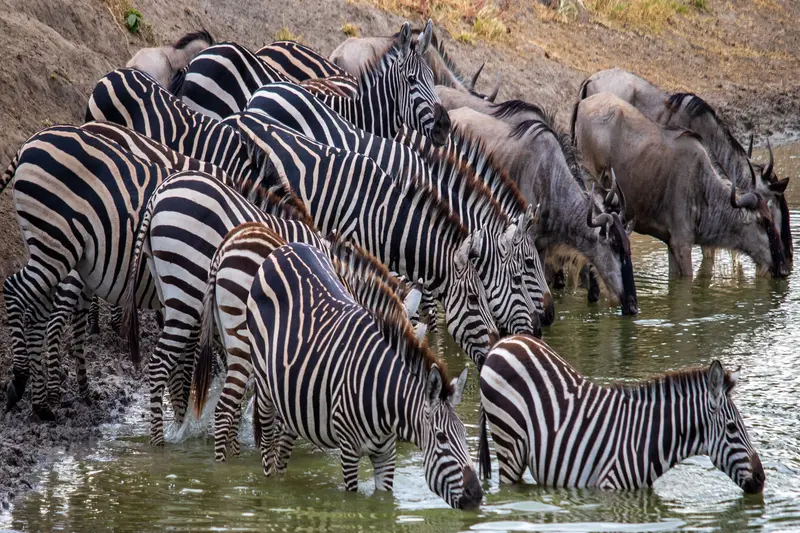
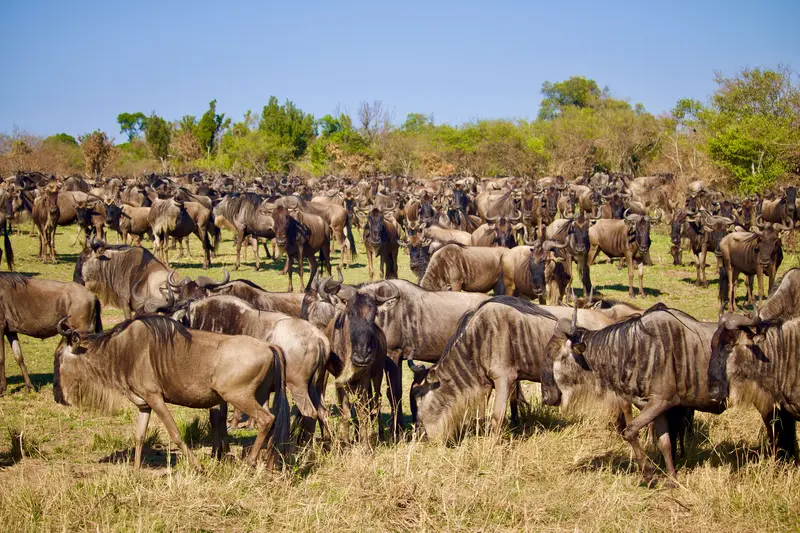
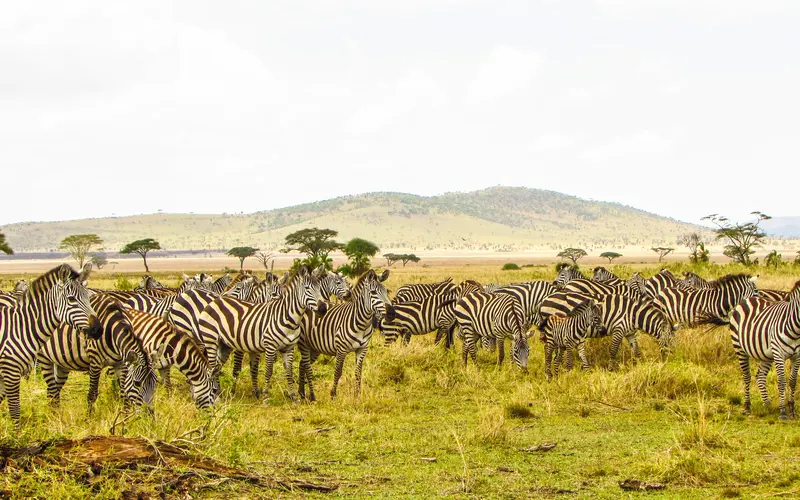
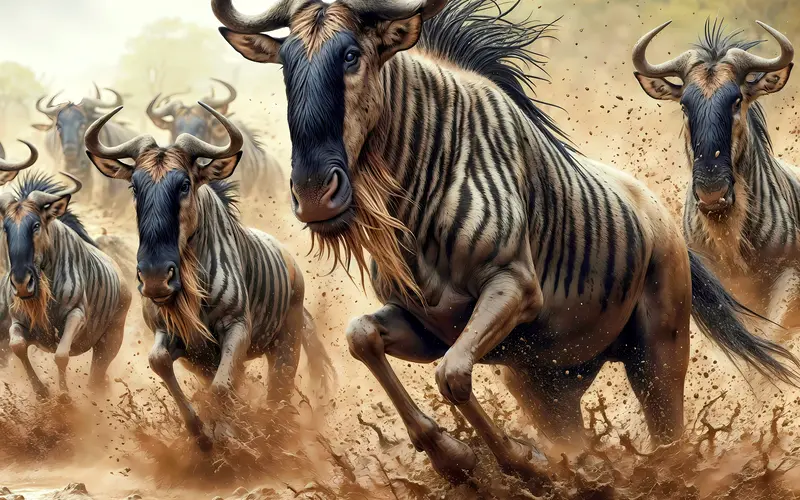
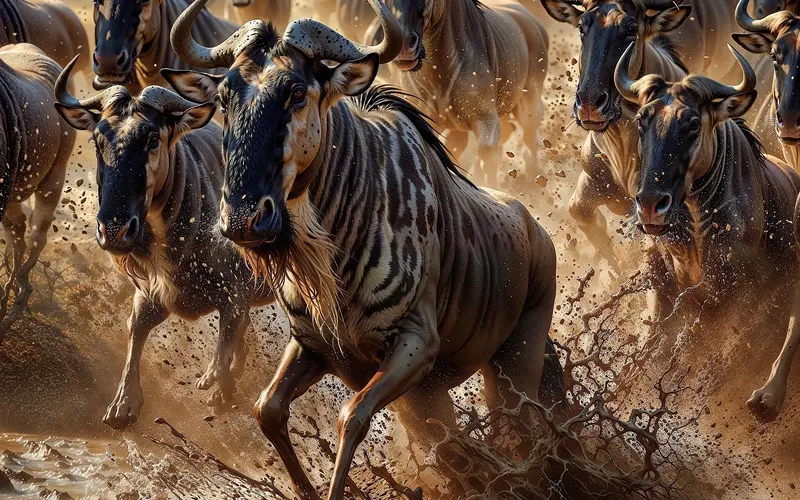
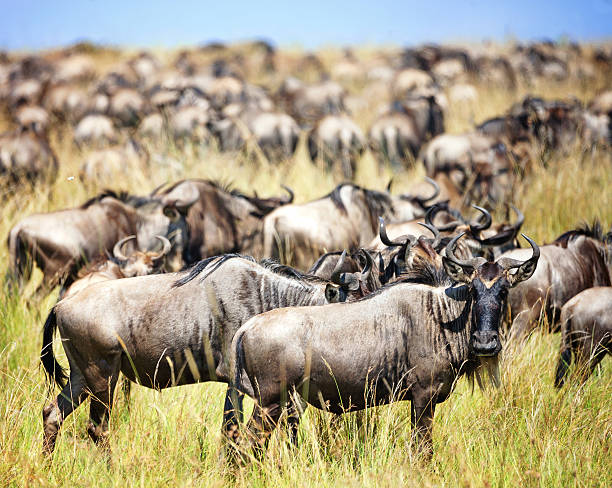
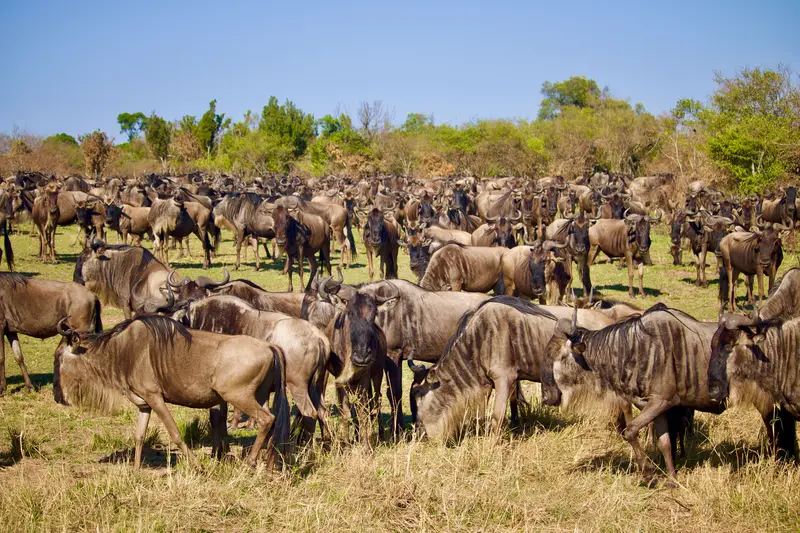
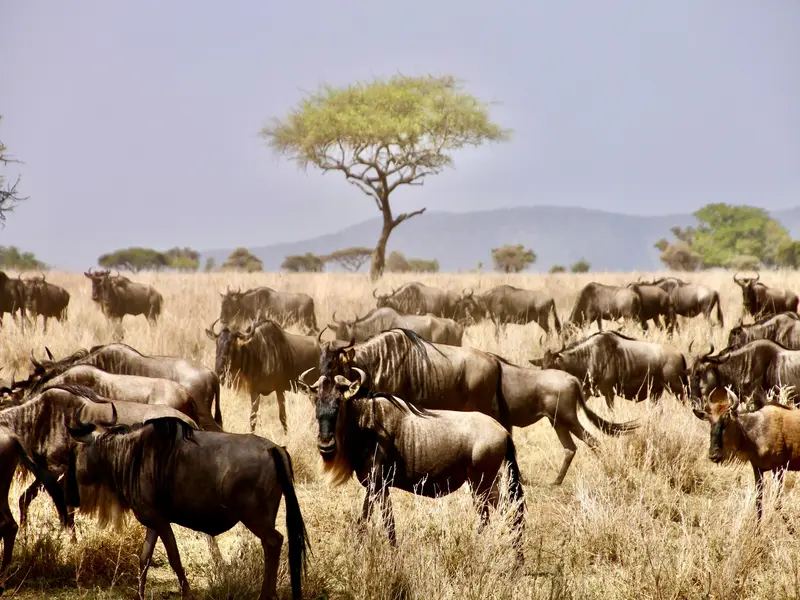
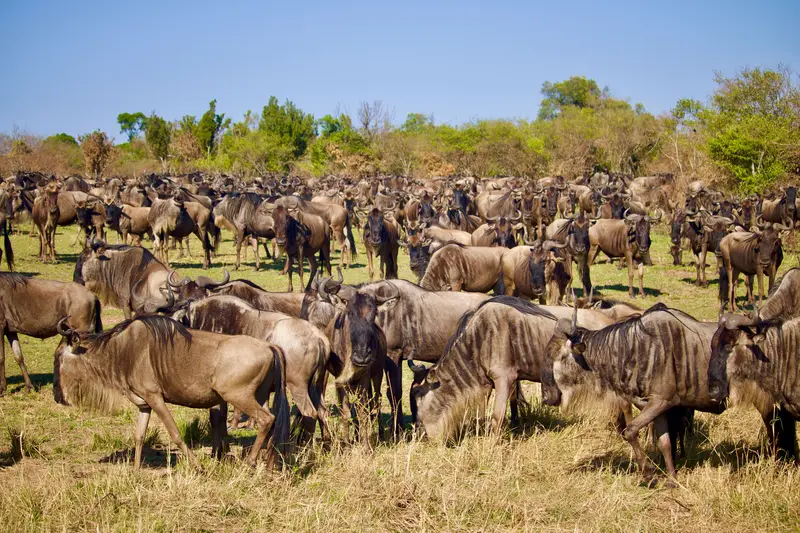
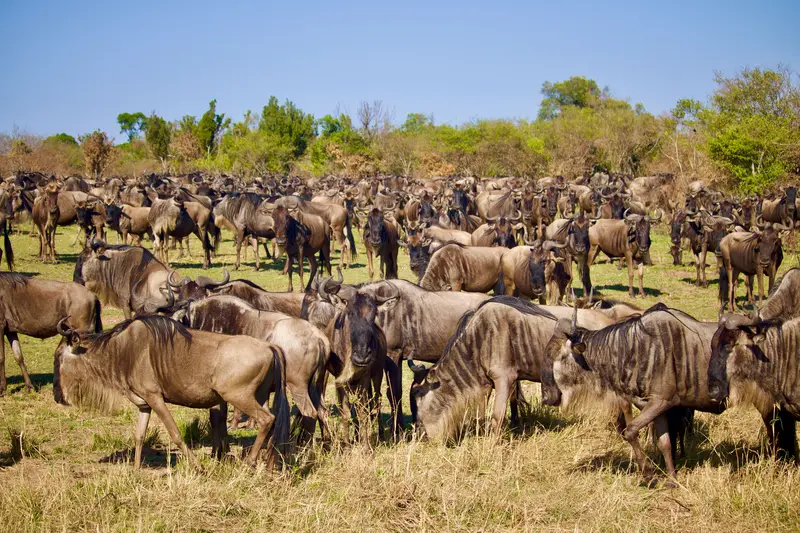
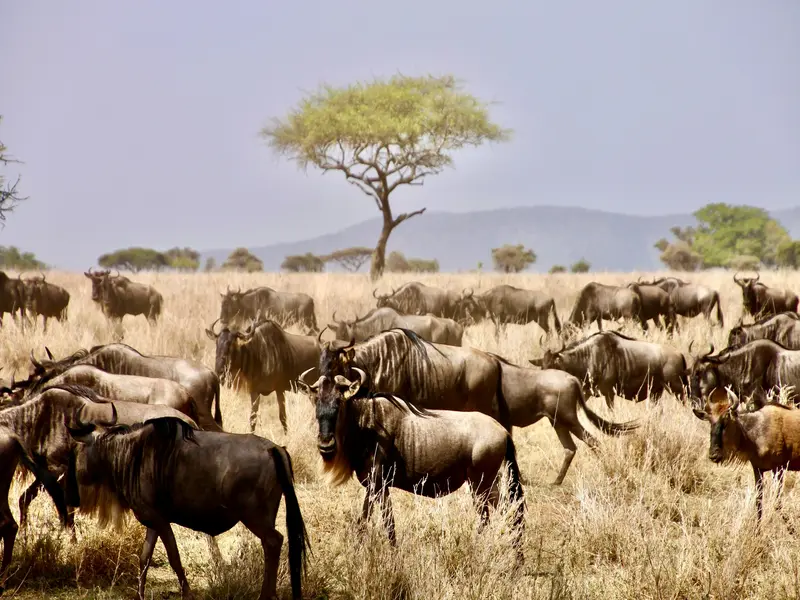
Planning a Tanzania safari in August means travelling during the dry season, when wildlife viewing conditions are generally favourable and migrating wildebeest are commonly found in the northern Serengeti. For the 8-Day August Tanzania Private Safari from Arusha | Serengeti & Ngorongoro, this seasonal pattern shapes the route: the itinerary gives Northern Serengeti several days, while also visiting Tarangire, Ngorongoro Crater and Central Serengeti. It is a useful fit for travellers who want to follow migration activity while exploring more than one Northern Tanzania wildlife area.
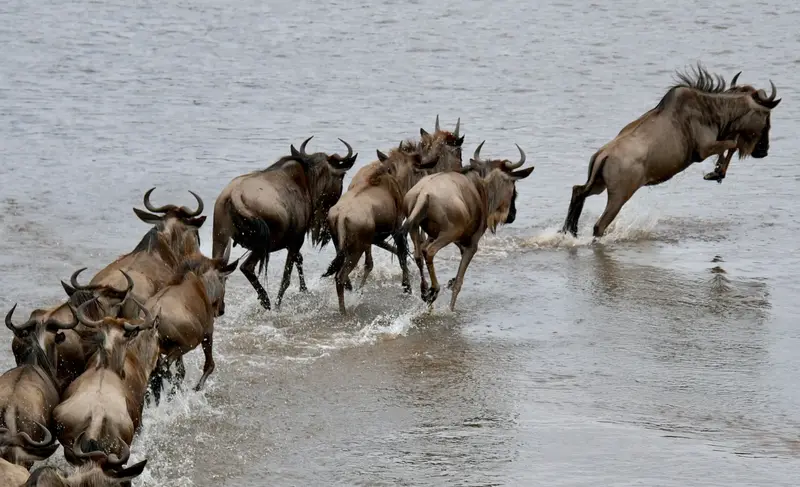
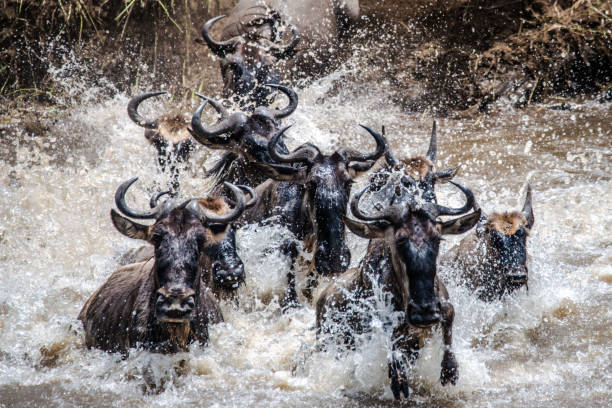
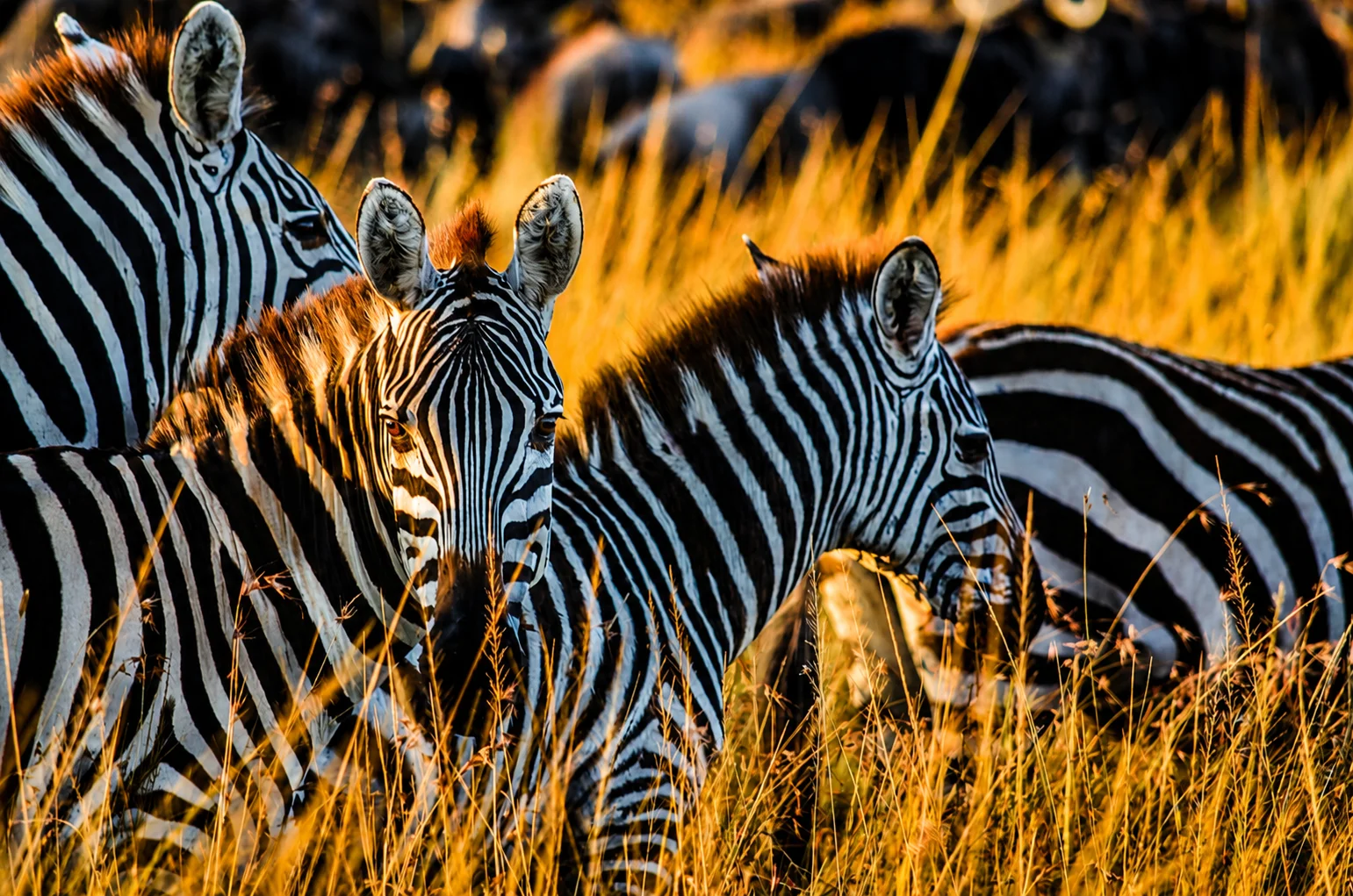
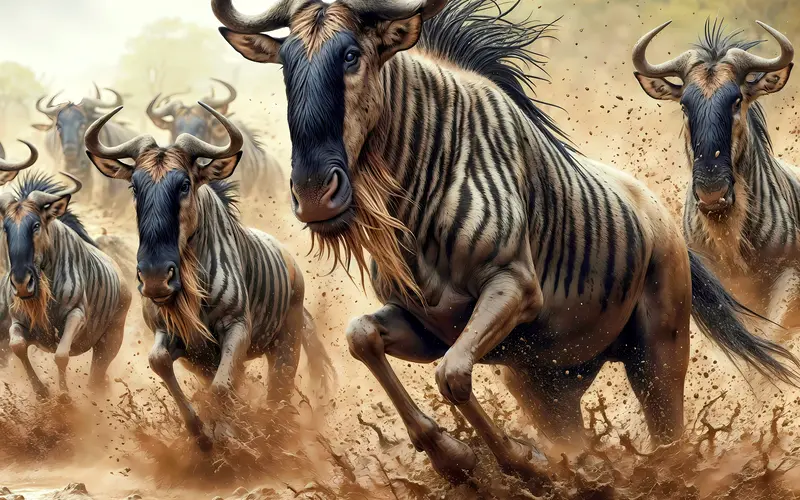
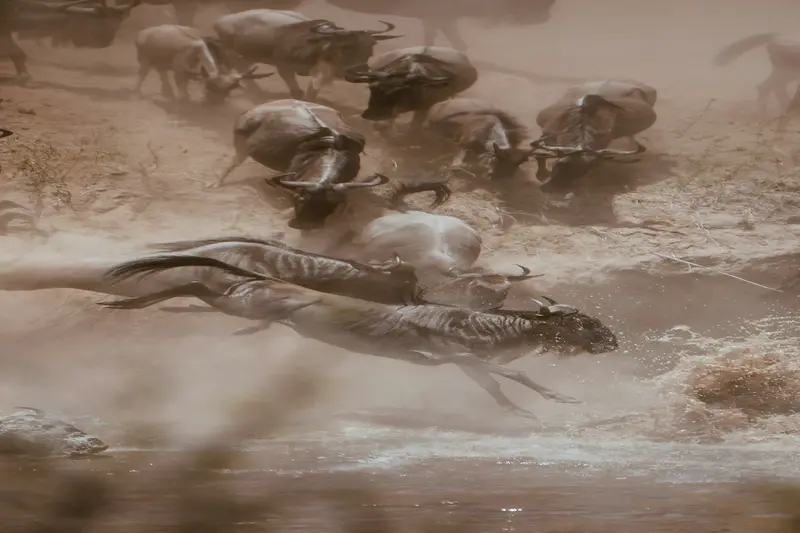
Keep expectations flexible, especially if seeing a Mara River crossing is a priority. The safari spends two full days in Northern Serengeti, including time in appropriate areas near the river, and returns for a final morning game drive. Wildebeest and zebra may gather near the river in August, but a crossing is a natural event—not a scheduled activity or a guaranteed sighting. Rainfall, grazing conditions and animal behaviour influence where herds move and when they cross. Your guide assesses current field conditions and adjusts routes to follow wildlife activity where possible.
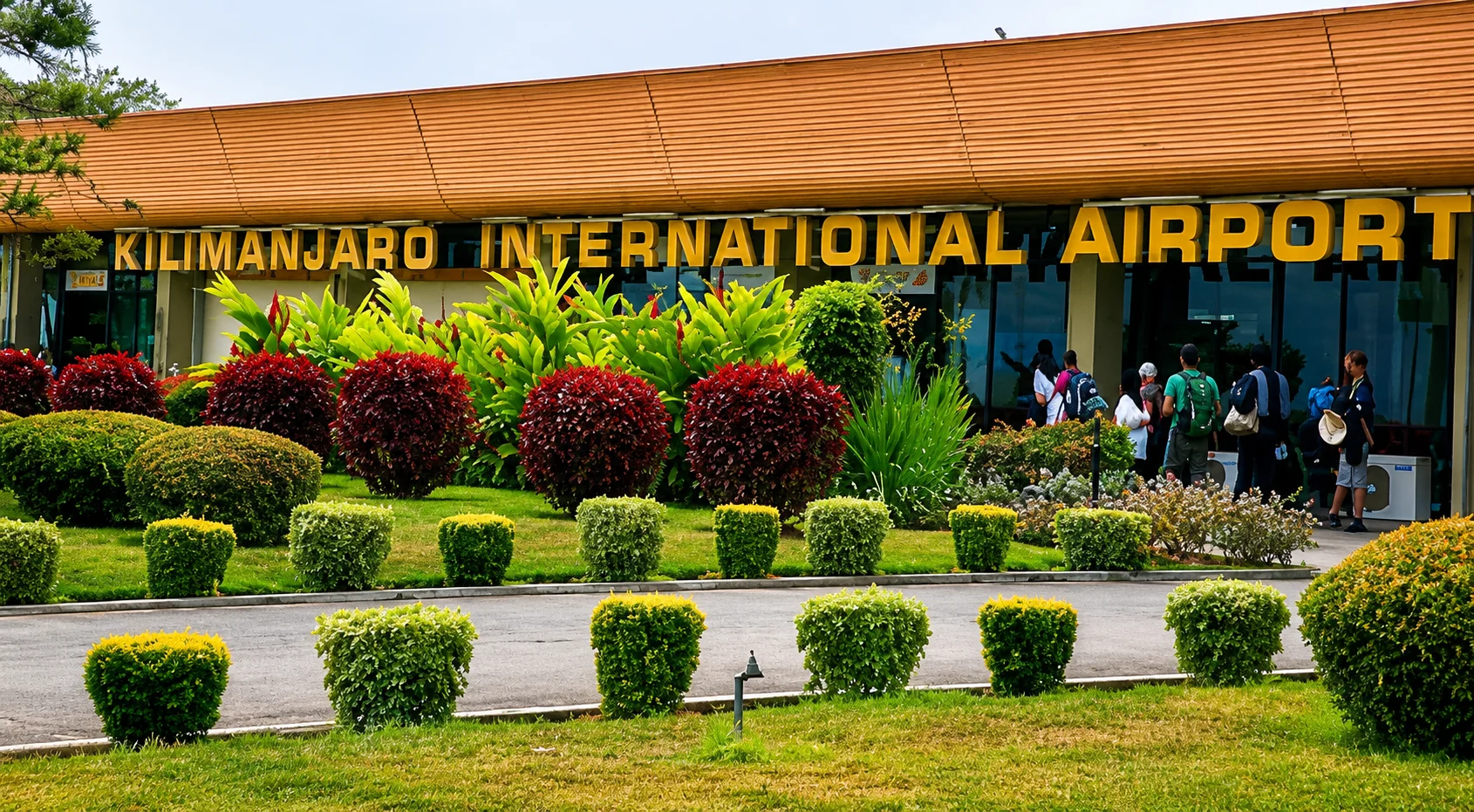
The eight-day sequence balances migration tracking with other major wildlife destinations. After departing Arusha, the itinerary visits Tarangire for an afternoon-focused game drive, then explores Ngorongoro Crater before continuing to Central Serengeti. It then travels north, with game viewing along the way, and uses several days in Northern Serengeti before heading south through Central Serengeti toward Karatu. The final day returns to Arusha. This progression gives the safari time in the migration region without treating every day as a fixed-location river search.
Plan for some substantial road travel between areas, and distinguish direct driving estimates from the full time spent moving through the landscape. The route from Arusha to Tarangire is approximately 2–2.5 hours, depending on departure point and road conditions. The journey from Central to Northern Serengeti generally involves around 3–4 hours of driving, but wildlife stops can extend the day; the return from Karatu to Arusha generally takes 3–4 hours. These are estimates, and meal, comfort and photography stops add time. A private tour allows the pace and game-drive timing to be adjusted around wildlife activity, within the realities of the route.
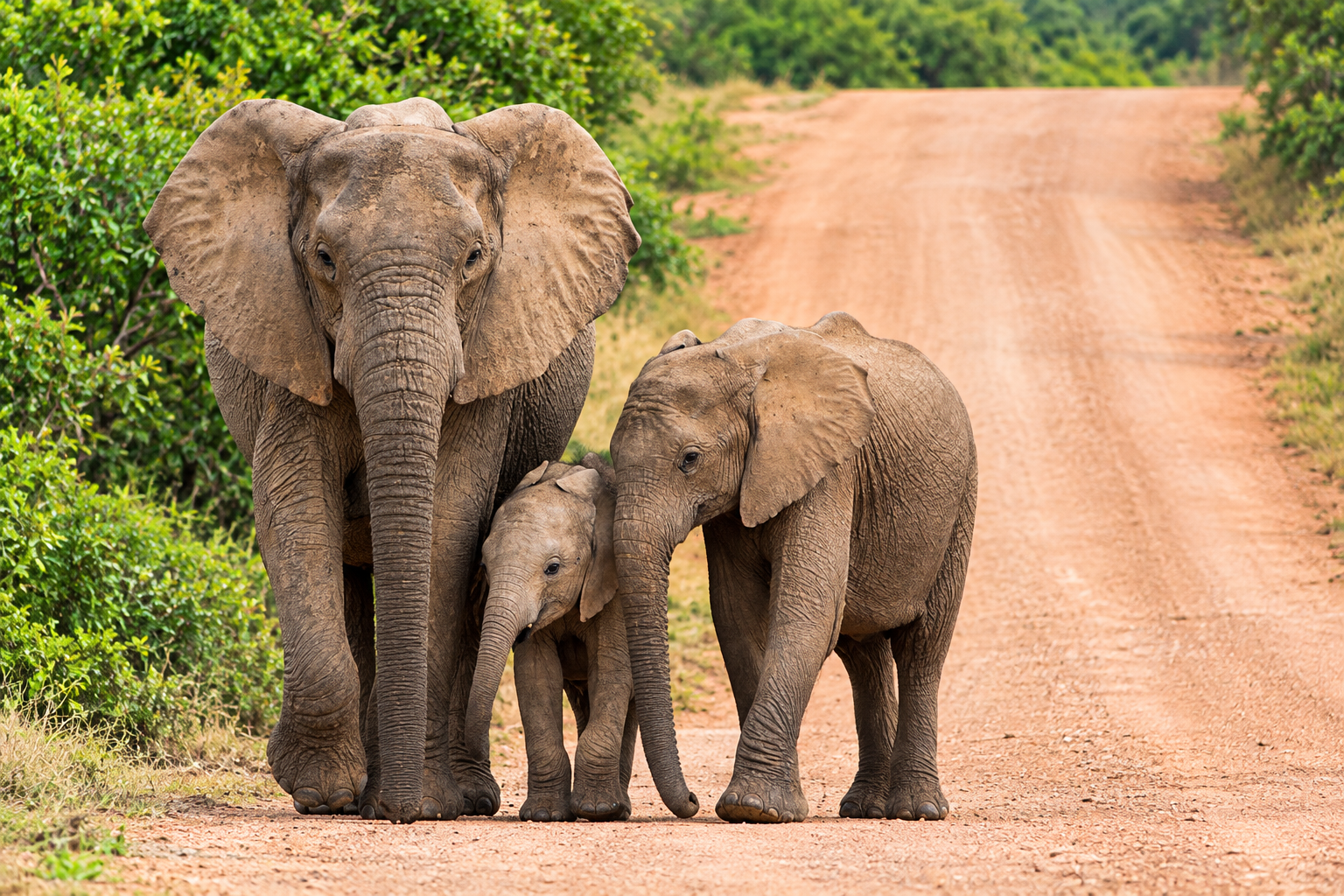
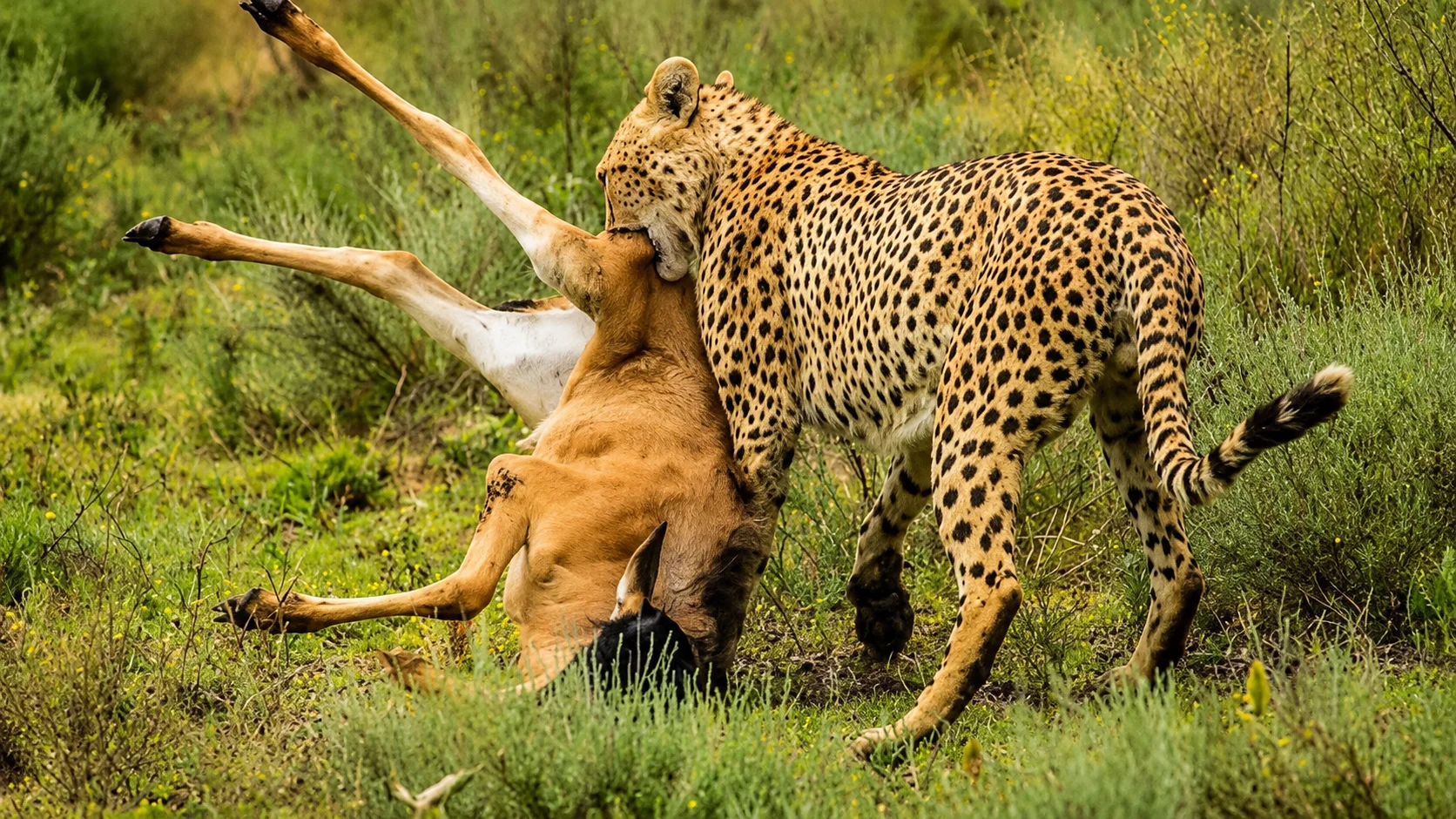
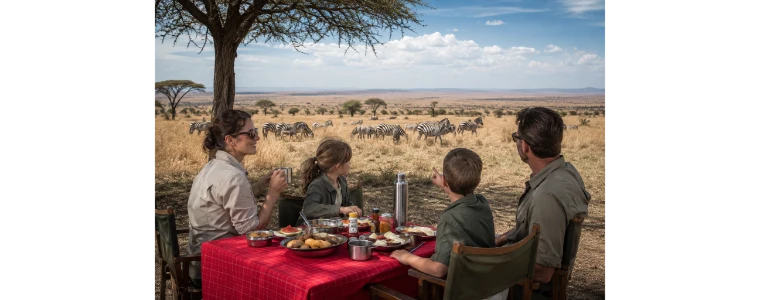
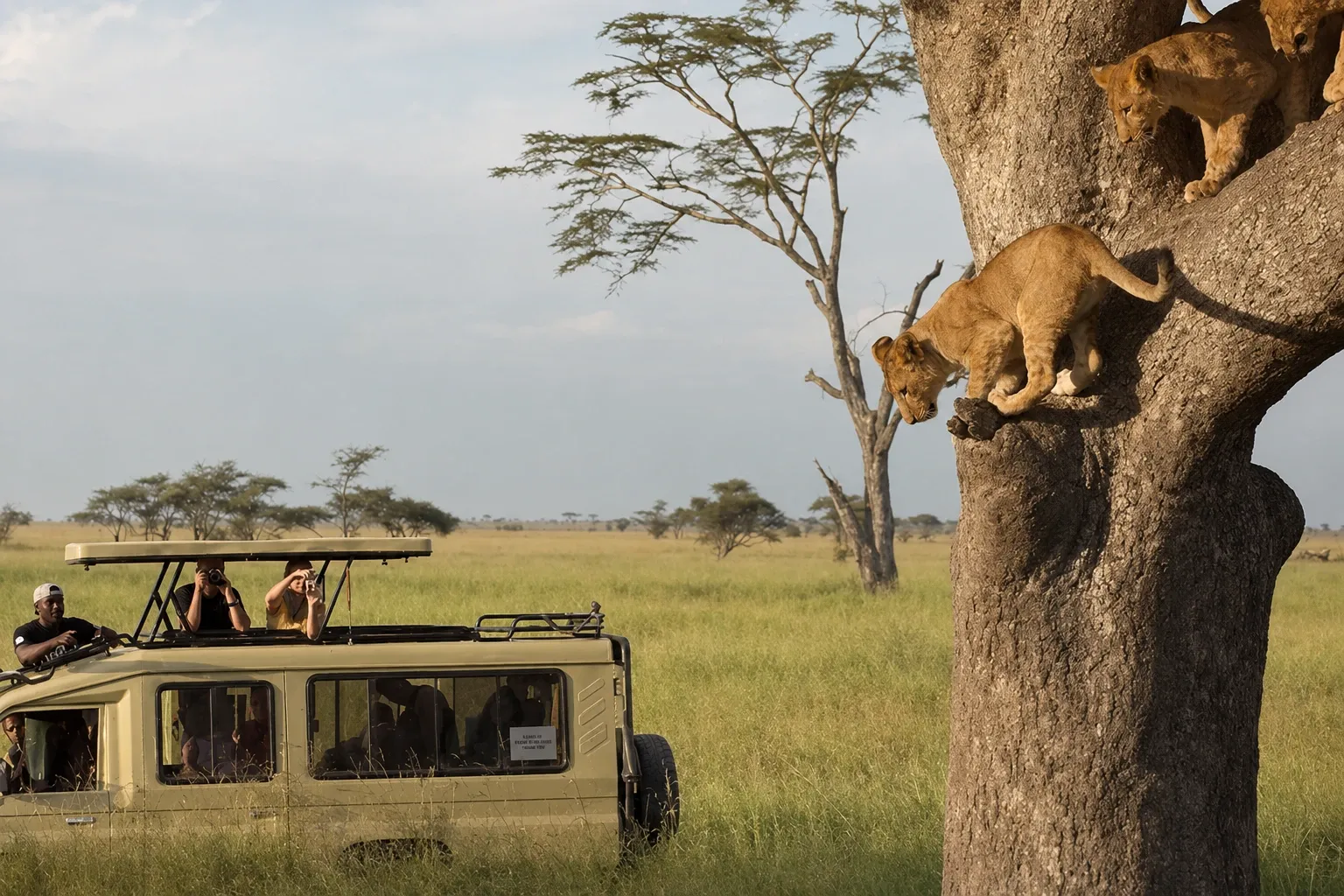
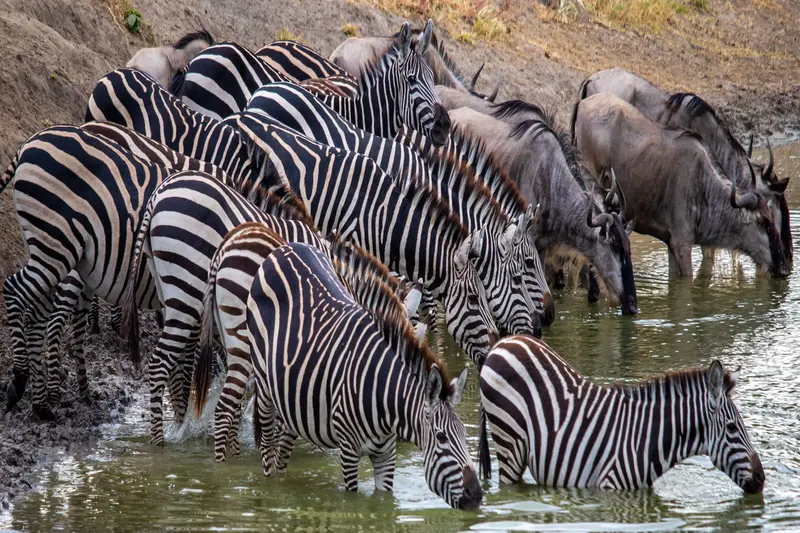
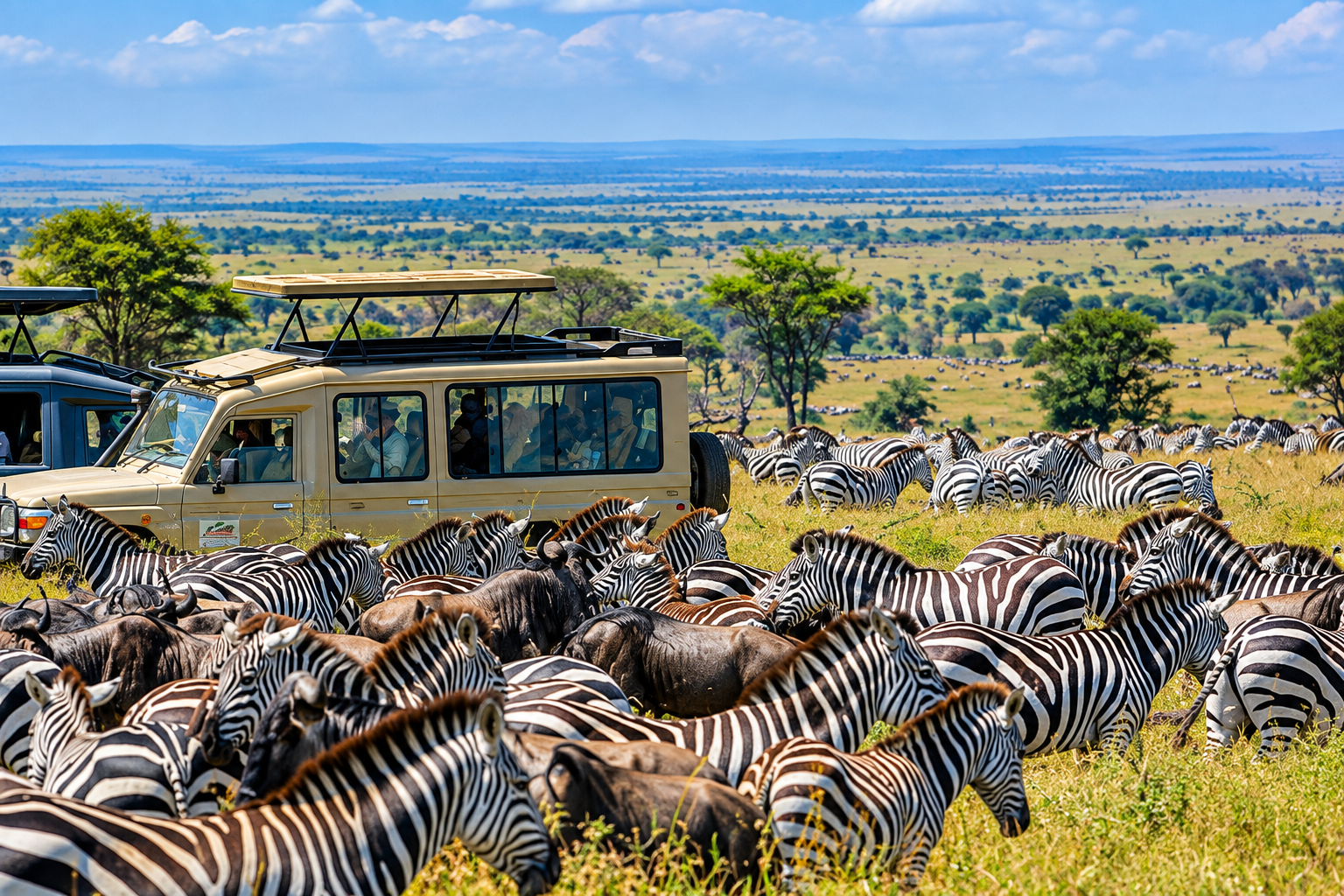
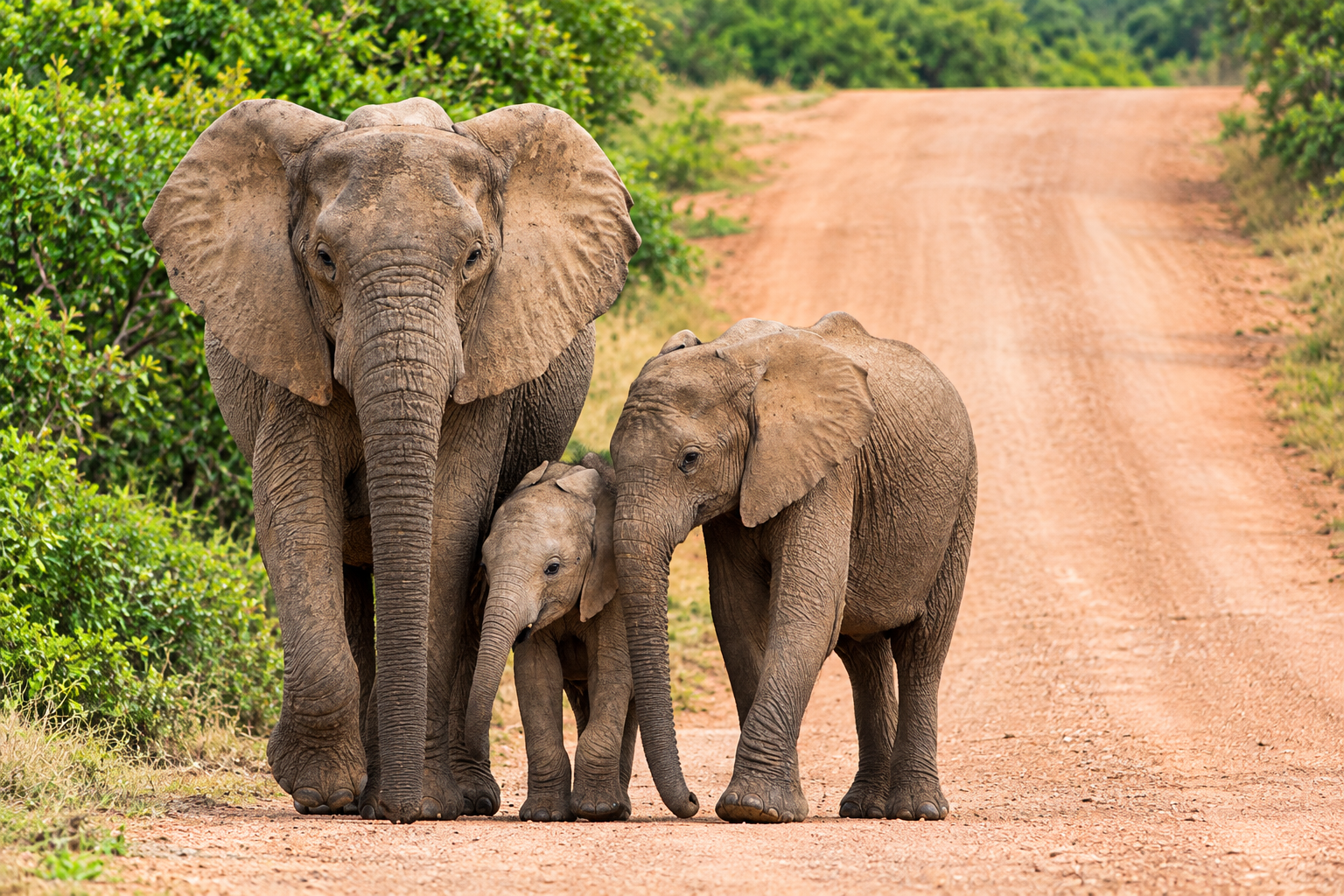
For families, the package is listed as a private safari with a moderate activity level, beginning and ending in Arusha. A practical approach is to treat wildlife sightings as opportunities rather than promises: elephants, giraffes, zebras, buffalo, antelopes and birdlife may be seen in Tarangire; crater wildlife can include lions, buffalo, elephants, hippos, zebras and antelopes; and Serengeti sightings depend on conditions. The dry-season timing supports the safari’s focus, but nature remains variable. Allow room in your expectations for changing herd locations, unhurried viewing when opportunities arise and travel days that include both driving and wildlife stops.