Plan a January–March Kilimanjaro and Ndutu Calving Safari
From the snow-covered slopes of Mount Kilimanjaro to the wildebeest-filled grasslands of Ndutu, January, February, and March offer an extraordinary combination of mountain trekking and wildlife viewing in Northern Tanzania. Our private Kilimanjaro climbing and Ndutu calving season safaris bring together a guided ascent of Africa's highest mountain and a private safari through the Southern Serengeti ecosystem, where large wildebeest and zebra herds gather during the Great Migration's breeding season. February is typically the peak calving period, when thousands of wildebeest calves are born across the short-grass plains, attracting lions, cheetahs, hyenas, and other predators. January and March can also offer rewarding migration encounters, depending on rainfall and herd movements.
The advantage of combining these experiences privately is the ability to plan each part of the journey around your interests and travel dates. Choose a private Lemosho, Machame, or Marangu Route Kilimanjaro climb with a dedicated mountain support team, followed by a comfortable recovery night before continuing to Ndutu. Your safari can include two or three nights exploring the calving grounds, with private game drives, predator sightings, and opportunities for wildlife photography. Accommodation ranges from comfortable migration tented camps to luxury safari lodges, with routes that can also incorporate Ngorongoro Crater. Our Great Migration calendar explains how the herds move through the Southern Serengeti during these months.
KiliPori Safaris offers January, February and March private Kilimanjaro climbing and Ndutu migration safari packages, with flexible itineraries that combine appropriate mountain acclimatisation, recovery time, and wildlife viewing. Whether you prefer a 12-day climbing and safari adventure or a longer itinerary with additional nights in Ndutu, each holiday can be tailored to your climbing experience, accommodation preferences, and budget. Explore our guides to planning a Great Migration safari and combining the migration with Ngorongoro Crater to plan your journey. Browse our private Kilimanjaro and Ndutu calving season safari packages below to experience two of Tanzania's most distinctive adventures in one holiday.
✓Private planning by our Tanzania-based safari specialists
Choose the right package for you
Use the filters to narrow these KiliPori Packages. Every trip can be tailored to your dates, interests and preferred accommodation.
10 Day Private Kilimanjaro Marangu Route Climb and Private Ndutu Calving Season Safari
Duration10 Days
Accommodation LevelMid Range Lodges
VisitsMandara Hut, Horombo Hut, Kibo Hut, Arusha City, Ndutu Area
Climb Kilimanjaro via the Marangu Route and explore Ndutu's wildebeest calving season on a 10-day private Tanzania adventure.
10-Day Private Kilimanjaro Climbing and Southern Serengeti Calving Safari
Duration10 Days
Accommodation LevelMid Range Lodges
VisitsMachame Camp, Shira Cave, Barranco Camp, Karanga Camp, Barafu Camp, Mweka Camp, Arusha City, Ndutu Area
Enjoy 7 days of private Kilimanjaro climbing via the Machame Route, followed by a 3-day private Southern Serengeti calving season safari with KiliPori Safaris.
10-Day Private Kilimanjaro Machame Climb and Ndutu Migration Safari
Duration10 Days
Accommodation LevelMid Range Lodges
VisitsMachame Camp, Shira Cave, Barranco Camp, Karanga Camp, Mweka Camp, Arusha City, Ndutu Area
Combine a private Machame Route Kilimanjaro climb with a private Ndutu migration safari to experience Uhuru Peak, wildebeest calving and Tanzania's wildlife.
11 Day Private Kilimanjaro Climb via Lemosho Route and Private Ndutu Calving Season Safari
Duration11 Days
Accommodation LevelMid Range Lodges
VisitsMti Mkubwa (Big Tree) Camp, Shira 2 Camp, Barranco Camp, Karanga Camp, Barafu Camp, Mweka Camp, Arusha City, Ndutu Area
Enjoy an 11-day private Lemosho Route Kilimanjaro climb and Ndutu calving season safari with experienced guides, mountain support and wildlife viewing.
11 Days Private Kilimanjaro Machame Route Climb and Private Serengeti Safari
Duration11 Days
Accommodation LevelMid Range Lodges
VisitsMachame Camp, Shira Cave, Barranco Camp, Karanga Camp, Barafu Camp, Mweka Camp, Arusha City, Tarangire National Park, Central Serengeti, Ngorongoro
Climb Mount Kilimanjaro privately via the Machame Route, then enjoy a private Northern Tanzania Big Five safari in Tarangire, Serengeti and Ngorongoro.
11-Day Private Kilimanjaro Climb and Ndutu Calving Season Safari
Duration11 Days
Accommodation LevelMid Range Lodges
VisitsMachame Camp, Shira Cave, Barranco Camp, Karanga Camp, Barafu Camp, Mweka Camp, Arusha City, Ndutu Area
Experience an 11-day private Kilimanjaro climb via the Machame Route and Ndutu Calving Season Safari, combining a rewarding mountain trek with Tanzania’s Great Migration.
7 Day Private Luxury Kilimanjaro Climb via Lemosho Route
Duration7 Days
Accommodation LevelMid Range Lodges
VisitsMti Mkubwa (Big Tree) Camp, Shira 2 Camp, Barranco Camp, Karanga Camp, Barafu Camp, Mweka Camp, Kilimanjaro International Airport (KIA)
Climb Mount Kilimanjaro on a 7-day private luxury Lemosho Route trek with personalised service, expert guides, premium camping support and a summit attempt.
No packages match all selected filters. Clear a filter to see more options.
Why Combine a Private Kilimanjaro Climb with the Ndutu Wildebeest Calving Season?
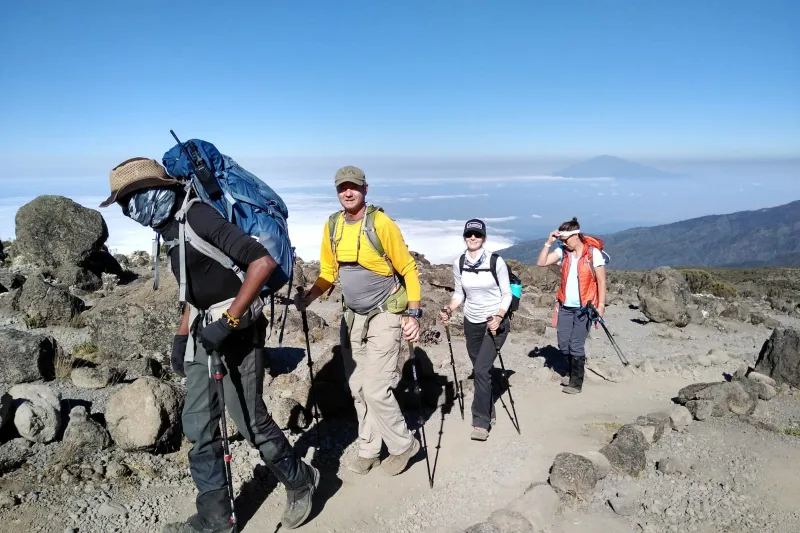
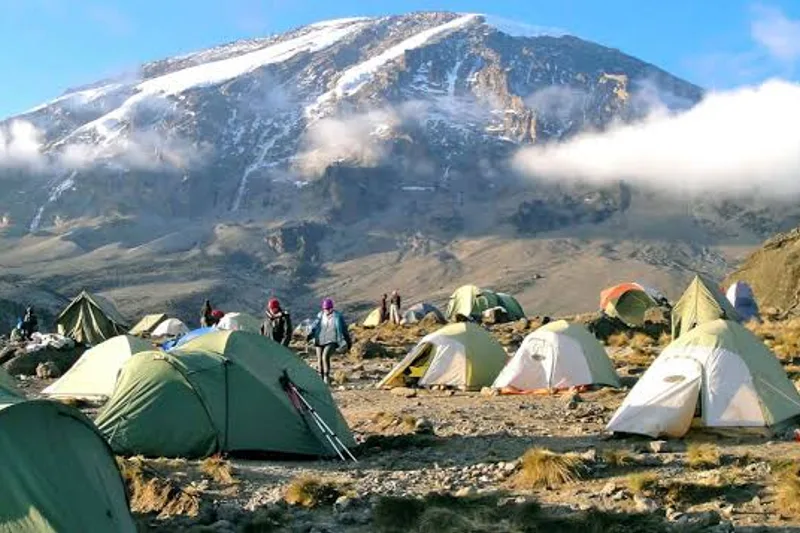
Imagine spending your first week in Tanzania climbing through Kilimanjaro's mountain forests, alpine landscapes, and volcanic terrain before reaching Uhuru Peak at 5,895 metres. A few days later, you are watching wildebeest calves taking their first steps on the grasslands of Ndutu, surrounded by thousands of migrating animals. A private Kilimanjaro climb and Ndutu calving safari combines two very different Tanzania experiences: the personal achievement of climbing Africa's highest mountain and the opportunity to witness one of the Great Migration's most fascinating wildlife events.
Two Different Adventures During One Tanzania Holiday
January, February, and March provide an opportunity to combine Kilimanjaro climbing with the Southern Serengeti's wildebeest calving season.
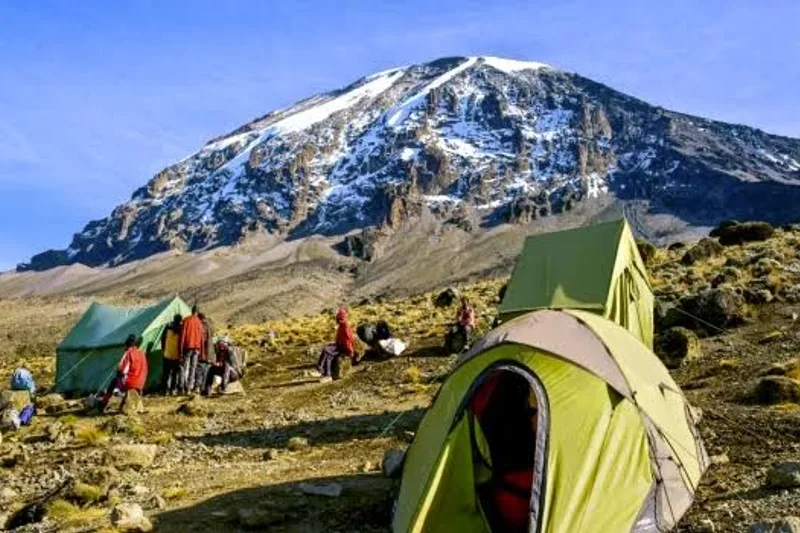
The mountain portion offers an active adventure through changing vegetation zones, guided by an experienced private mountain team. After the climb, the journey continues to Ndutu, where seasonal rainfall attracts migrating wildebeest and zebras to the nutrient-rich short-grass plains.
February is generally the peak calving month, while January and March can also offer rewarding migration experiences depending on rainfall and herd movements.
For travellers planning their dates, our Great Migration calendar explains the seasonal movement of wildebeest across the Serengeti ecosystem.
Witness Wildebeest Calving and Predator Activity in Ndutu
One of the main reasons to choose a Kilimanjaro climbing and Ndutu calving season safari is the chance to observe wildlife behaviour that differs from the famous Mara River crossings.
During the main calving period, hundreds of thousands of wildebeest calves are born over several weeks across the broader Southern Serengeti ecosystem. These newborn animals attract predators, including lions, cheetahs, hyenas, and occasionally leopards.
Private game drives allow time to observe wildebeest herds, search for big cats, and photograph the open grasslands without following a shared group's schedule.
Wildlife sightings and calving events are natural and cannot be guaranteed.
The Advantage of Private Climbing and Safari Arrangements
Combining both experiences privately allows your itinerary to reflect your preferred travel dates, physical preparation, and accommodation expectations.
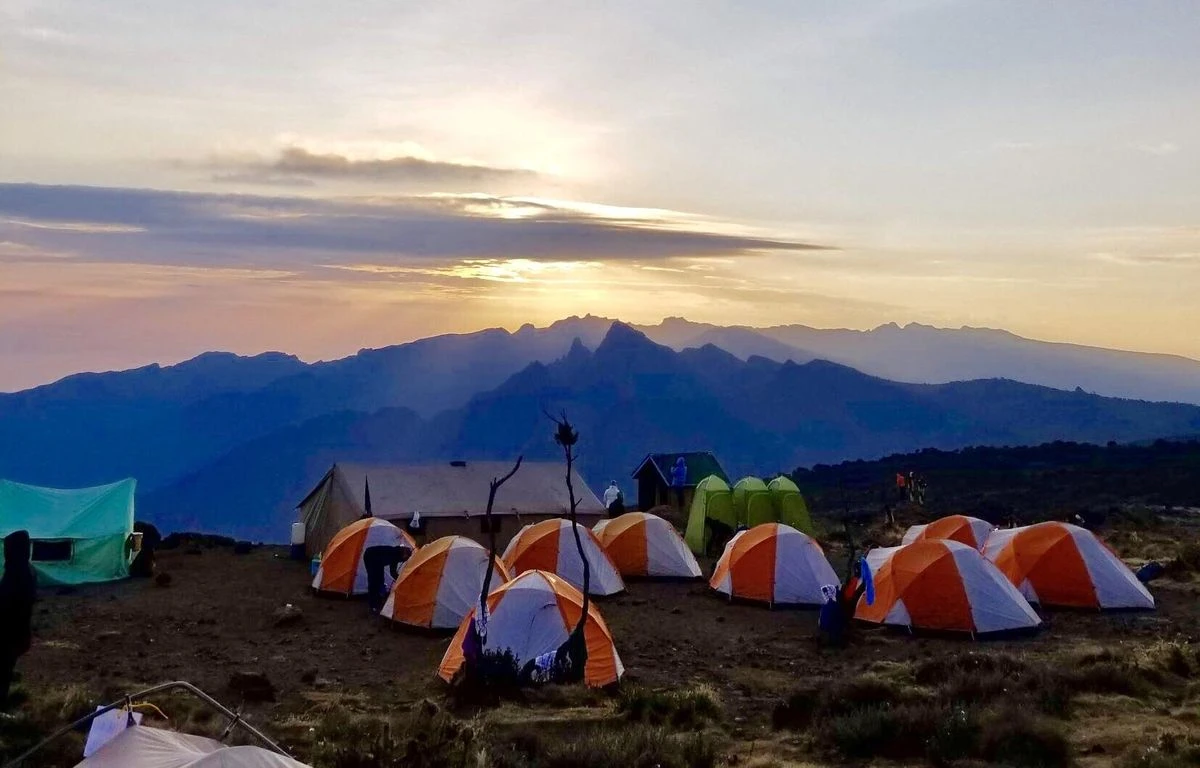
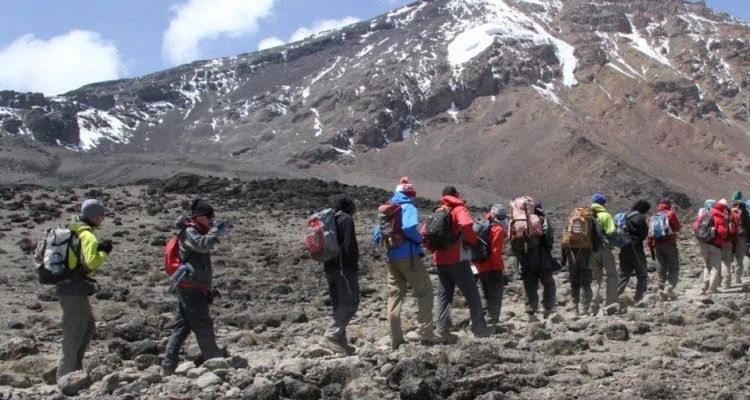
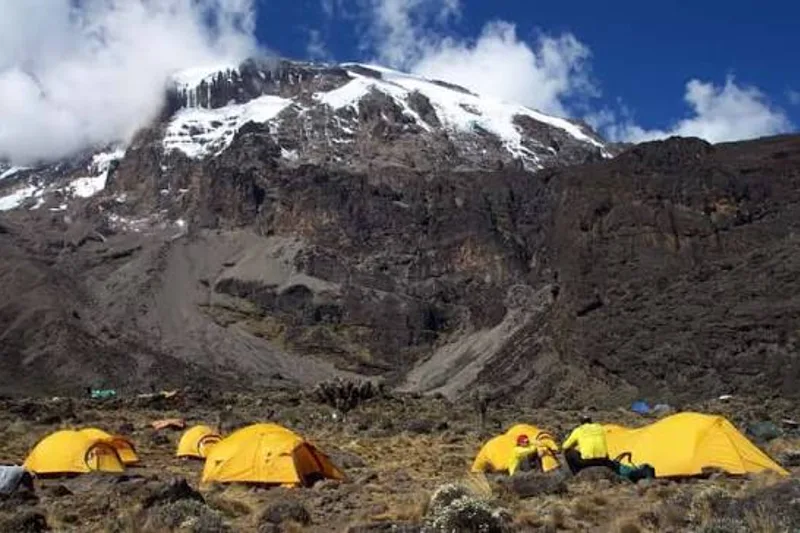
Private Kilimanjaro climb: Choose the Lemosho, Machame, or Marangu Route with a dedicated mountain support team.
Personalised safari experience: Explore Ndutu with your own 4x4 Land Cruiser and professional wildlife guide.
Comfortable post-climb recovery: Include a night in Moshi or Arusha before travelling to the safari areas.
Flexible accommodation: Select midrange migration camps or luxury tented lodges around Ndutu.
Additional wildlife destinations: Extend your journey to Ngorongoro Crater or Central Serengeti if time permits.
The Kilimanjaro itinerary should always allow appropriate acclimatisation time rather than shortening the climb simply to add more safari activities.
How Many Days Should You Allow for Both Experiences?
For a comfortable combined holiday, we generally recommend allocating approximately 12 to 15 days, depending on your climbing route and safari preferences.
For example, an eight-day private Lemosho climb can be followed by a recovery night and a four- to five-day Ndutu safari. This allows time to explore the calving grounds rather than rushing through the region.
Travellers with additional days can include Ngorongoro Crater, where wildlife viewing provides an interesting contrast to Ndutu's open plains. Our guide to combining the Great Migration with Ngorongoro Crater explains the benefits of visiting both destinations.
Plan Your Private Kilimanjaro and Ndutu Calving Safari with KiliPori Safaris
KiliPori Safaris offers private Kilimanjaro climbing and Ndutu wildebeest calving safari packages for January, February, and March, combining mountain trekking, private wildlife guiding, and accommodation selected around your travel preferences.
Whether you prefer a challenging Machame climb, a longer Lemosho itinerary, or Marangu's mountain hut accommodation, your journey can be tailored to include several nights exploring Ndutu's migration and predator activity.
Explore our private Kilimanjaro and Ndutu calving season safari packages below to experience Tanzania's highest mountain and the Great Migration's calving grounds in one carefully planned holiday.
January vs February vs March: Best Month for Kilimanjaro Climbing and Ndutu Calving Safaris
Choosing between January, February, and March for a private Kilimanjaro climb and Ndutu calving season safari means considering two different seasonal experiences. On Mount Kilimanjaro, January and February generally offer favourable trekking conditions during the shorter dry period, while March brings an increasing possibility of rain. In Ndutu and the Southern Serengeti, the opposite consideration becomes important: the wildebeest calving season develops during January, typically reaches its peak in February, and continues into March as the herds respond to changing rainfall and grazing conditions. Understanding these differences helps travellers select dates that balance mountain conditions with their preferred Great Migration experience.
January, February or March: Which Month Is Best?
Month
Kilimanjaro Climbing Conditions
Ndutu Migration Experience
Best For
January
Generally favourable trekking weather, with occasional rain
Herds gathering on the southern plains and calving activity developing
Travellers prioritising climbing and early calving experiences
February
Often good climbing conditions before the long rains
Main wildebeest calving period, newborn calves and predator activity
Travellers wanting the strongest combination of both experiences
March
Increasing rainfall risk, particularly later in the month
Calves, predators and herds gradually responding to seasonal changes
Flexible travellers comfortable with less predictable weather
These are typical seasonal patterns. Kilimanjaro weather, the onset of the long rains, and wildebeest movements vary from year to year.
January: Favourable Kilimanjaro Climbing and the Beginning of Calving Season
January is an attractive month for travellers who place a high priority on climbing Mount Kilimanjaro.
The mountain generally experiences relatively favourable trekking conditions, with clearer mornings and less persistent rainfall than during the main wet season. The Lemosho, Machame, and Marangu routes can all be considered, depending on your preferred trekking duration and accommodation style.
In Ndutu, the Great Migration herds are often concentrated across the short-grass plains of Southern Serengeti and the neighbouring Ngorongoro Conservation Area.
Calving may already be underway, particularly later in January, although the greatest concentration of births typically occurs in February.
Our recommendation: January is a good choice for travellers who want to climb Kilimanjaro first and experience the early stages of the Ndutu calving season, especially when their safari takes place towards the end of the month.
February: The Best Overall Month for Kilimanjaro and Ndutu Calving Safaris
For travellers wanting to combine both experiences, February is generally our strongest recommendation.
Kilimanjaro often experiences favourable trekking conditions during this period, although climbers must still prepare for cold summit temperatures, strong winds, and changing mountain weather.
Meanwhile, February is traditionally the main wildebeest calving month around Ndutu and Southern Serengeti. Large numbers of newborn calves attract predators, including lions, cheetahs, and hyenas, creating opportunities to observe fascinating wildlife behaviour.
A private February itinerary could include:
A seven- or eight-day private Kilimanjaro climb via Lemosho or Machame.
A recovery night in Moshi or Arusha after descending the mountain.
Three nights in Ndutu exploring the calving grounds and surrounding wildlife areas.
An optional Ngorongoro Crater game drive before departure.
Because February is popular for migration photography and predator viewing, accommodation around Ndutu should be reserved well in advance.
March: Late Calving Season and Changing Kilimanjaro Weather
March can still provide rewarding wildlife experiences in Ndutu, particularly during the earlier part of the month.
Wildebeest calves are growing stronger, predators remain active, and large herds may still occupy the Southern Serengeti plains. However, as rainfall and grazing conditions change, the herds can become more widely distributed.
On Kilimanjaro, March brings a greater possibility of wet weather as Tanzania approaches the long rainy season. Trails may become muddy, cloud cover can increase, and the mountain environment may be more demanding.
For travellers considering March, we recommend prioritising early-month climbing dates where practical and preparing carefully for changing weather.
Should You Climb Kilimanjaro Before Visiting Ndutu?
For most January to March combination holidays, we recommend completing the Kilimanjaro climb before beginning the Ndutu safari.
This allows you to concentrate on the physical demands of mountain trekking first, followed by more relaxed wildlife viewing from a private safari vehicle.
However, the exact order should also consider migration timing. For example, travellers arriving in late February may benefit from visiting Ndutu before climbing if their dates would otherwise push the safari into March.
Whatever the sequence, sufficient acclimatisation time on Kilimanjaro should remain a priority, and recovery time should be included between physically demanding travel days.
Our Recommendation: Choose February for the Best Seasonal Balance
If your travel dates are flexible, February offers the most attractive overall combination of Kilimanjaro climbing conditions and Ndutu wildebeest calving activity.
January is an excellent alternative for travellers who prioritise mountain trekking and early-season migration wildlife, while early March can appeal to those who prefer a later holiday and are comfortable with increasing rainfall uncertainty.
KiliPori Safaris offers private Kilimanjaro climbing and Ndutu calving season safari packages for January, February, and March, combining dedicated mountain support teams, private 4x4 wildlife game drives, and midrange or luxury safari accommodation.
Explore our private Kilimanjaro and Ndutu calving safari packages below to choose a travel month that suits your climbing experience, preferred wildlife encounters, and holiday duration.
Kilimanjaro Climbing and Ndutu Calving Safari Costs: Midrange vs Luxury Packages
Planning a private Kilimanjaro climb and Ndutu calving safari involves budgeting for two experiences with very different operating costs. On Mount Kilimanjaro, expenses include national park fees, professional mountain guides, porters, meals, equipment, and accommodation. In Ndutu, the cost depends largely on the number of safari nights, private vehicle arrangements, conservation fees, and the location of your migration camp. January, February, and March are popular months for combining both experiences, particularly February, when the Southern Serengeti's wildebeest calving season typically reaches its peak.
How Much Does a Private Kilimanjaro and Ndutu Calving Safari Cost?
The following estimates provide a general guide for travellers combining a six- to eight-day private Kilimanjaro climb with a three- to five-day Ndutu wildlife safari.
Package Duration
Midrange Per Person
Luxury Per Person
10–11 Days
USD 3,500–5,500
USD 5,000–8,000+
12–13 Days
USD 4,000–6,500
USD 6,000–9,500+
14–15 Days
USD 5,000–8,000
USD 7,500–12,000+
These are indicative planning estimates in USD per person, generally assuming two adults sharing accommodation and booking private climbing and safari services. They are not confirmed KiliPori Safaris quotations. Actual prices depend on the mountain route, camp availability, safari days, travel dates, and flight arrangements. International flights and personal expenses are excluded.
Midrange Kilimanjaro and Ndutu Safari Packages
A midrange private Kilimanjaro and Ndutu safari is ideal for travellers who prioritise safe, professionally supported climbing and comfortable accommodation near the wildebeest calving grounds.
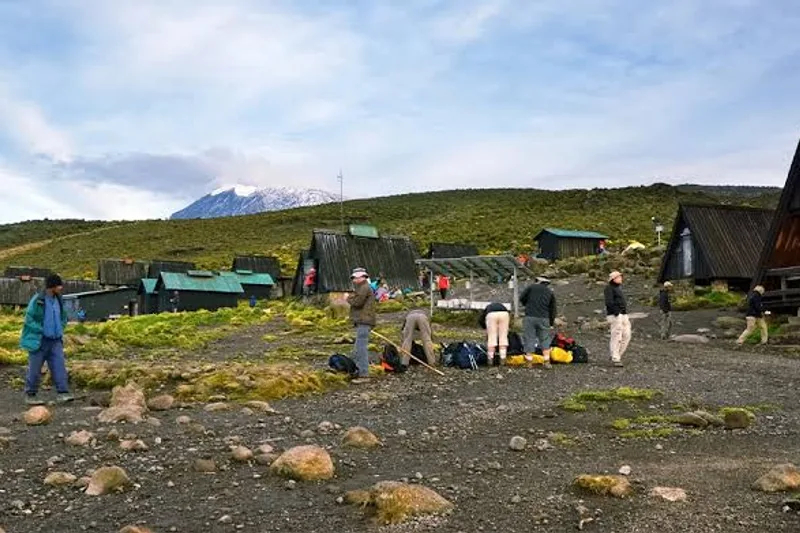
On Kilimanjaro, private climbing services typically include a dedicated mountain crew, meals, standard camping equipment or Marangu mountain huts, and required park fees.
After the climb, travellers can enjoy private game drives in Ndutu while staying at comfortable tented camps with en-suite bathrooms and full-board meals.
Midrange migration camps such as Gnu Ndutu Migration Camp or comparable seasonal properties may be considered, depending on availability and the exact camp facilities.
Luxury Kilimanjaro Climbing and Ndutu Calving Safaris
A luxury Kilimanjaro and Ndutu calving safari package places greater emphasis on accommodation comfort and personalised hospitality.
Luxury climbing arrangements may include upgraded camping equipment, larger tents, additional camp facilities, and premium hotel accommodation before or after the climb.
For the safari portion, travellers can consider luxury migration camps such as Lemala Ndutu or Lake Masek Tented Lodge, subject to their preferred travel dates and accommodation requirements.
Choosing a well-positioned camp can reduce driving time to the calving grounds, allowing more opportunities to observe wildebeest herds, cheetahs, lions, and other wildlife.
What Makes January, February and March Safari Prices Different?
February is generally the most sought-after month for Ndutu calving safaris, as large numbers of wildebeest give birth across the Southern Serengeti plains.
Popular migration camps can become expensive or fully booked during this period, particularly those with convenient access to the calving areas.
January also attracts travellers interested in early calving activity, while March may provide different accommodation pricing opportunities as rainfall patterns begin to change.
However, lower rates should not be assumed for March, as individual camp pricing seasons vary.
What Is Included in Your Private Climbing and Safari Package?
When comparing midrange and luxury packages, check the inclusions carefully.
Kilimanjaro climbing arrangements generally cover mountain guides, porters, a cook, trekking meals, park fees, camping or hut accommodation, and scheduled mountain transfers.
Ndutu safari arrangements may include a private 4x4 Land Cruiser, professional driver-guide, conservation fees, accommodation, meals, and game drives.
Domestic flights, international flights, visas, travel insurance, trekking equipment rental, gratuities, and optional activities should be identified separately unless the quotation includes them.
The number of travellers also matters. Couples generally pay more per person than a private group of four because vehicle and mountain support costs are shared among fewer guests.
How to Get Better Value Without Compromising Your Experience
The best-value package is not necessarily the cheapest. On Kilimanjaro, choosing a suitable seven- or eight-day route can provide more acclimatisation time than rushing the ascent.
For Ndutu, staying two or three consecutive nights near the calving grounds is generally more practical than spending additional time travelling between distant camps.
Families, couples, and private groups can also choose a combination of standard mountain support and luxury safari accommodation, allowing them to invest more in comfort after the physically demanding climb.
Plan Your Private Kilimanjaro and Ndutu Safari with KiliPori Safaris
KiliPori Safaris offers private Kilimanjaro climbing and Ndutu calving season safari packages for January, February, and March, with midrange and luxury options tailored to your preferred climbing route, accommodation standard, and wildlife interests.
Whether you want a private Machame or Lemosho climb followed by three nights in Ndutu, or a longer Tanzania adventure including Ngorongoro Crater, your quotation can be customised around your travel dates and budget.
Explore our private Kilimanjaro and Ndutu calving safari packages below to compare itineraries and request a personalised price for your Tanzania adventure.
From Kilimanjaro to Ndutu: Private Transfers, Flights and Recovery After the Climb
After several days trekking Mount Kilimanjaro, the journey to Ndutu should be as comfortable and well-organised as possible. A private Kilimanjaro to Ndutu safari transfer connects your mountain adventure with the Southern Serengeti's wildebeest calving season, where large herds gather between January and March. Travellers can choose a private road transfer through Arusha, Karatu, and the Ngorongoro Conservation Area or take a domestic flight from Arusha to Ndutu Airstrip. The best arrangement depends on your budget, preferred safari duration, and how much time you want to spend recovering after the climb.
Road Transfer from Moshi or Arusha to Ndutu
Travelling by private 4x4 Land Cruiser is a popular option for climbers who want to explore Northern Tanzania's landscapes on their way to the calving grounds.
The journey generally follows the route from Moshi through Arusha, Mto wa Mbu, Karatu, and the Ngorongoro Conservation Area before continuing to Ndutu.
Departure Point
Approximate Driving Time
Moshi to Arusha
1.5–2 hours
Arusha to Ndutu
6–7 hours
Karatu to Ndutu
3–5 hours
Moshi to Ndutu
7.5–9 hours
Driving times are estimates and may increase because of road conditions, rainfall, park formalities, and stops along the way.
For travellers who have just completed Kilimanjaro, we generally recommend avoiding a long transfer immediately after descending the mountain.
A comfortable alternative is to spend a recovery night in Moshi or Arusha before departing for Ndutu the following morning. Travellers who prefer a slower journey can also overnight in Karatu.
Flying from Arusha to Ndutu After Kilimanjaro
A private Ndutu calving season safari after Kilimanjaro can also begin with a domestic flight from Arusha Airport to Ndutu Airstrip.
Scheduled bush flights generally take approximately one hour, depending on the routing and intermediate stops. Seasonal flight services are especially relevant during the January–March migration period.
On arrival at Ndutu Airstrip, your private safari driver-guide can meet you for the transfer to your migration camp or the start of your game drive.
Flying can be particularly beneficial for travellers who want to reduce time spent on rough roads after a physically demanding mountain climb.
However, bush aircraft have luggage restrictions, and travellers carrying large trekking bags may need to arrange storage in Moshi or Arusha.
Why Recovery Time Matters After Climbing Kilimanjaro
A Kilimanjaro summit attempt often involves long trekking hours, limited sleep, cold temperatures, and considerable physical effort.
Before continuing to Ndutu, allowing time to rest, shower, enjoy a comfortable meal, and recover from the climb can make the safari more enjoyable.
We generally recommend including at least one recovery night after descending Kilimanjaro, with additional rest if needed.
Travellers experiencing persistent altitude-related symptoms, unusual exhaustion, or other medical concerns should seek appropriate medical assessment before continuing their journey.
A Suggested Kilimanjaro to Ndutu Travel Plan
For travellers combining a seven- or eight-day private Kilimanjaro climb with the wildebeest calving season, we recommend a straightforward transition:
Day 1: Complete the Kilimanjaro descent – Private transfer to Moshi and overnight at a comfortable hotel.
Day 2: Travel from Moshi to Arusha Airport for a scheduled Ndutu flight, or depart by private Land Cruiser towards Ndutu.
Day 3: Full-day private Ndutu calving season safari – Wildebeest herds, newborn calves and predator encounters.
Day 4: Another full day exploring Ndutu and the Southern Serengeti plains.
Day 5: Continue with an additional safari day, travel towards Ngorongoro Crater, or arrange an onward flight or transfer.
The exact schedule depends on your climbing completion date, available flights, and accommodation arrangements.
Choosing the Best Transport for Your Budget and Safari Duration
For travellers seeking a more economical combination, a private road transfer can work well, particularly when the itinerary includes Ngorongoro Crater or another Northern Circuit destination.
For those prioritising comfort and additional wildlife-viewing time, a fly-in safari may be preferable. Air travel usually costs more but can reduce the fatigue associated with long road transfers.
In either case, we recommend spending at least two or three nights in Ndutu during the main calving season whenever your travel schedule permits.
Plan Your Private Kilimanjaro to Ndutu Safari with KiliPori Safaris
KiliPori Safaris offers private Kilimanjaro climbing and Ndutu calving season safari packages for January, February, and March, with coordinated mountain transfers, recovery accommodation, domestic flight options, and private wildlife game drives.
Whether you prefer travelling by road through Ngorongoro or flying directly towards the calving grounds, your itinerary can be designed around your preferred comfort level, safari duration, and budget.
Explore our private Kilimanjaro climbing and Ndutu safari packages below to combine a well-supported mountain adventure with a comfortable journey into the Southern Serengeti's wildebeest calving season.
Frequently Asked Questions
Which month is the best fit for a Kilimanjaro climb and Ndutu calving-season safari?
February is typically the peak calving period, while January and March also fall within the season featured by these trips. If newborn wildebeest are your priority, February is a strong choice, but wildlife sightings and herd locations can vary naturally.
Can I count on seeing wildebeest being born on a Ndutu calving-season safari?
No particular birth or wildlife encounter can be guaranteed on a Kilimanjaro and Ndutu calving-season safari. February is typically the peak, and the calving activity draws predators, so the experience can include varied wildlife behaviour rather than a predictable sequence of sightings.
How does a Ndutu safari differ from one described as Southern Serengeti calving season?
Ndutu is part of the Southern Serengeti ecosystem, so these package labels describe closely connected calving-season settings. Compare the individual itinerary’s named safari area and number of wildlife days to see how specifically it focuses on Ndutu.
Do all Kilimanjaro Climbing Tours and Ndutu Calving Season Safaris follow the same itinerary?
No; the collection includes different Kilimanjaro routes, climb lengths and safari focuses. Some itineraries centre on Ndutu, while others describe the Southern Serengeti, the Serengeti more broadly or a Big Five safari.
How many days on the mountain and on safari do the combined packages allow?
The listed combined trips generally allocate six to eight days to the Kilimanjaro climb and three to five days to the safari portion. Check the day-by-day plan, since the balance between trekking and wildlife viewing differs between packages.
Can I choose a Kilimanjaro climb without adding a Ndutu safari?
Yes, the collection also lists standalone seven-day private Kilimanjaro climbs on the Lemosho and Marangu routes. Those suit travellers focusing on the mountain, while the combined Kilimanjaro and Ndutu options add a seasonal Tanzania safari.
Which Kilimanjaro routes appear in the January–March package collection?
The listed climbs use the Marangu, Machame and Lemosho routes. When comparing a Kilimanjaro climb with a Ndutu calving-season safari, check the route and number of trekking days in the specific package rather than assuming every itinerary offers the same climb.
What does a custom Tanzania itinerary let me adjust on a climb-and-safari trip?
KiliPori describes these trips as custom Tanzania itineraries, so you can ask about tailoring the combination to your travel plans. Confirm any requested changes against a specific Kilimanjaro and Ndutu package, since the displayed itineraries have defined routes and durations.
Is the safari scheduled after the Kilimanjaro climb in these combined packages?
The listed combined itineraries are presented as a Kilimanjaro climb followed by a Tanzania wildlife safari. Review the daily schedule for your chosen package to understand the transition between trekking and the Ndutu or Southern Serengeti portion.
Are the Kilimanjaro climbs guided, and does the safari have a private guide?
The collection describes a guided Kilimanjaro ascent and private safari travel, with a private 4x4 noted for the package collection. Crew details can vary by itinerary, so check the individual package for the mountain and safari arrangements.
Can a Kilimanjaro and Ndutu trip begin and end in the same town?
Some listed itineraries begin and end in the same town, including Moshi-to-Moshi and Arusha-to-Arusha options; others start in Moshi and finish in Arusha. Compare the stated endpoints before choosing your January–March climb and safari.
Does a private Kilimanjaro and Ndutu package automatically include luxury accommodation?
No; a private itinerary does not by itself establish a luxury accommodation style. The collection separately lists some luxury standalone Kilimanjaro climbs, so check the accommodation details of a combined Ndutu safari package rather than inferring them from its private label.
How can I tell whether a package gives more time to wildlife viewing?
Compare the safari-day allocation: listed Kilimanjaro and calving-season combinations include options with three, four or five safari days. A longer wildlife segment may suit you if game viewing is a major priority, while still preserving the planned climb.
Are all the listed Kilimanjaro and Ndutu packages available in each of January, February and March?
Most displayed combined options list January, February and March, but the collection also shows a few with a different month range. Check the stated travel window for the exact itinerary you prefer, especially if you are targeting February’s typical peak calving period.
What should I compare when choosing between a Ndutu safari and a broader Serengeti itinerary?
Start with the safari area named in the itinerary and how many days it assigns to wildlife viewing. Kilimanjaro packages in this collection describe Ndutu, Southern Serengeti and broader Serengeti options, so match the geographic focus to the experience you want.
.webp)